Season by Season
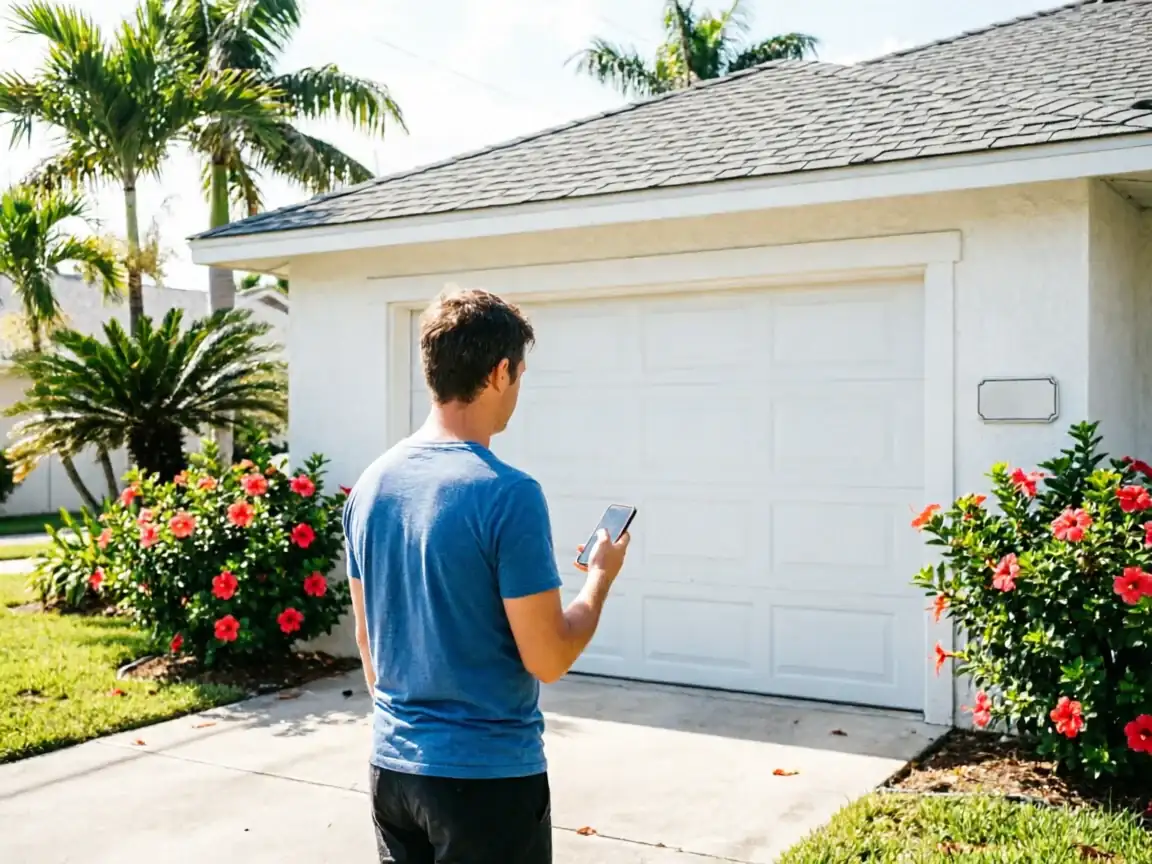
Wesley Chapel sits in a mild temperate band, so you don't get the hard freezes that crack opener gears in colder states or the deep heat spikes that cook circuit boards in desert climates. That's the good news. The less obvious news is that most of the opener hardware in this area is tied to houses built between 1970 and 2005, with the typical build year landing around 1988 across the 24 named areas that make up this part of the county. An opener installed with a house from that stretch has had decades to work through brush contacts, capacitors, and relay switches - parts that wear out on a schedule, not a season. You won't see the obvious seasonal swing that a Northern homeowner deals with, where a January cold snap finally kills a struggling motor. Here the failures are steadier and less predictable, which actually makes them easier to miss until a power cut forces the issue. If your opener hasn't been touched since the house was built or last changed hands, the wiring behind the unit is often the oldest system in the garage, mild weather or not.
When to Call Someone
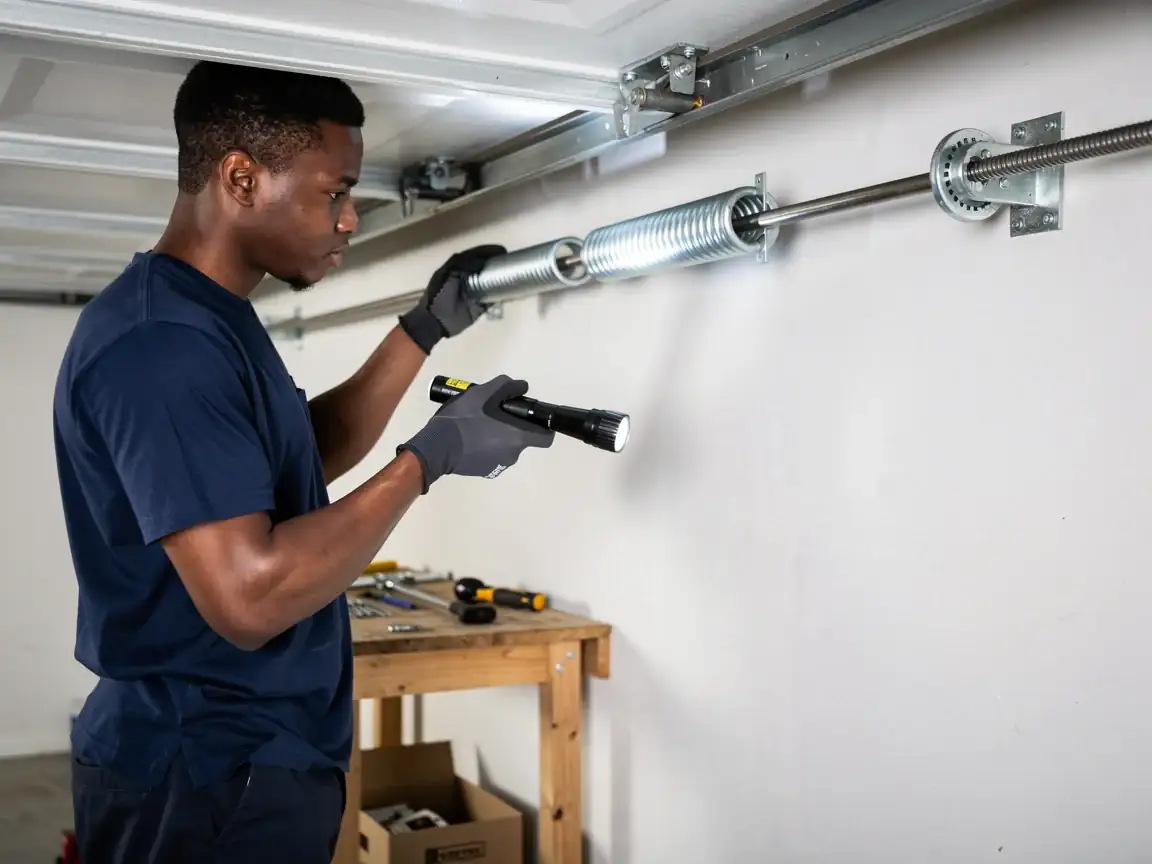
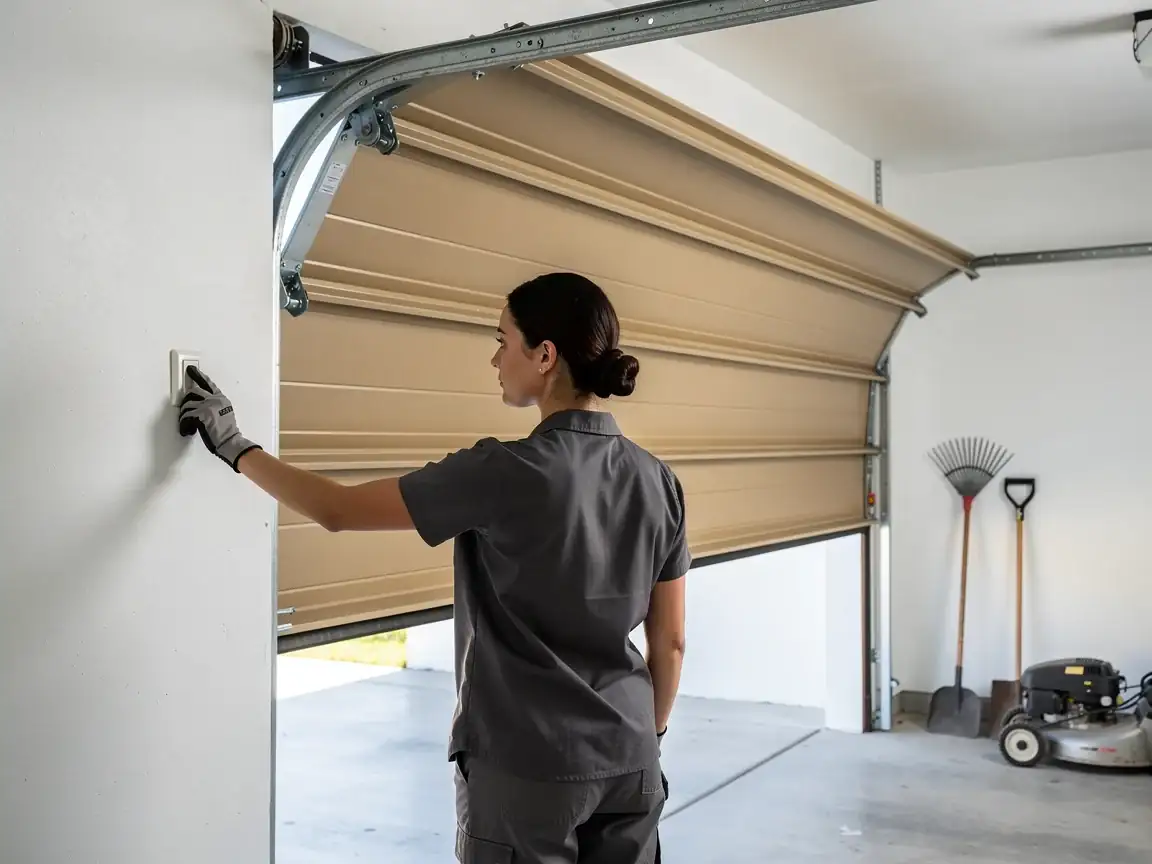
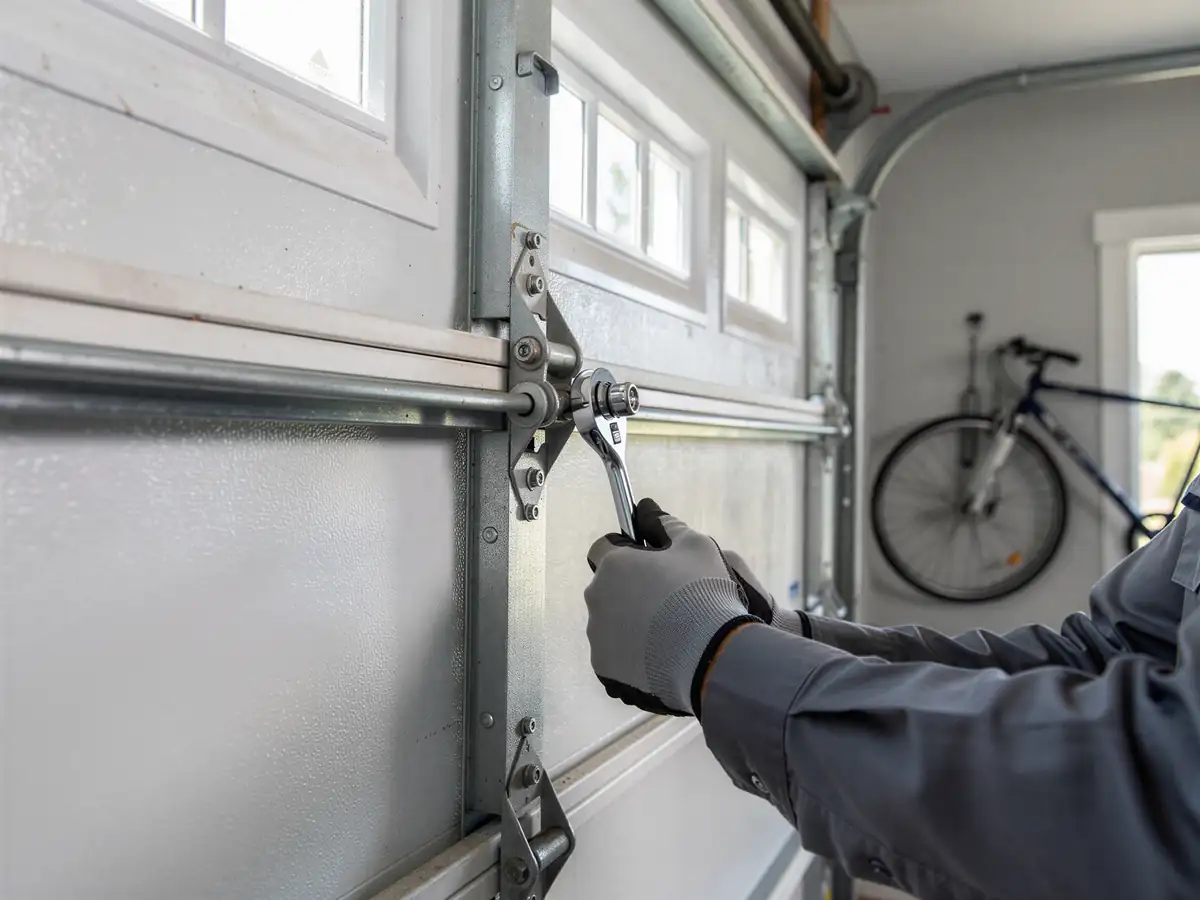
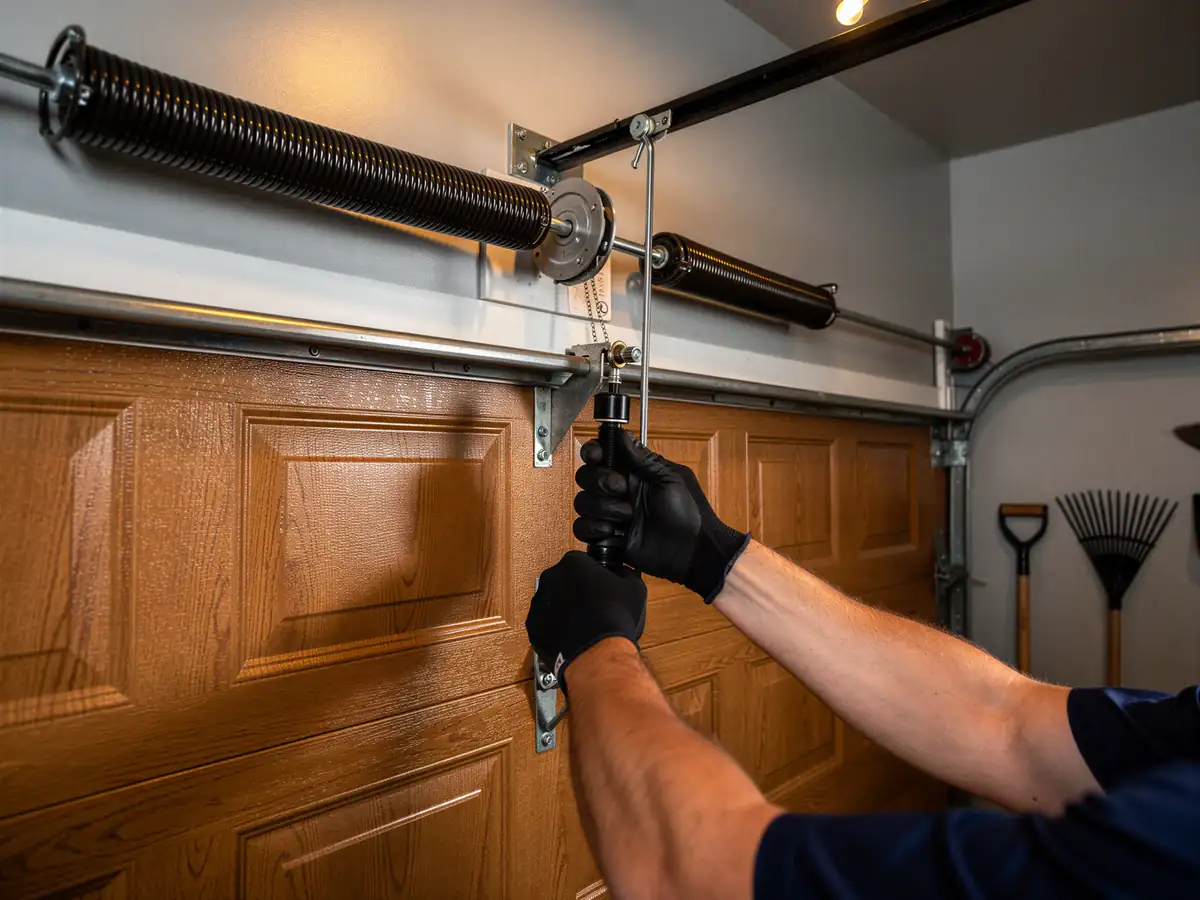
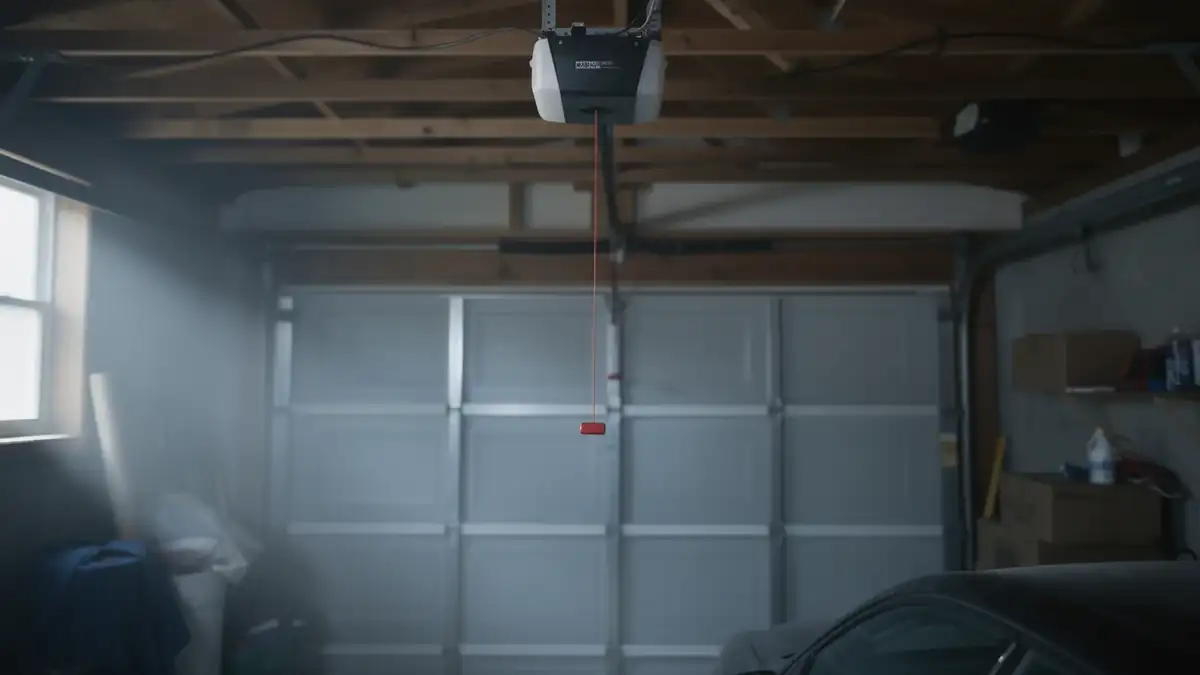
Call before you start pulling at the emergency release cord if you're not sure where it is or what it disconnects - on a door that's under spring tension, a release cord pulled at the wrong moment can drop a heavy panel fast. If your house falls in that 1970-2005 build range common across this area, the opener may be original or a mid-life replacement, and either way the release mechanism, bracket, and rail hardware won't match anything you'd find at a hardware store built for a newer unit. Call if the opener hums but the door doesn't move after a power cut - that's usually a stripped gear or a logic board that didn't reset clean, not something a reset button fixes. Call if the door moves but stutters, since that's often a worn capacitor losing its charge under load, a common failure point on units that have been running continuously for fifteen-plus years. We don't recommend rewiring your own opener circuit - that's electrical work past what a service call on the door itself covers, and it's worth a licensed electrician's time, not ours.
How Local Conditions Play In
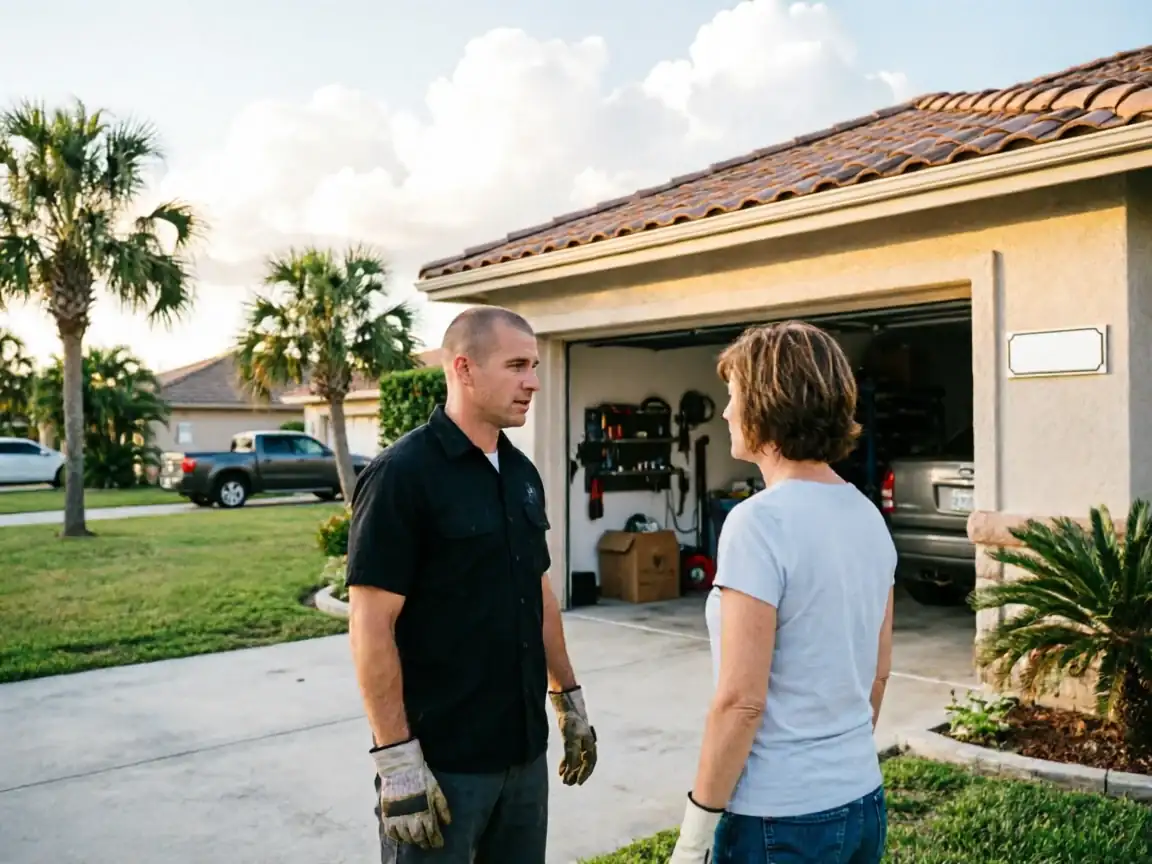
Across the roughly 130,044 households and 51,757 owner-occupied houses in this service area, the opener fleet skews toward the same build era as the homes - 1980s and 90s units are common, and a mild climate means they don't get stress-tested by extreme heat or cold the way openers do elsewhere, so a failing unit often limps along for years before it fully quits. That's part of why a power cut catches people off guard: the opener seemed fine right up until the moment it had to recover from one. Nearby pockets like and the broader area share this same housing-age profile, so the pattern isn't unique to one street - it's a function of when this whole corridor was built out. If you're in one of the older sections and your opener has never been swapped, a battery-backup upgrade is worth pricing against a full opener swap, since by the time an original unit from that era fails outright, the rest of the drive system is usually close behind it.