Getting Here
Pebble Creek sits about 4 miles from our shop in Wesley Chapel, a short run down the main corridor that connects the two. We don't keep a second location in Pebble Creek itself - every truck that shows up for a spring, opener, or panel job rolls out from Wesley Chapel, same as it does for the rest of our coverage area. That short distance matters for one practical reason: same-day scheduling is easier to hold here than it is for the towns out past the 15-mile mark, simply because the drive is shorter. We're not going to promise a response window we don't have in writing, but geography is on your side if you're calling from this part of the map. If you're not sure whether your address falls inside Pebble Creek's boundary or spills into one of the subdivisions just past it, give us the cross streets when you call and we'll sort it out before a truck leaves.
Old Streets and New Ones
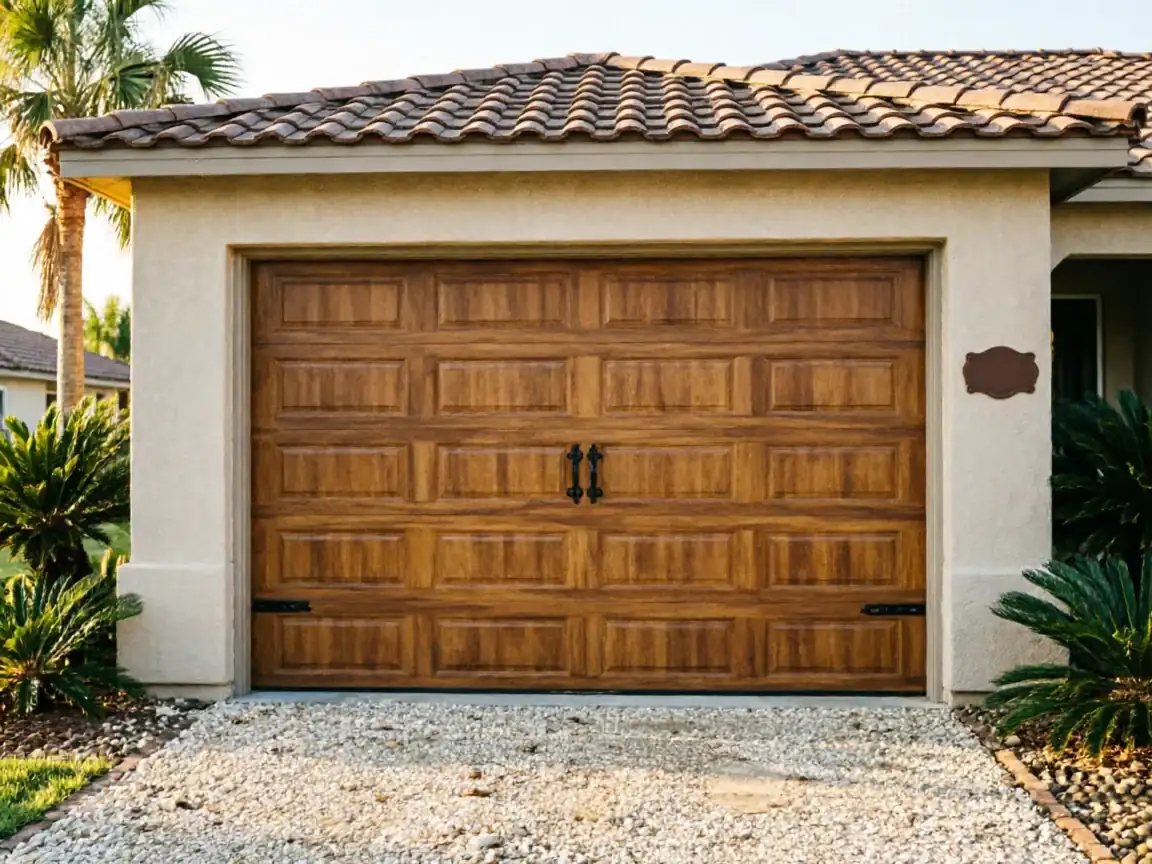
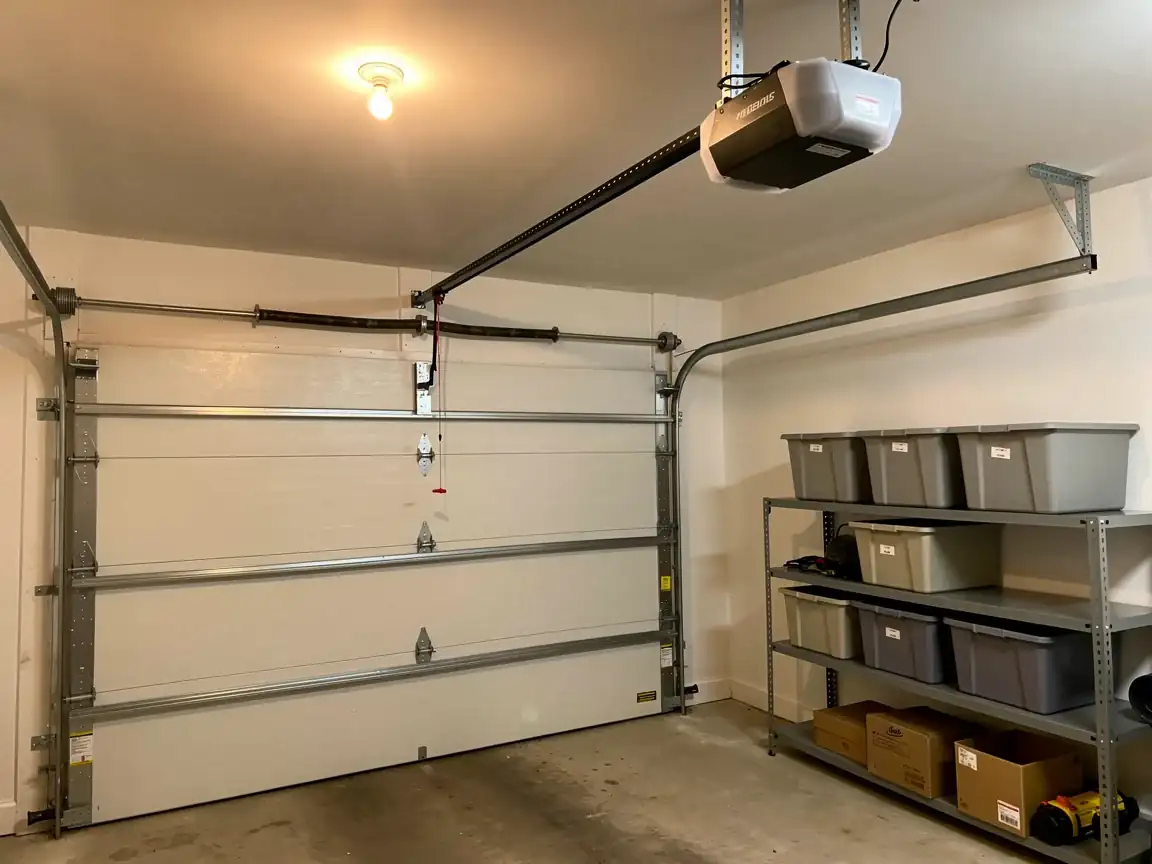
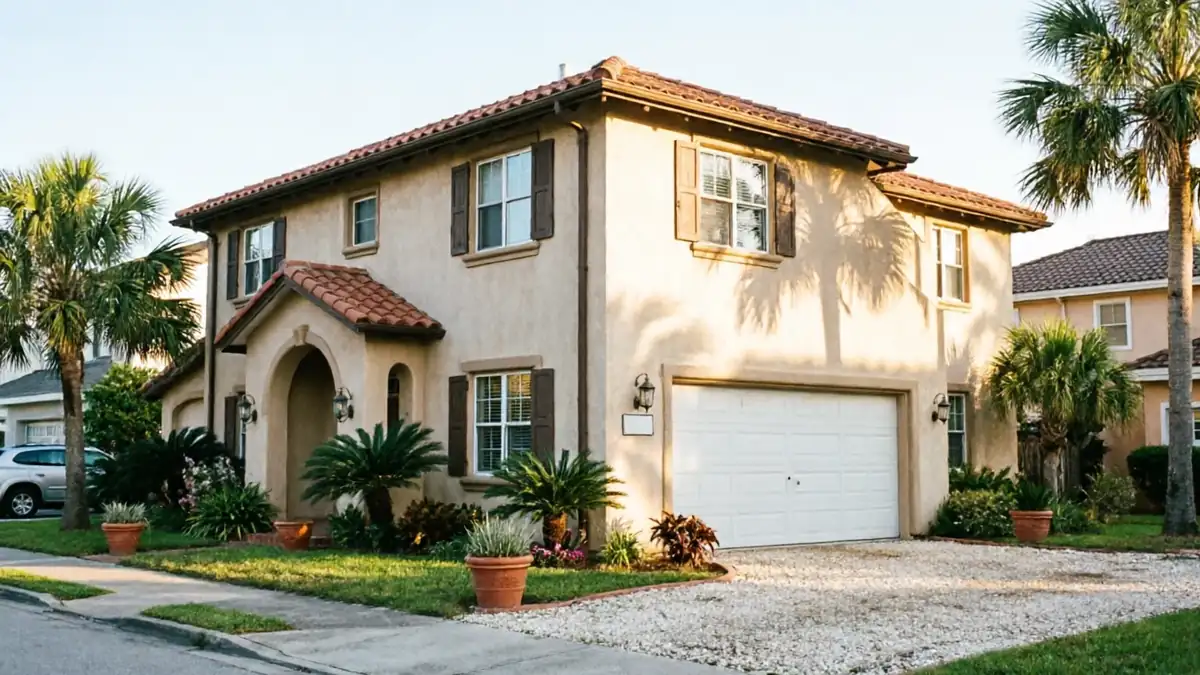
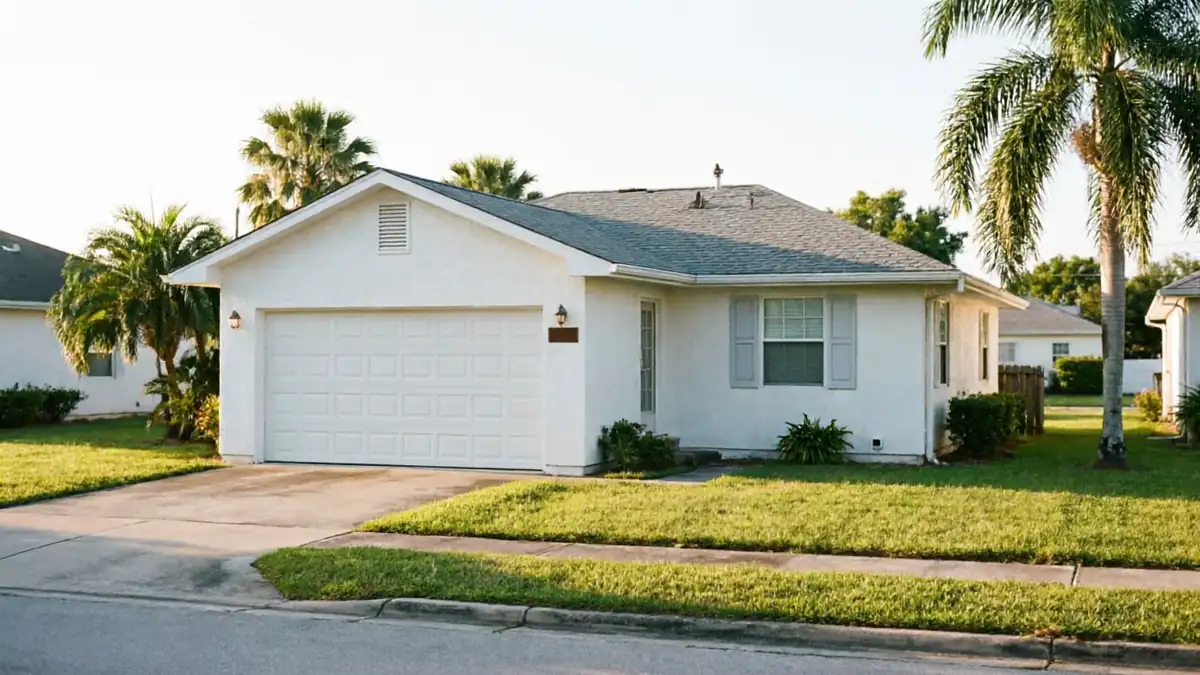
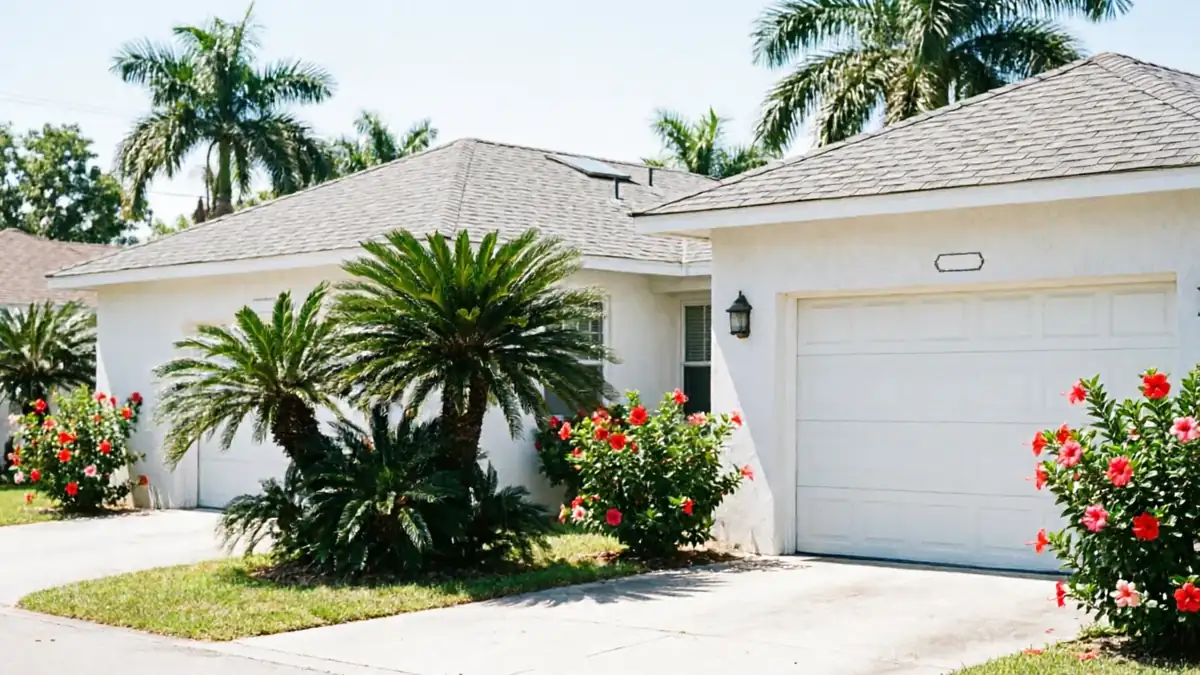
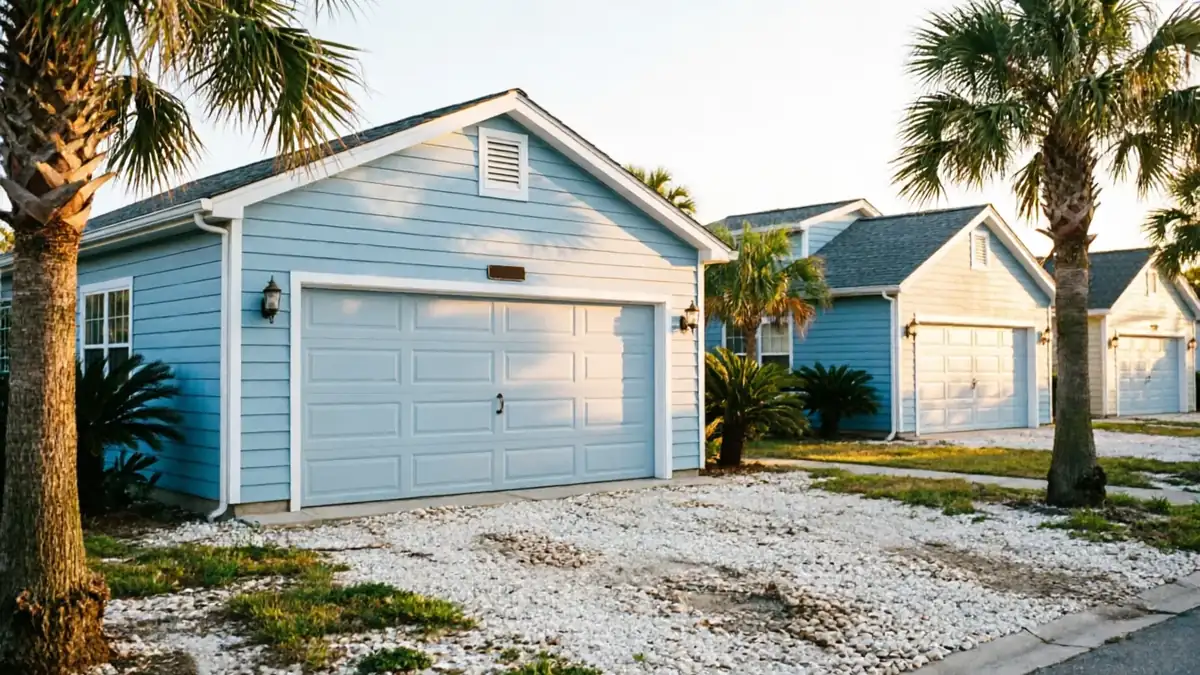
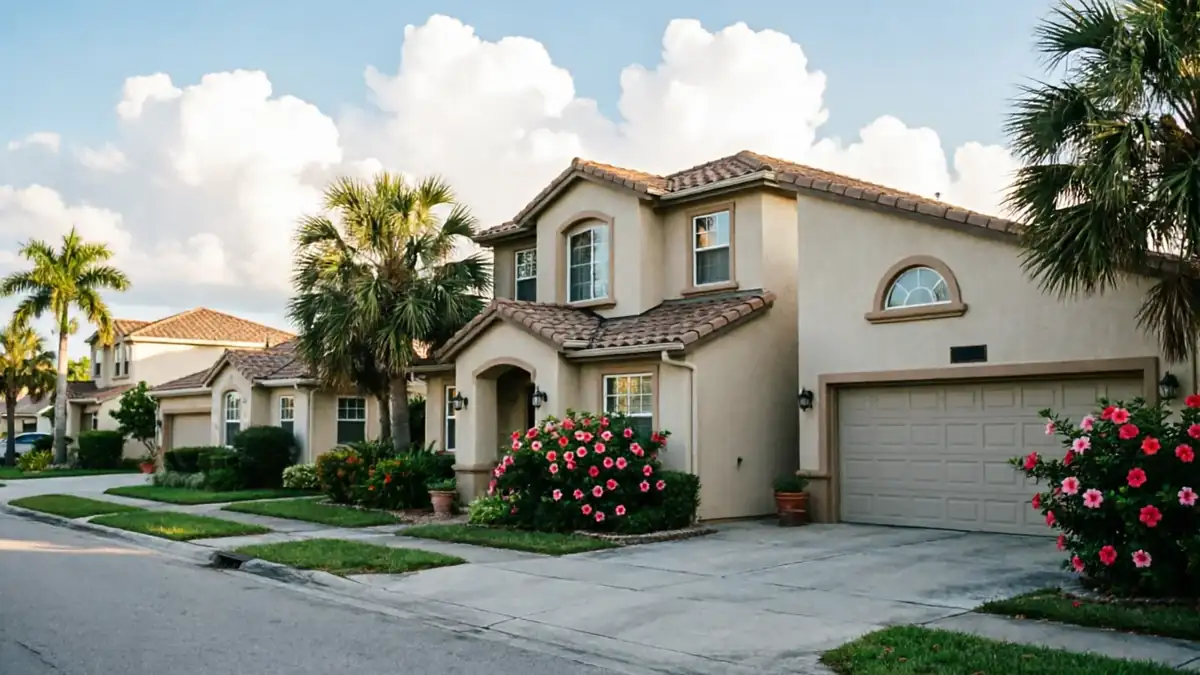
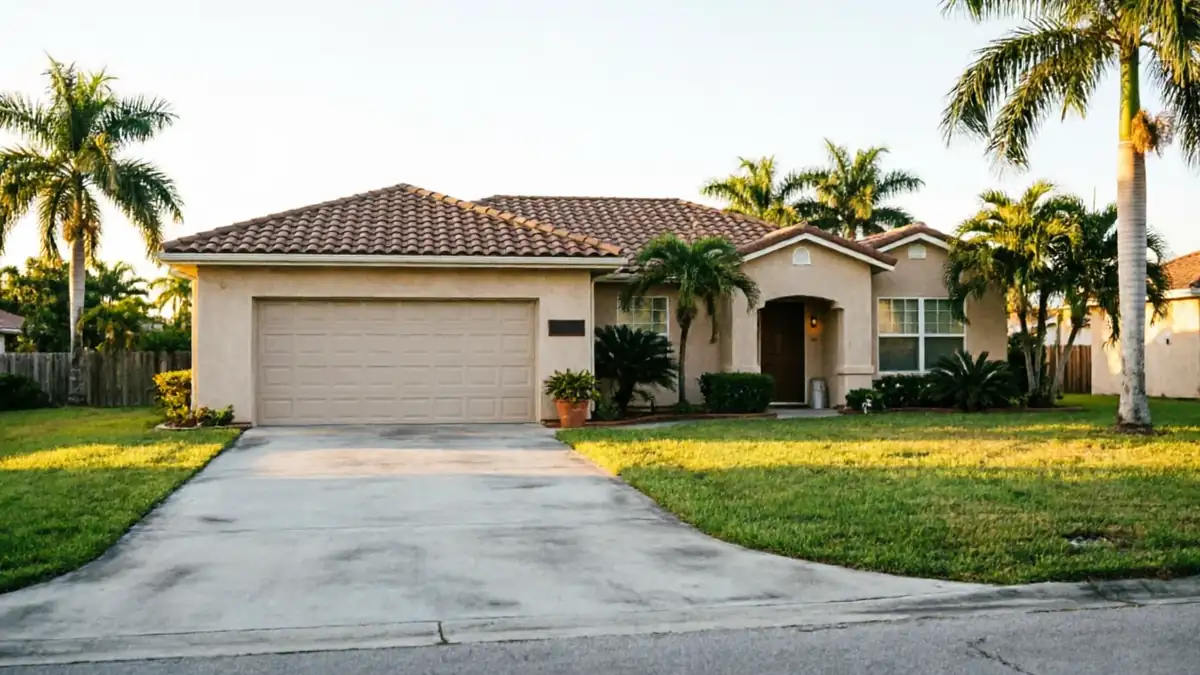
The wider service area we cover is a mix of housing built anywhere from 1970 to 2005, with a lot of it clustered in the 1980s and 90s across two dozen named communities. Pebble Creek doesn't fit that pattern. Homes here mostly went up around 2002, which puts this neighborhood on the newer end of everything we service, closer in age to growth-era subdivisions like than to the older pockets scattered through places like Thonotosassa or Dade City. That ten-to-thirty year gap sounds small until you're the one standing in front of a door built to a different set of specs. A door and opener installed in 2002 was built under different hardware standards and different market defaults than one installed in 1985, and that shows up in everything from the gauge of the panel to how the opener talks to its sensors.
The Houses Here
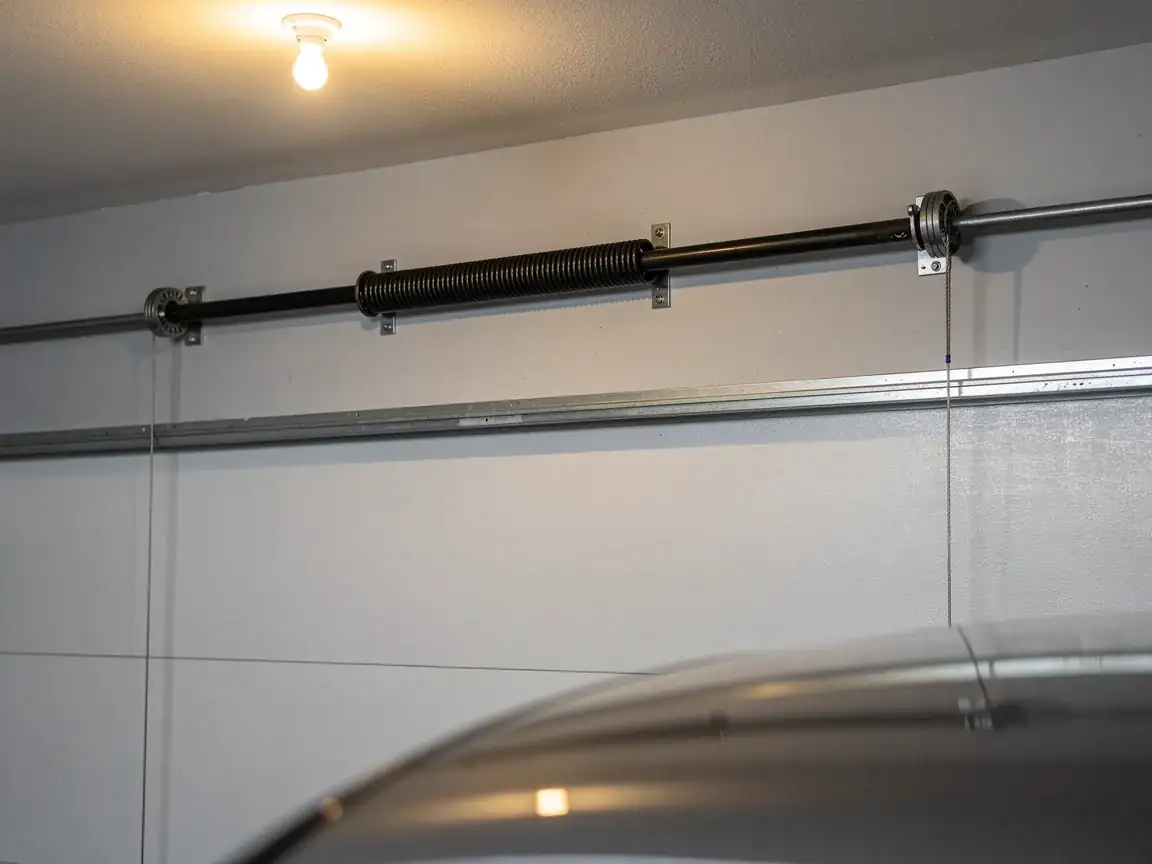
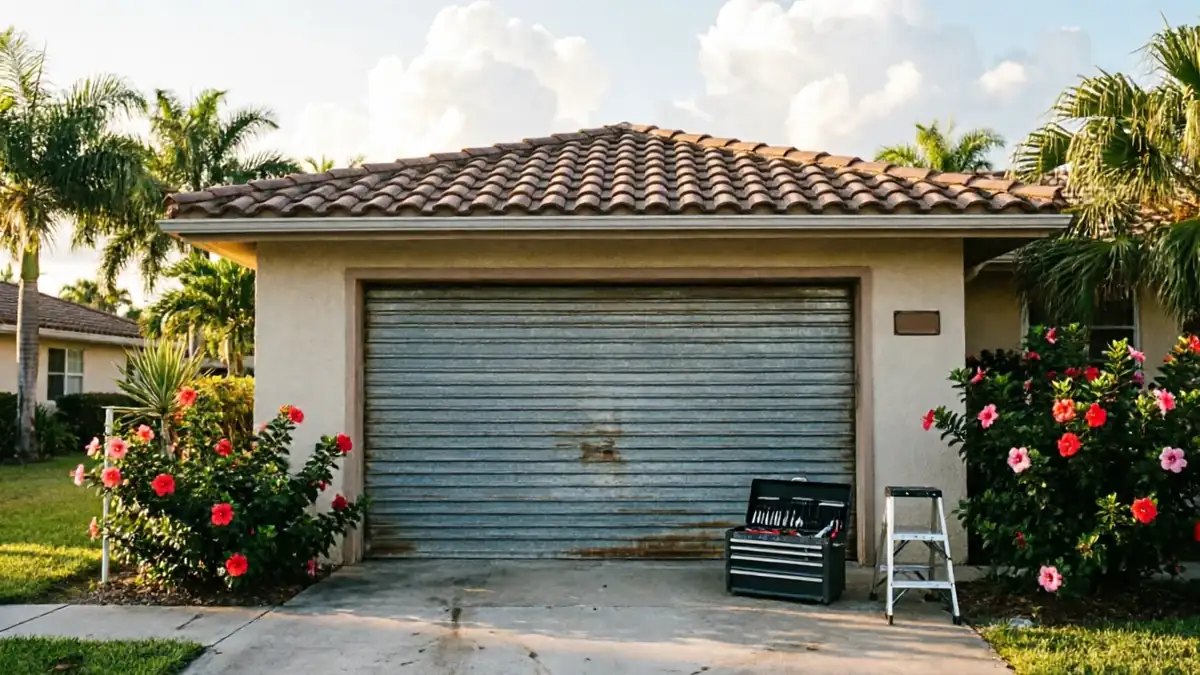
Pebble Creek has roughly 3,645 households, a fraction of the 130,044 across the full service area, and the income picture here runs well above the area-wide median - about $109,375 here versus $63,145 across the broader coverage zone. That matters less for how a door breaks and more for how owners tend to handle it: fewer people here are stretching a repair out past the point it should've been done. The mild temperate climate across this whole region means we're not fighting the hard freeze-thaw cycles that crack panels or seize hardware in colder parts of the country, so most of what fails on a door this age fails from use and cycle count, not weather. Expect spring fatigue, worn rollers, and opener sensor drift before you expect rust or warped panels. It's a simpler set of problems than older housing stock throws at us, which is one upside to a neighborhood built all at once in the early 2000s.