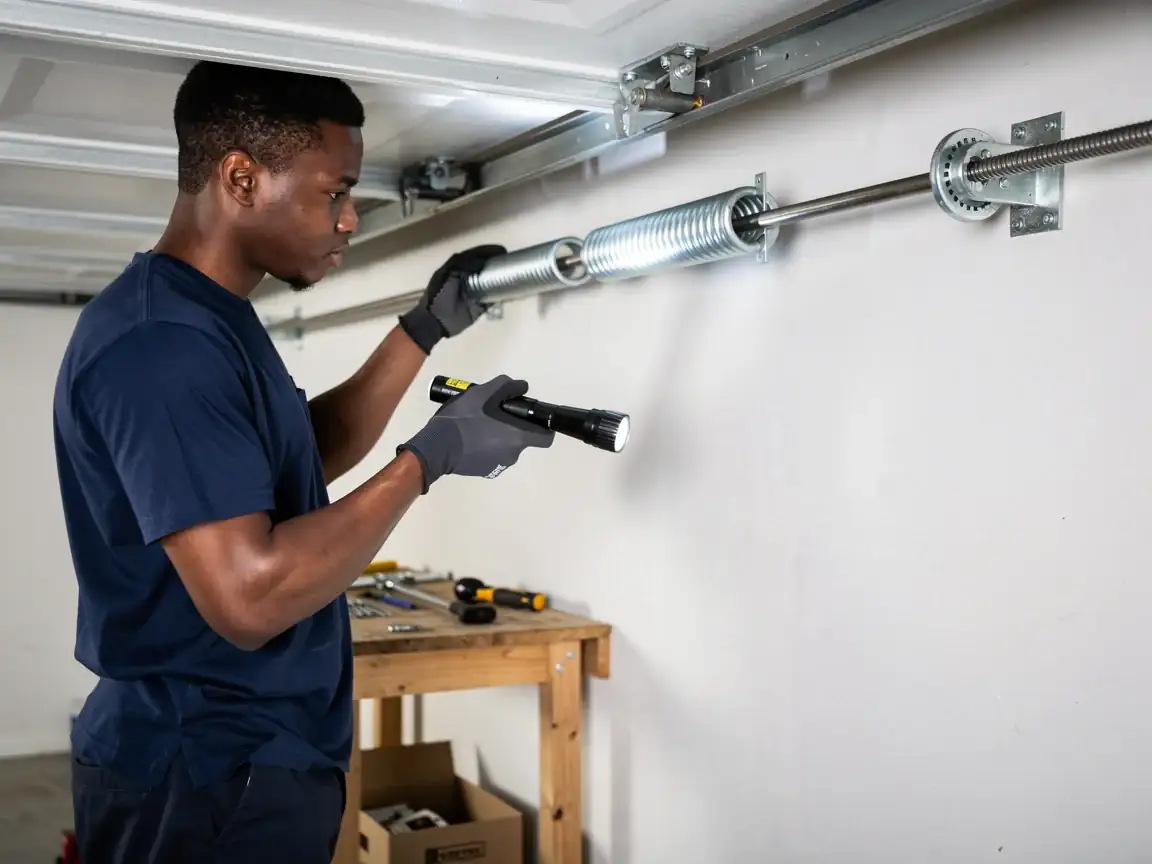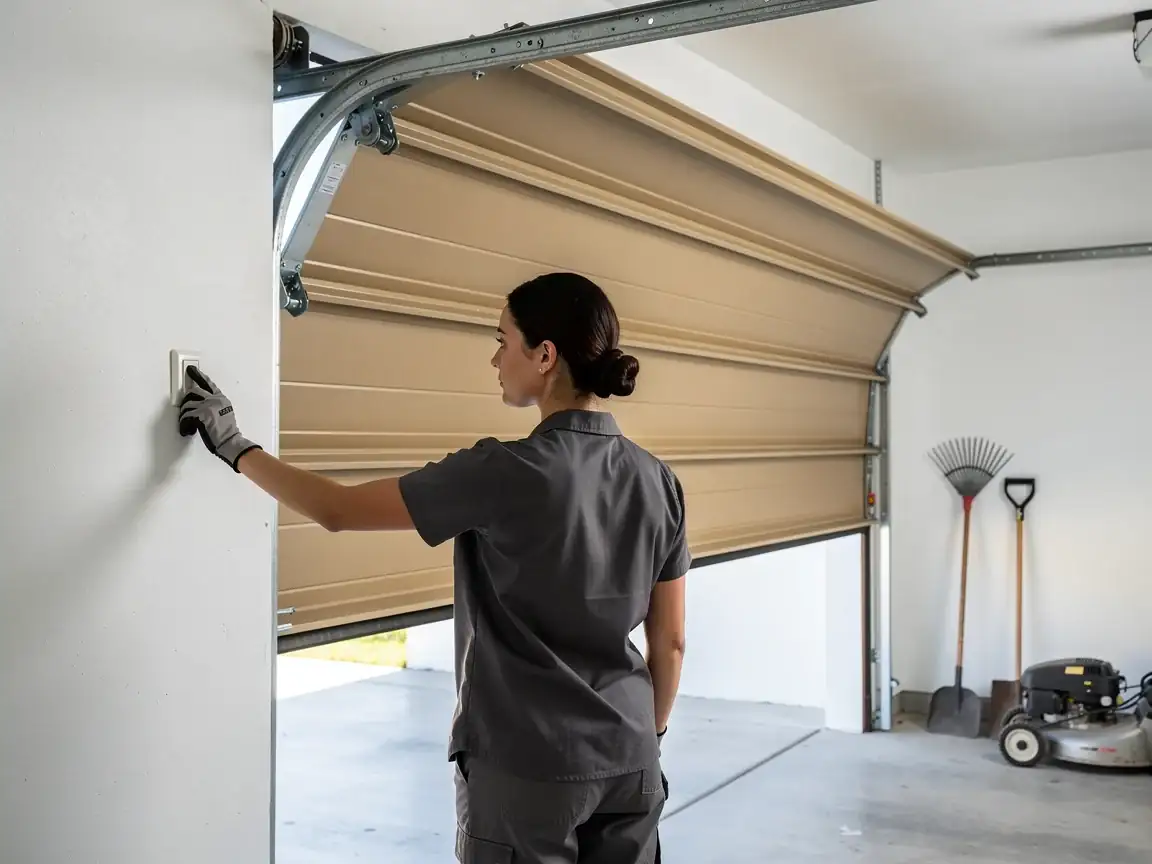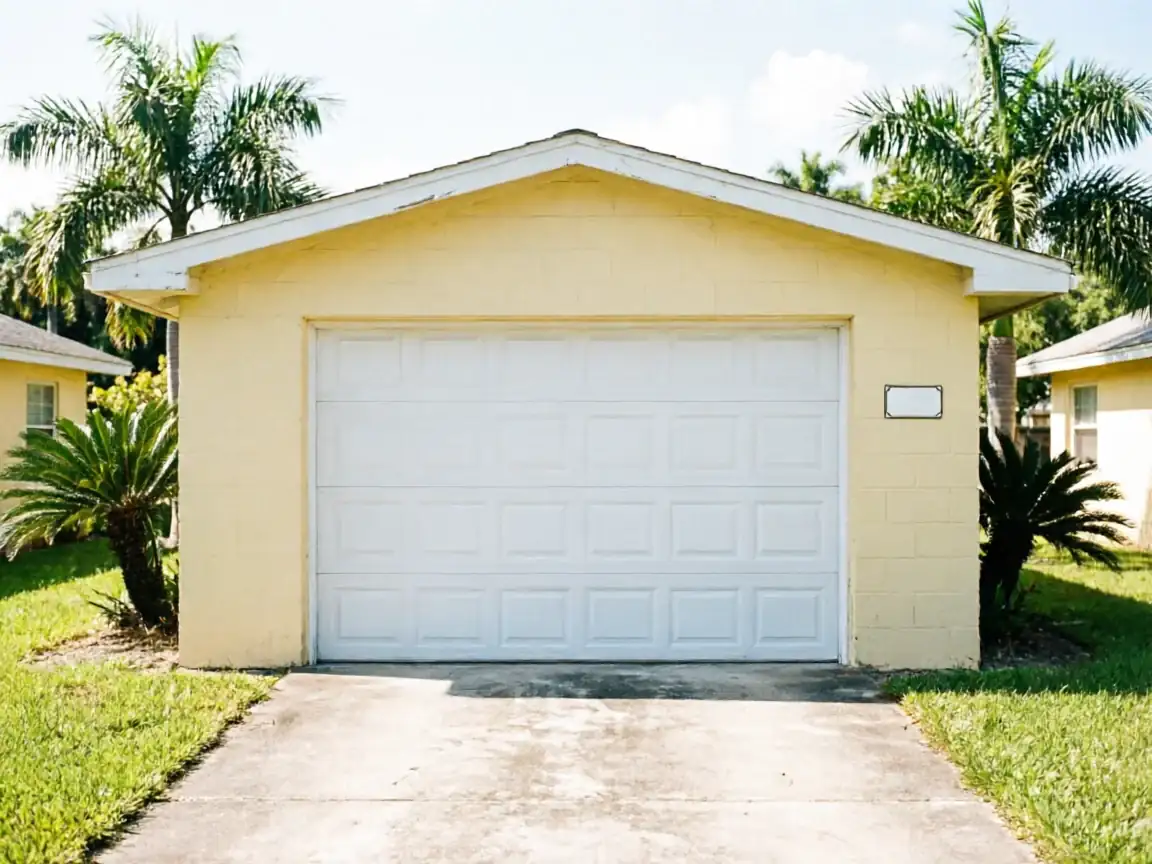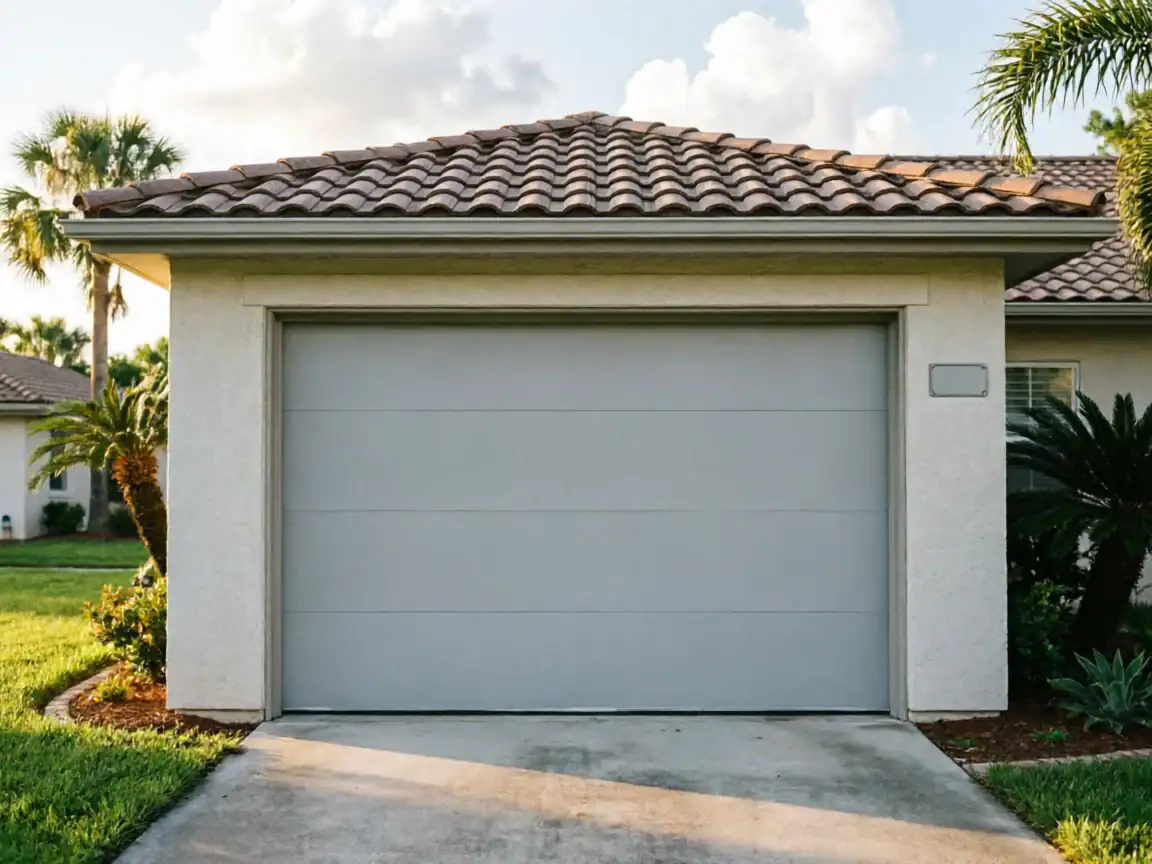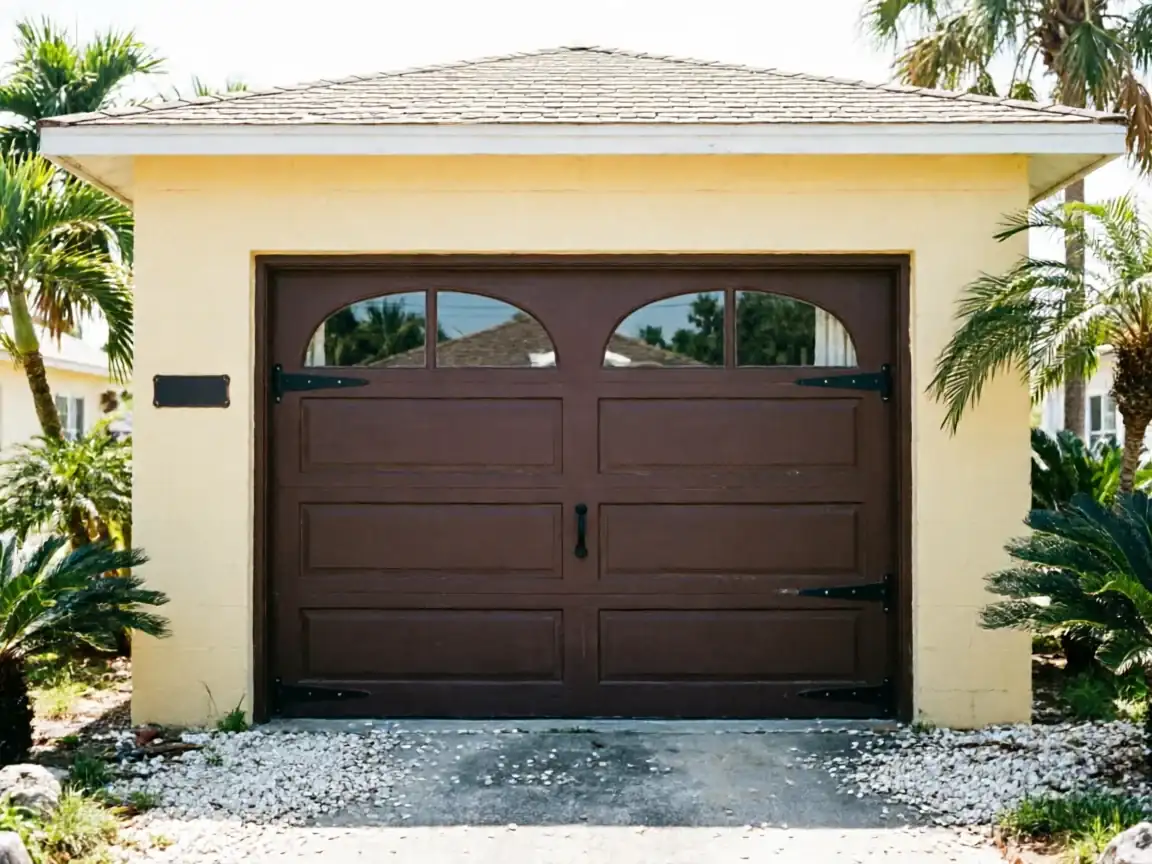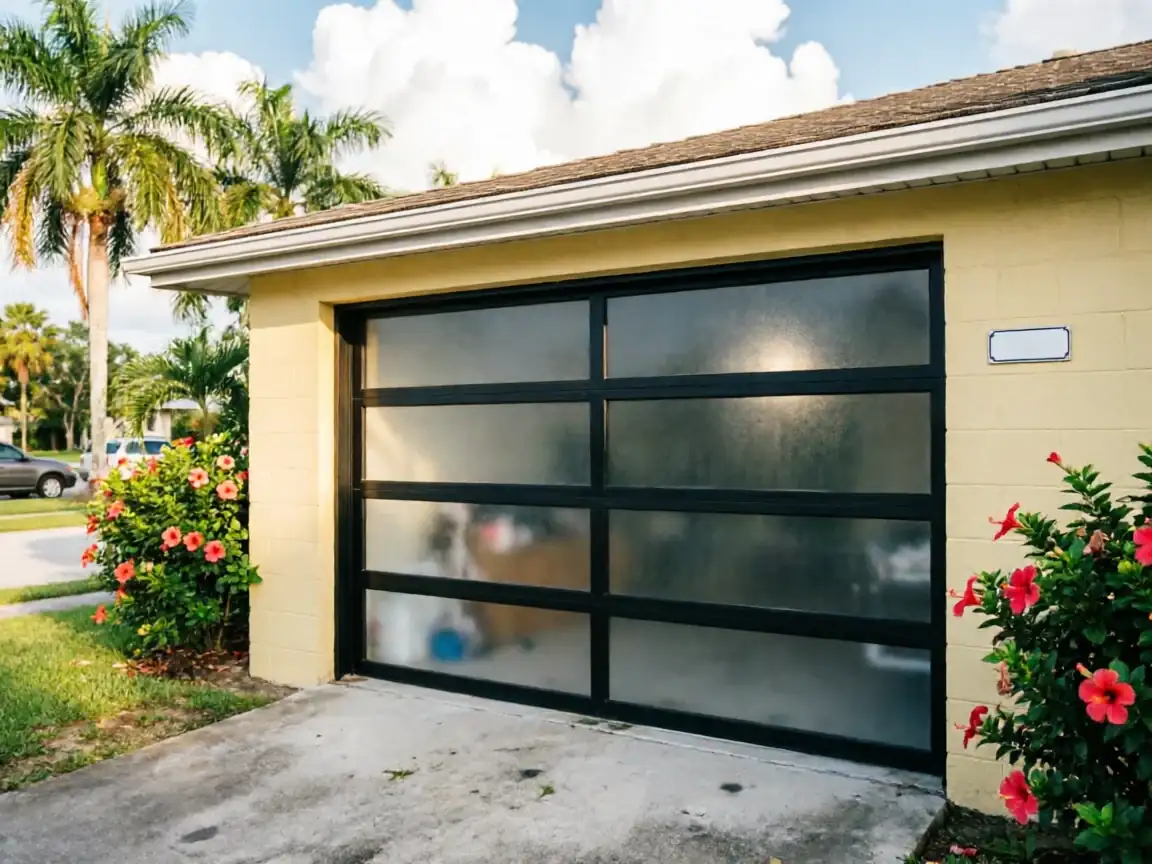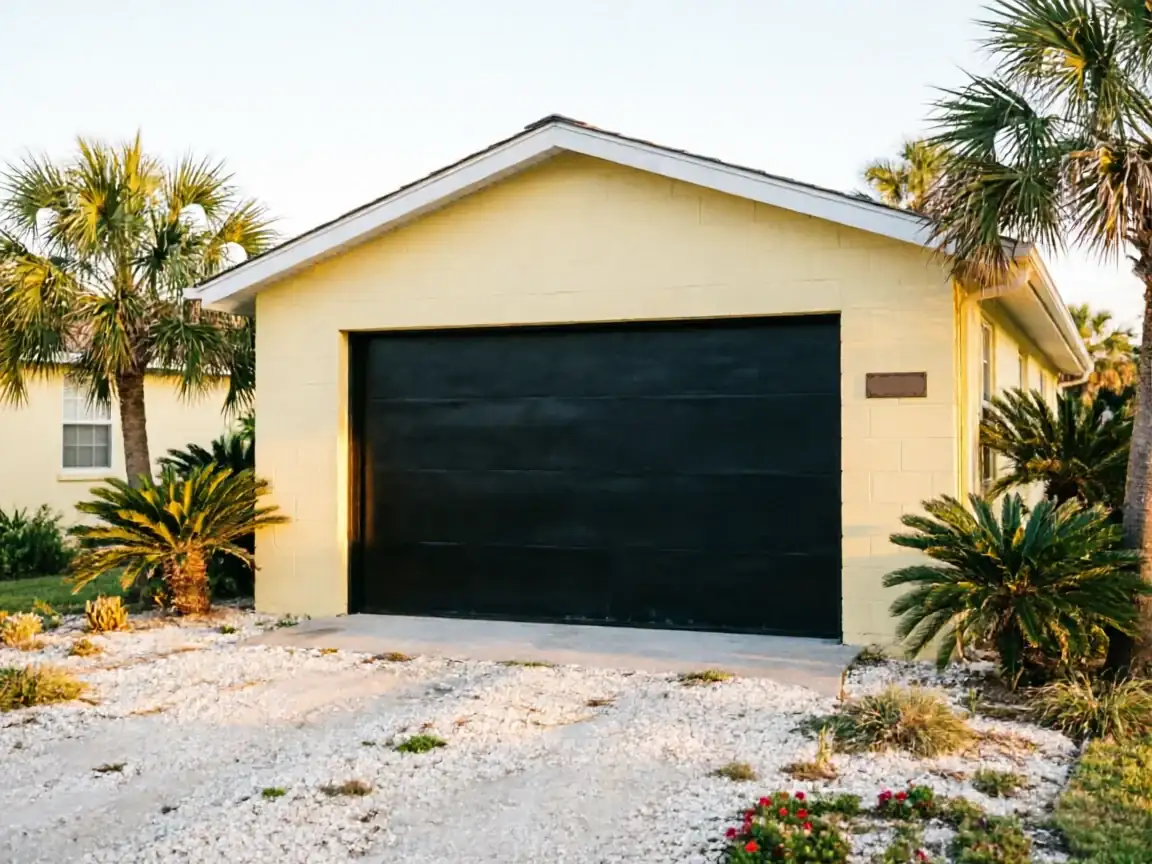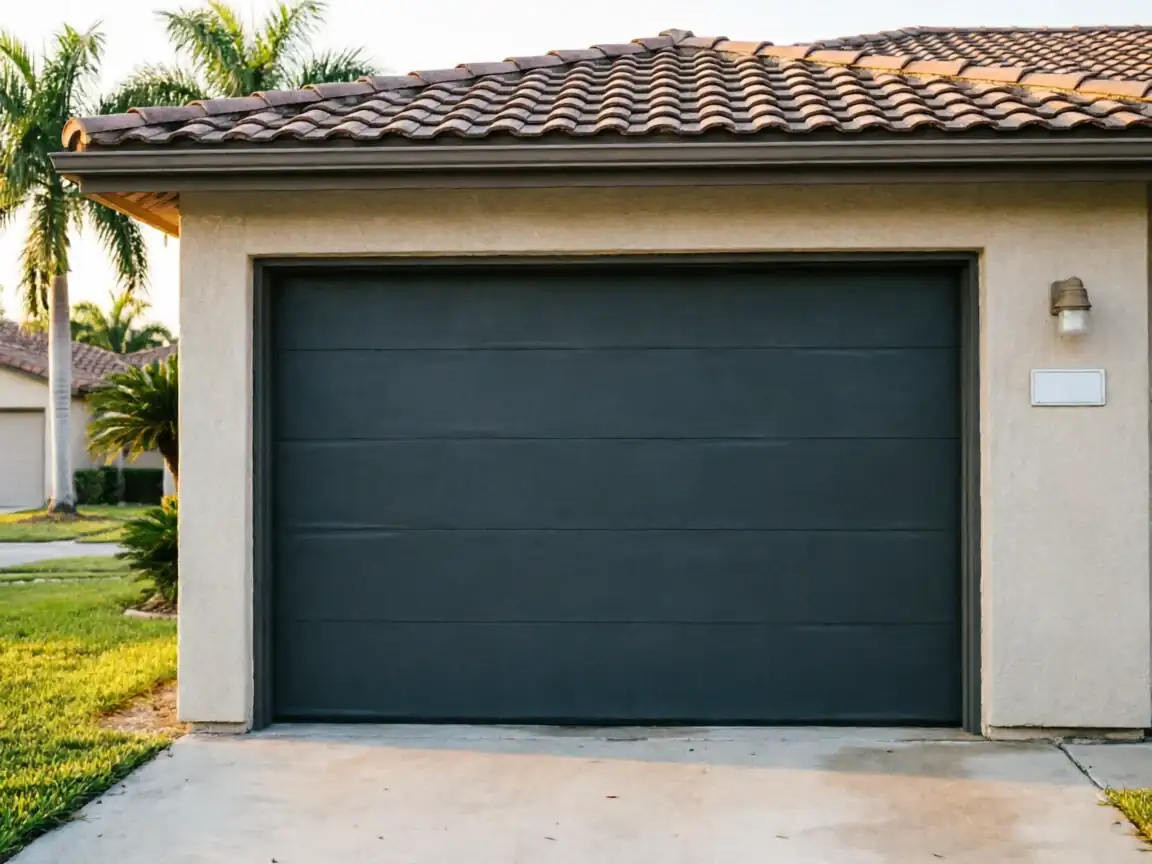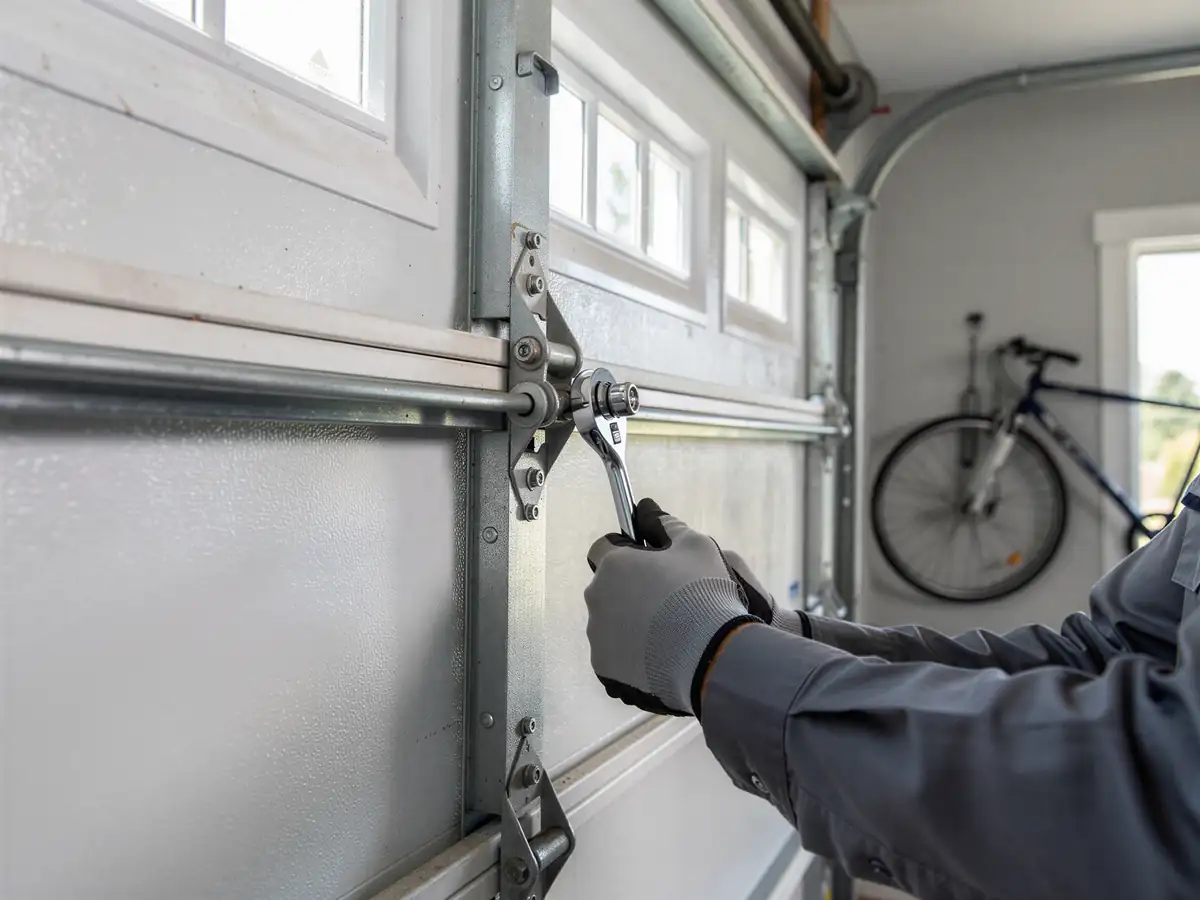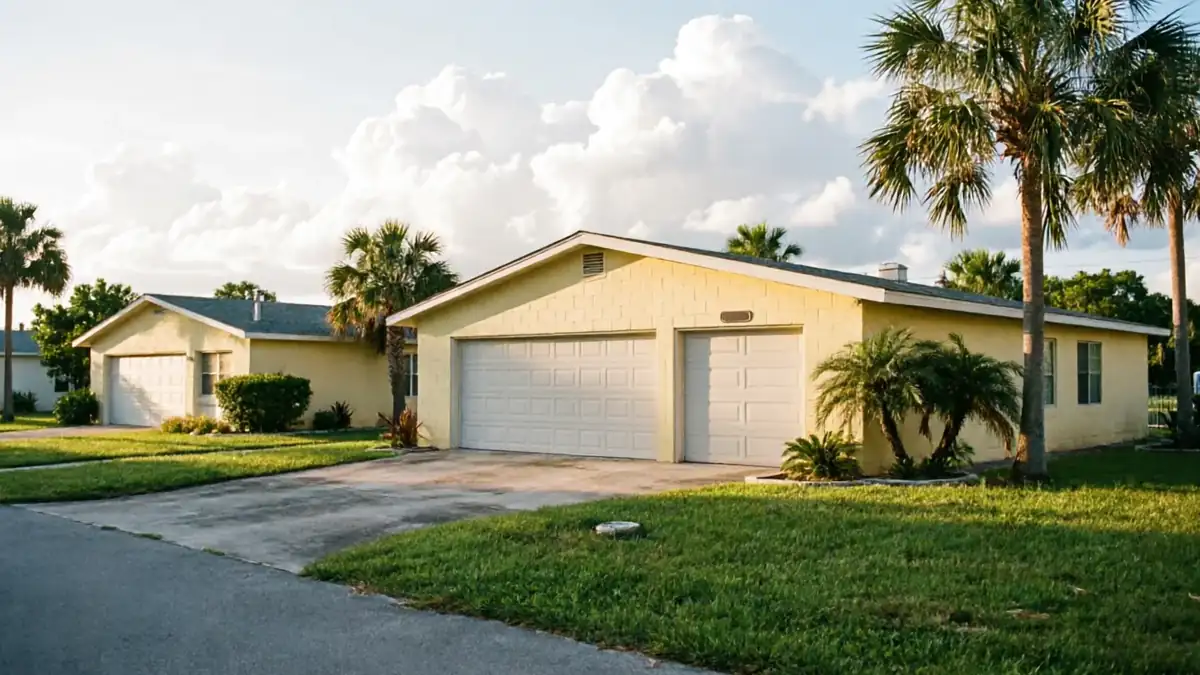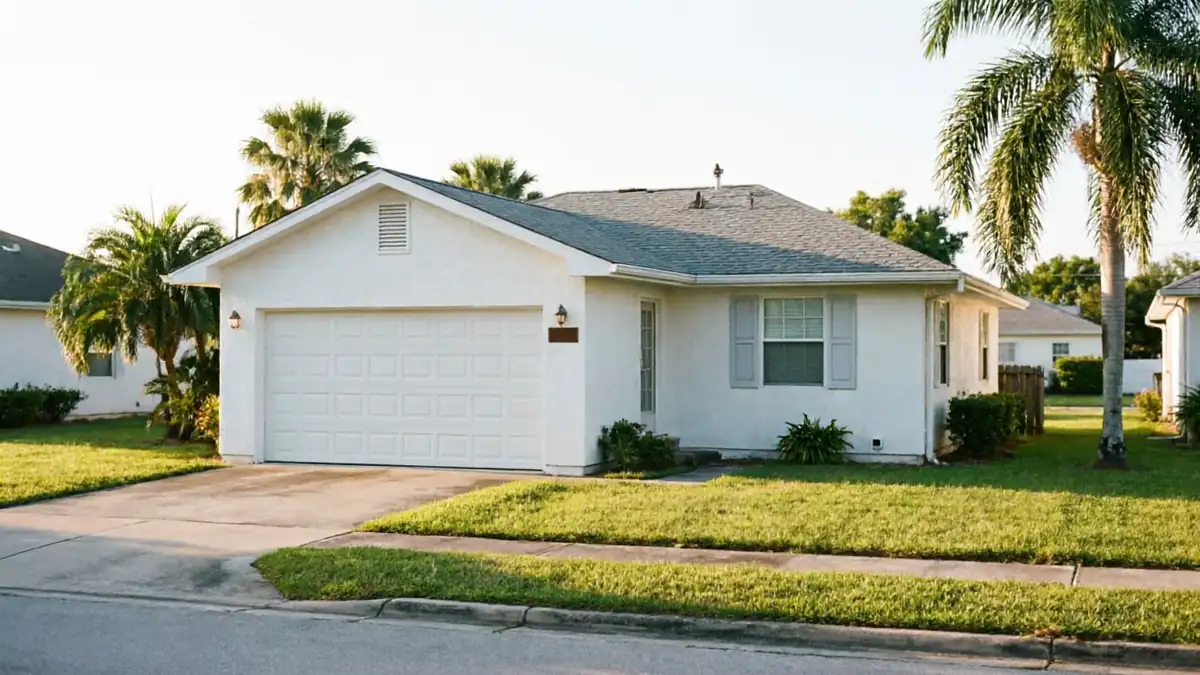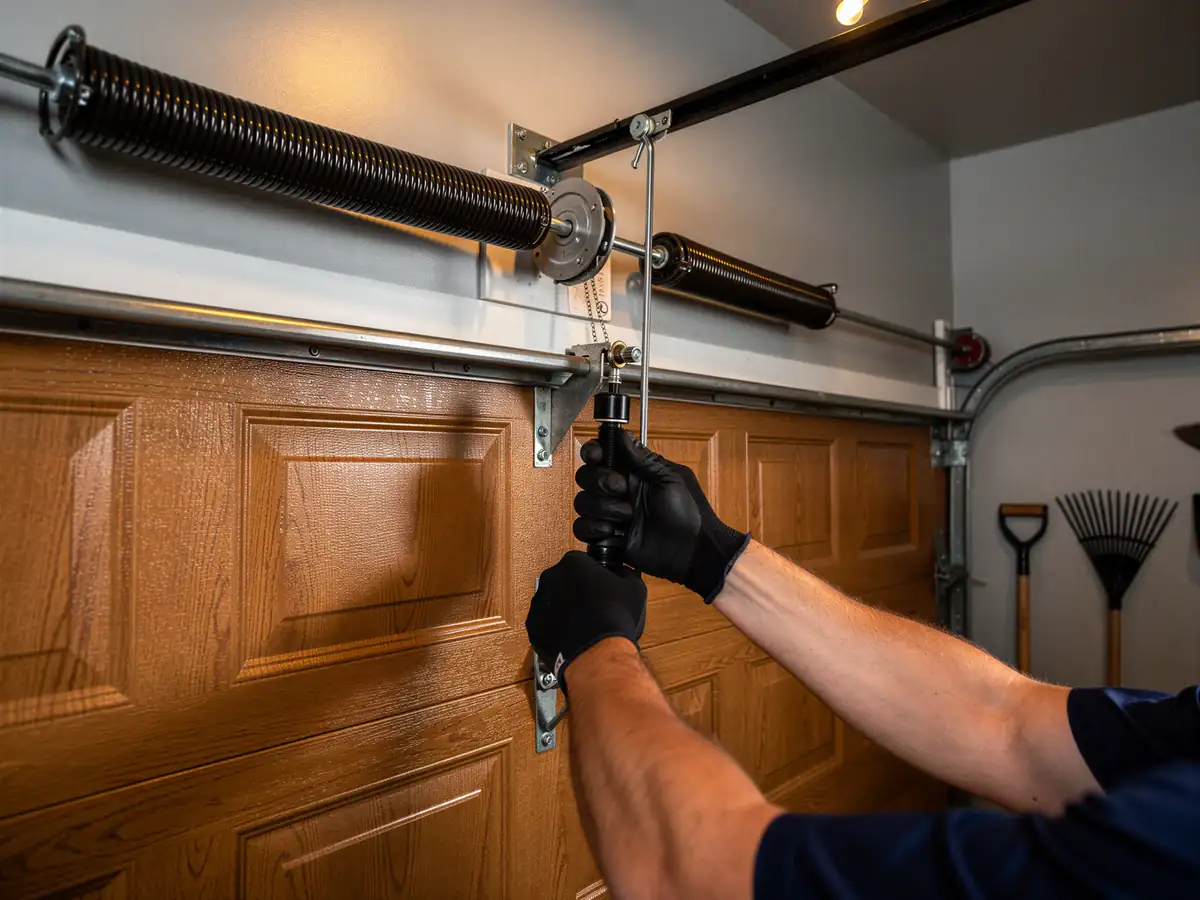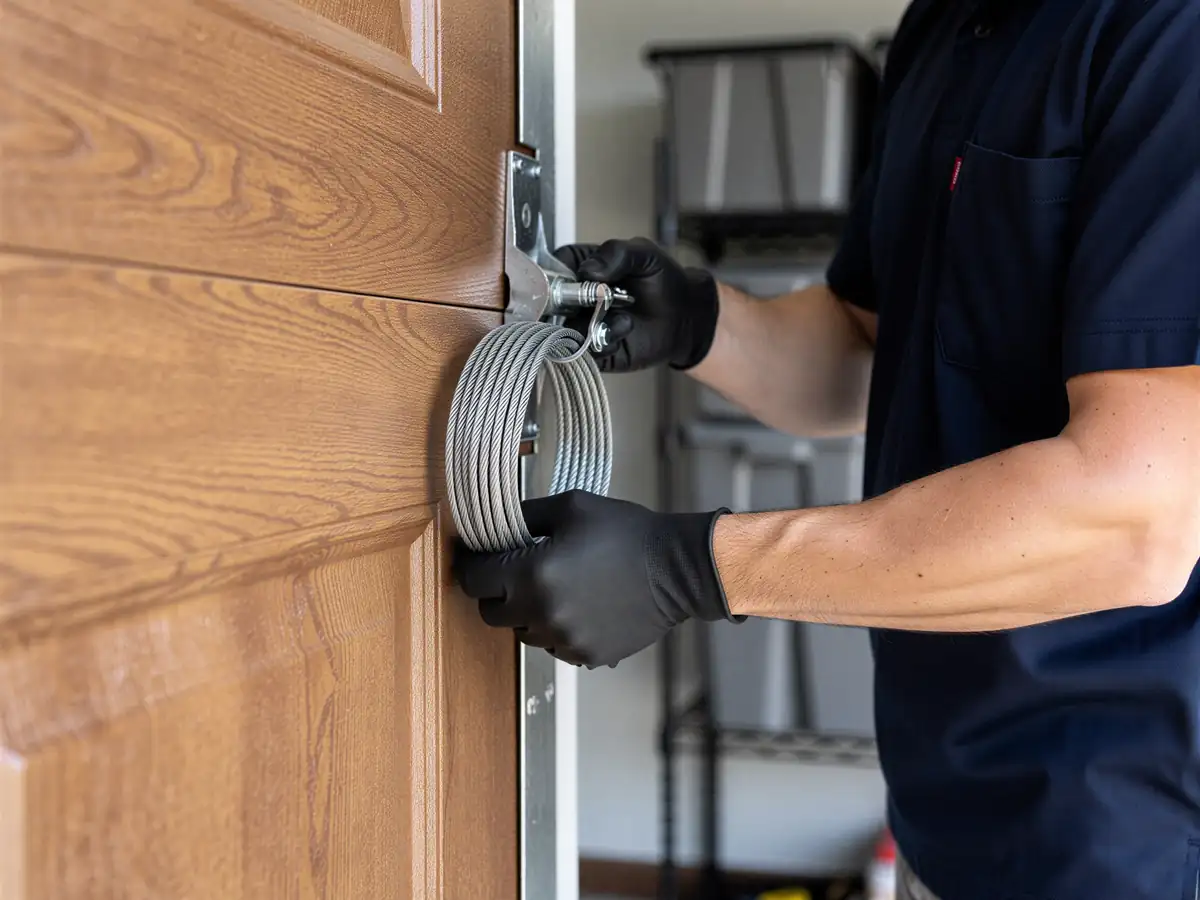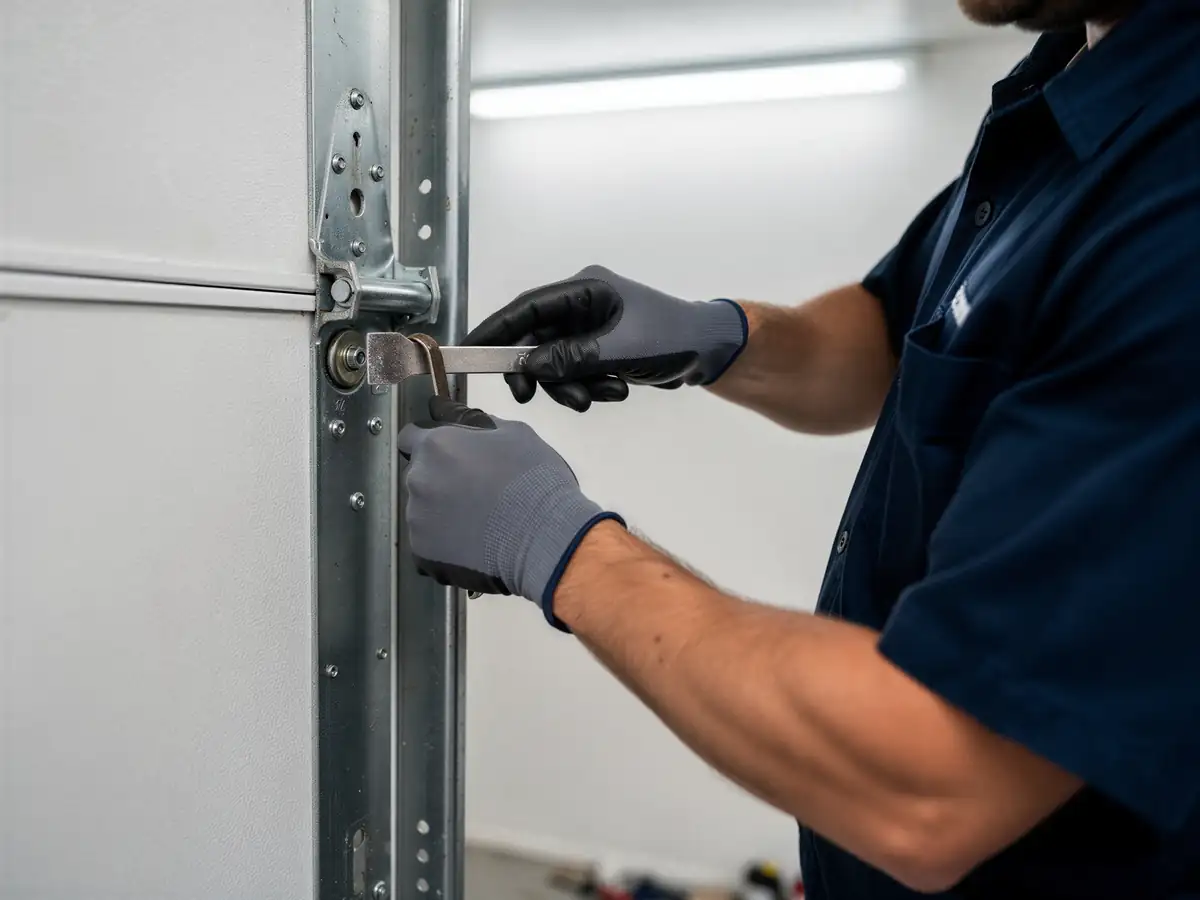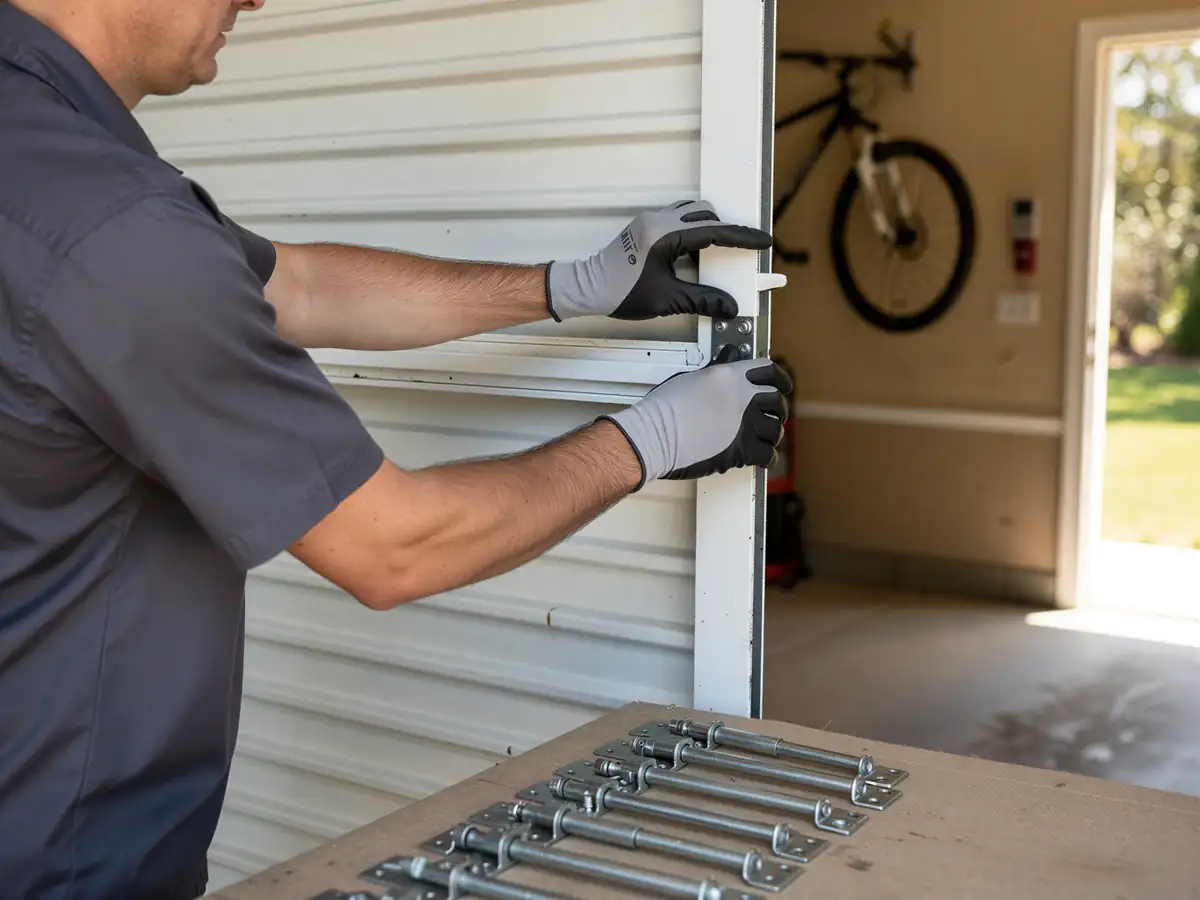
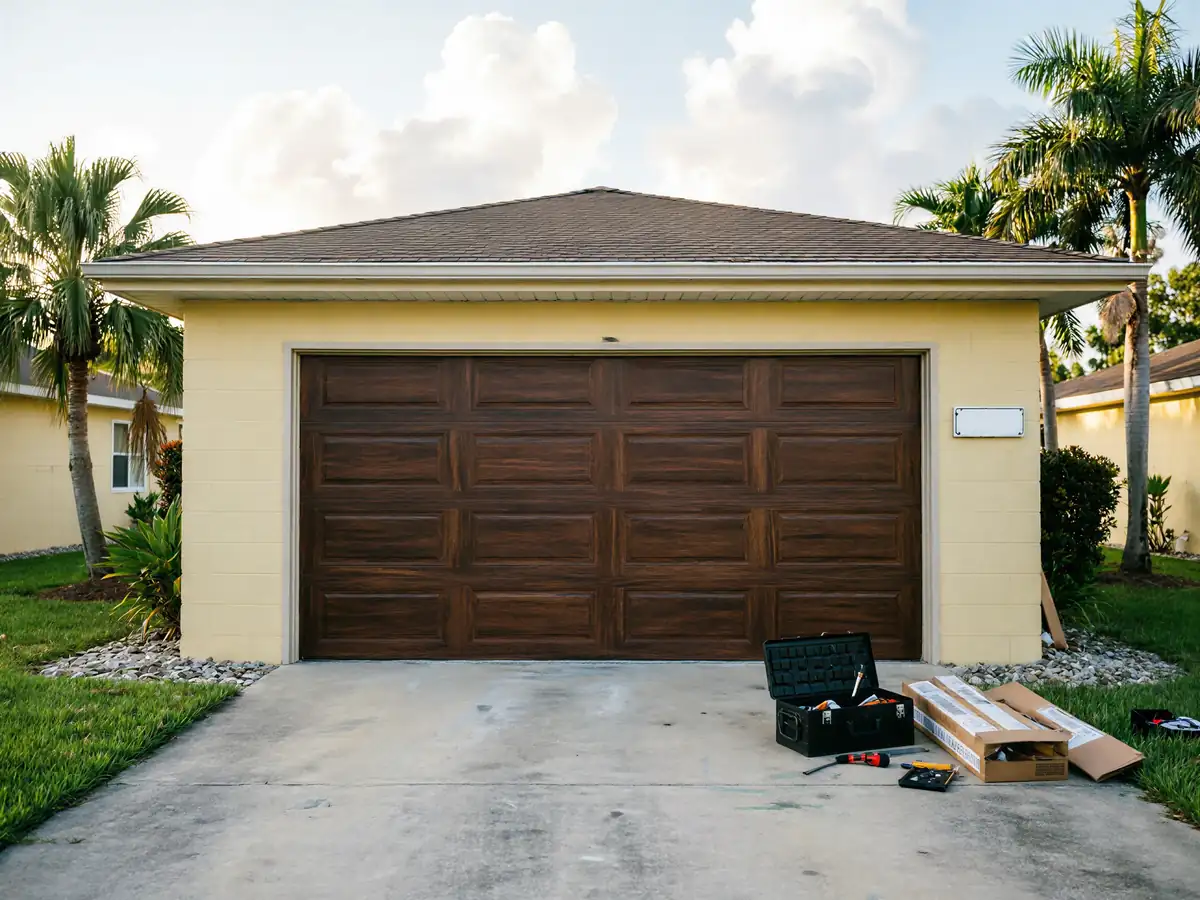
What You Are Seeing
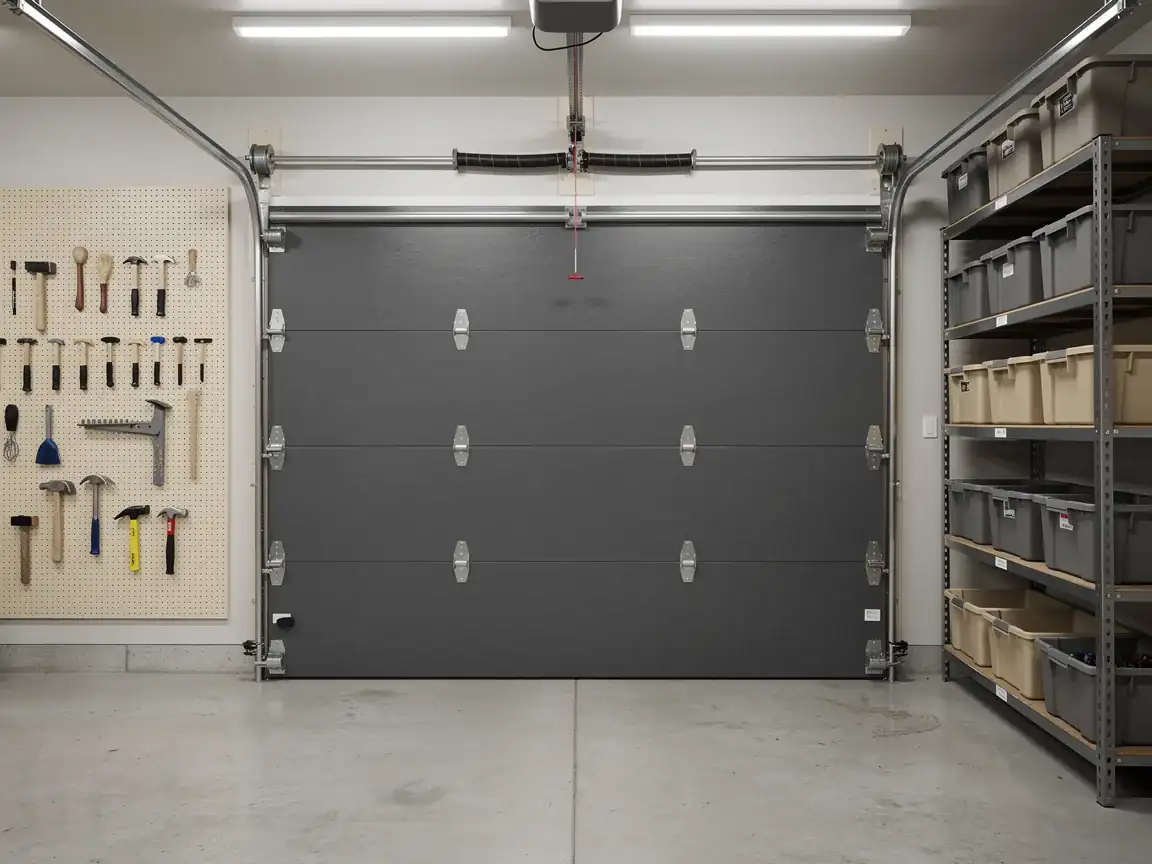
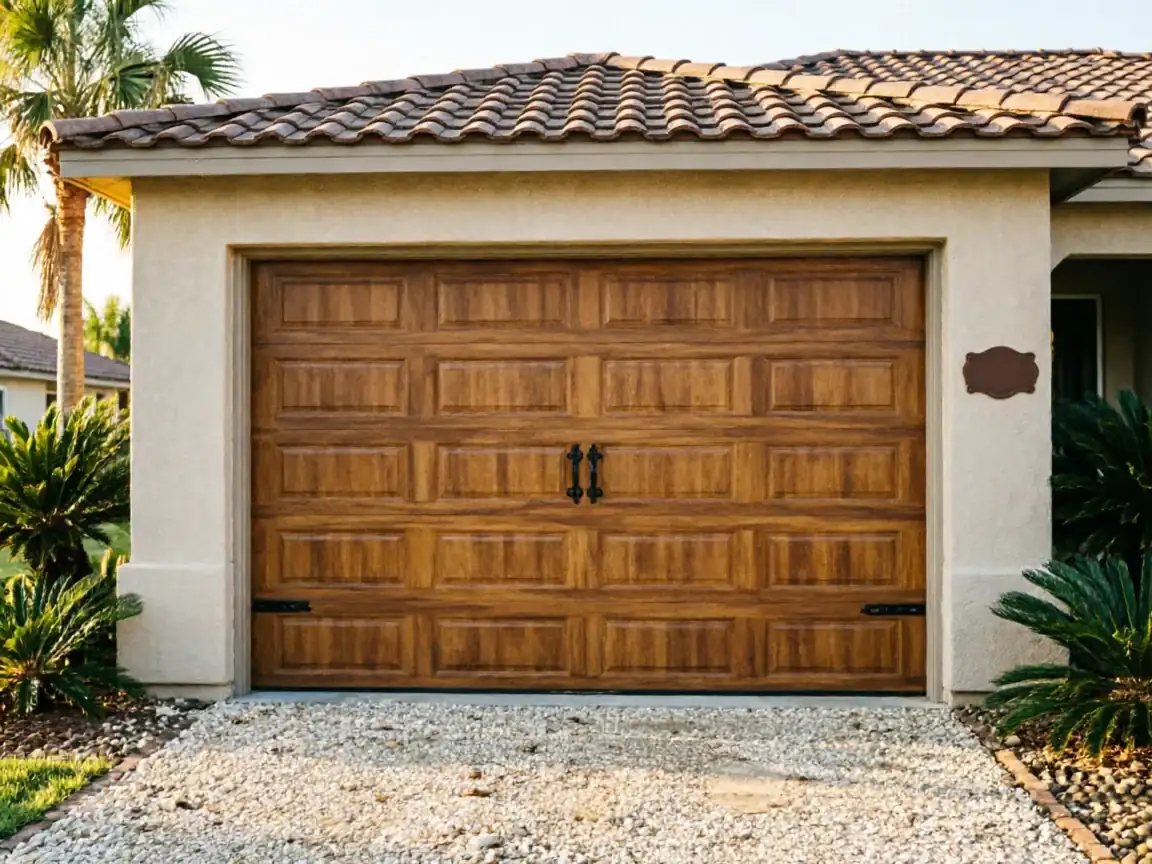
If you're shopping for a new garage door in Wesley Chapel, it's usually one of two things: the original door from when the house was built is giving out, or you're remodeling and want something that actually matches the house. Most homes in this service area went up between 1970 and 2005, with a heavy concentration from the 1980s and 90s, and that stretch covers a lot of different door widths, track setups, and opening heights depending on which of the 24 named communities you're. A door bought off a shelf without checking the actual opening and header clearance often ends up an inch short on one side or riding a track that doesn't match the house framing. In neighborhoods like we see a lot of double-wide openings paired with headers that were framed for a specific door profile, which limits what you can swap in without extra carpentry. The visible symptom is usually a door that looks slightly off-size, or one that was installed to fit rather than installed to work.
What Can Go Wrong
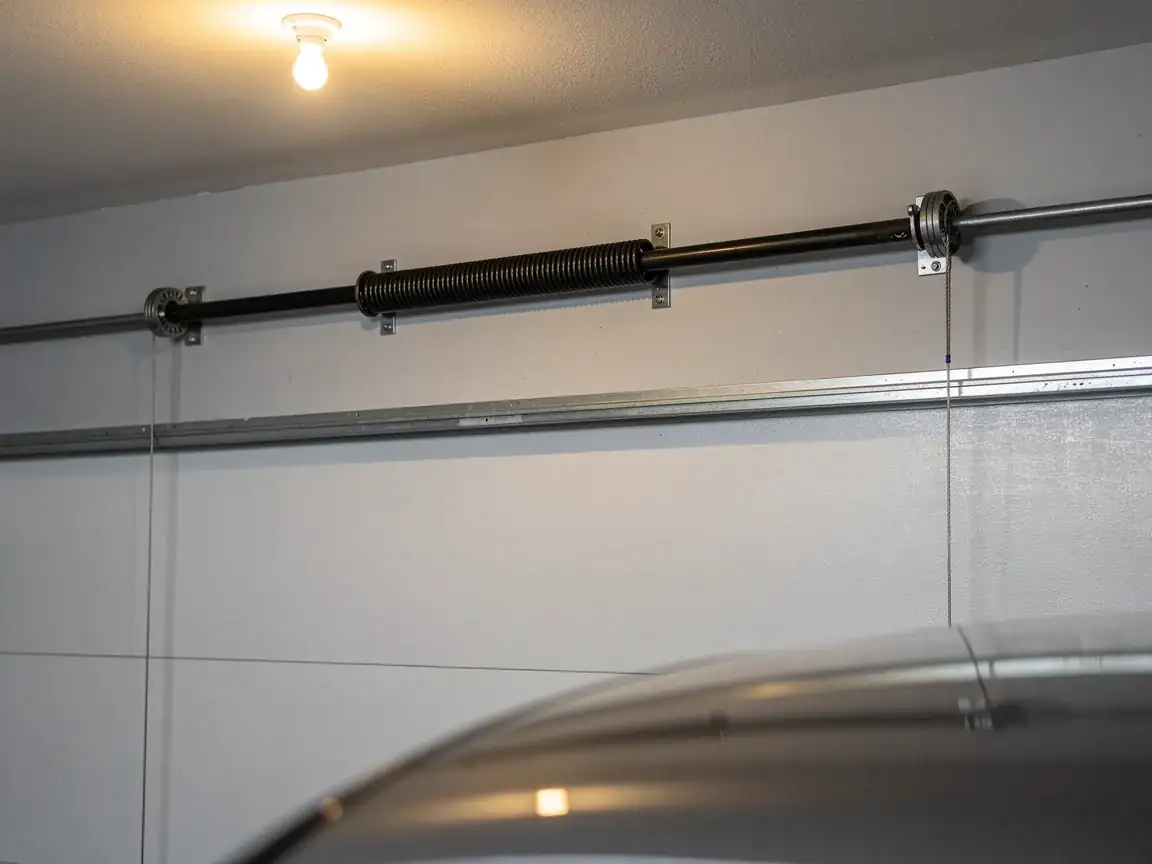
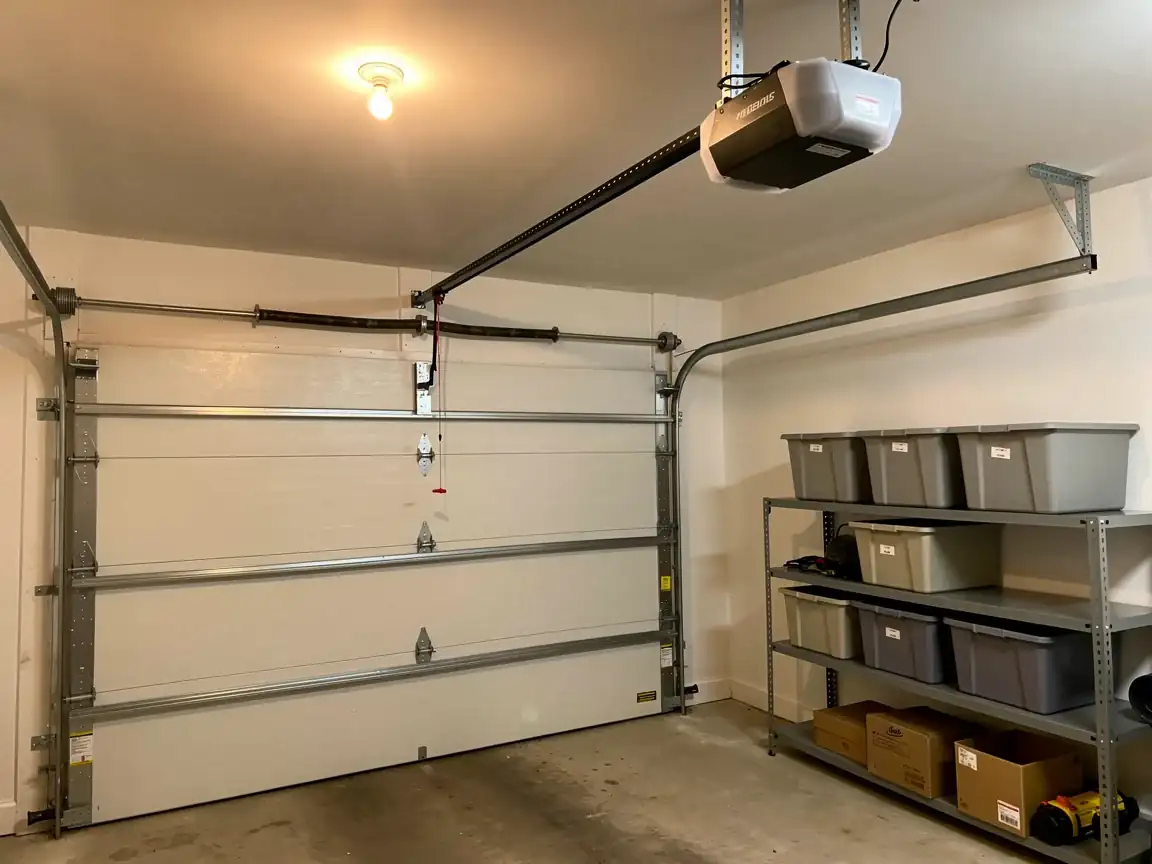
A mismatched installation doesn't usually fail on day one. It fails six months to two years in, after the track settles, the weatherstrip compresses wrong, or the opener starts fighting a door that's not balanced for its actual spring rating. On homes from the 1980s and 90s stock, the original framing often assumed a lighter single-layer door, and installers sometimes drop in a heavier insulated door without re-rating the springs or reinforcing the track brackets. That shows up as a door that opens fine but slams the last foot of travel, or one that needs two hands to lift manually during a power outage. We also see doors ordered to a standard size when the actual rough opening in these neighborhoods runs slightly non-standard, which forces shims and trim fill that loosen over time and let the door rack side to side in the track.
What the Fix Involves
A proper installation starts with measuring the actual rough opening and header clearance, not assuming the builder-era standard holds. We check the track depth needed for the door's panel thickness, confirm the spring system is rated for the door's real weight, and verify the opener's lift capacity matches rather than just bolting the old opener back onto a new door. For homes in this area built in the 1980s and 90s, that often means upgrading the track brackets to carry a heavier insulated panel even when the customer only asked for