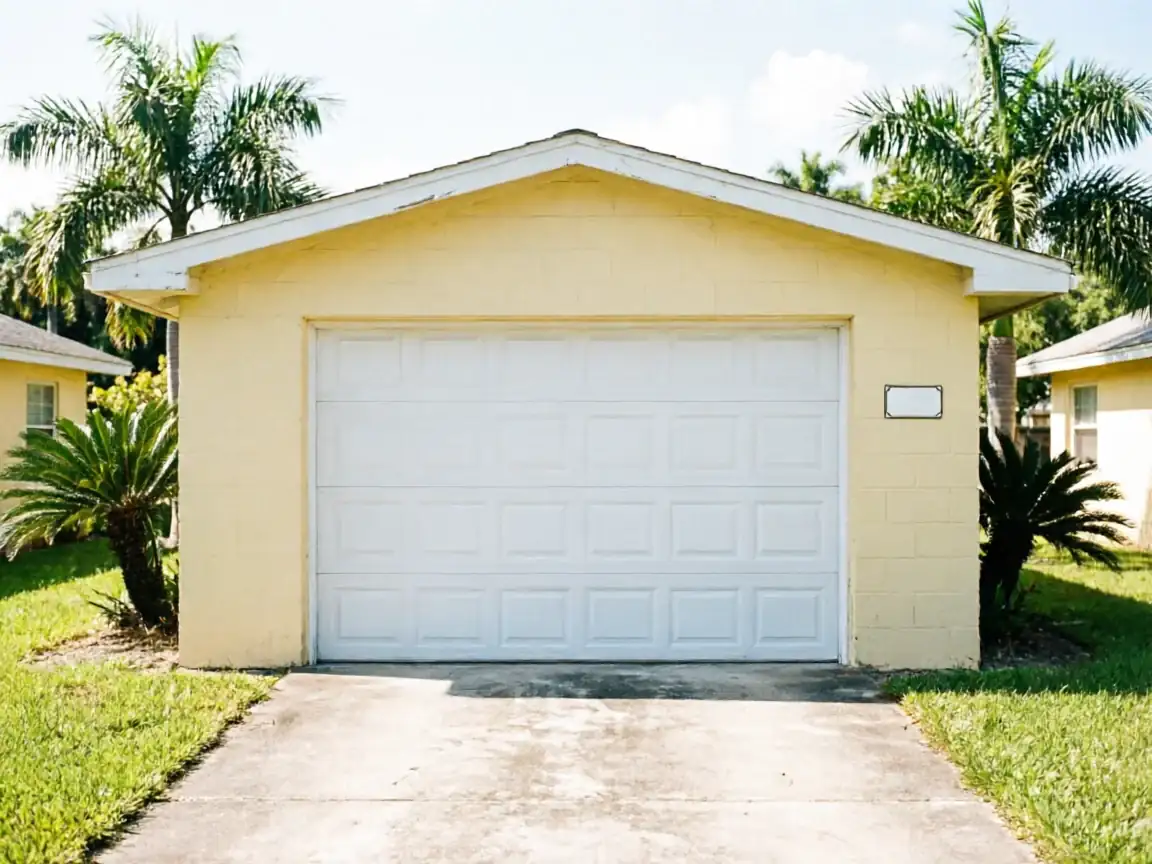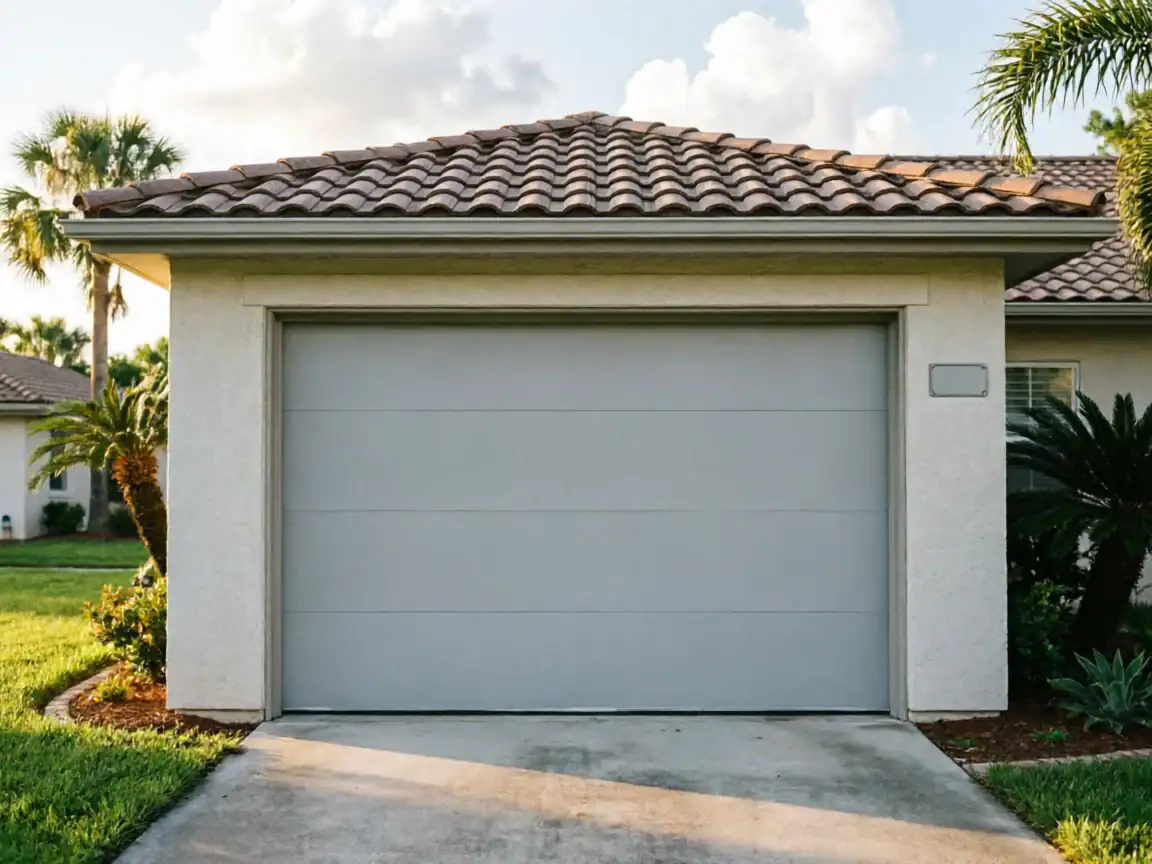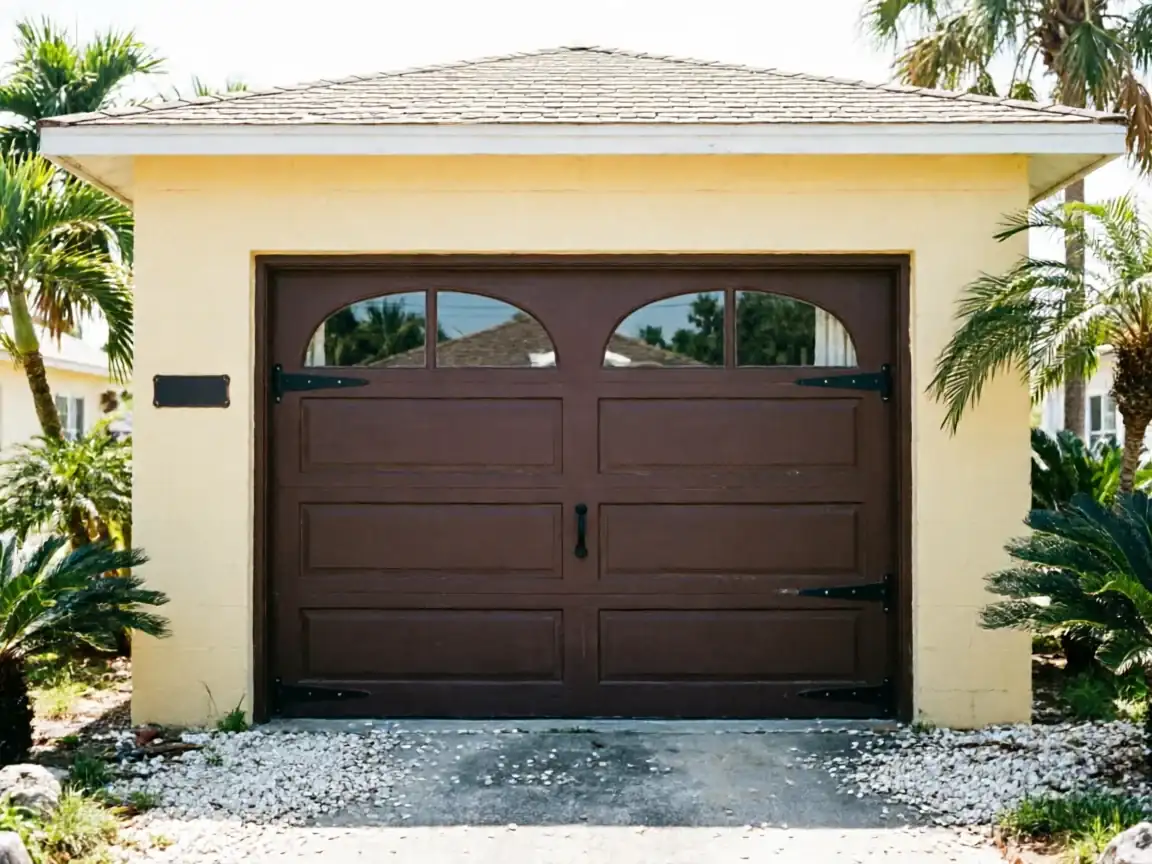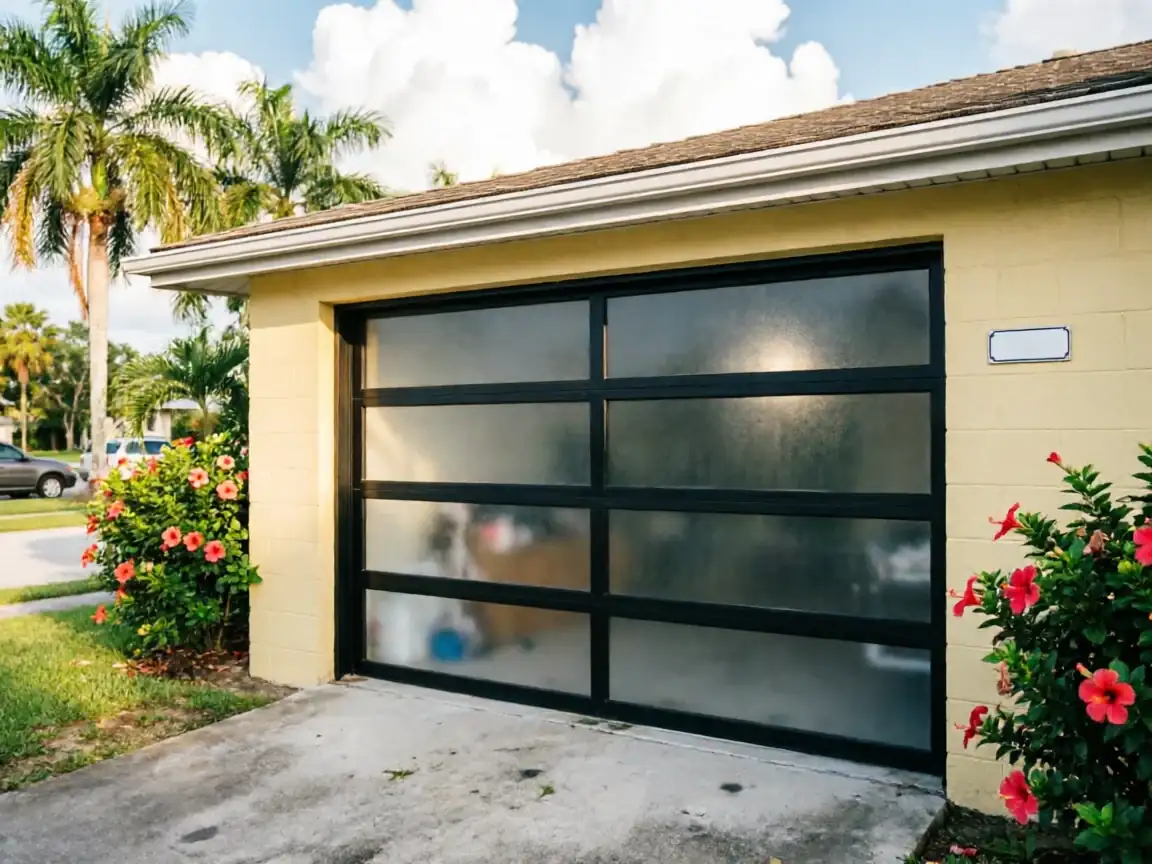
What You Are Seeing
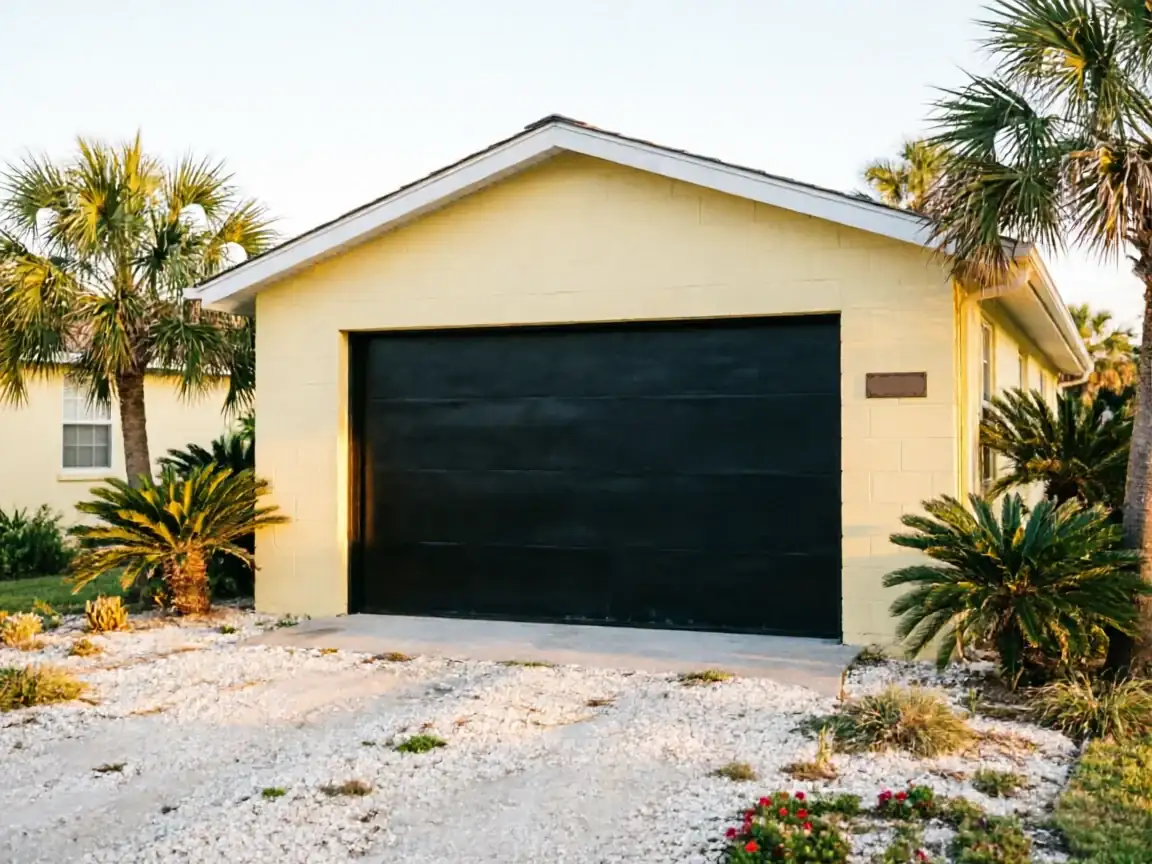
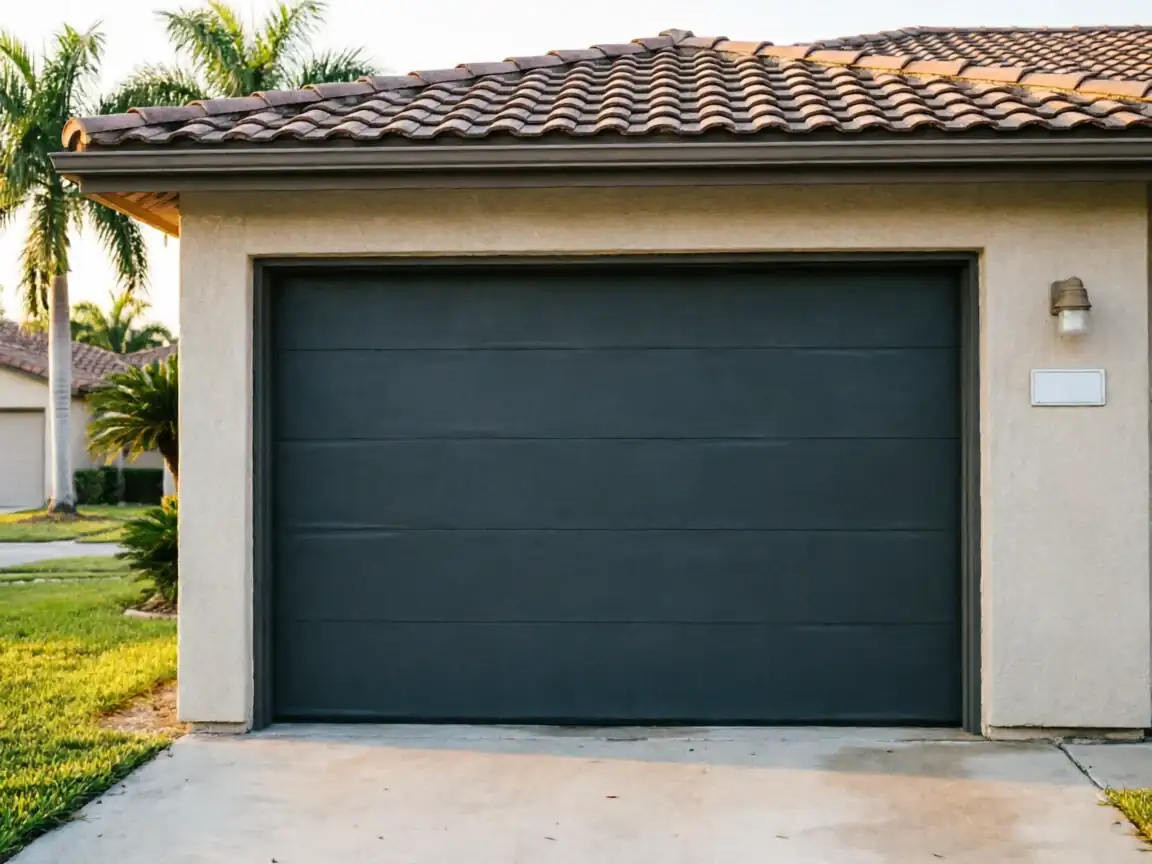
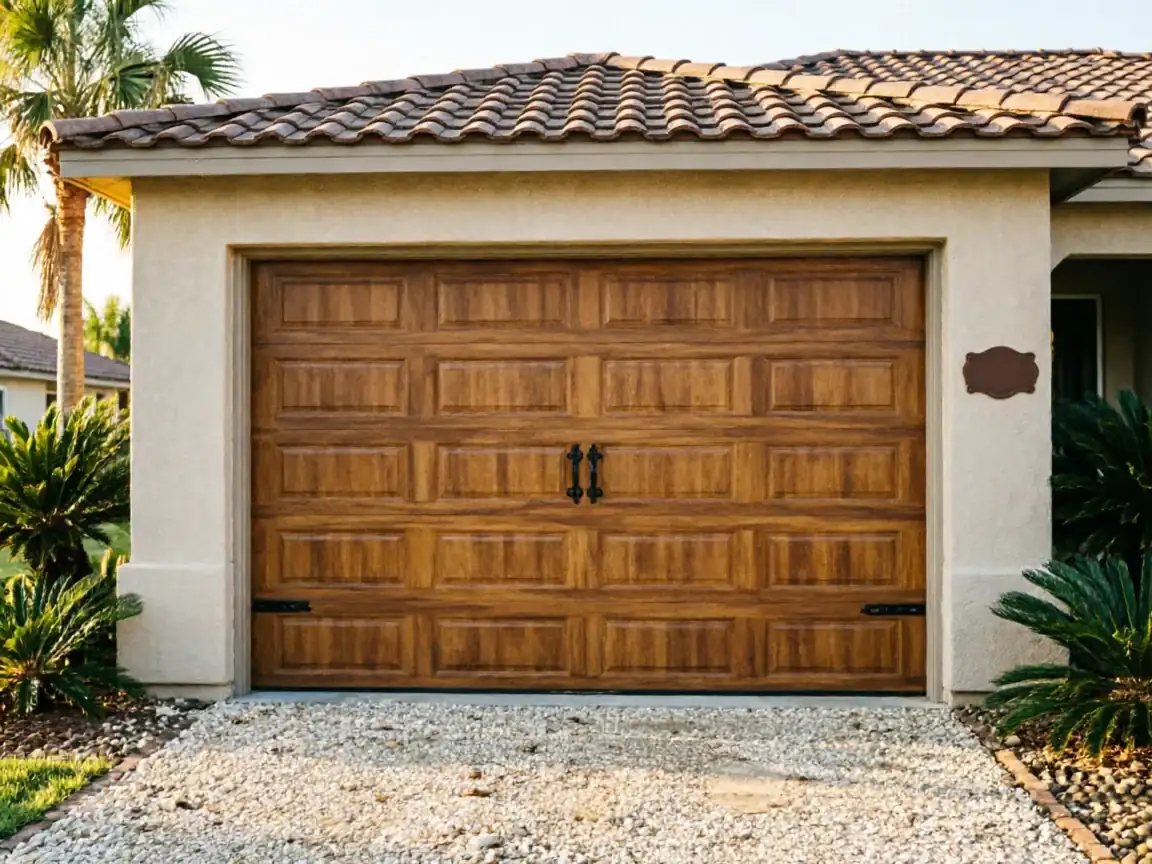
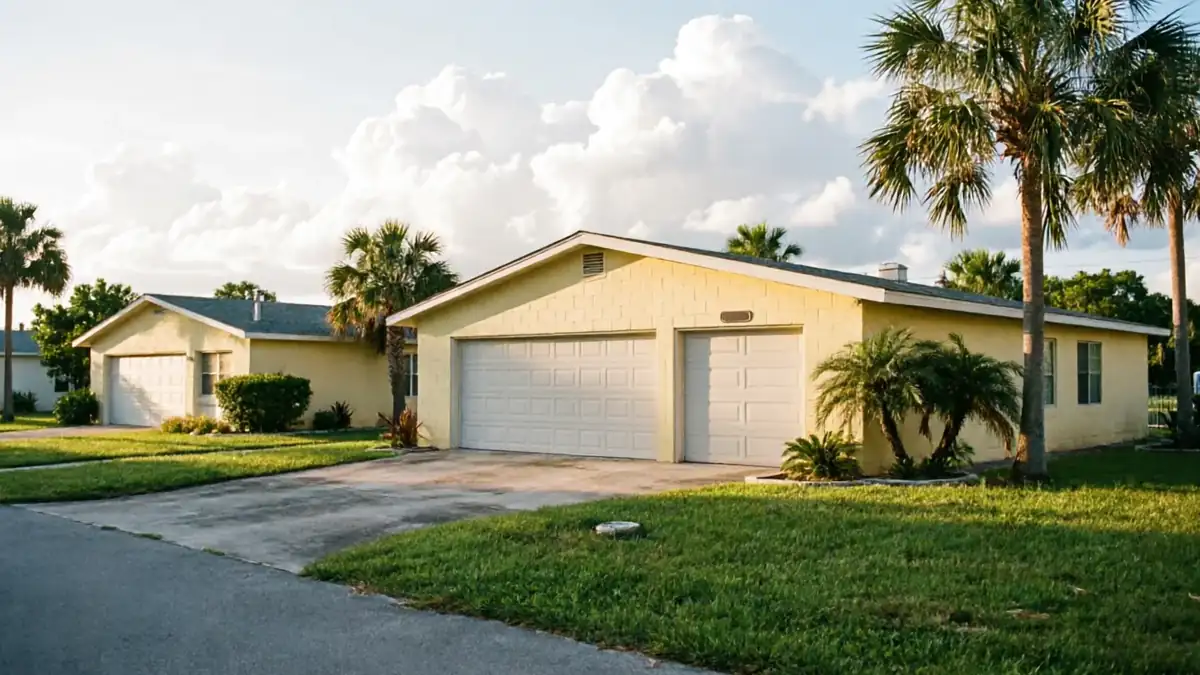
You've got one or more panels on the door that don't match the rest anymore - a dent from a bumper tap, a bottom panel gone soft and bowed from years of ground moisture wicking up into the foam core, or a whole section that's faded a shade lighter than its neighbors because the sun hit it harder for twenty-some years. Sometimes it's a crack running along a seam where the steel skin separated from the insulation behind it. None of this is cosmetic once it starts - a bowed or cracked panel changes how the door sits in the track, which means the rollers bind, the opener works harder than it should, and the next panel over starts taking stress it was never built for. Across the Wesley Chapel service area, most of the housing stock went up between 1970 and 2005, with the bulk of it from the 1980s and 90s. That's a lot of original garage doors still hanging on tracks that were installed when Carter or Reagan was in office, with panel sections that were never meant to outlast three decades of Florida sun and daily temperature swings.
What Can Go Wrong
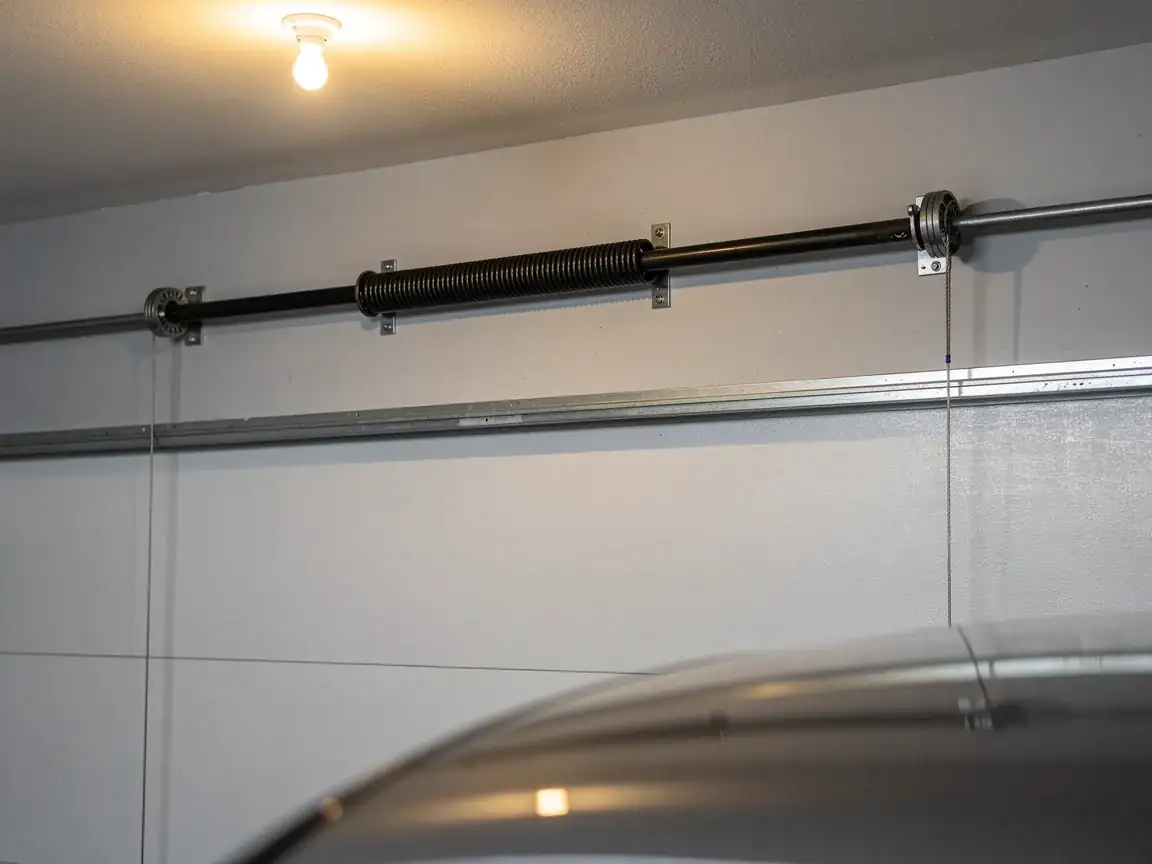
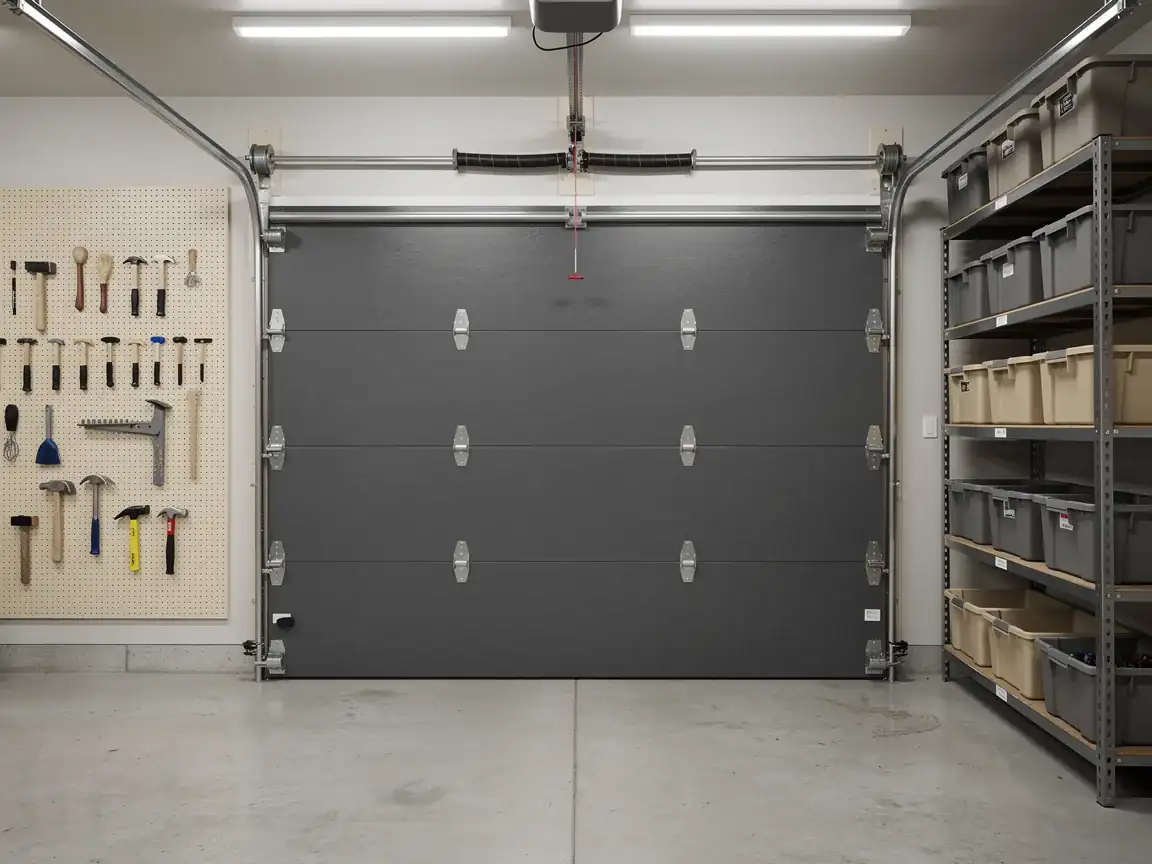
A single damaged panel rarely stays single. Once one section is out of true, the door's weight distribution shifts, and the hinges connecting that panel to its neighbors start working at an angle instead of straight. That wears the hinge pivot points and the rollers faster than normal use would. If the bottom panel is the one that's gone - the one that takes the most moisture contact and the most contact from mowers, bikes, and trash cans - the weatherstrip seal fails too, and you start losing the tight seal that panel was doing double duty on. On double-car doors especially, a cracked or caved panel near the middle can throw off the balance enough that the opener's travel limits stop working correctly, which either strains the motor or lets the door reverse unexpectedly. None of these are emergencies on day one. They become emergencies on day ninety, when the compromised panel finally gives out mid-cycle and the door won't open or close at all.
What the Fix Involves
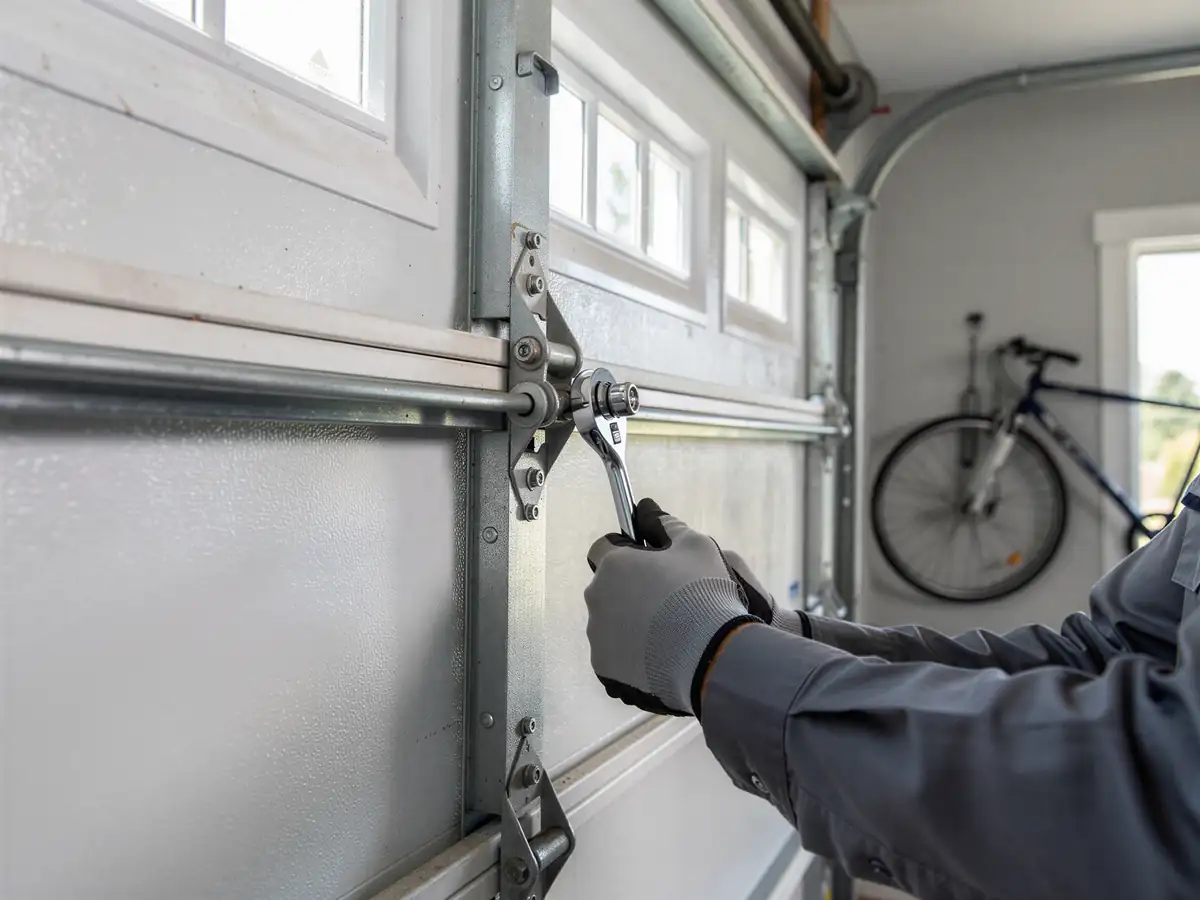
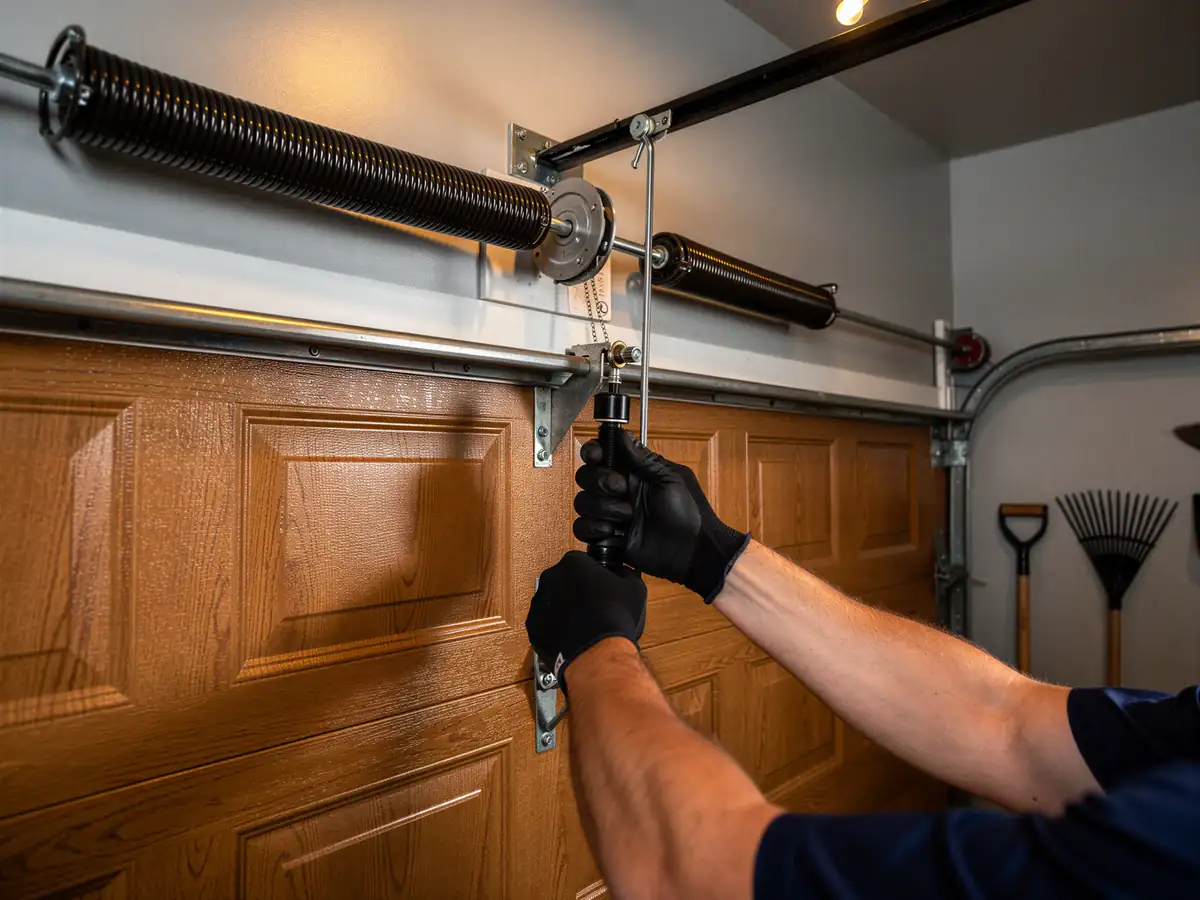
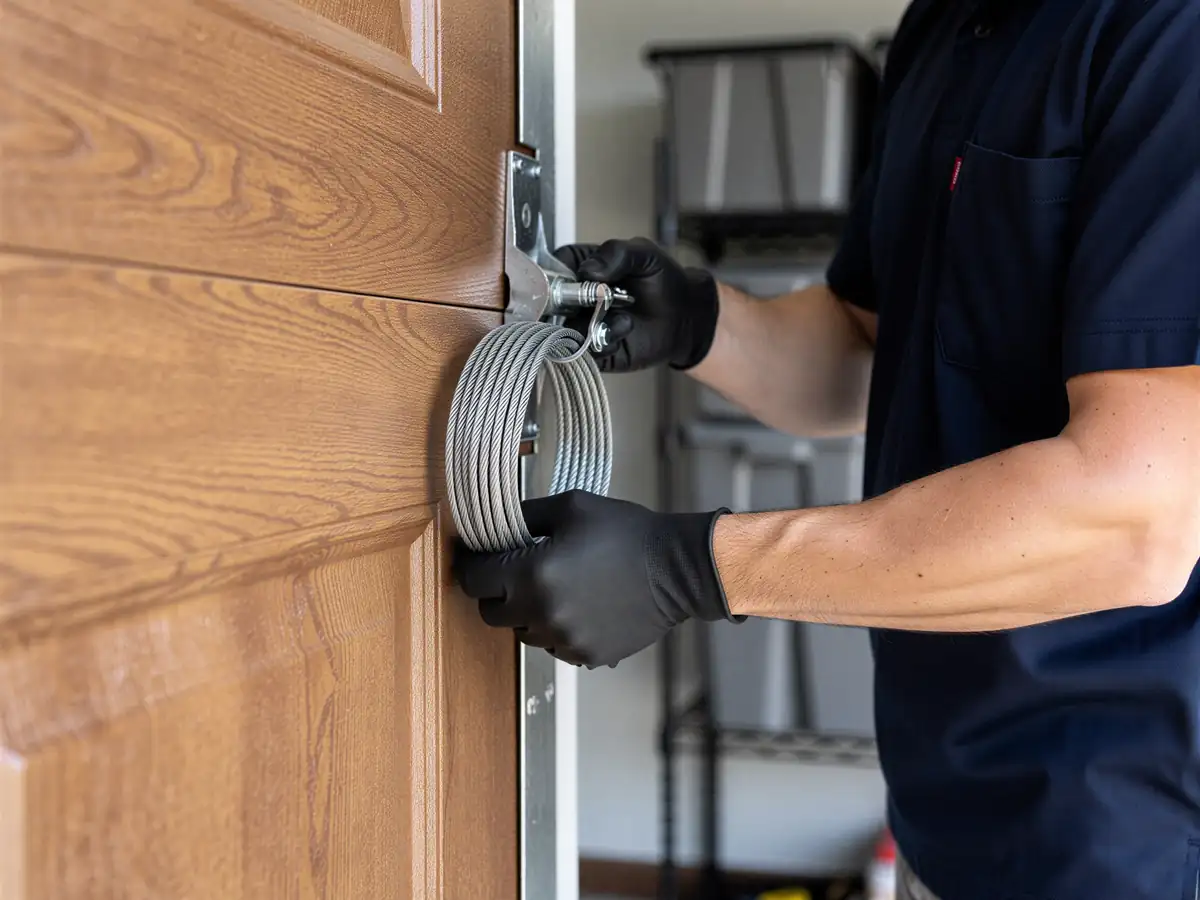
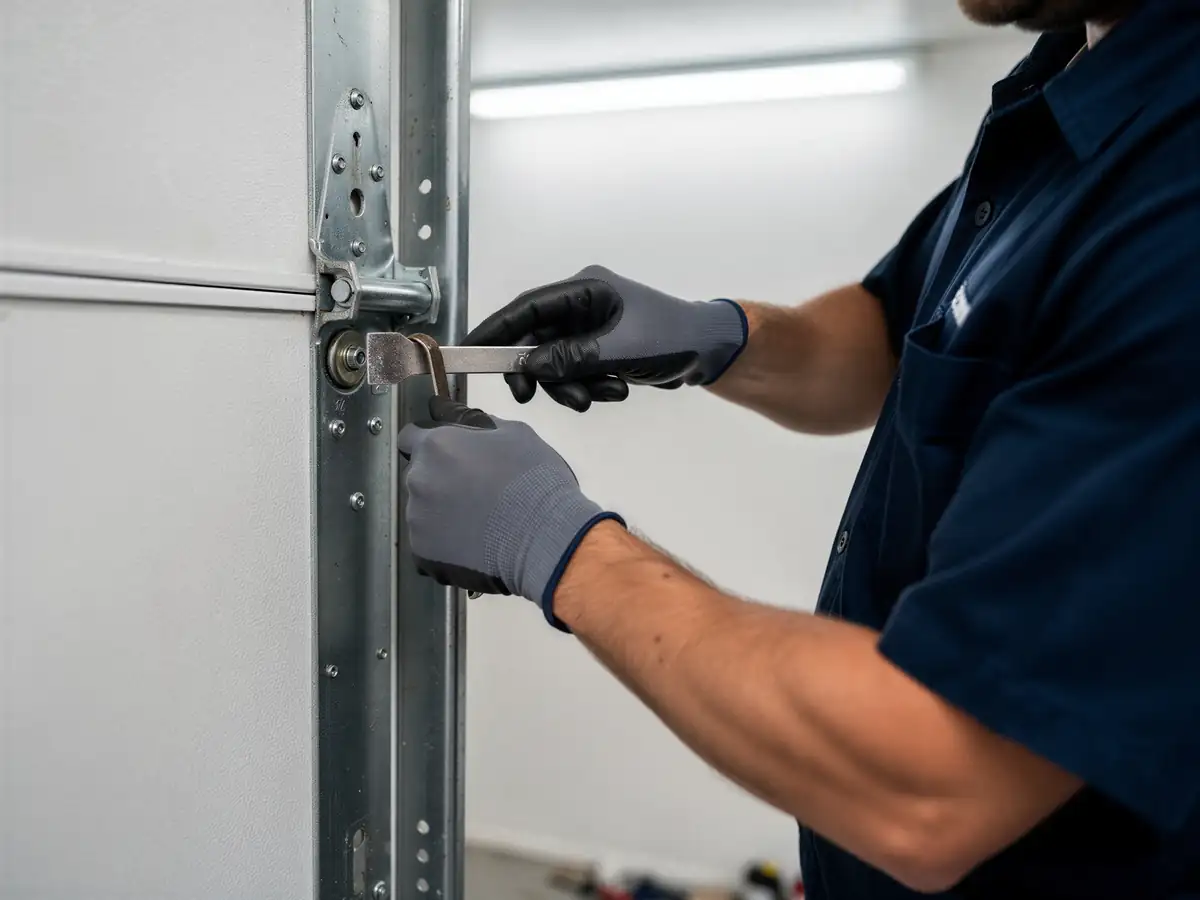
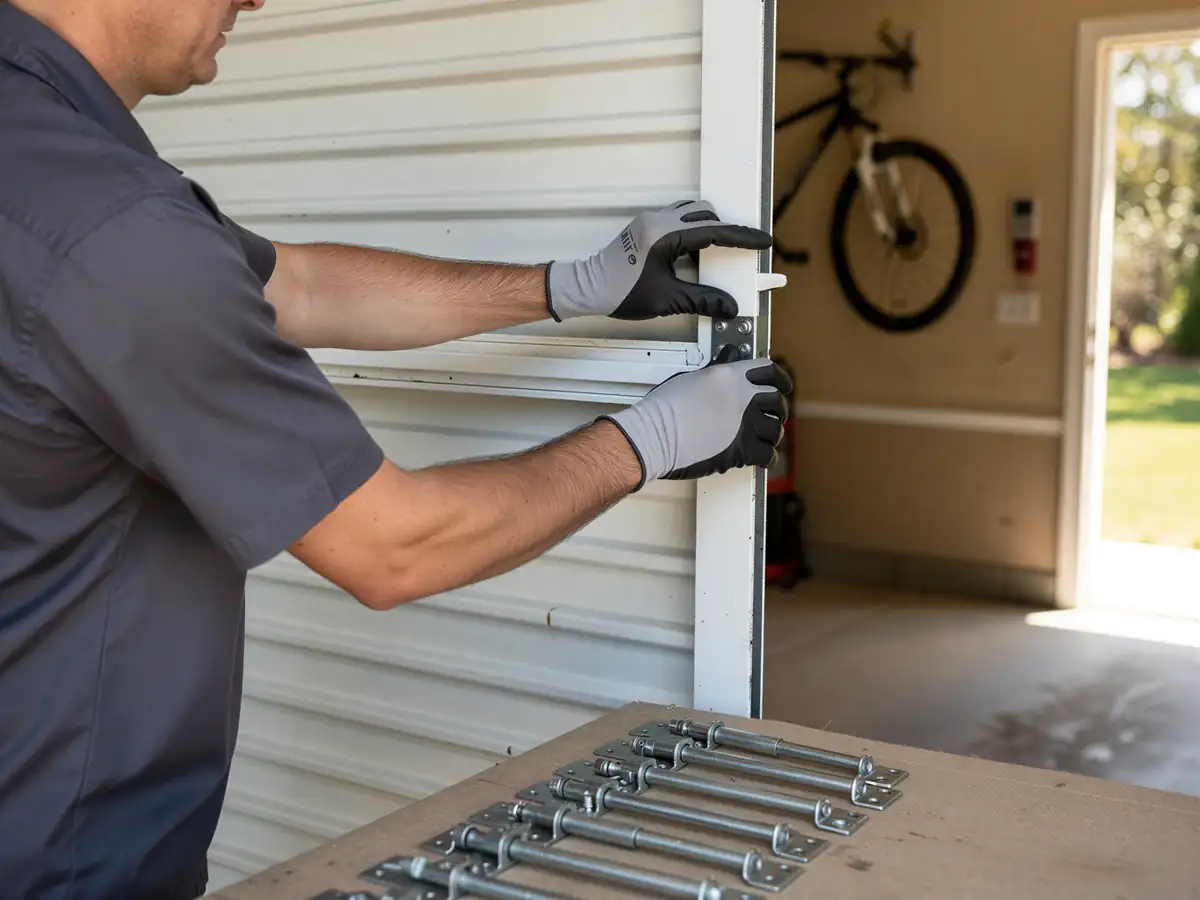
We start by checking whether your door's section height, panel design, and color are still something we can match - some builder-grade doors from this era used discontinued panel profiles, and matching a single section to 20-year-old neighbors isn't always possible. When it is, we replace just the damaged section rather than the whole door, which keeps cost down and keeps a functional door functional. When it isn't - and for a lot of the original 1980s and 90s stock in this service area, it isn't - we'll tell you straight that a full door replacement is the honest answer rather than patching something that'll fail again in a different spot within a year or two. Either way we check the track alignment, hinge wear, and roller condition on the panels next to the damaged one before closing out the job, since those are the parts most likely to have been quietly stressed by the bad panel. We don't carry every discontinued panel profile on the truck, so matched-panel jobs sometimes mean a short wait on a special order rather than a same-day fix.