Season by Season
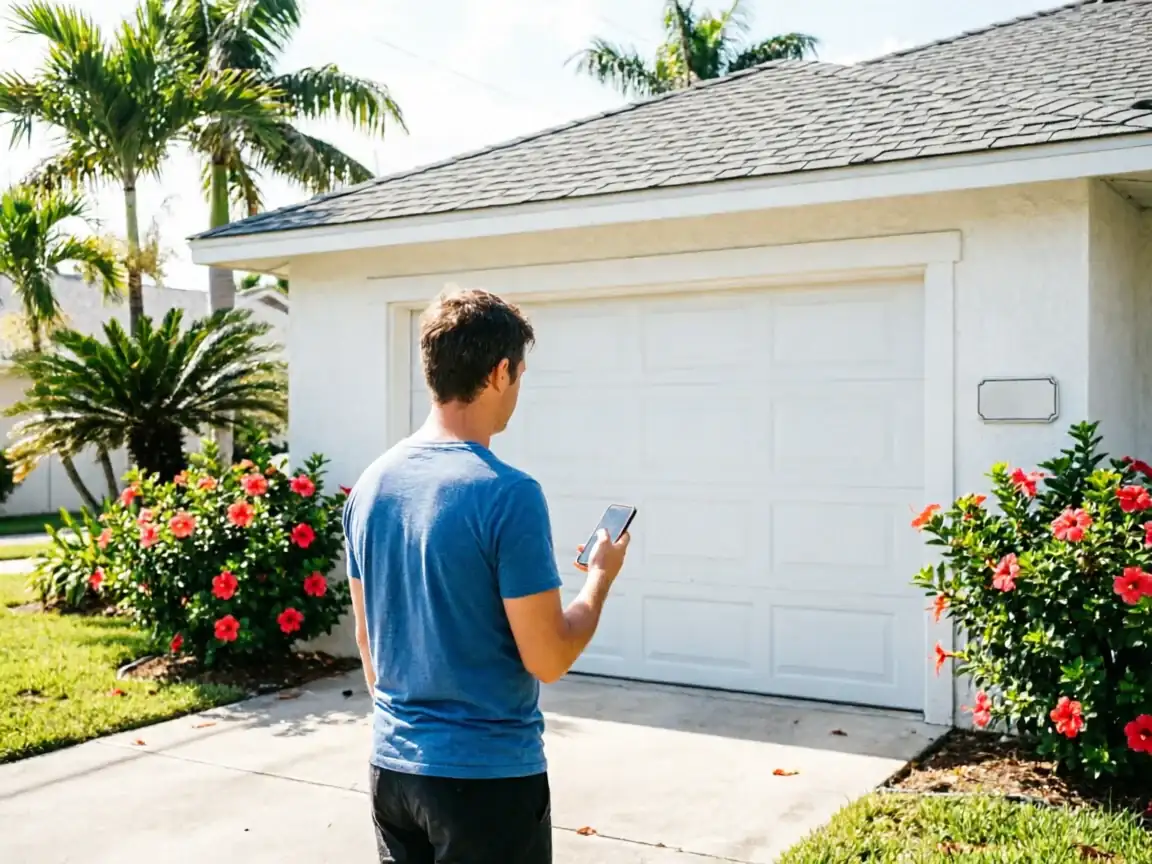
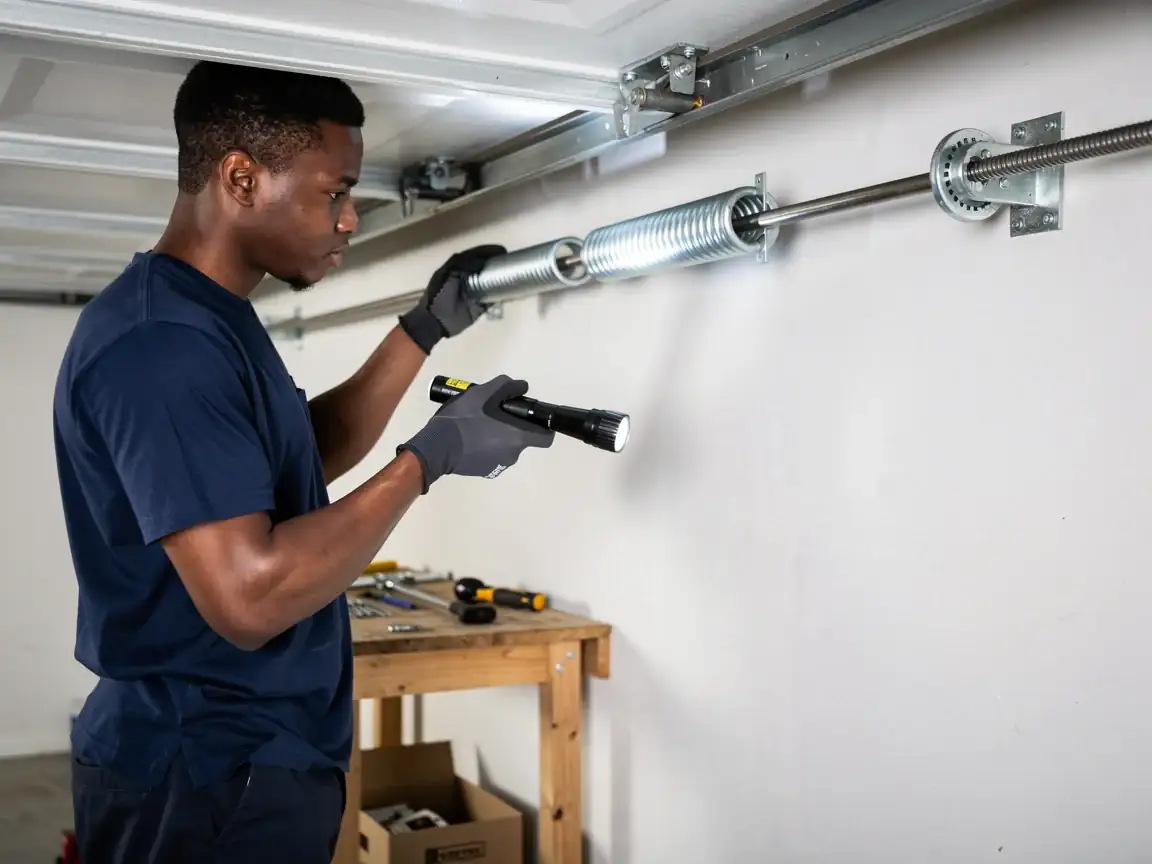
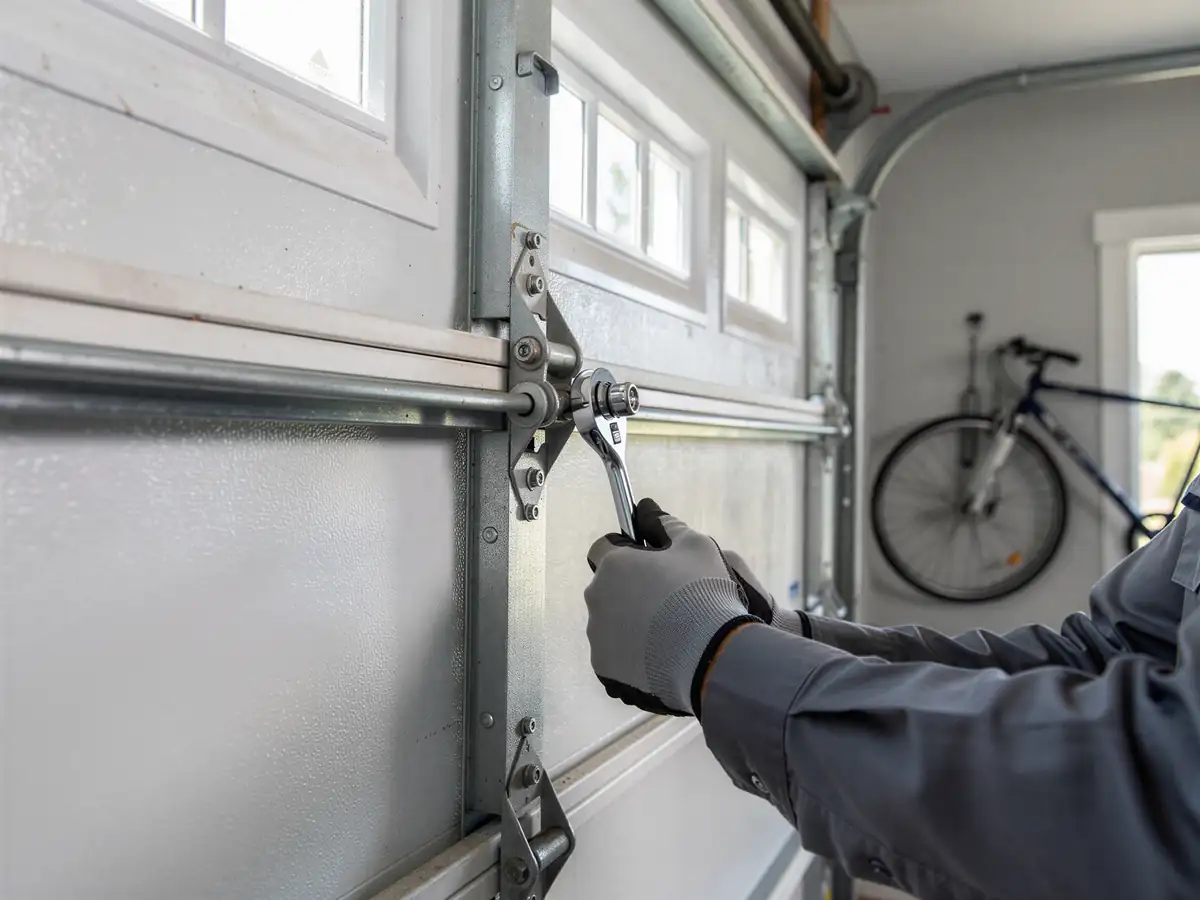
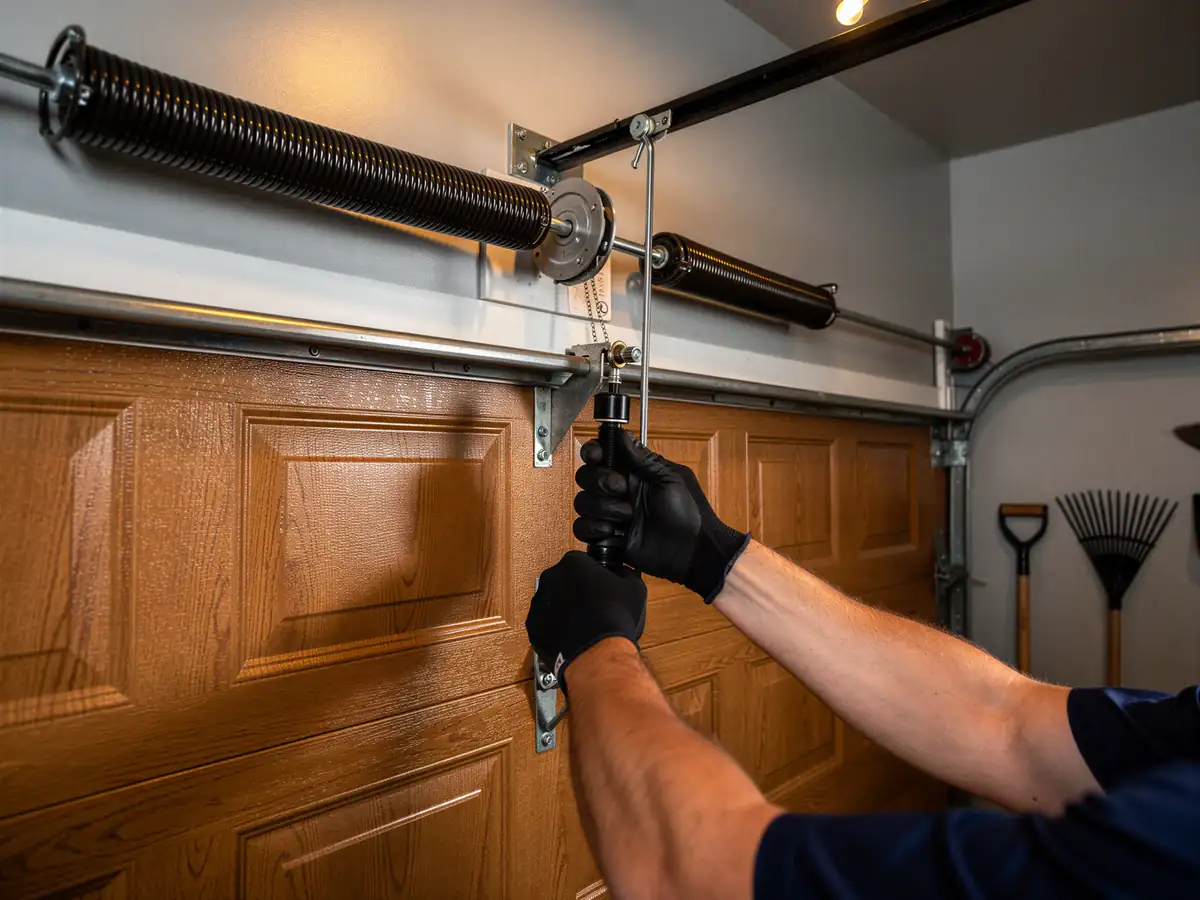
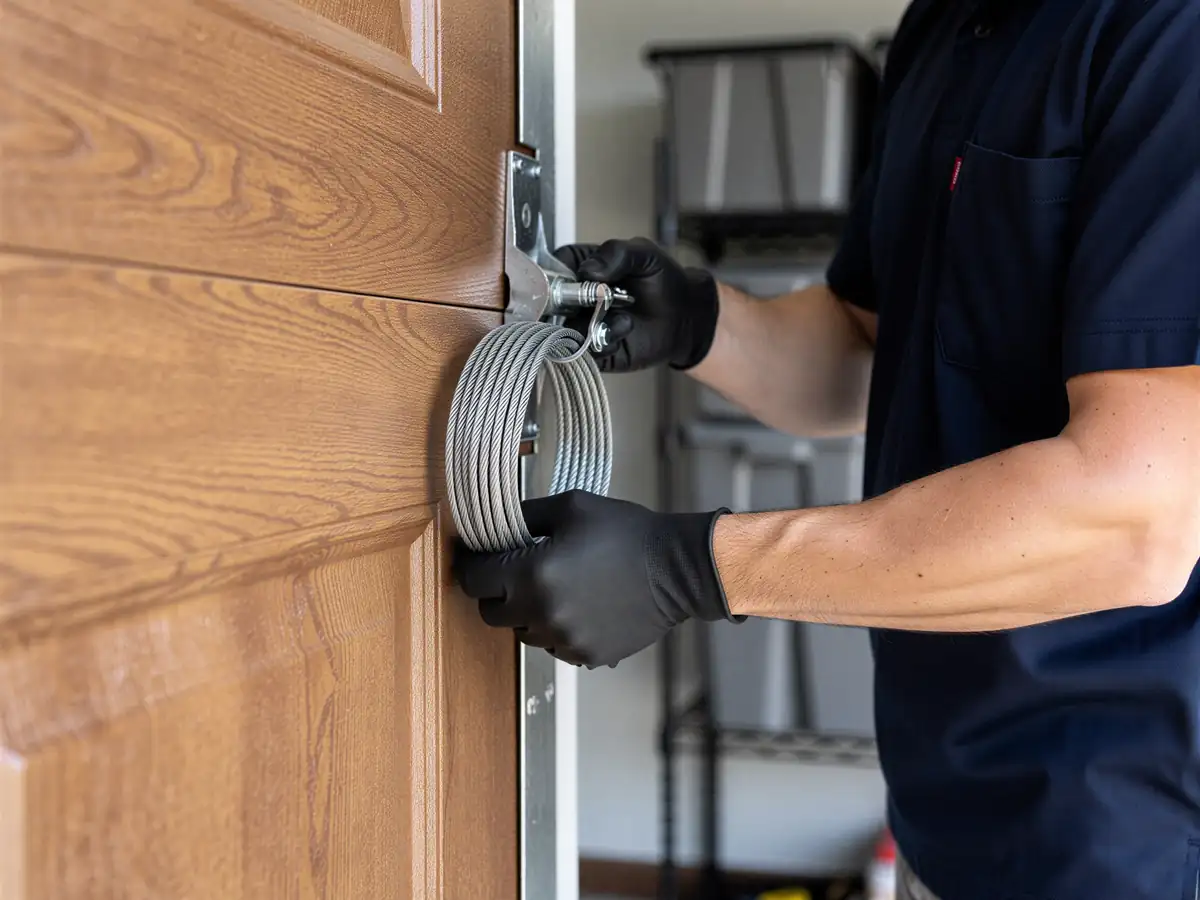
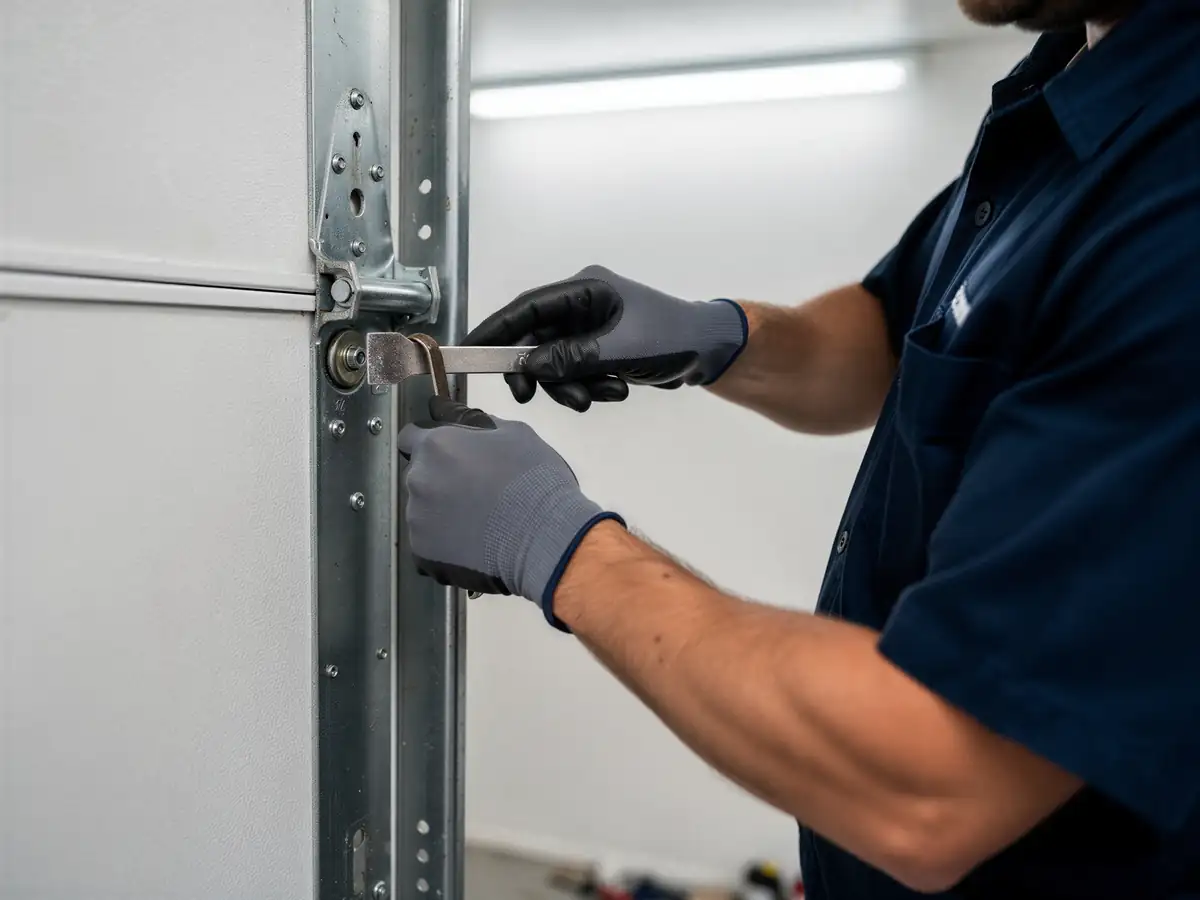
Wesley Chapel sits in a mild temperate band, which means we don't get the hard freezes that crack door seals or snap brittle springs the way a northern winter does. That's the good news. The less obvious news is that mild doesn't mean easy on hardware. Humidity here runs high most of the year, and galvanized spring coating and steel track hardware corrode under constant damp air even without a single frost. A torsion spring that might last fifteen winters somewhere colder can show rust pitting here well before that, especially on doors facing a shaded or less-ventilated side of the garage. Summer heat also matters for openers - older motor units can run hotter and start cycling slower or stalling partway through a lift once ambient temps climb. We don't see the seasonal spike in calls that snow-belt companies describe, no ice-jammed tracks or frozen cable drums. What we do see is a steadier year-round rate of corrosion-driven spring and hardware failures, which tends to surprise owners who assume a mild climate means a door needs less attention, not more of a different kind.
When to Call Someone
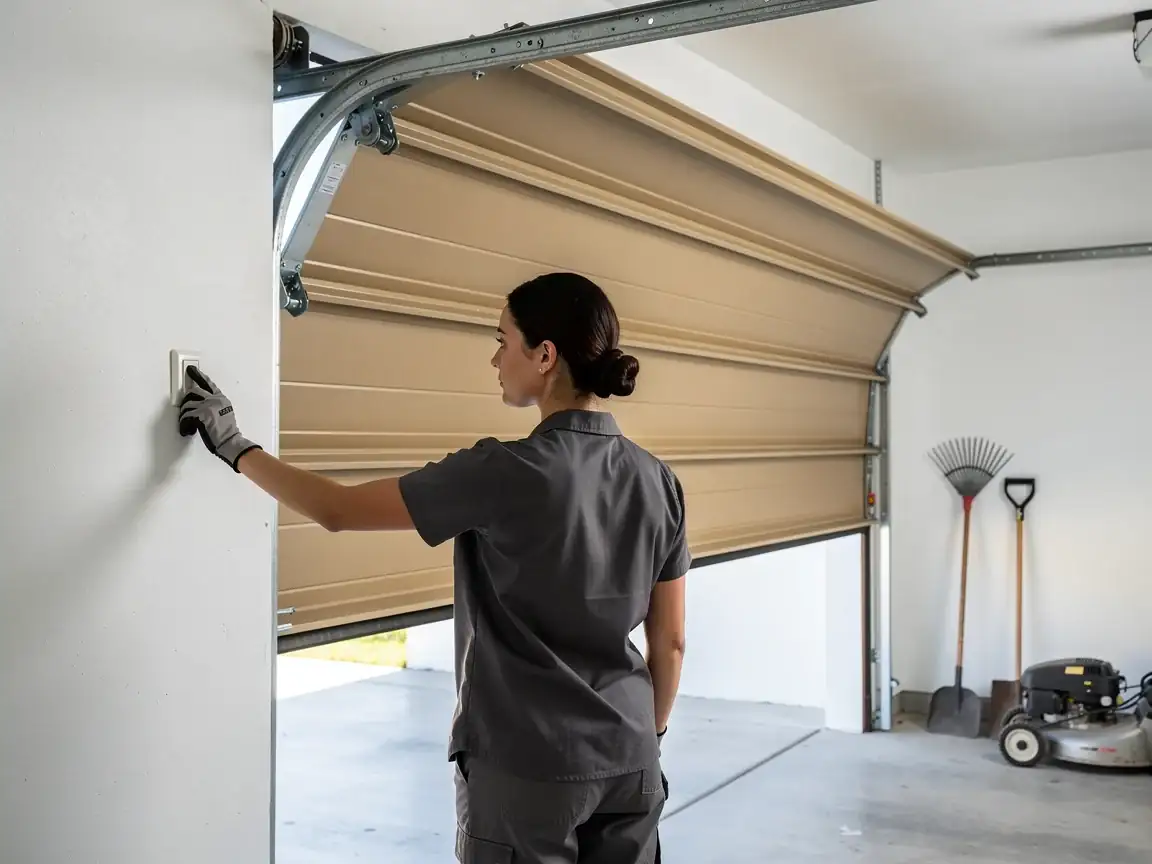
Call before the door fails completely, not after. A door that's slow to open, that shudders partway up, or that makes a grinding or popping noise on the way down is telling you a spring or roller is close to done - not that it's fine until it isn't. If the door drops suddenly or won't budge at all, that's usually a broken torsion spring, and it's not a DIY fix; the spring is under enough tension to cause real injury. Given that most garages in this area were built between 1970 and 2005, with a big share clustered around 1988, a lot of original hardware and first-generation openers are now well past their expected working life. If your opener is the same age as the house, or close to it, and it's started hesitating, reversing for no reason, or needing the remote pressed twice, that's worth a call before it strands the door mid-cycle. We'd rather look at a door that's still working than one that's already stuck closed with a car trapped behind it.
How Local Conditions Play In
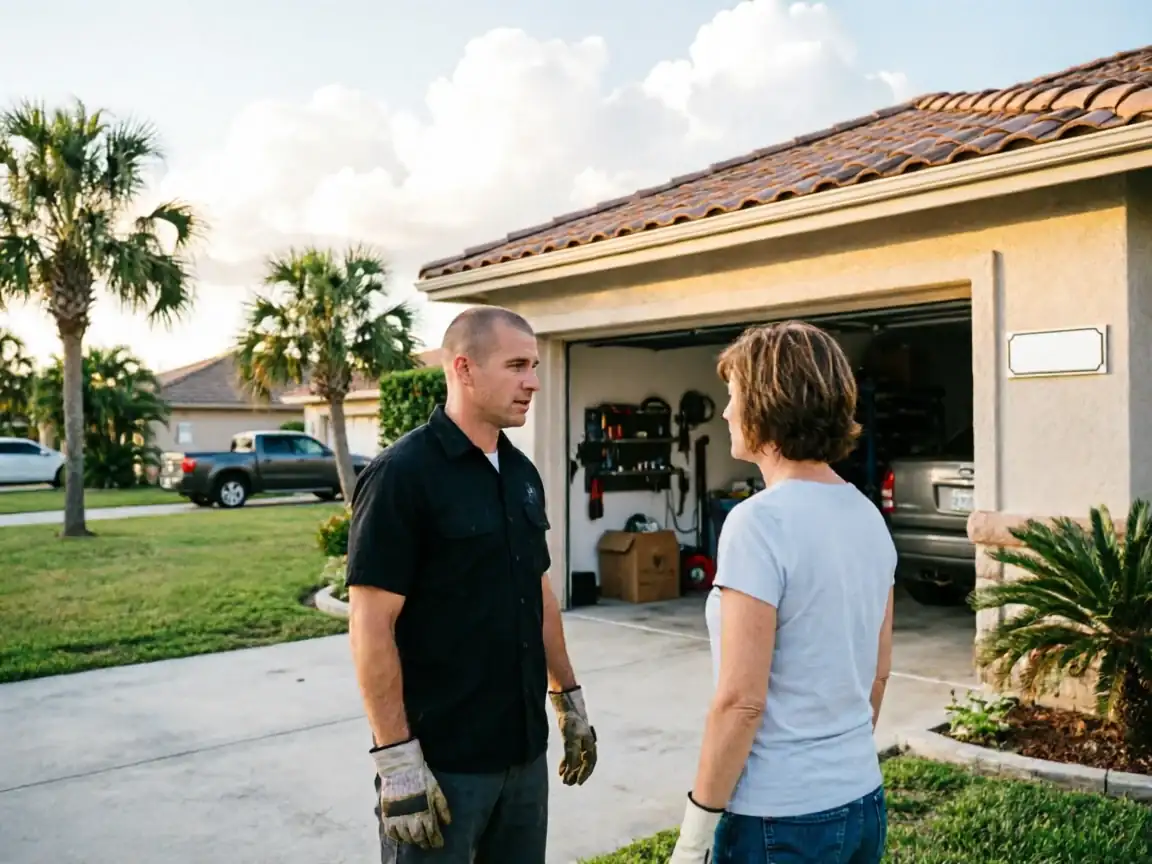
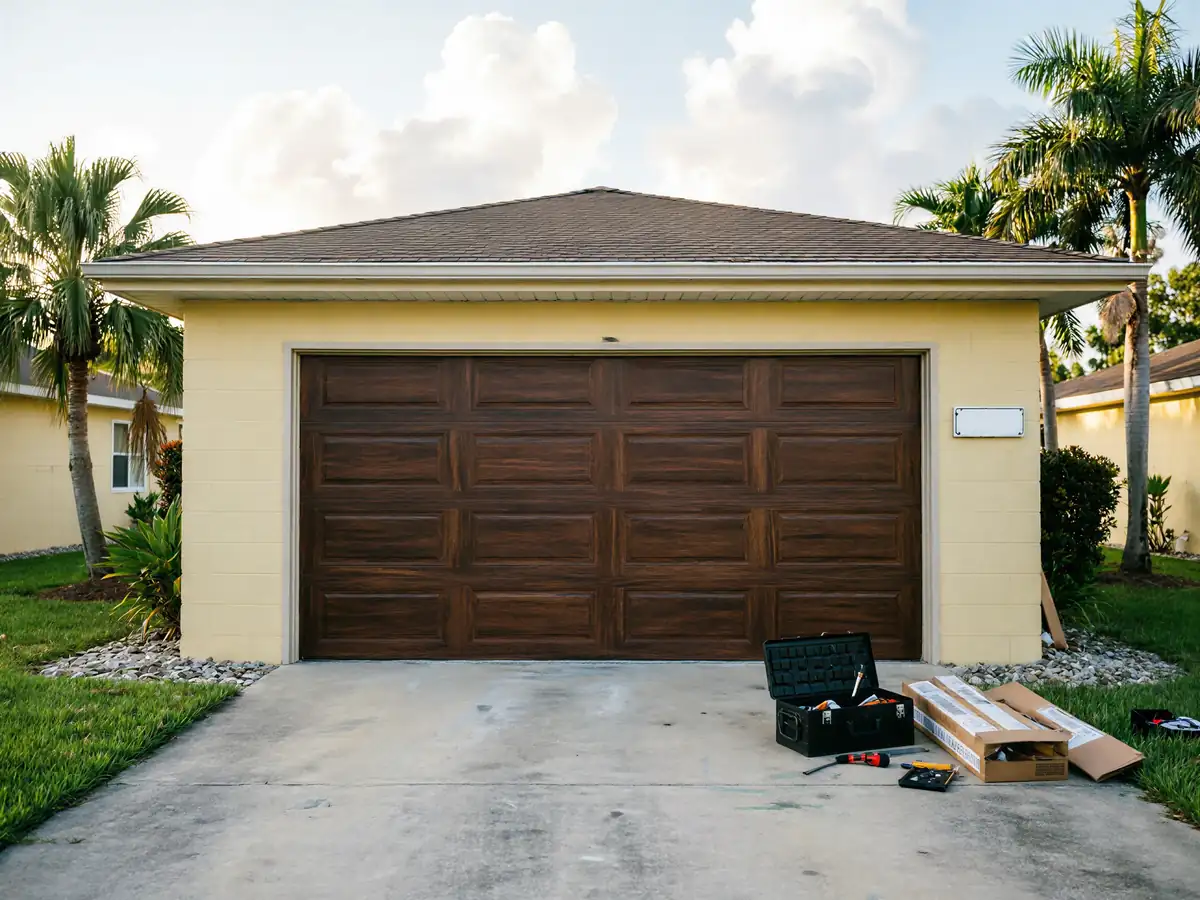
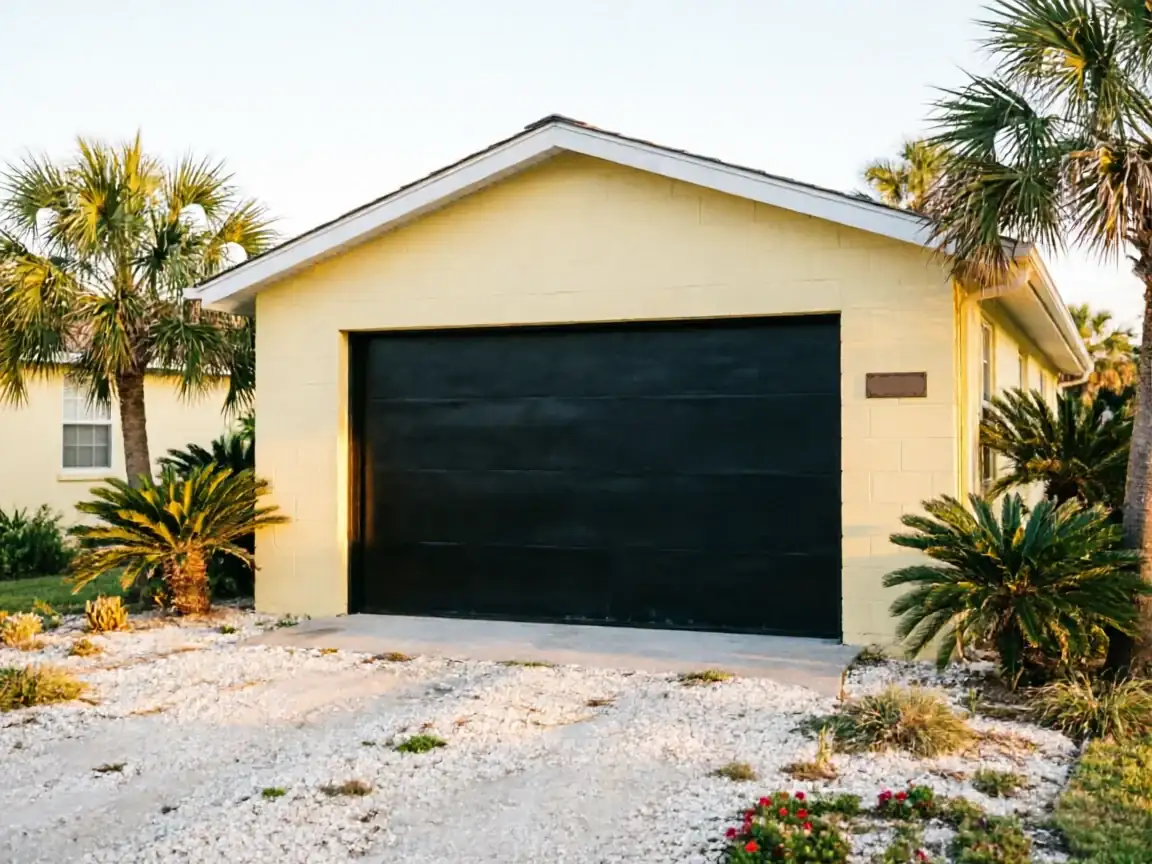
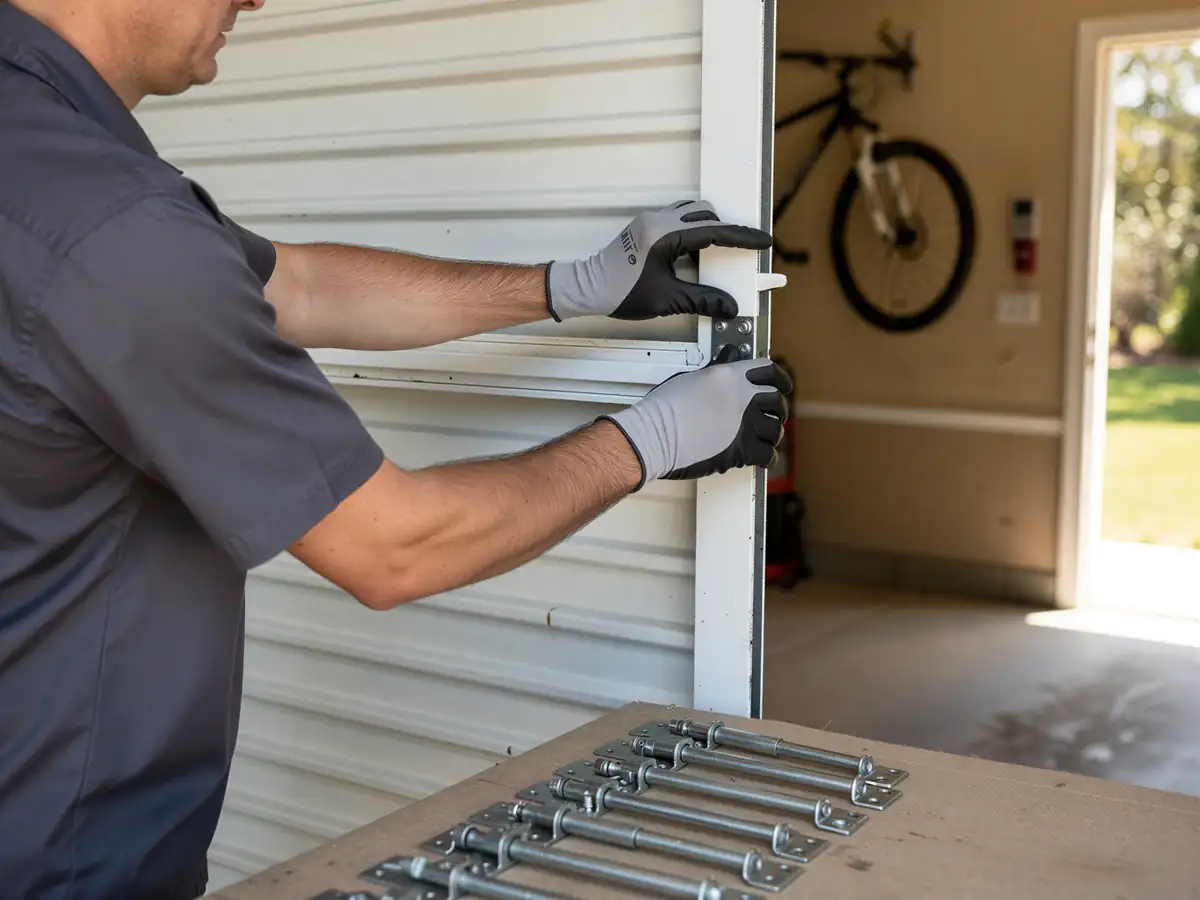
A lot of the area's growth happened in waves. That matters because it means doors and openers across a wide radius are aging in step with each other, not spread across decades the way you'd see in an older, more built-out city. When we're out on a call, that shared build era shapes what we expect to find: original torsion springs nearing failure, first-generation chain-drive openers with worn gears, and galvanized hardware showing humidity corrosion rather than rust from road salt or snowmelt, which isn't a factor here. A service call includes checking the hardware against that context - not just whether the door moves today, but whether the parts holding it up match the age of the house. One limitation worth saying plainly: we don't quote a repair over the phone sight unseen, because a spring issue and a track issue can look identical from a homeowner's description, and guessing wrong wastes your time and ours.