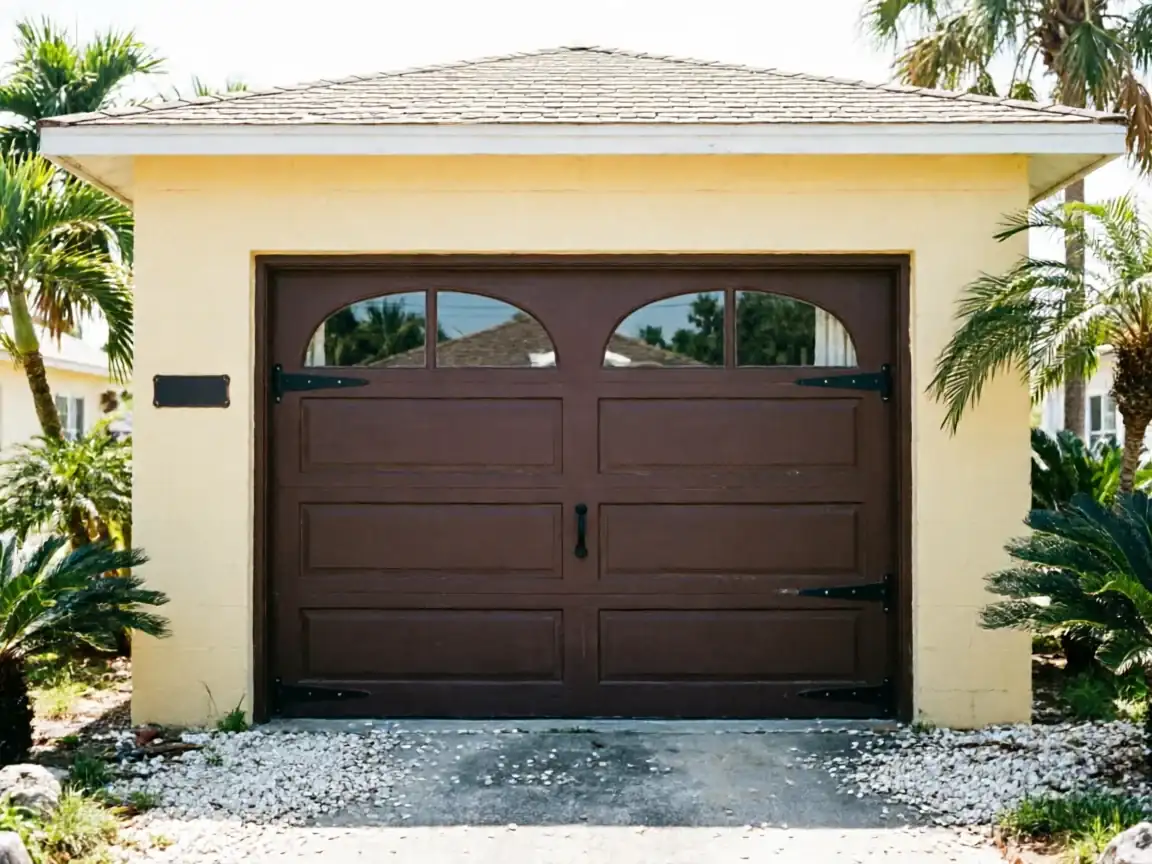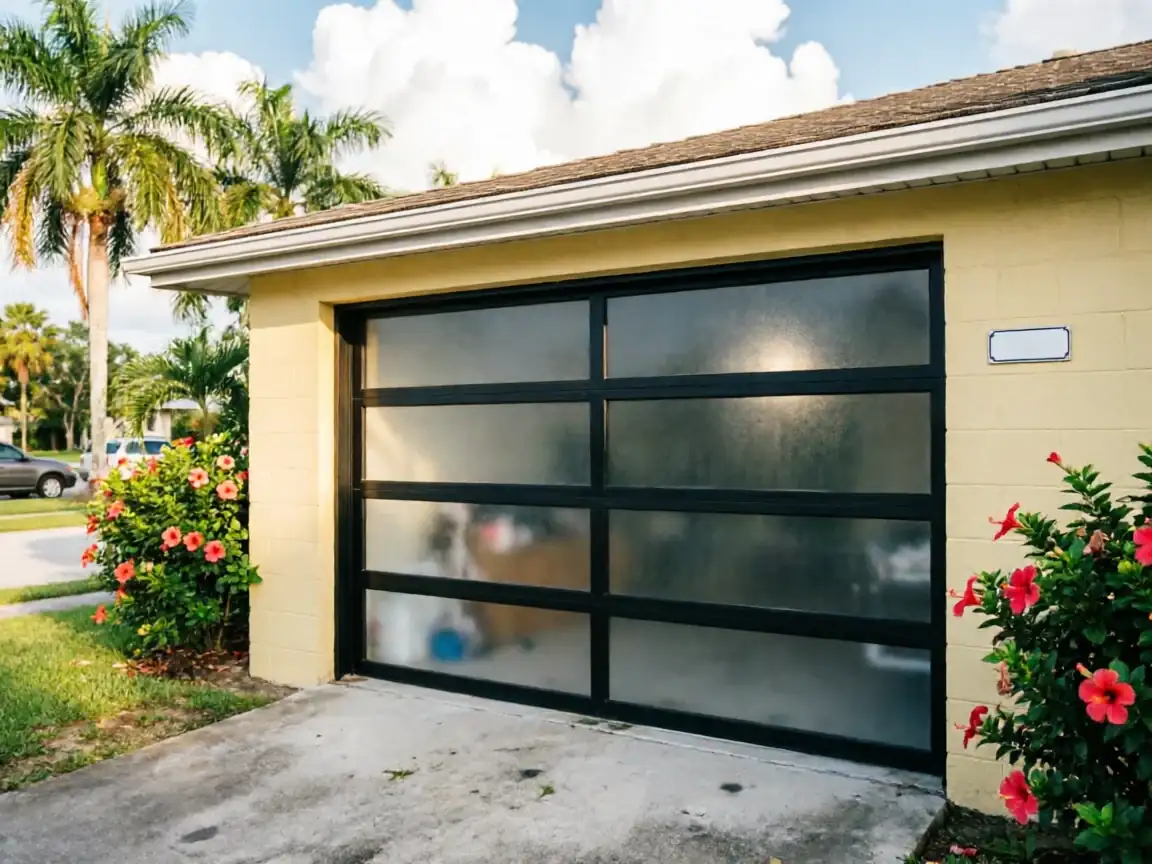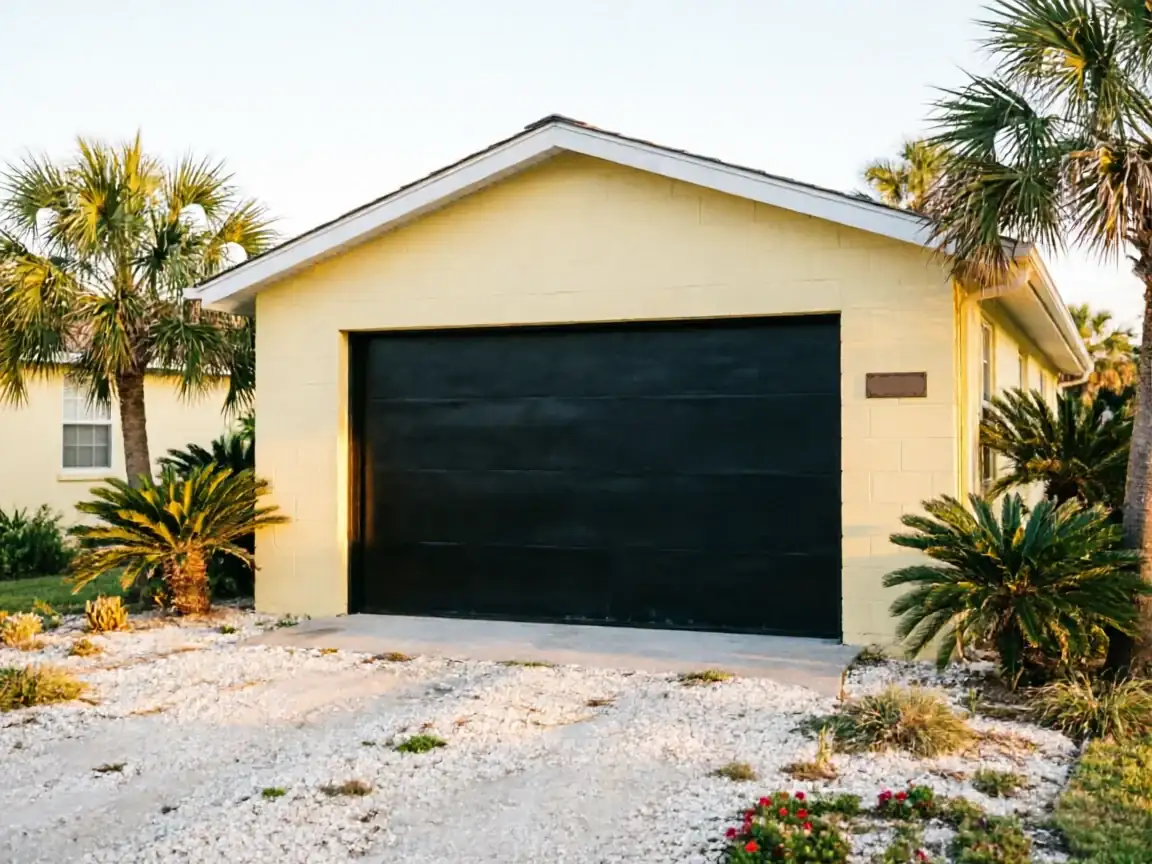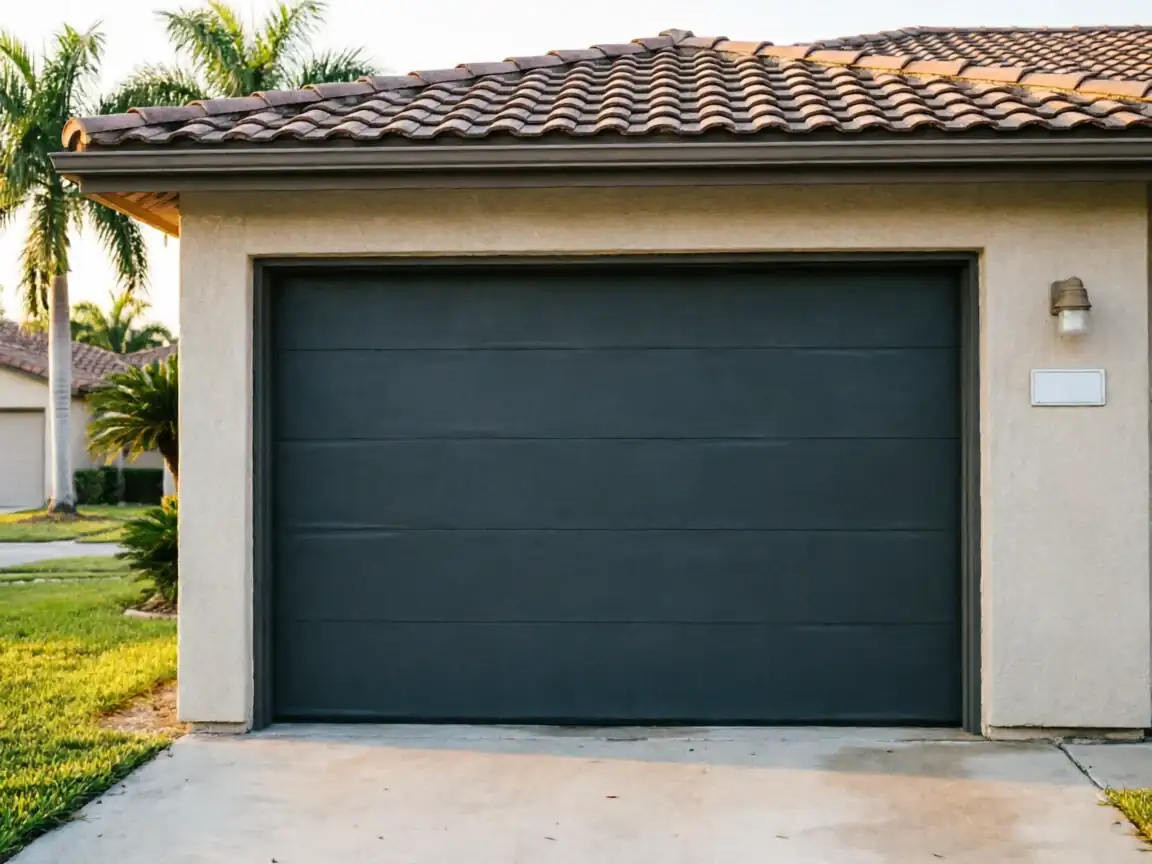
What You Are Seeing
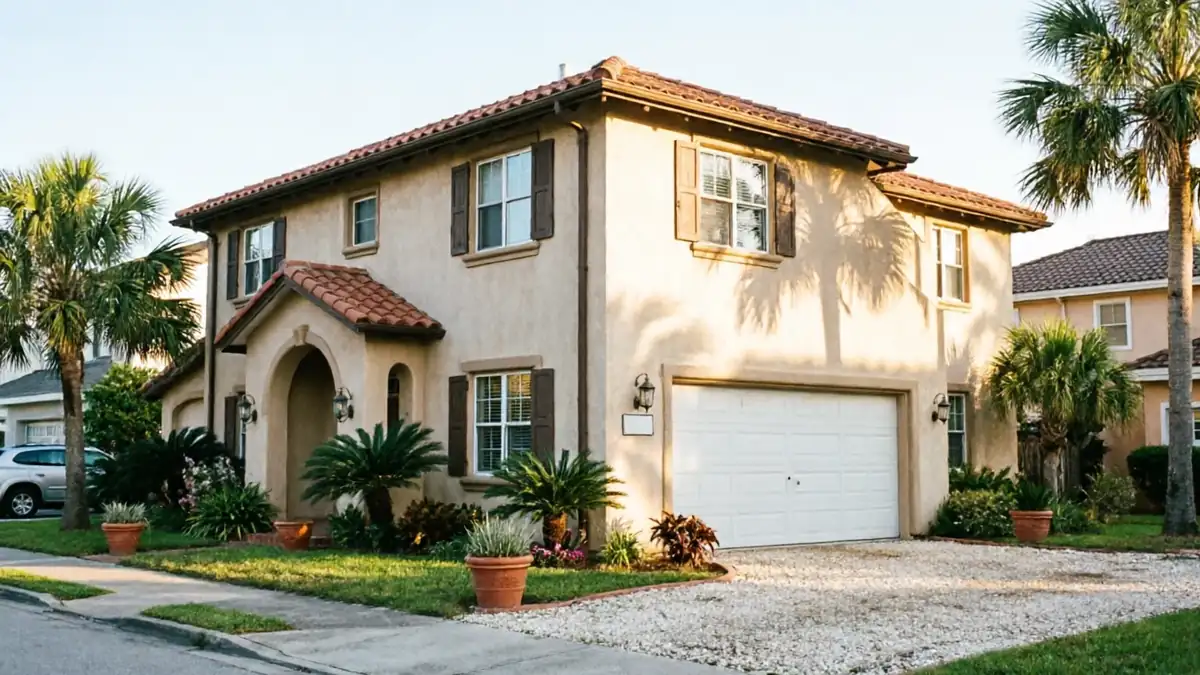
If your door is dragging, reversing for no reason, or the opener hums without lifting, you're not imagining it - you're watching parts that have been working since before most of the neighborhood had sidewalks. Most houses in the Wesley Chapel service area, including were built between 1970 and 2005, with the median year landing around 1988. That nearly four-decade spread means a lot of garage doors here are still running on the original torsion spring or opener installed when the house was framed. You might notice the door closes crooked, one panel sags lower than the others, or the remote works from the driveway but not from the street. None of that is random. It's a door built for a house that's now 20 to 50 years old, carrying springs and bearings rated for a lifespan they've already passed. Homeowners in often describe the same pattern: fine for years, then a sudden hard stop one morning when the spring finally lets go.
What Can Go Wrong
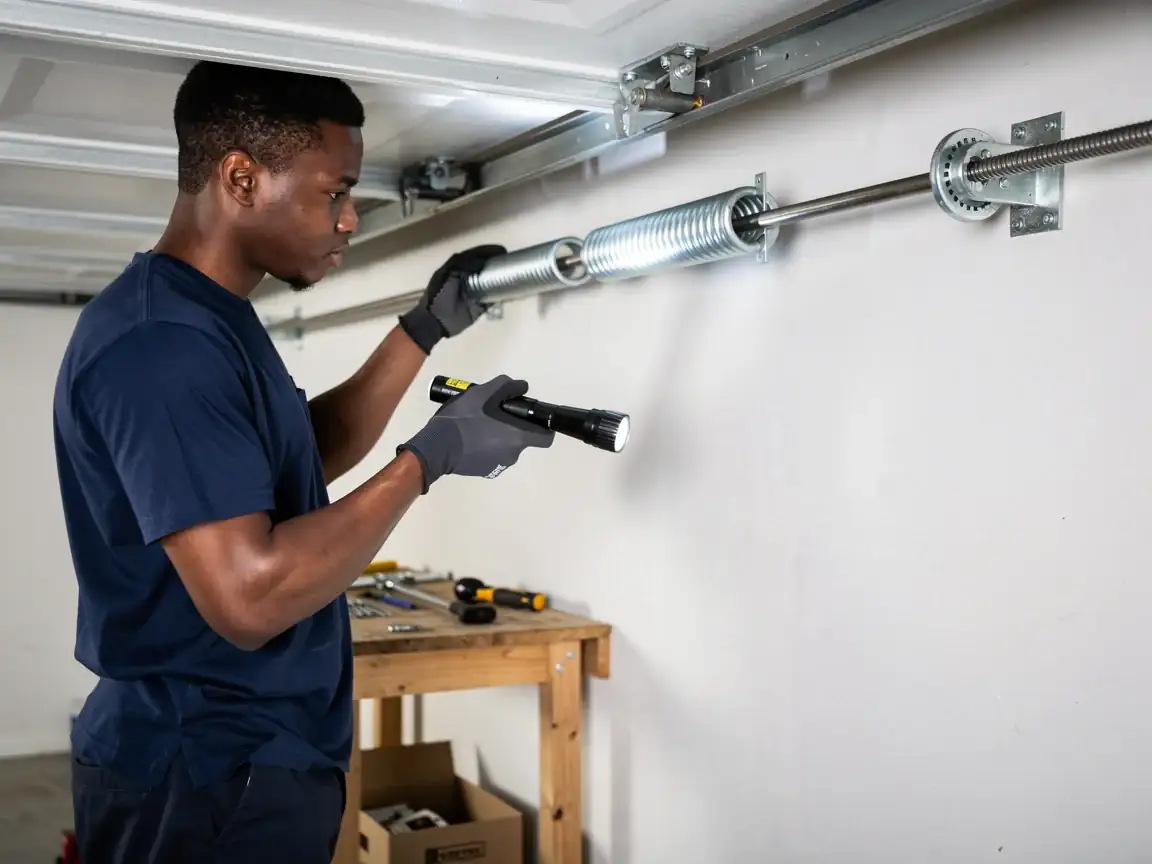
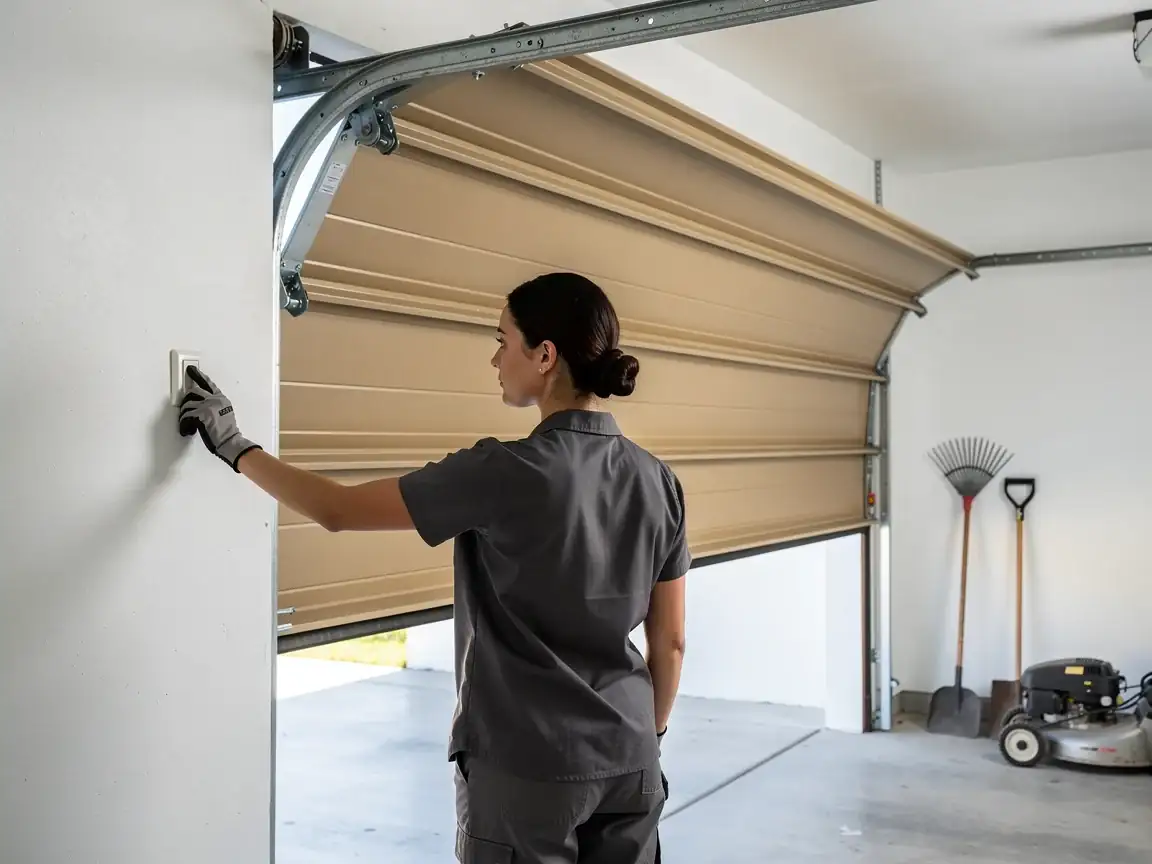
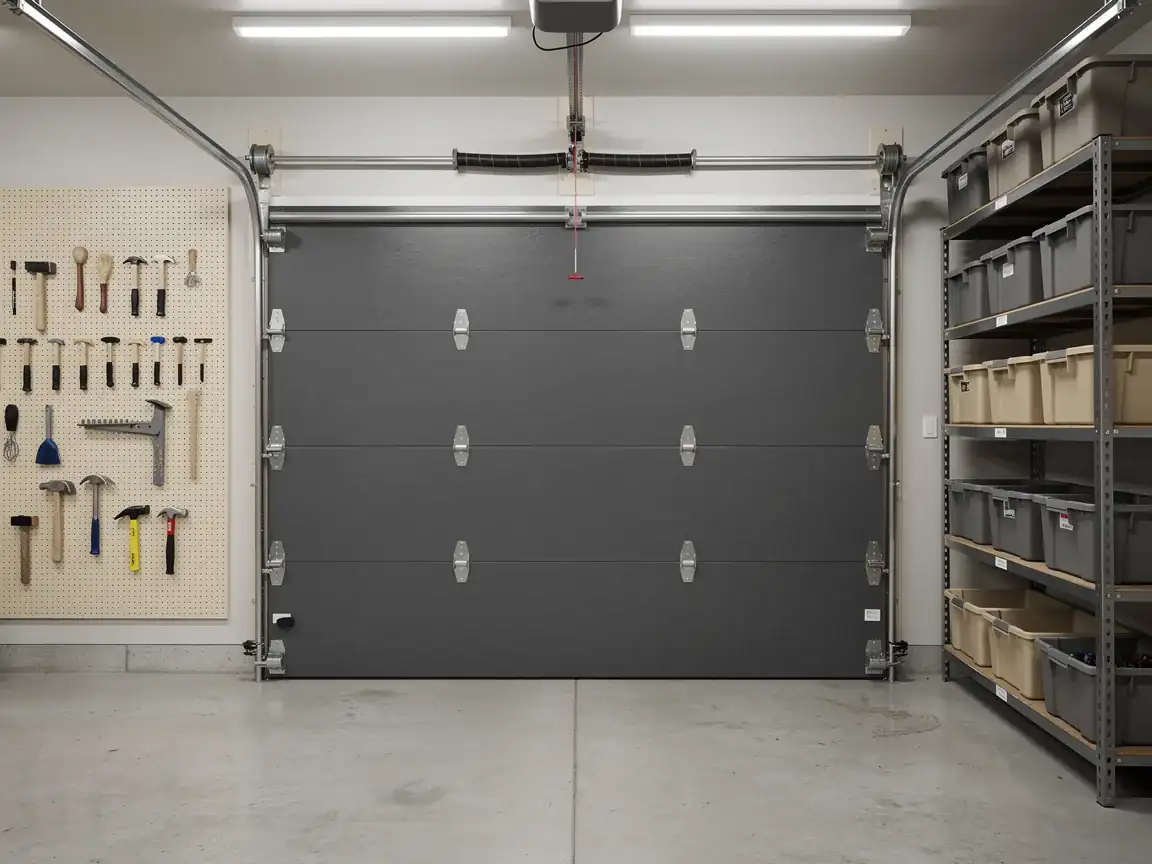
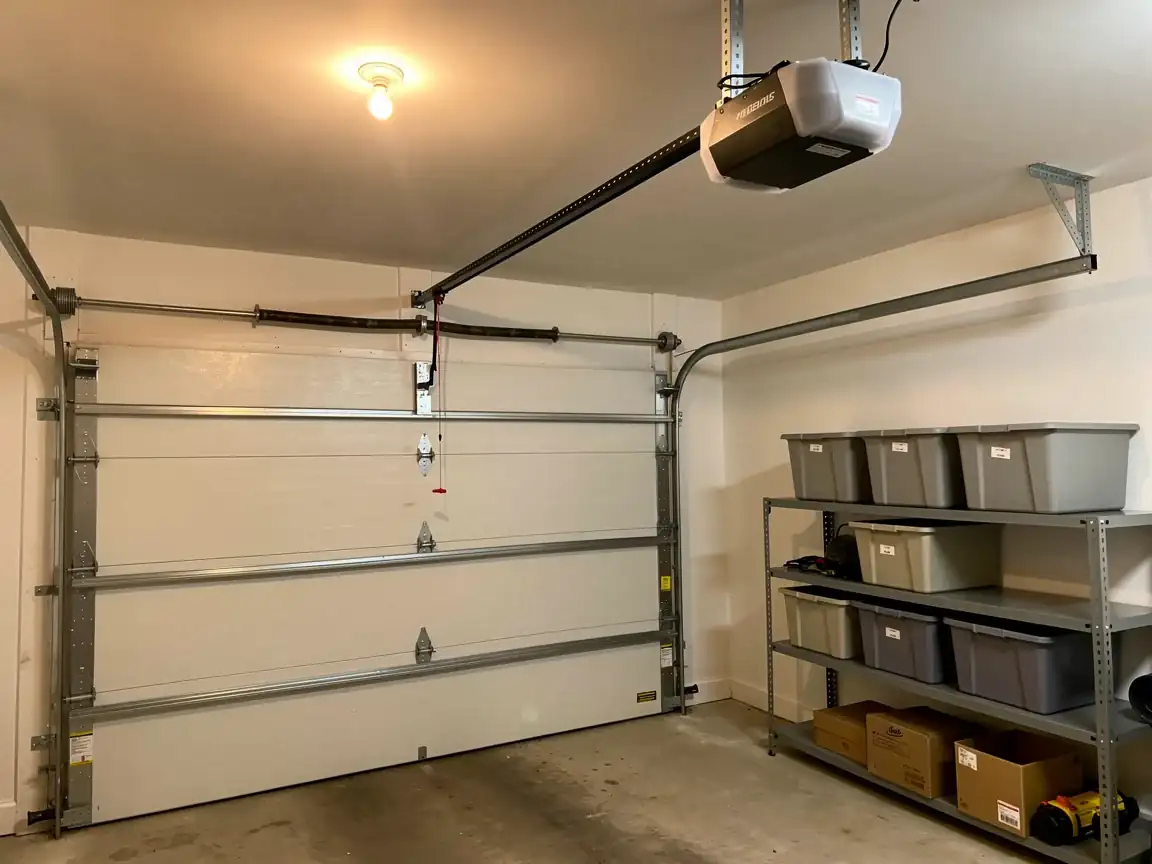
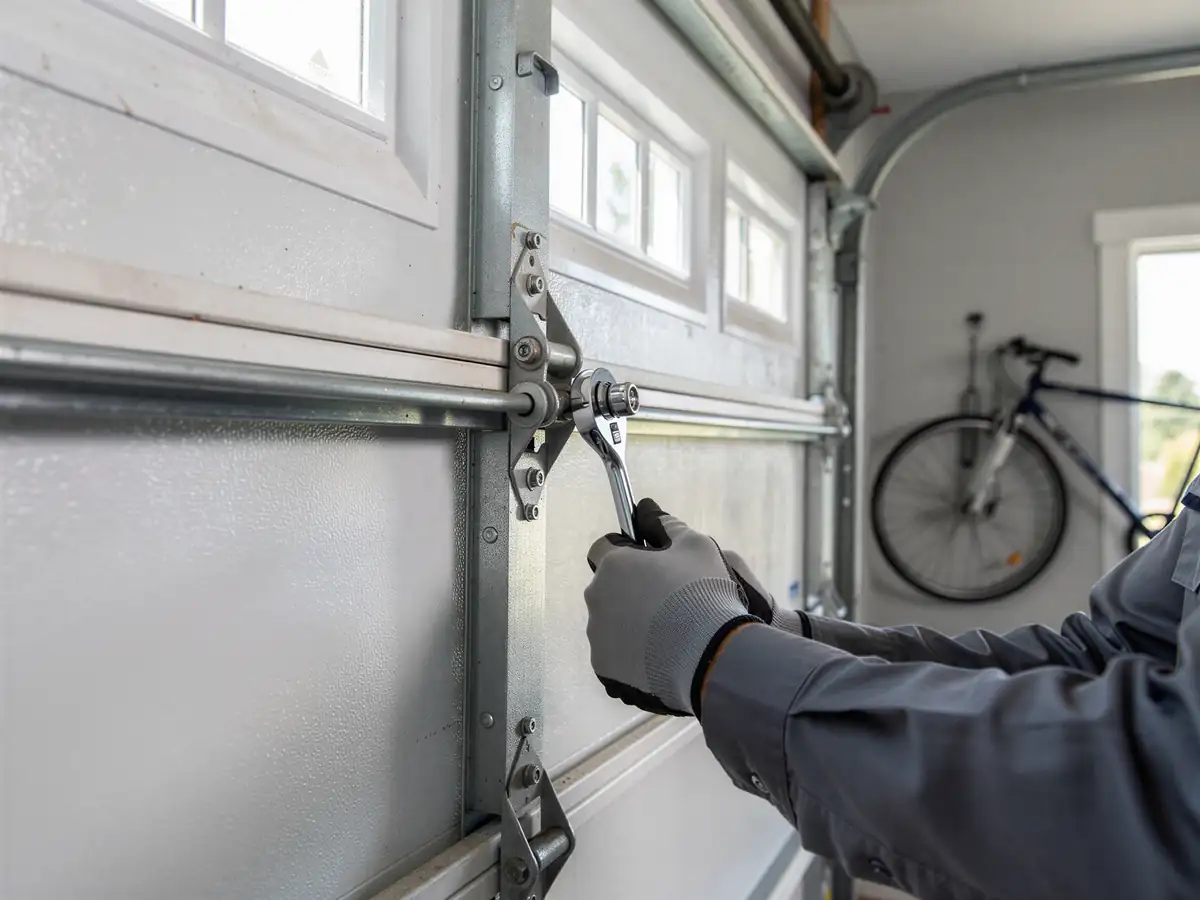
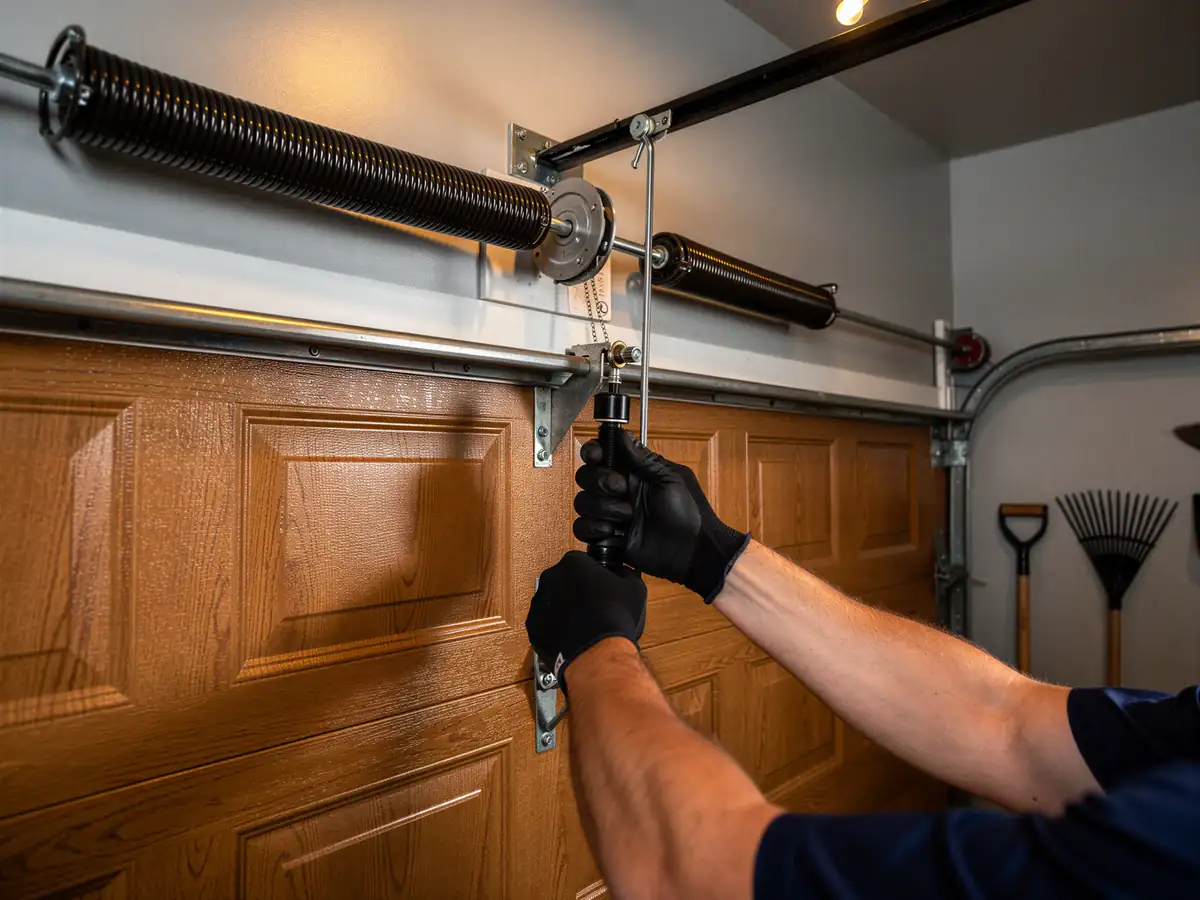
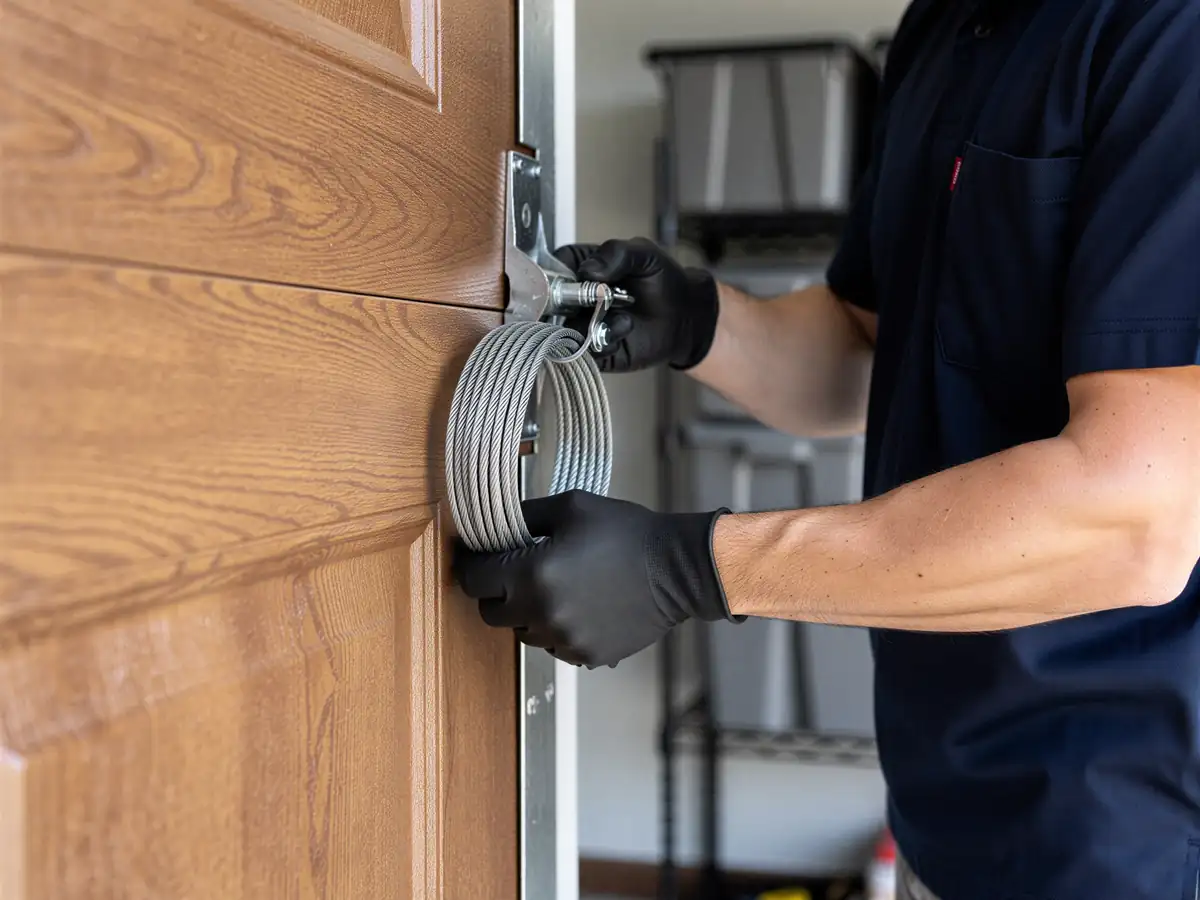
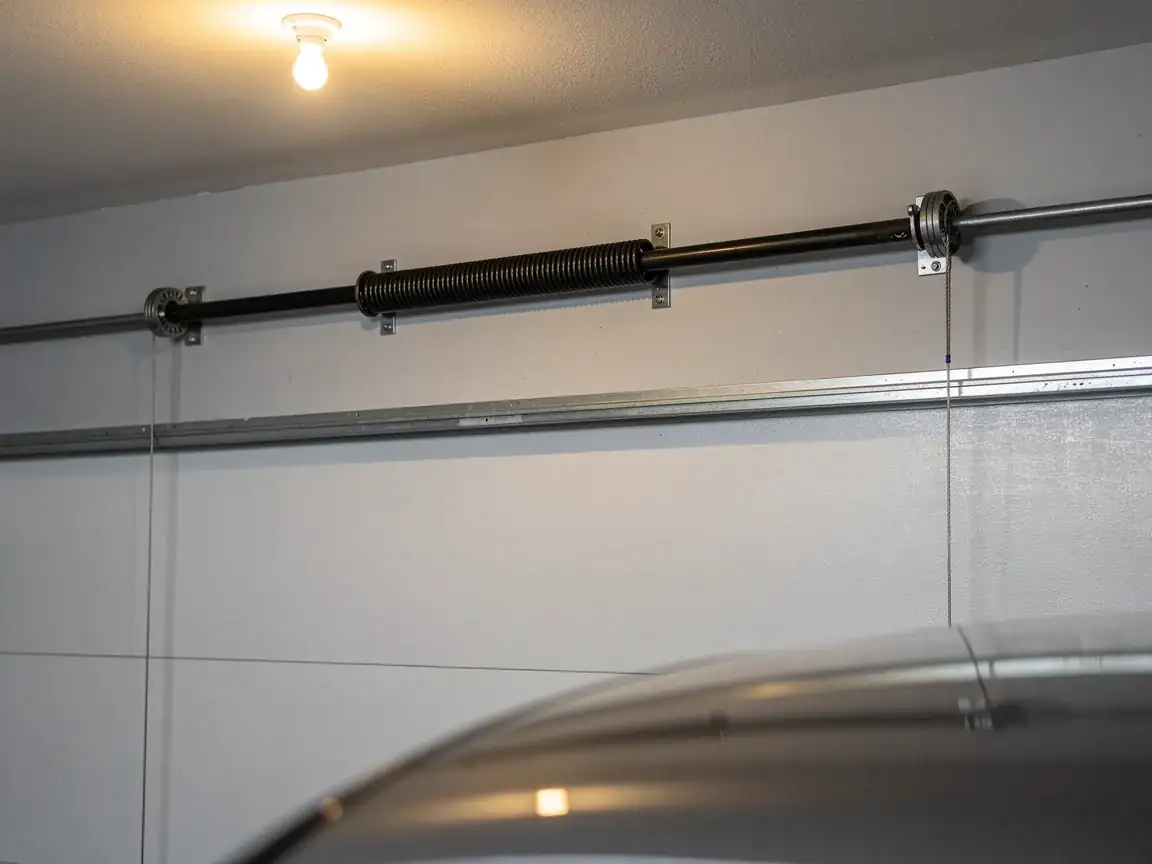
The spring is the usual suspect - torsion springs are rated in cycles, and a door opened twice a day for 30 years burns through that rating whether or not anyone's paying attention. When it breaks, the door either won't budge or drops fast on the way down, which is the dangerous version. Opener circuit boards from the 1980s and 90s fail in a quieter way: the motor runs, the gears turn, but the logic board that reads the safety sensors starts misfiring, so the door reverses, stalls, or won't respond to the wall button. Tracks that were installed plumb in 1988 can shift slightly as a slab settles over decades, which throws rollers off-center and chews up the track edge. Cables fray at the drum from the same slow wear. None of these are exotic failures - they're what happens to mechanical parts that have outlasted their original hardware generation.
What the Fix Involves
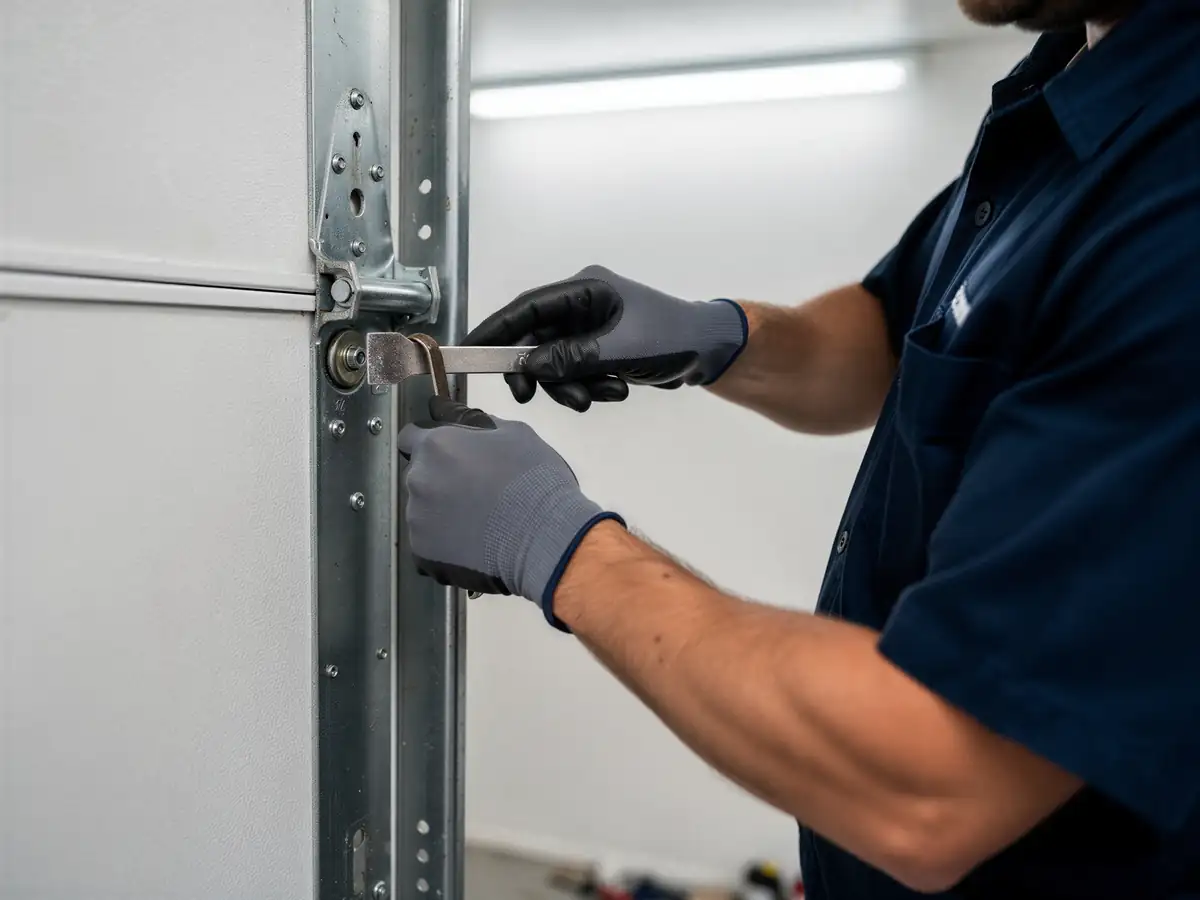
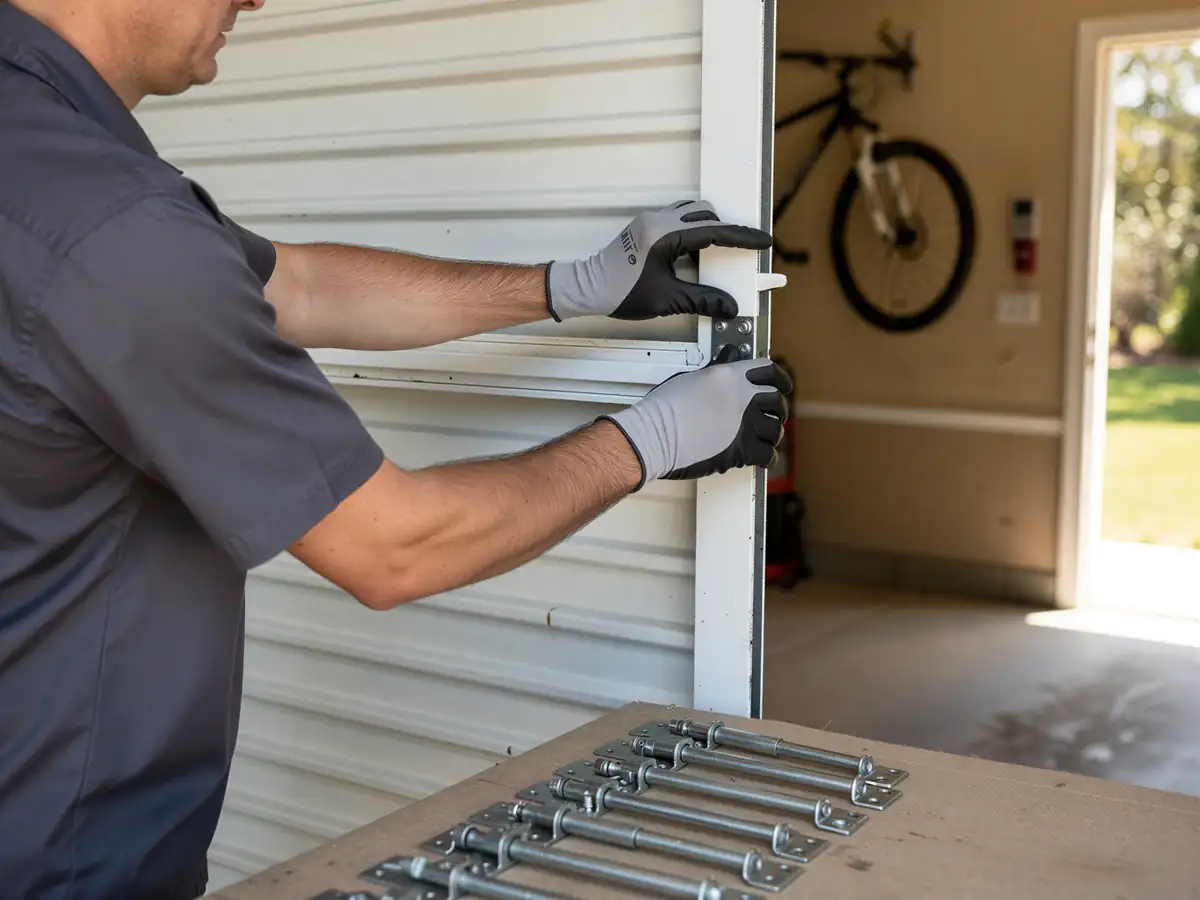
A spring replacement means matching the wire gauge and wind to your door's weight, not just grabbing whatever's on the truck - a mismatched spring strains the opener and shortens its life too. For doors from the 1988 era, we often find the drums and cables need replacing at the same time, since they've been under tension just as long. Opener board failures sometimes mean a new logic board, but if the motor itself is original, a full opener swap is usually the better call than chasing a 30-year-old part. Here's the limitation worth knowing up front: original circuit boards and some drum sizes from that era aren't made anymore, so if yours is a discontinued part, we're replacing the opener or hardware rather than patching the old one - there's no shortcut around that. Track realignment is usually a same-visit fix once the spring or cable issue causing the misalignment is handled first.