Getting Here
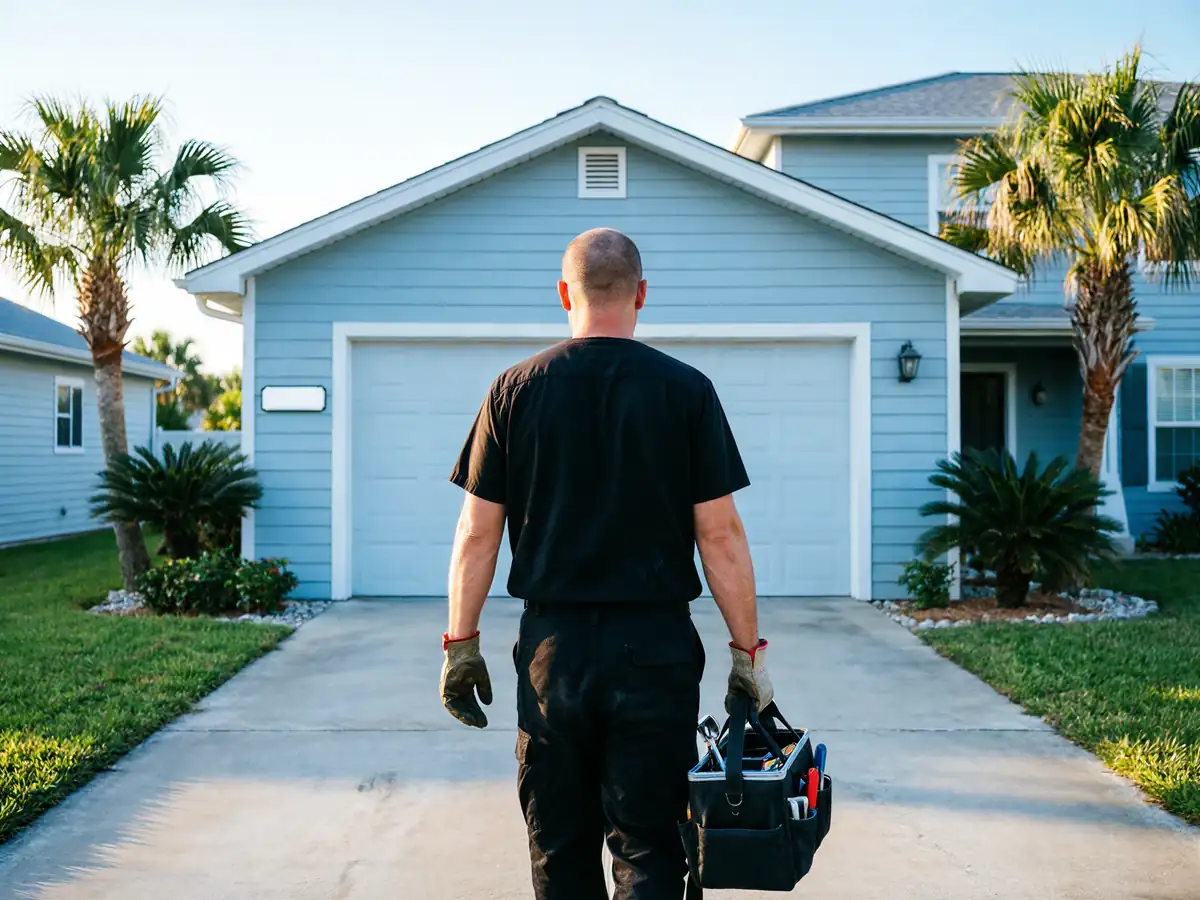
We run the truck out to Zephyrhills West from our Wesley Chapel base, about 7 miles up the road. That's close enough that a morning call doesn't eat the whole day, but we're not parked around the corner, so we ask that you give us a rough idea of the problem when you call - broken spring, dead opener, door stuck halfway - so we load the right parts before we leave. We don't keep a depot in Zephyrhills West itself; the service comes from Wesley Chapel, same crew, same truck stock, just a short drive.
The area sits among a cluster of named communities inside the wider service territory - Pebble Creek, and Zephyrhills proper are all nearby - but Zephyrhills West has its own character, and it's older than most of what's gone up around it in the last two decades. That matters more than the mileage once you're standing in front of the door.
Old Streets and New Ones
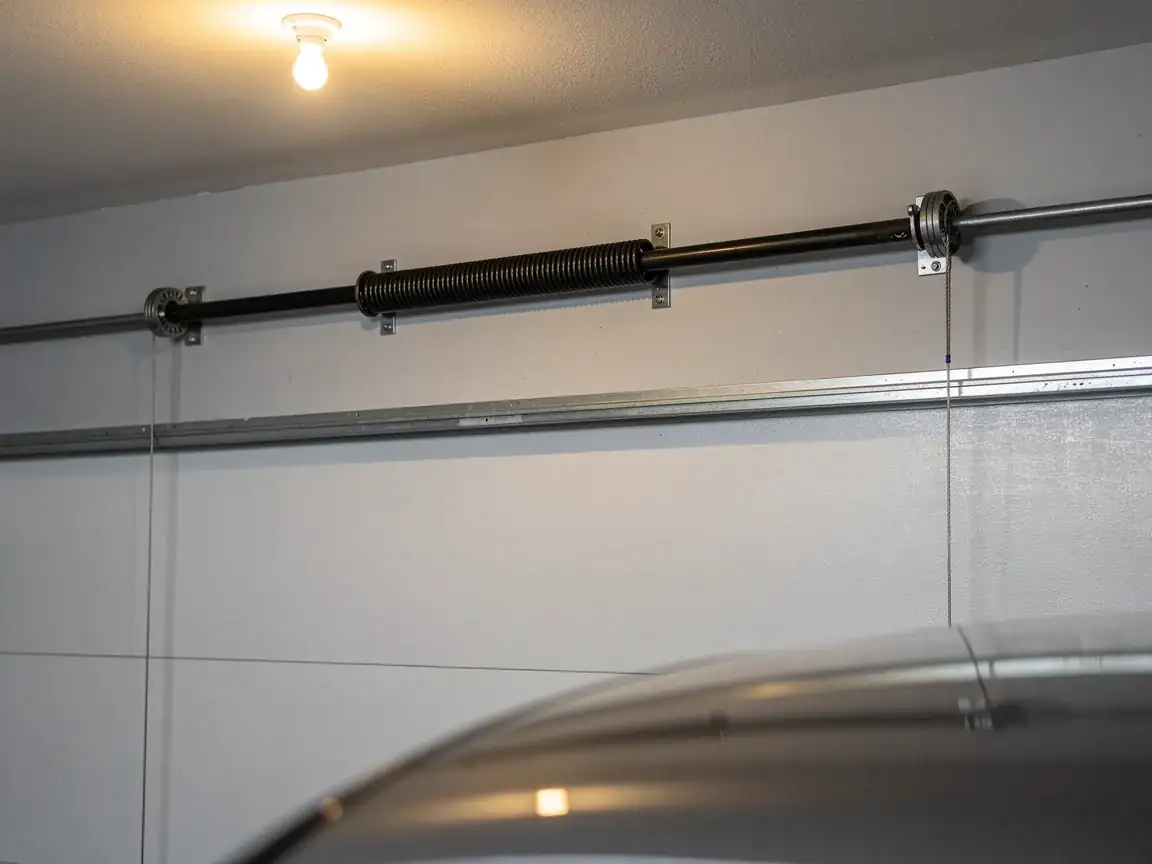
Zephyrhills West's housing centers on a median build year of 1981 - noticeably older than the 1988 median across the wider service area, and a full generation ahead of the newer subdivisions filling in nearby. That gap isn't trivia. A door installed in the early 1980s was built to a different spring tension standard, often with a single torsion spring instead of the dual setup common on newer doors, and the opener - if it's even the original - predates modern safety-reversal mechanisms by years.
With roughly 3,027 households in the area, we're not talking about a handful of outlier houses. This is the dominant housing stock here, not an exception. Streets that filled in during the 1980s tend to share the same builder-grade hardware, which means when one door on a block starts grinding on its rollers, the house two doors down is usually not far behind. We see that pattern repeat across older sections of the county, and Zephyrhills West is squarely one of them.
What the Housing Means for Your Door
A door from the early 1980s was built before lighter steel and foam-insulated panels became standard
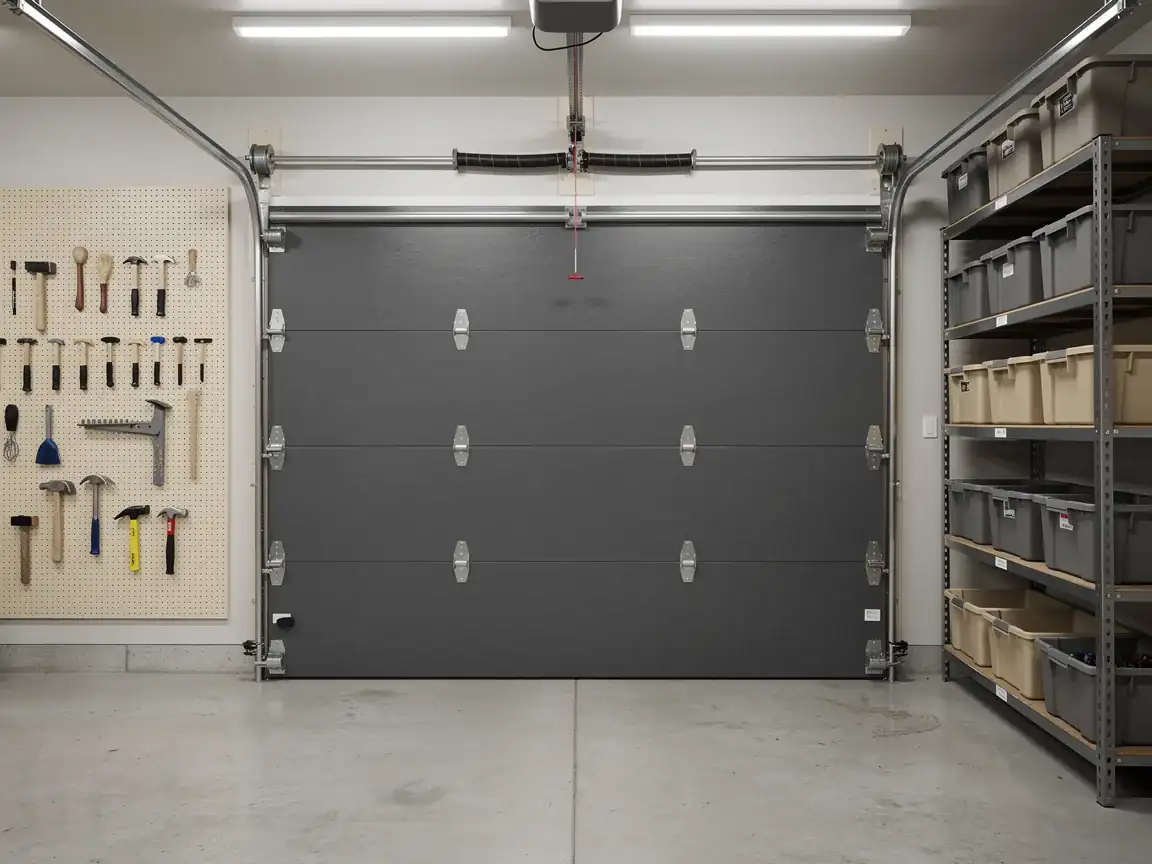
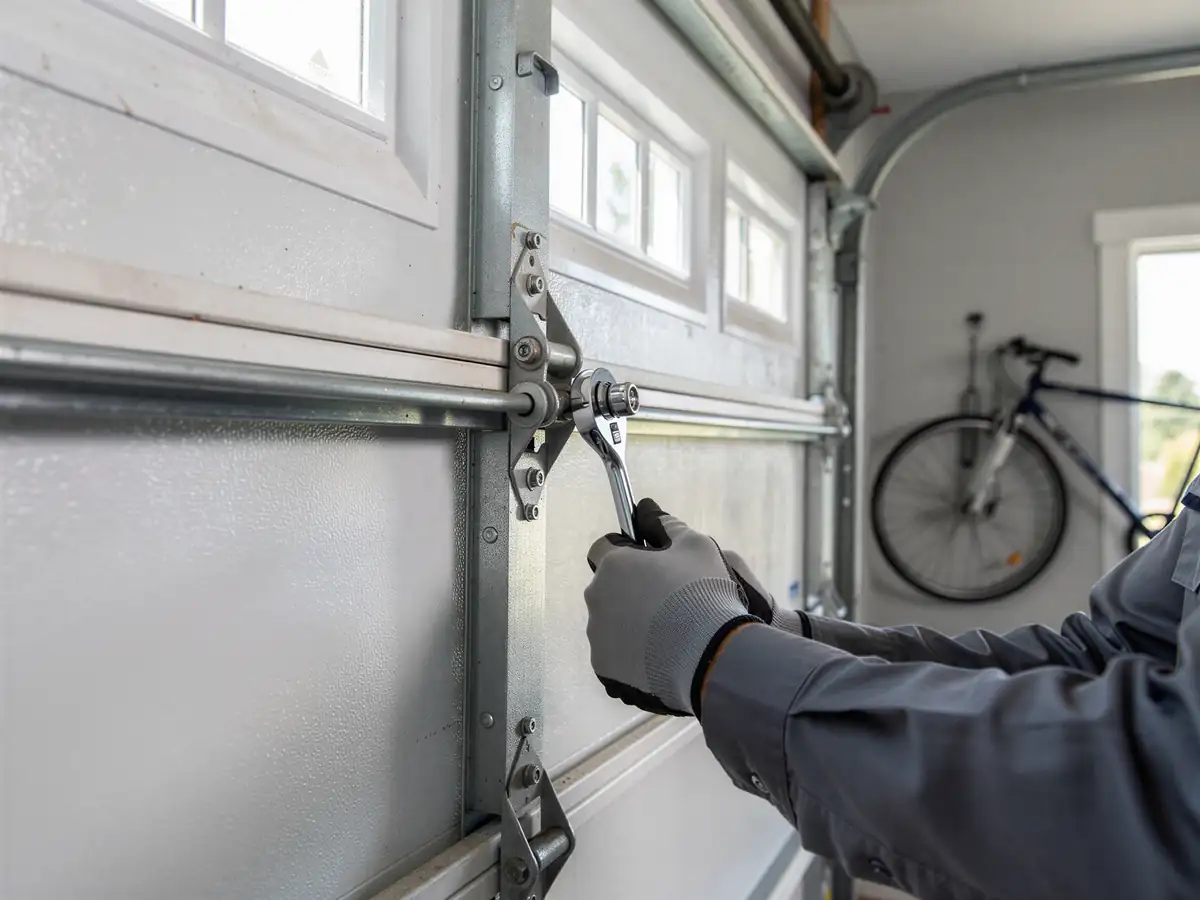
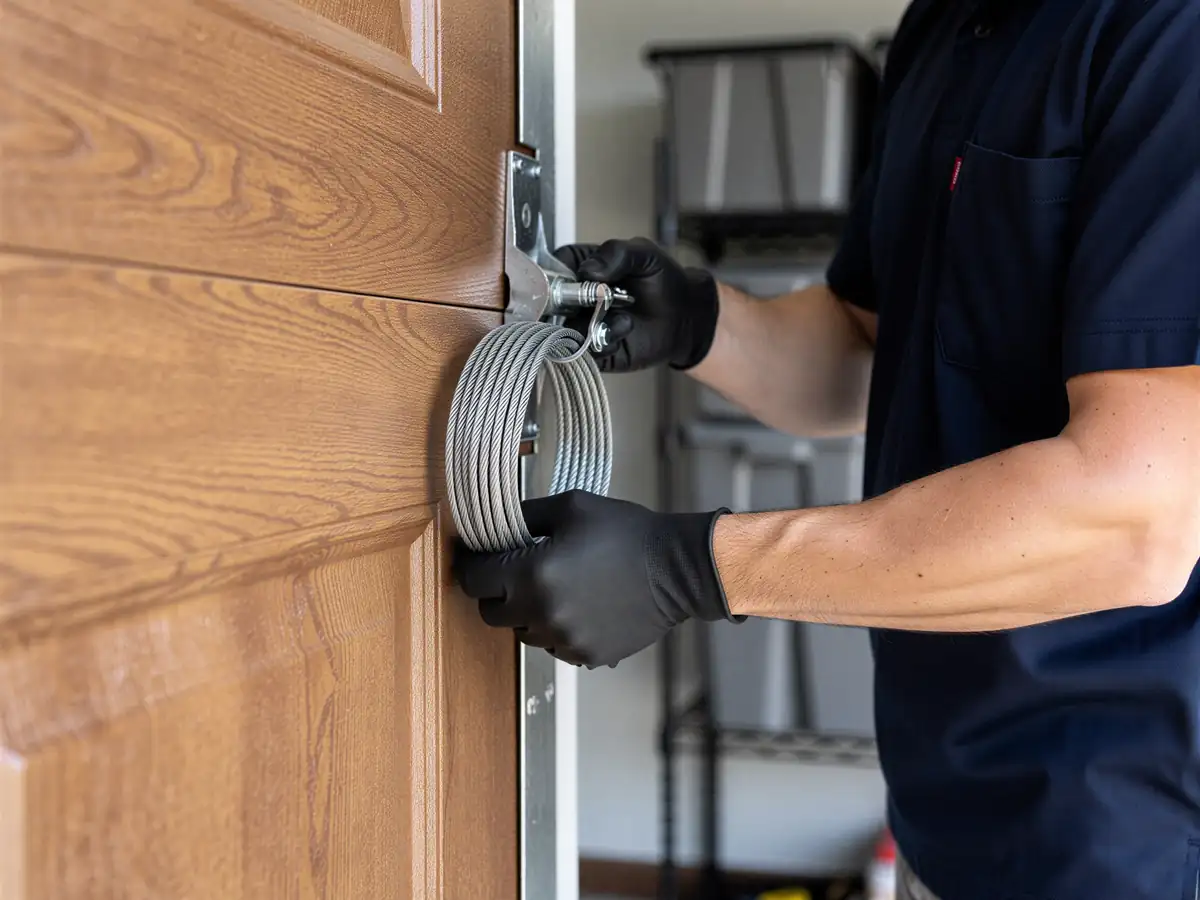
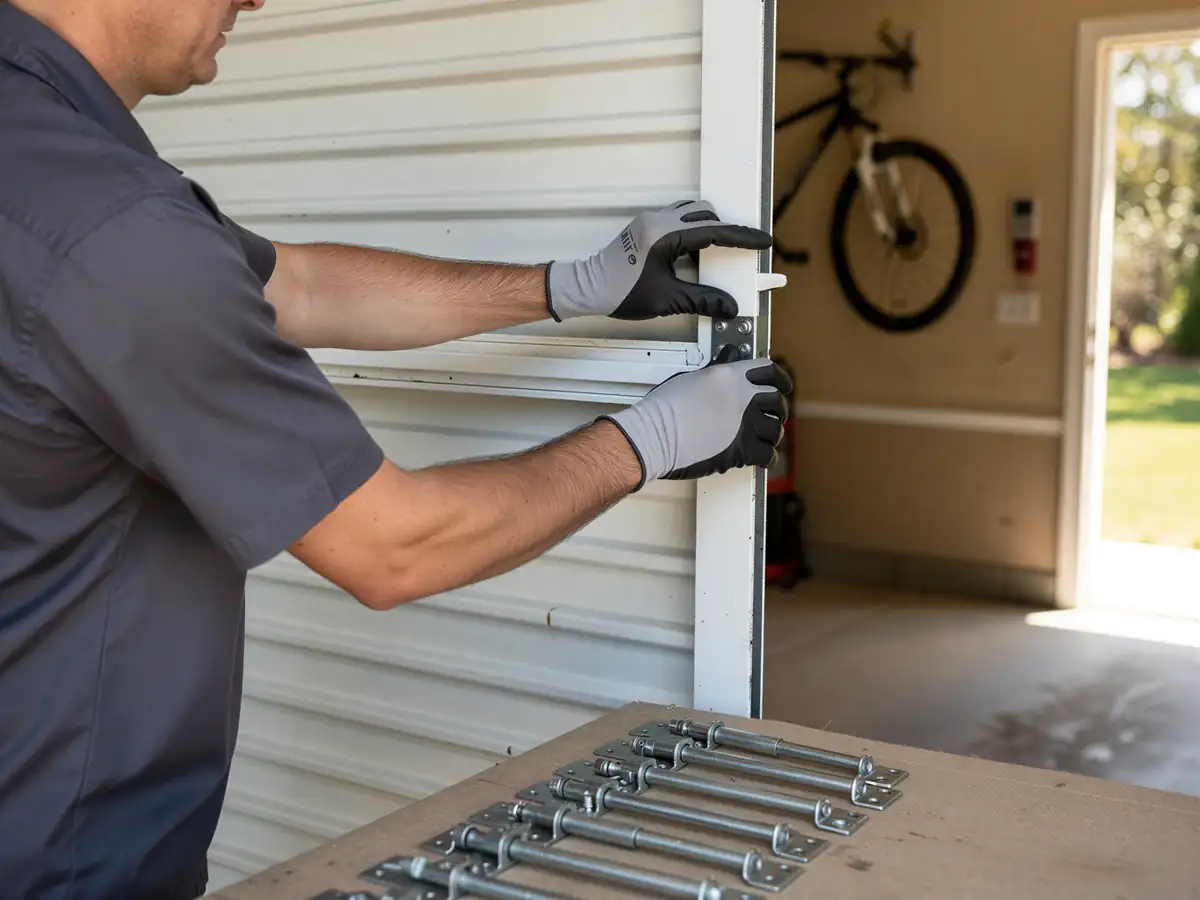
These are typically heavier, single-layer steel sections on galvanized track that's had forty-plus years to collect rust, especially given the mild temperate climate here that doesn't do the hardware any favors through humid summers. Rollers on original doors are almost always steel, not nylon, and they're loud by the time we get the call.
The springs are the bigger issue
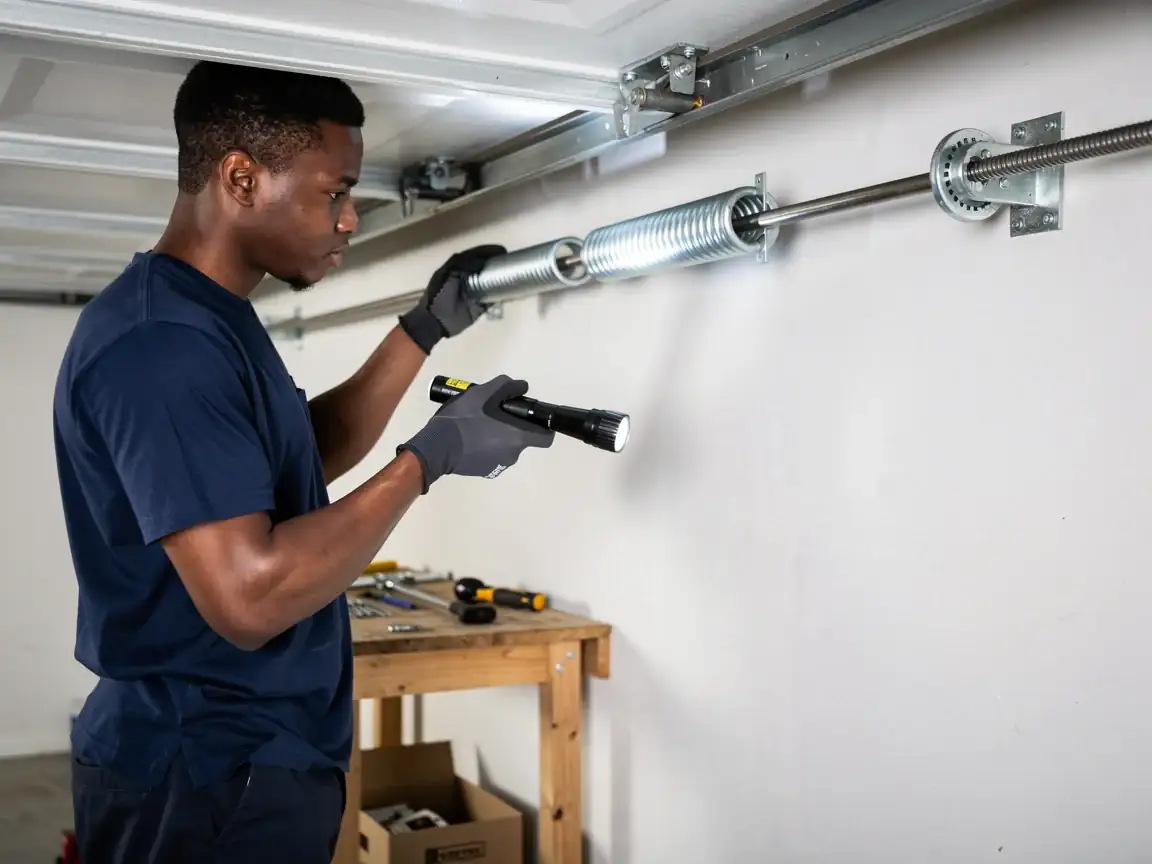
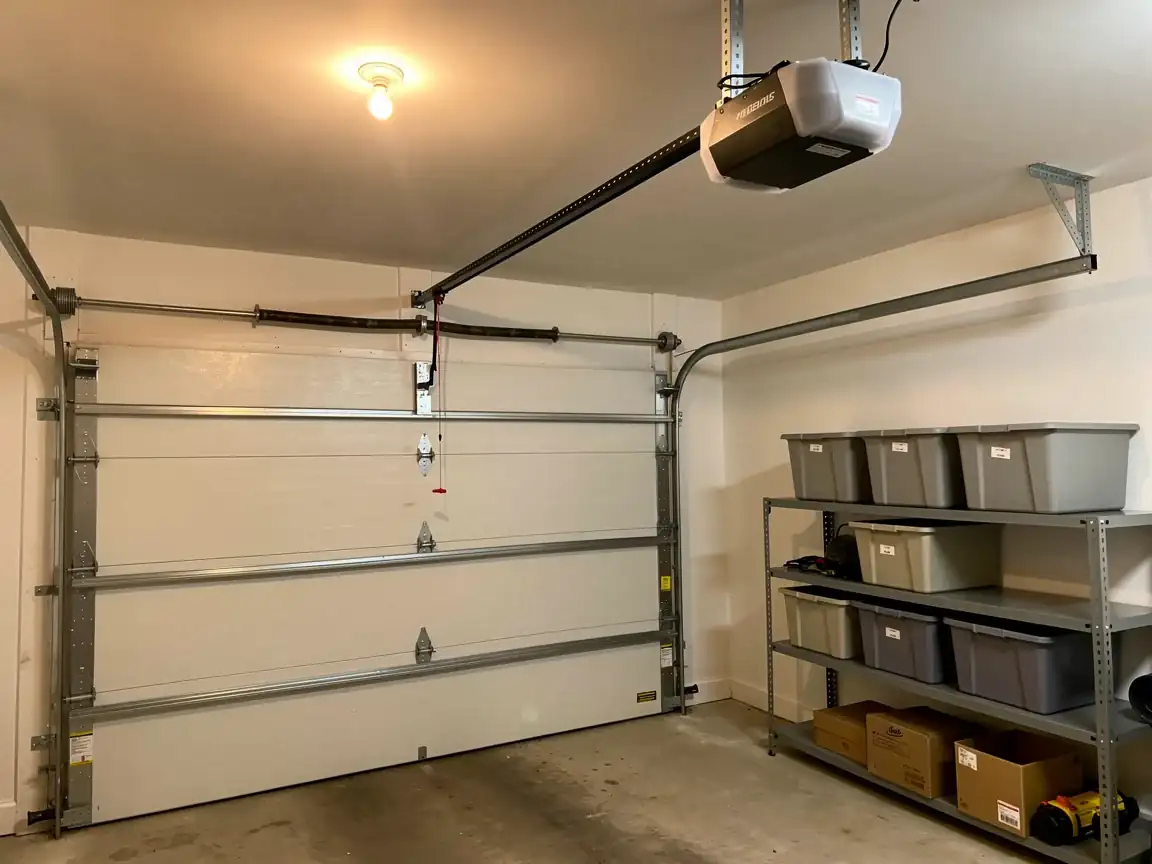
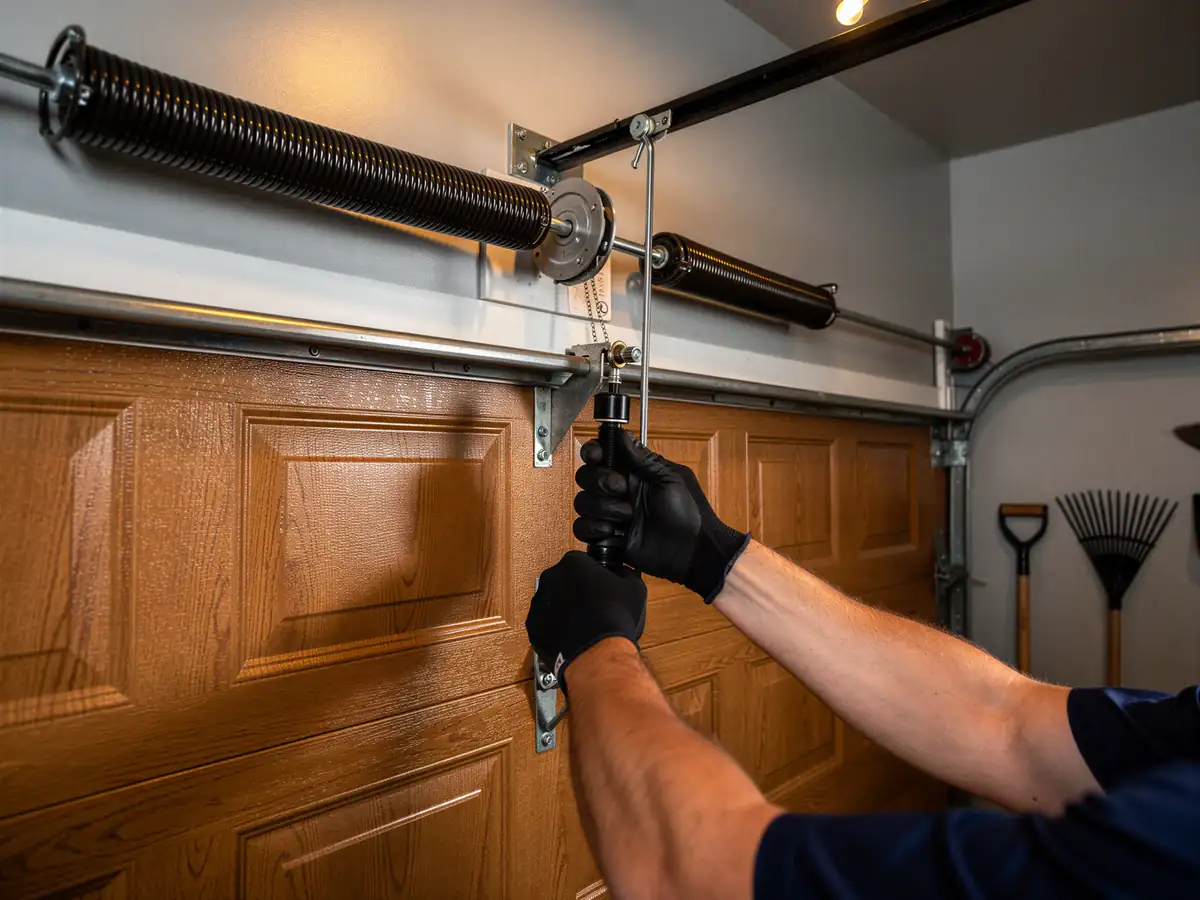
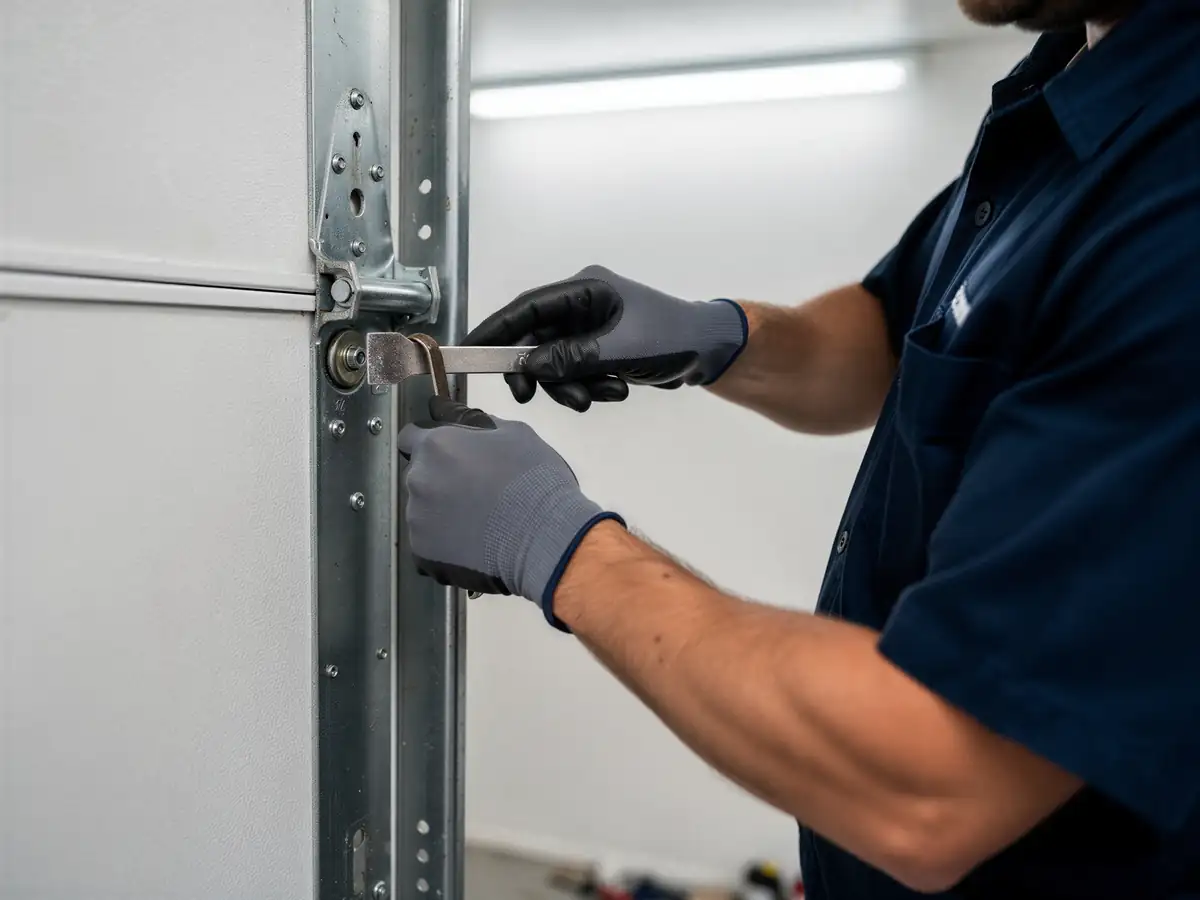
A torsion spring rated for 1981-era door weight wears out on a cycle count, not a calendar, and most of these have long since exceeded it - we just don't know it until one lets go. If your opener is original too, it's running on a chain drive with no battery backup and no modern safety sensors, which is a separate conversation from the spring but often comes up in the same visit.
One honest limitation
If the track is bent or the panels are rusted through in more than one spot, patching the old hardware often costs more over two years than replacing the unit outright. We'll tell you straight which side of that line your door is on.
The Houses Here
At a median household income of $49,315, Zephyrhills West runs lower than some of the newer communities closer to Wesley Chapel, and that shapes the calls we get - more targeted spring and roller repairs, fewer full-door swaps unless the panels are genuinely past saving. That's a reasonable way to spend money on a door that's otherwise sound.
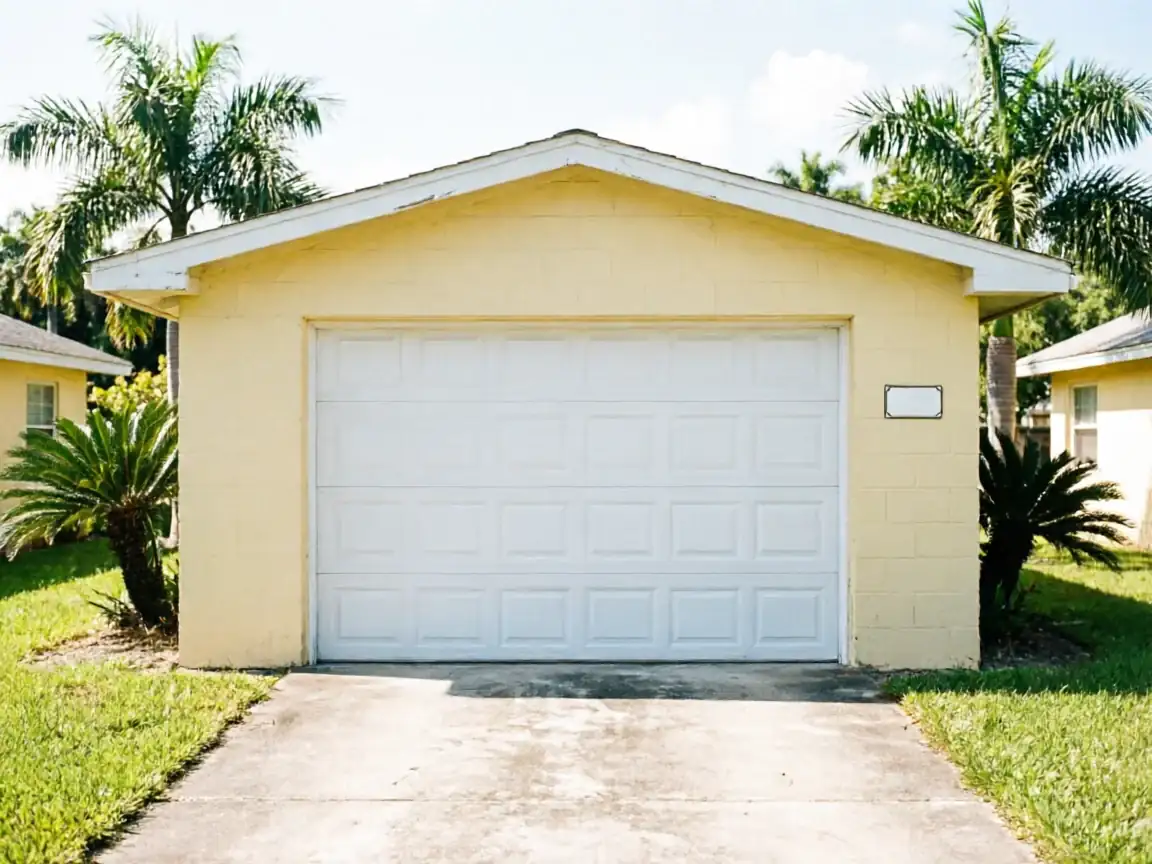
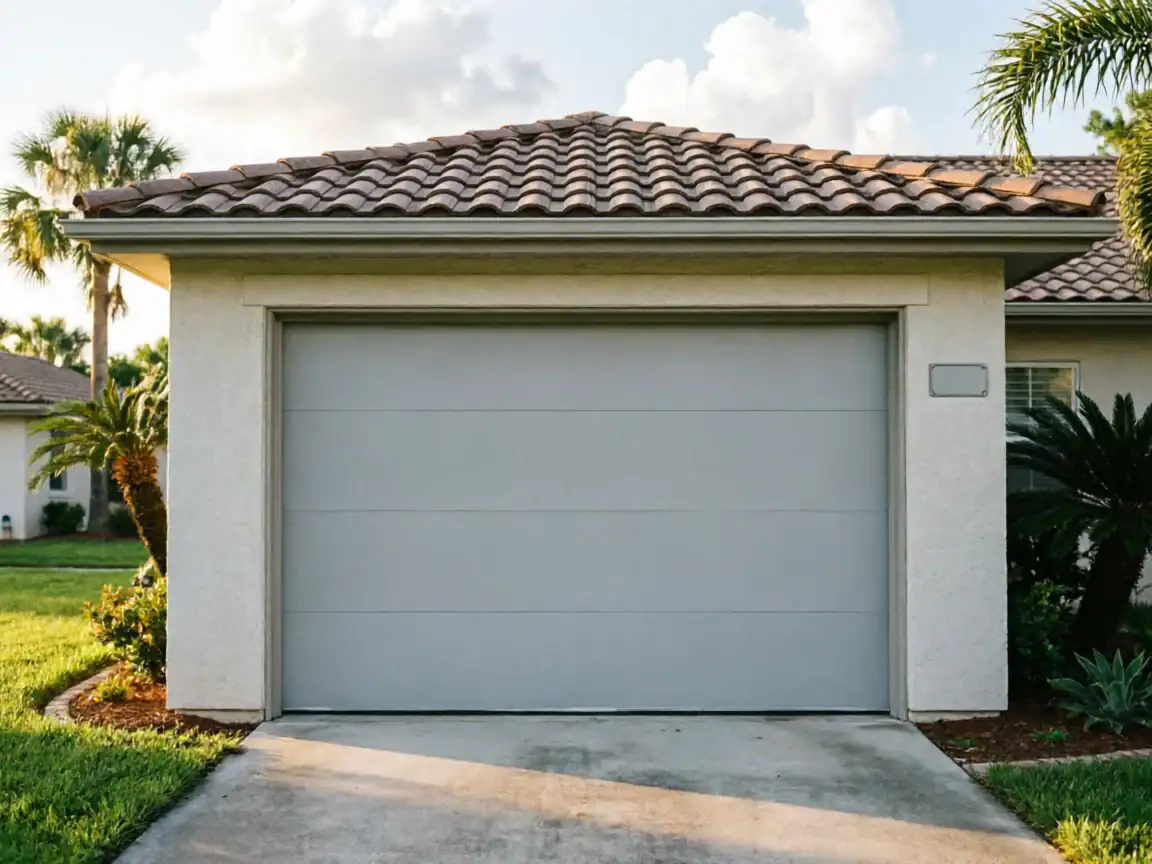
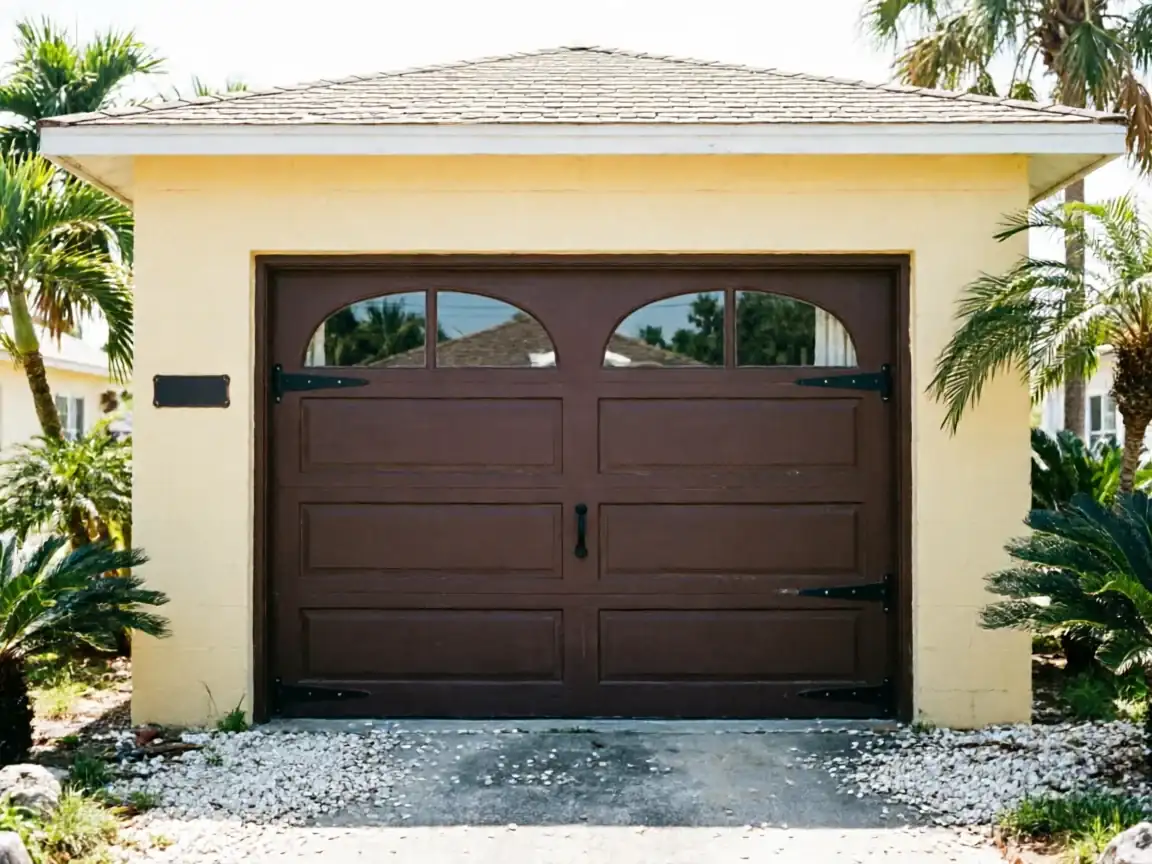
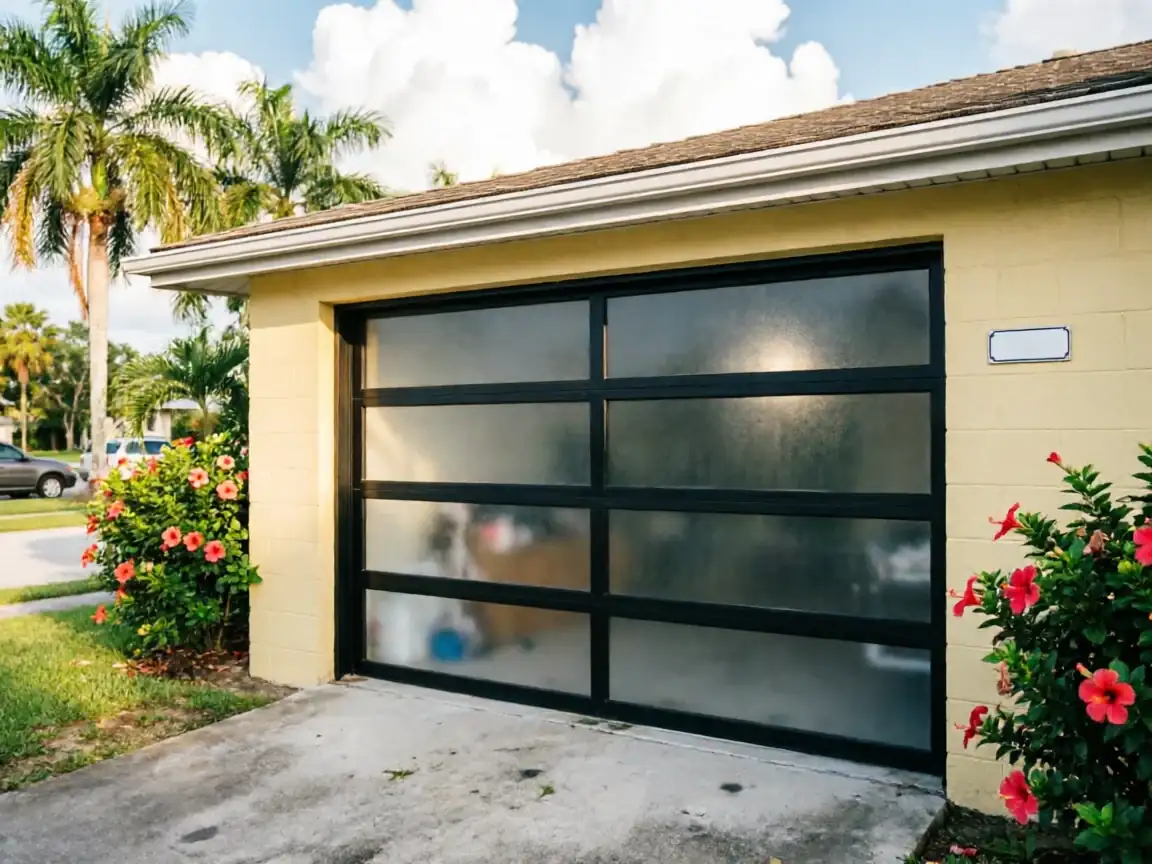
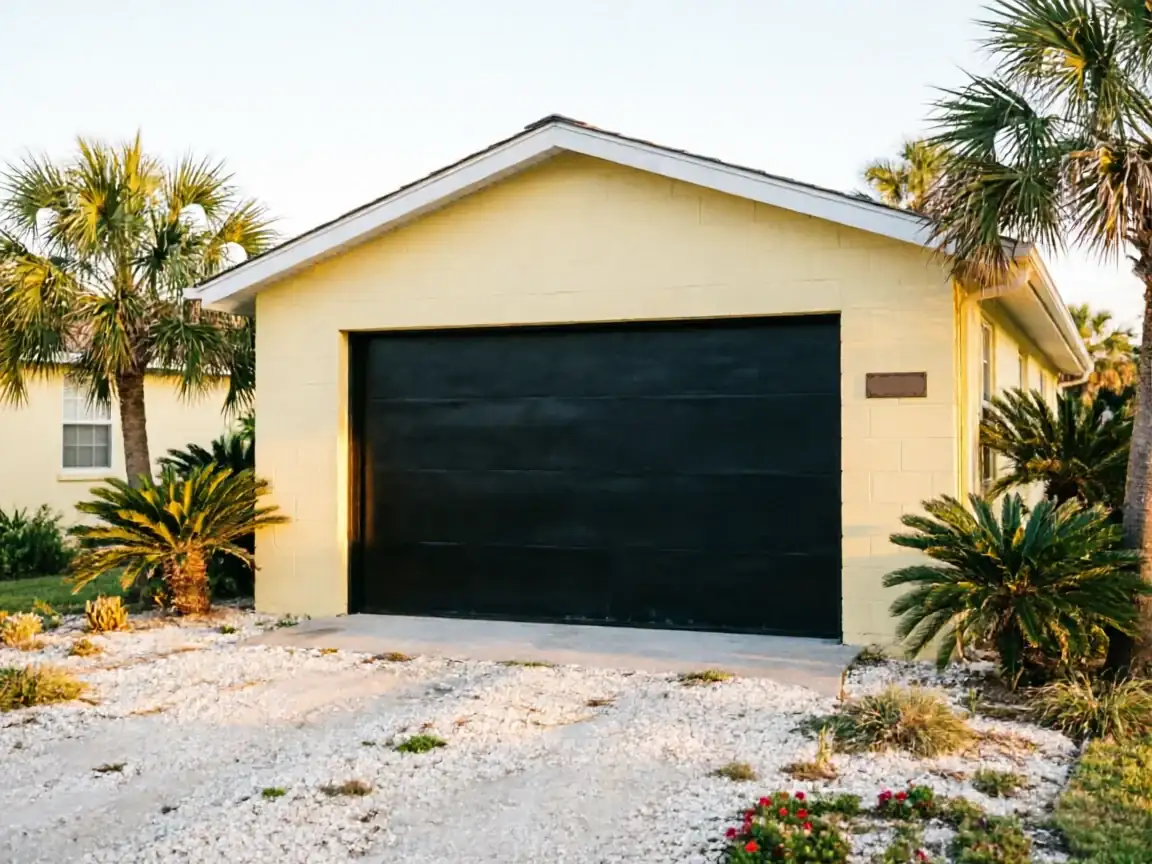
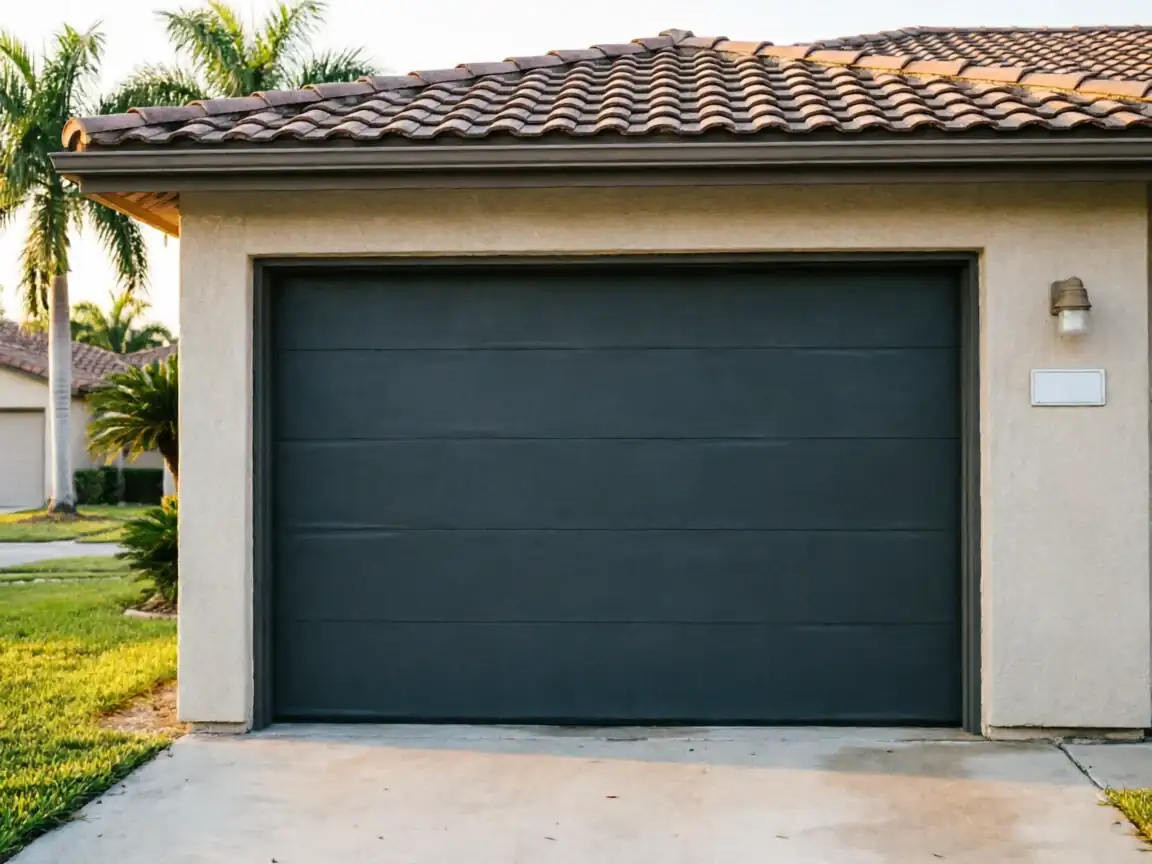
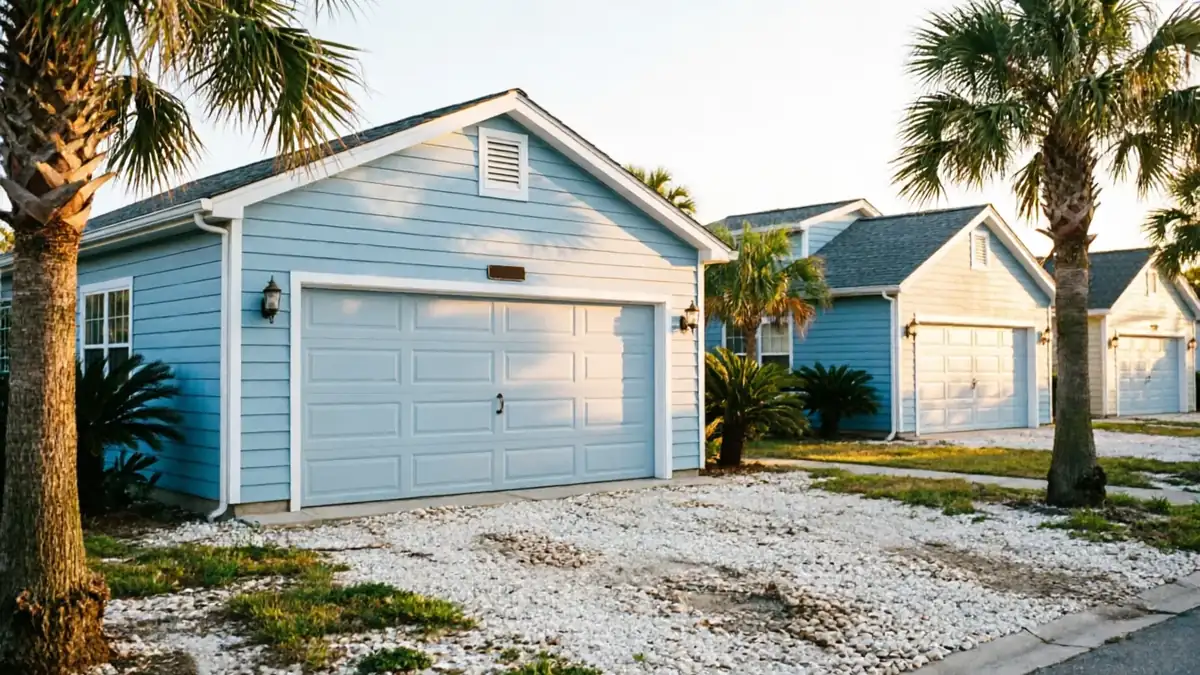
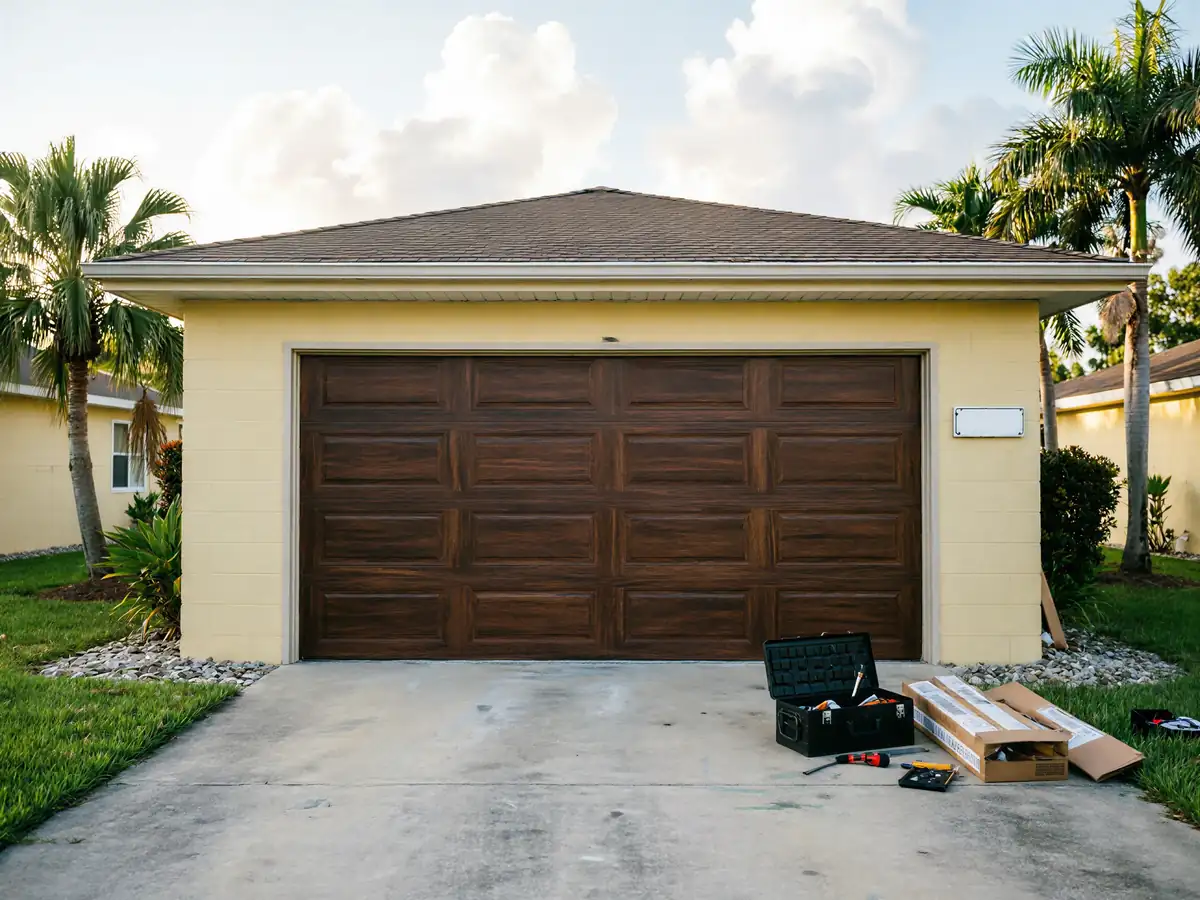
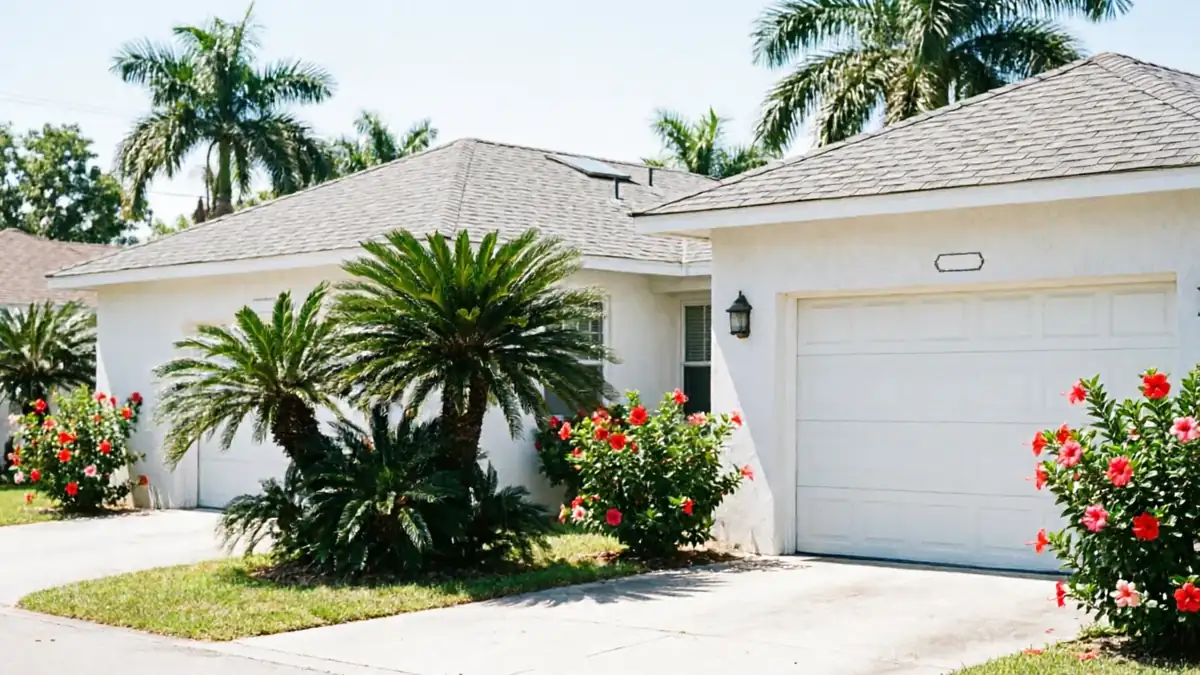
Houses here tend to be single-story with attached garages built to the standards of the early 1980s, which usually means a single-car or modest double-car opening rather than the wider three-car bays you see in newer builds further out. The track clearance is tighter, which matters if you're ever shopping for a replacement door and want it to actually fit the header without extra framing work. We size for what's there, not for a catalog default.