What You Are Seeing
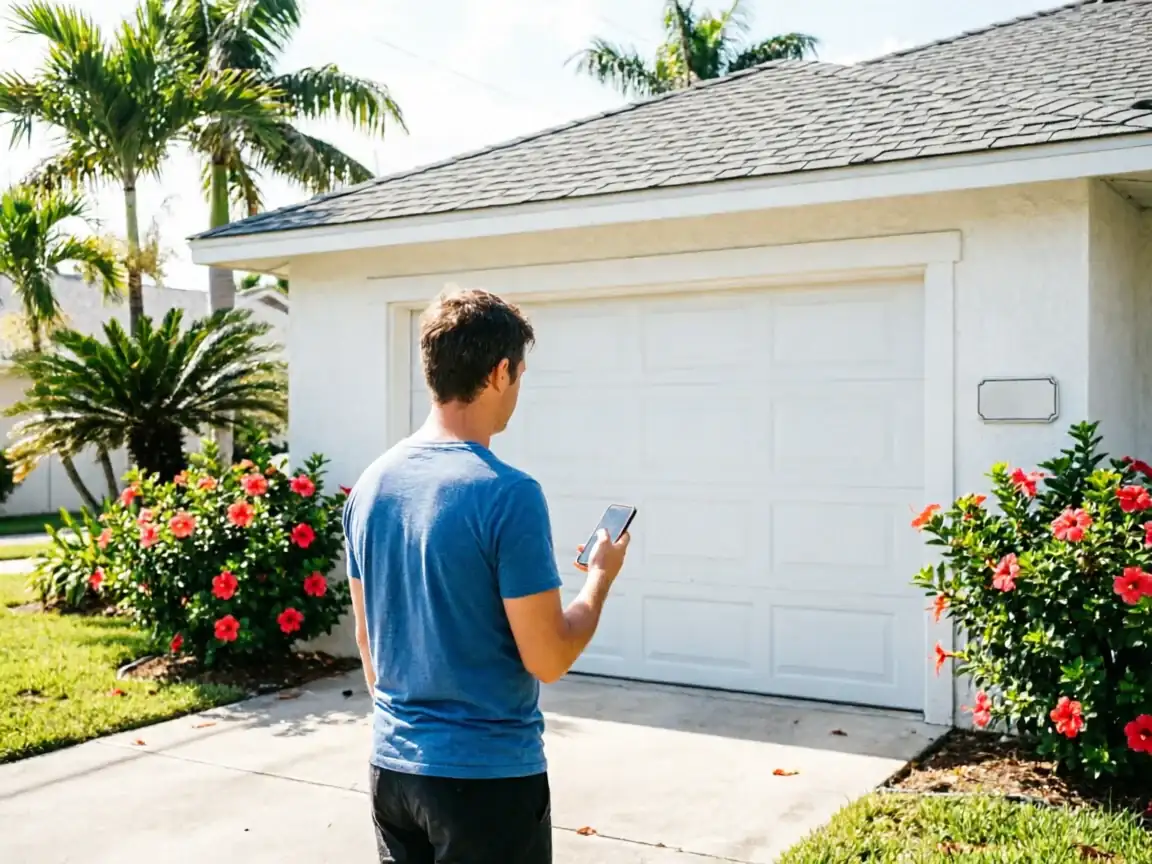
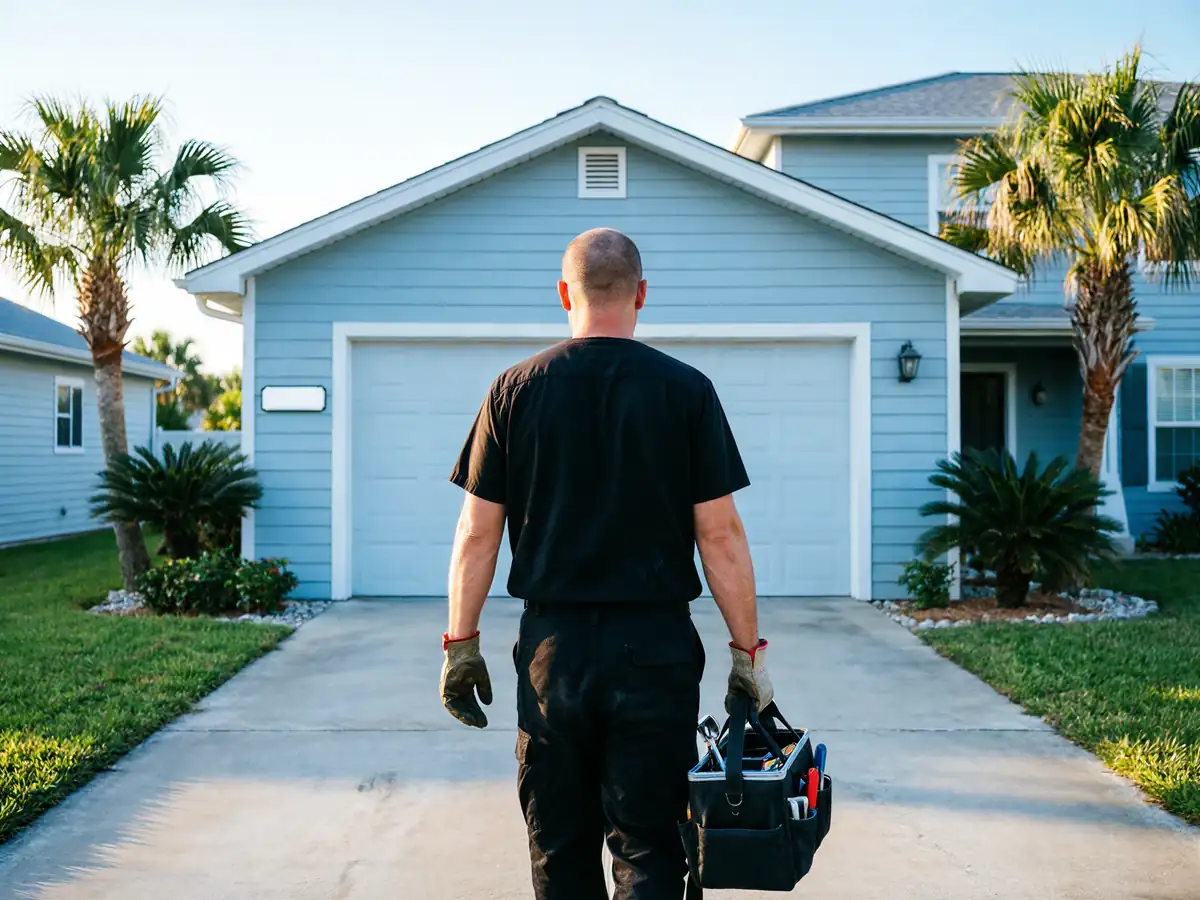
The door won't move, or it moves and then slams the last foot of track. The opener motor hums but the trolley stays put. A cable has jumped the drum and the door hangs crooked on one side. These are the calls that can't wait for a Tuesday appointment, and they're the ones we take as emergency work.
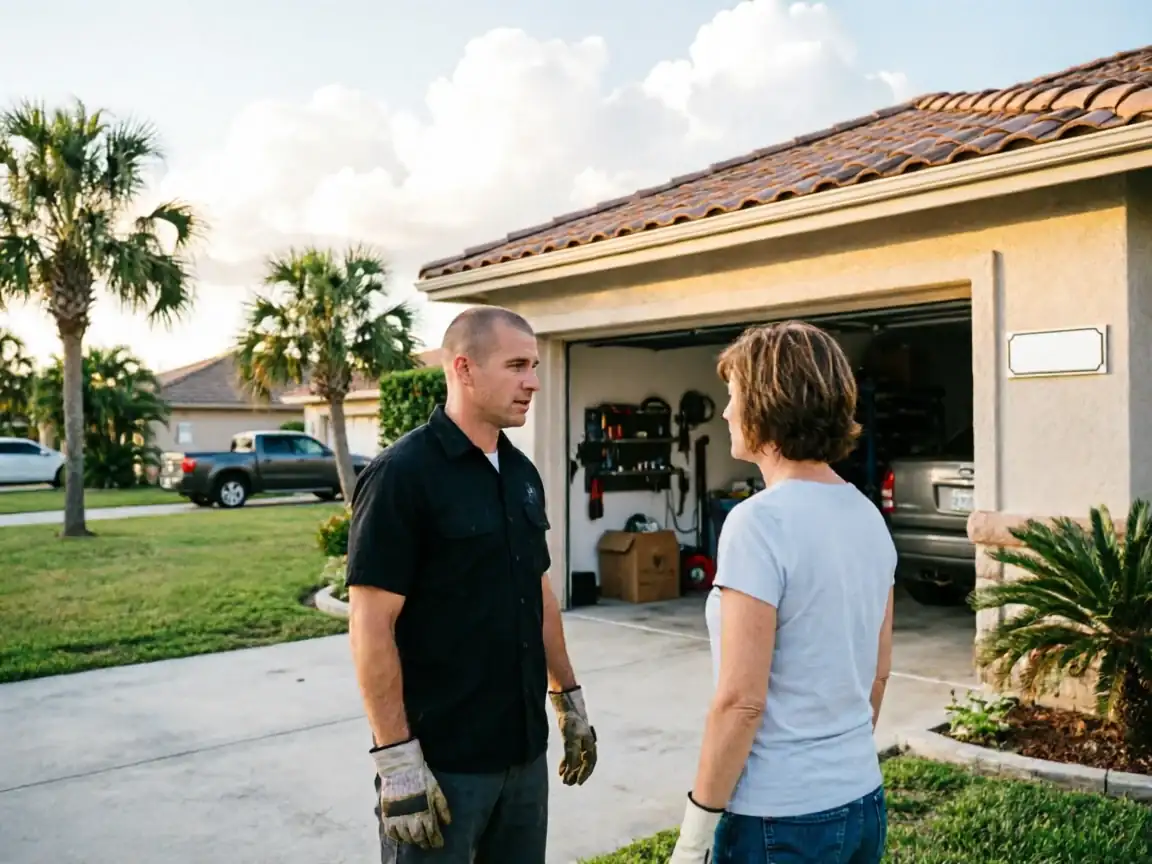
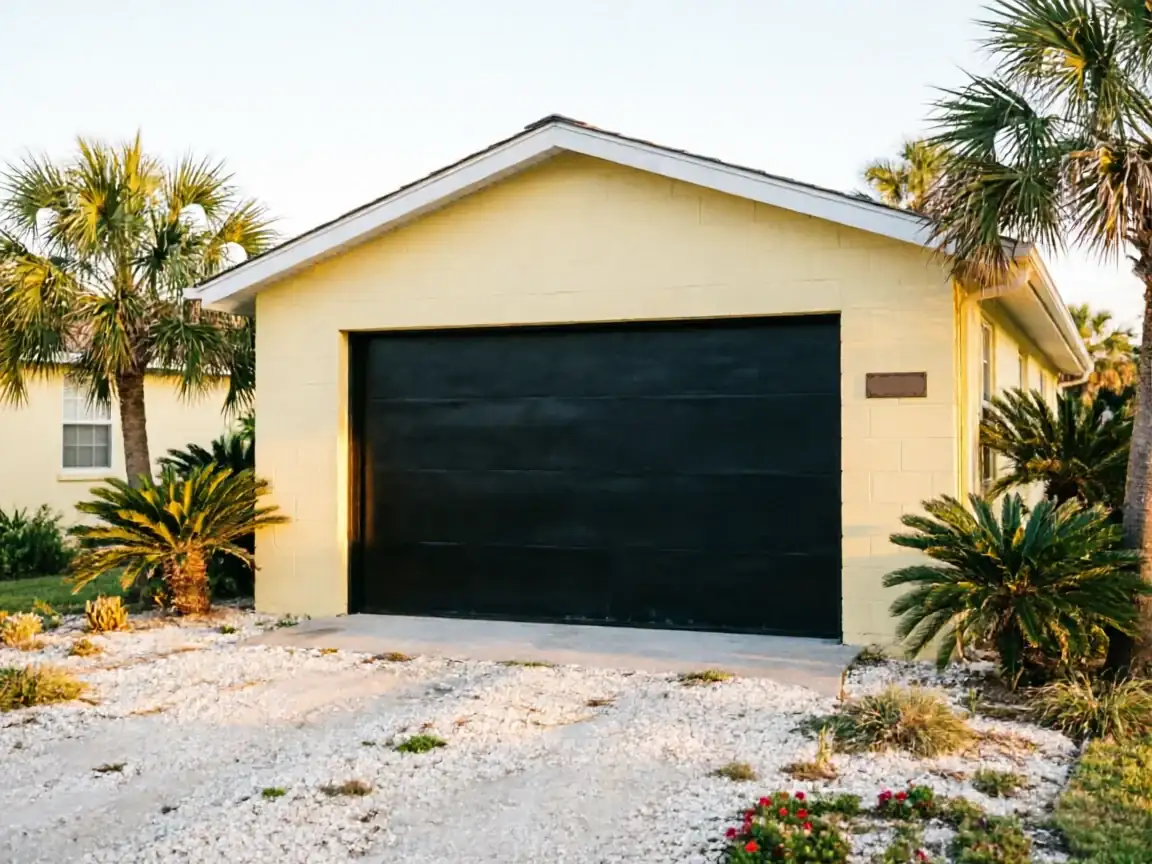
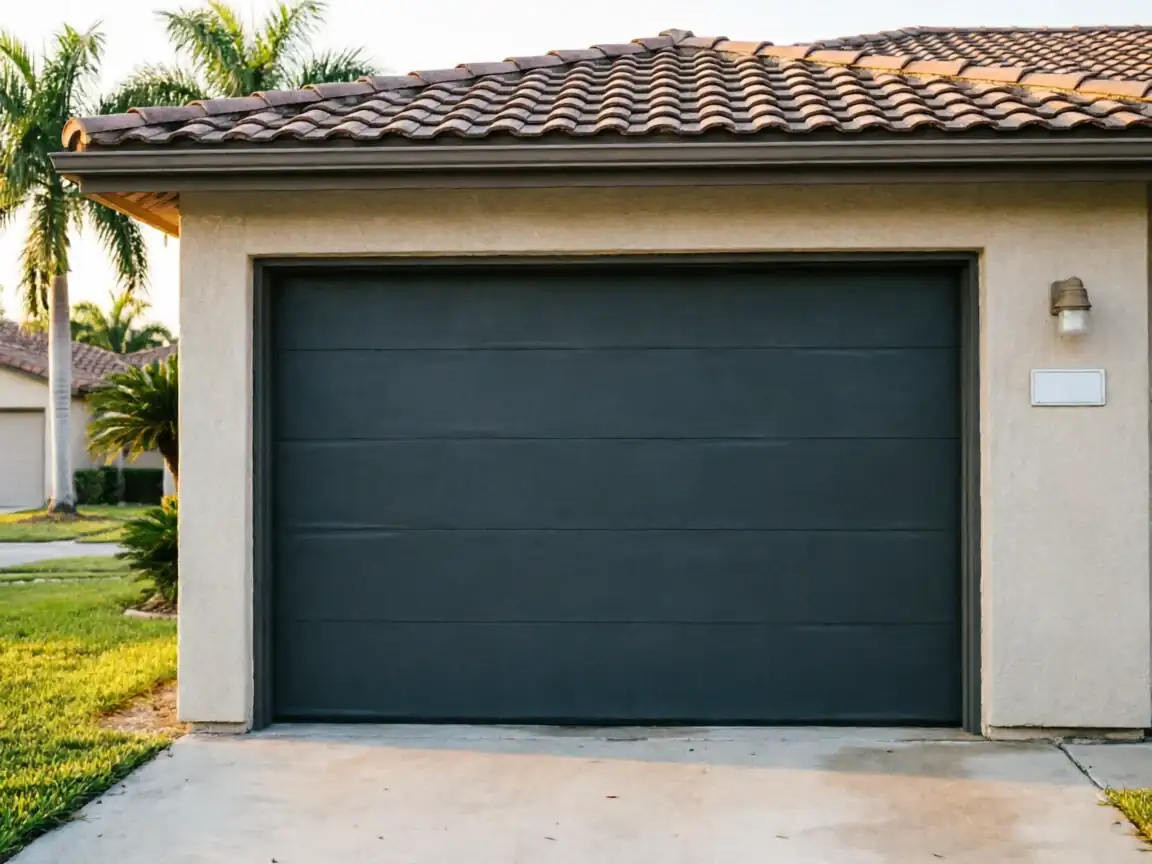
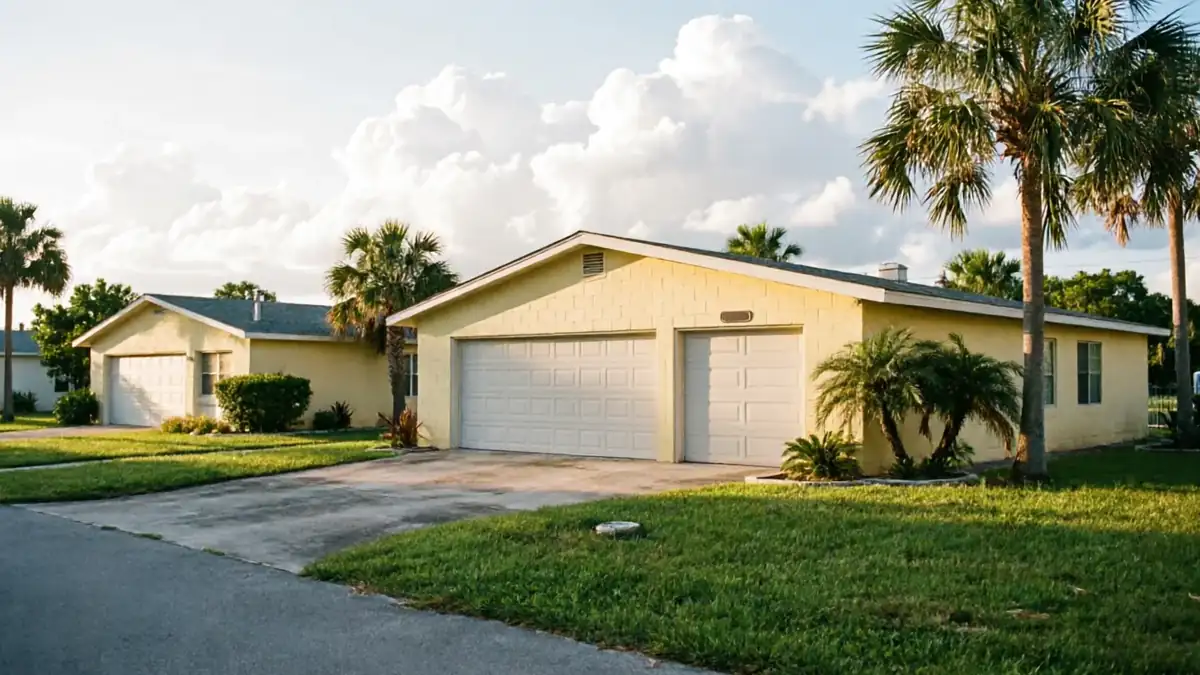
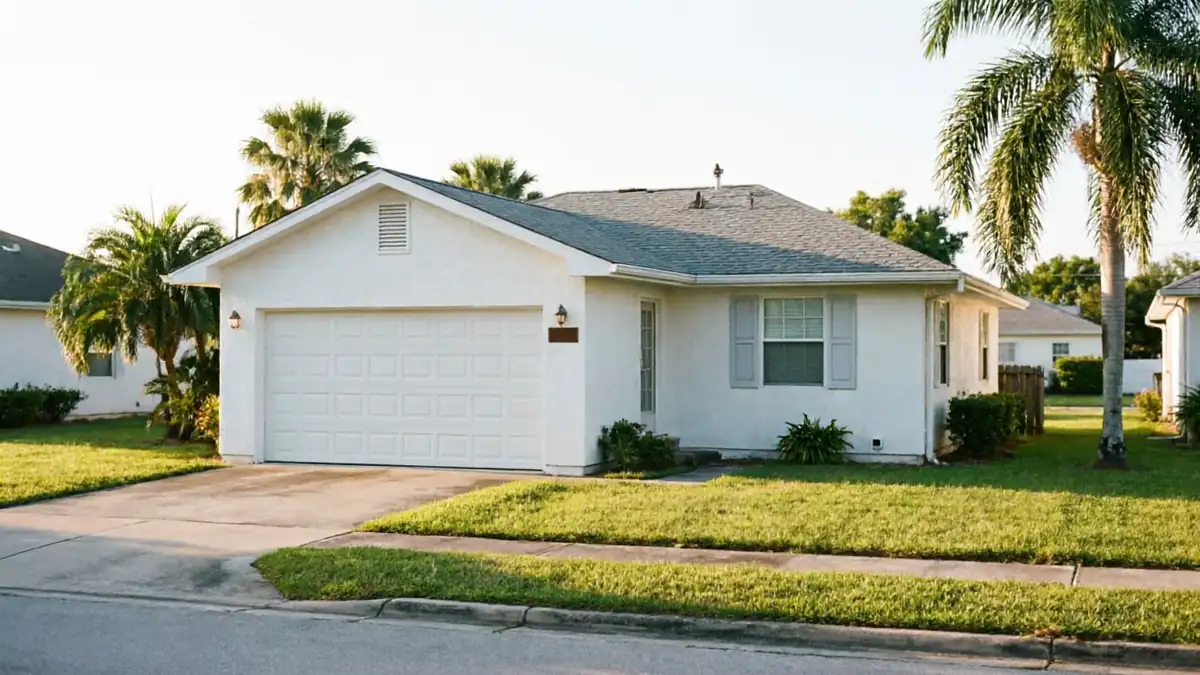
Most of the homes we're called to sit in subdivisions built between 1970 and 2005, with the bulk of that stock going up in the 1980s and 90s across the 24-plus named communities in this service area. That matters because a door that's 20 to 40 years old is past the point where its original torsion spring, cable, or roller set is still rated for daily cycling. When it lets go, it tends to let go all at once, not with warning.
If the door is off its track entirely or a spring has snapped and is hanging loose, don't force the opener. That's the fastest way to turn a spring job into a track-and-panel job.
What Can Go Wrong
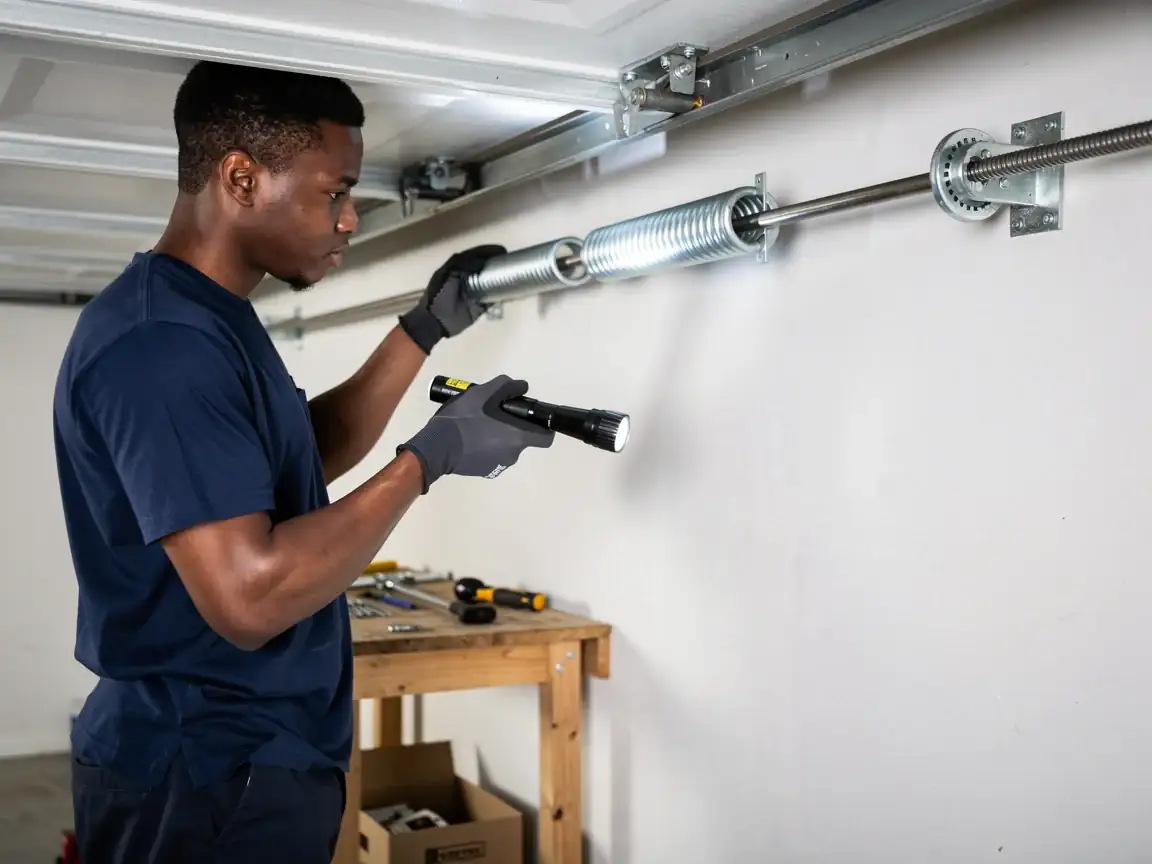
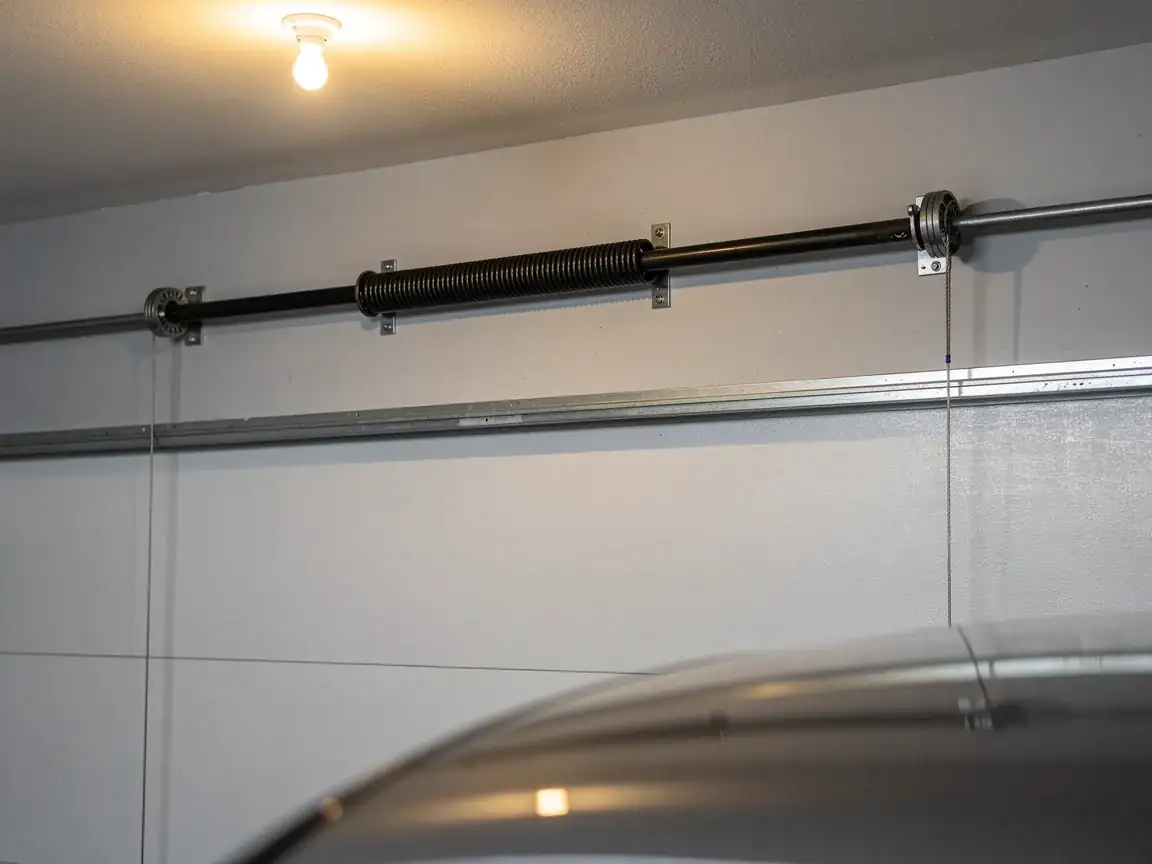
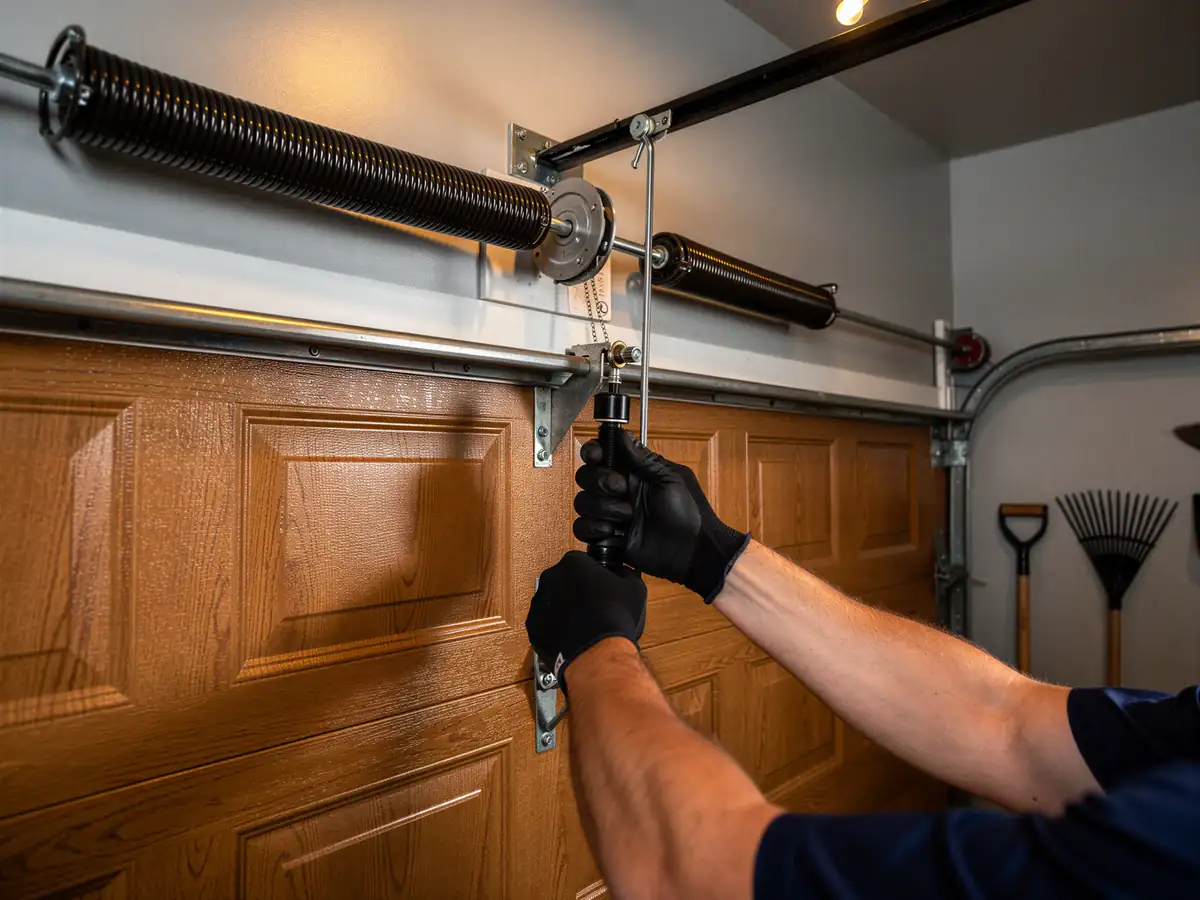
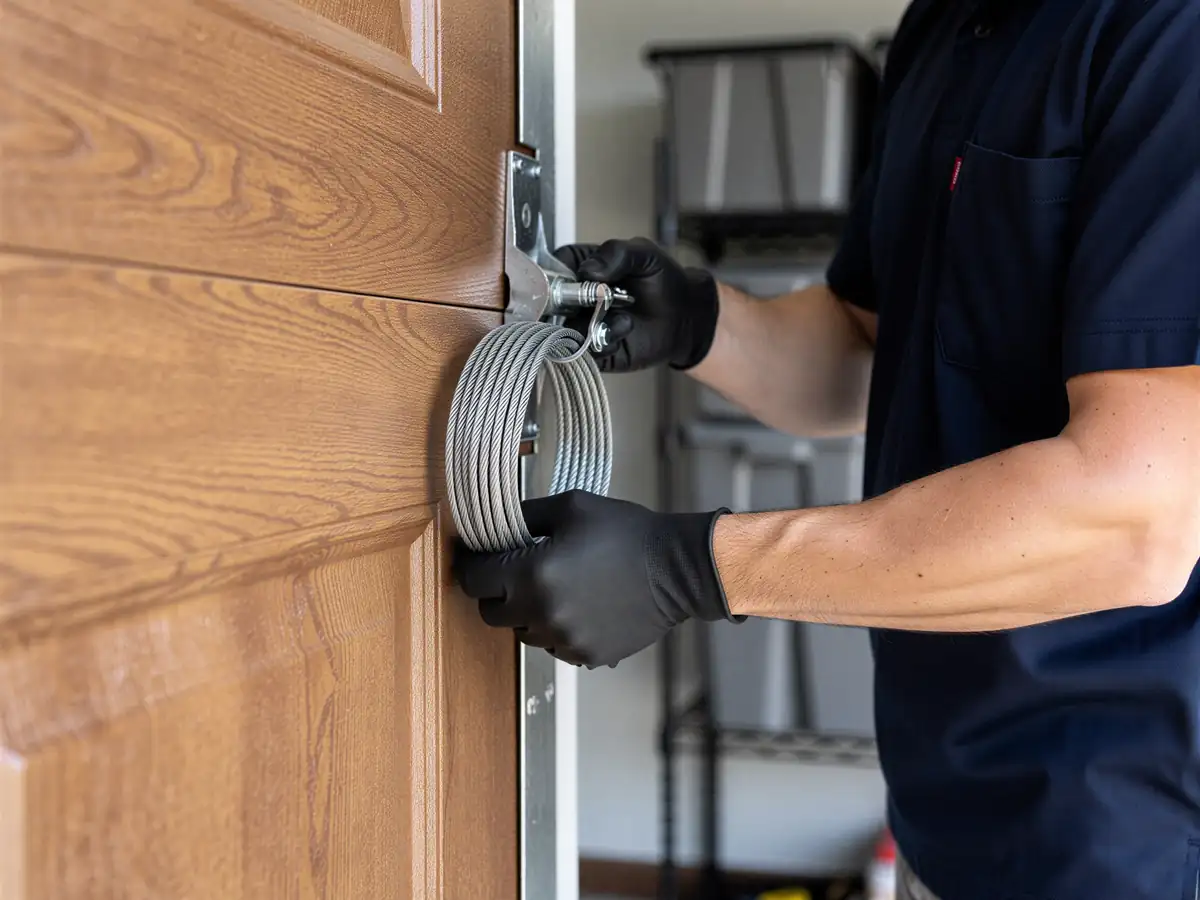
A broken torsion spring on a double door is the most common emergency call we get, and it's almost always sudden - the door was fine yesterday, today it won't lift past six inches. Cables fray and snap under the same fatigue, usually on one side first, which is why a door hanging crooked rather than stuck flat is a cable problem, not a spring problem.
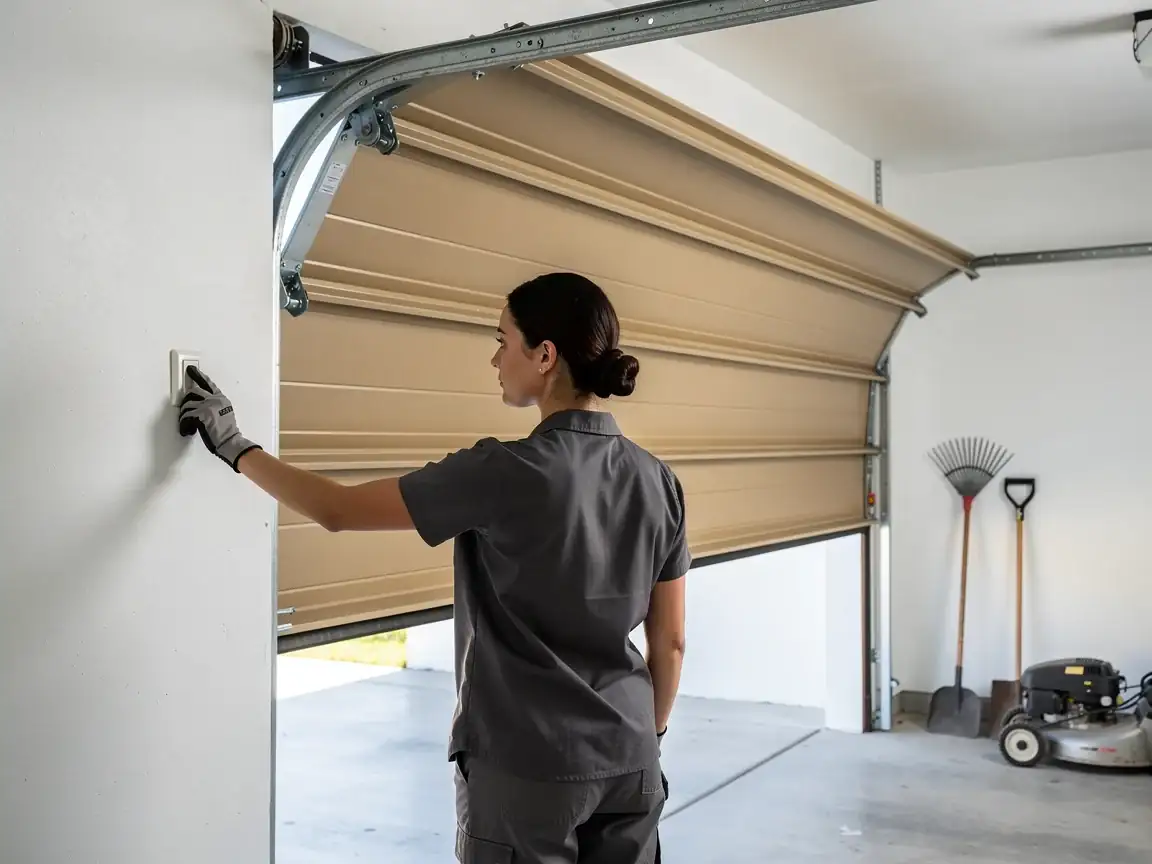
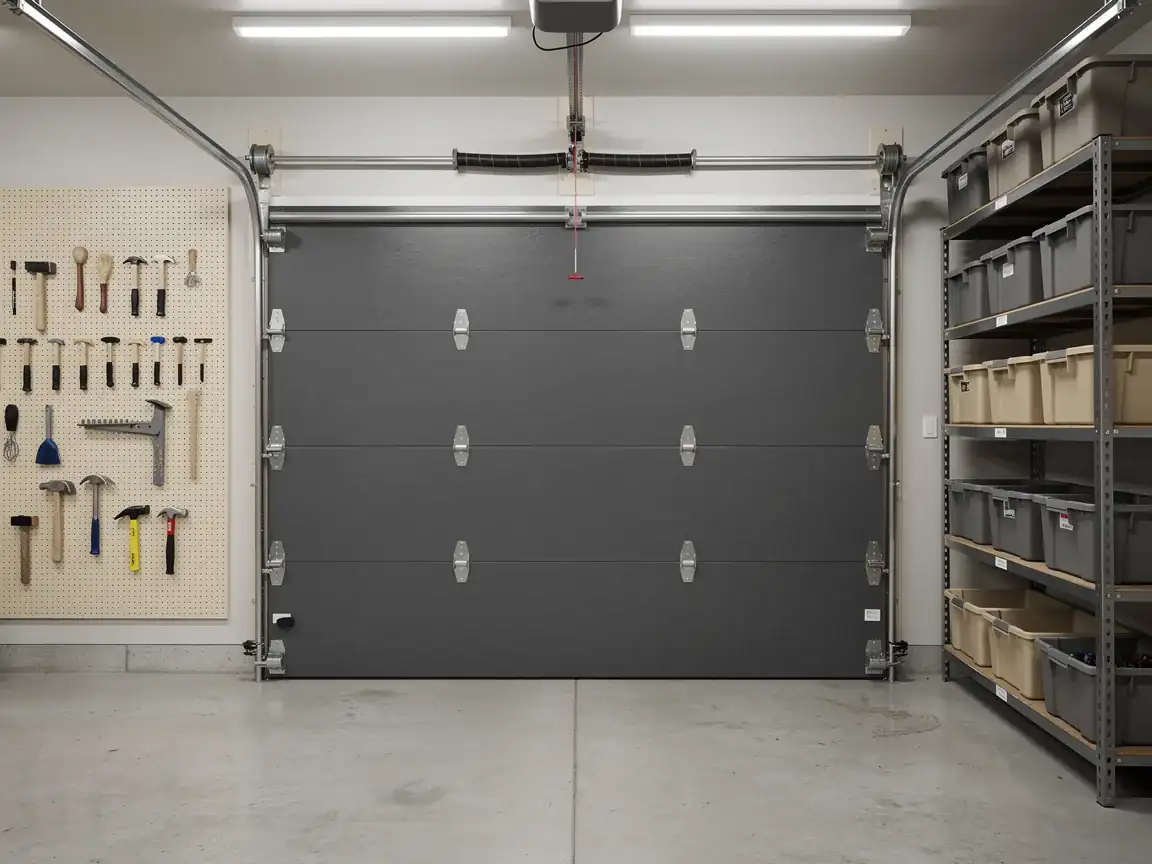
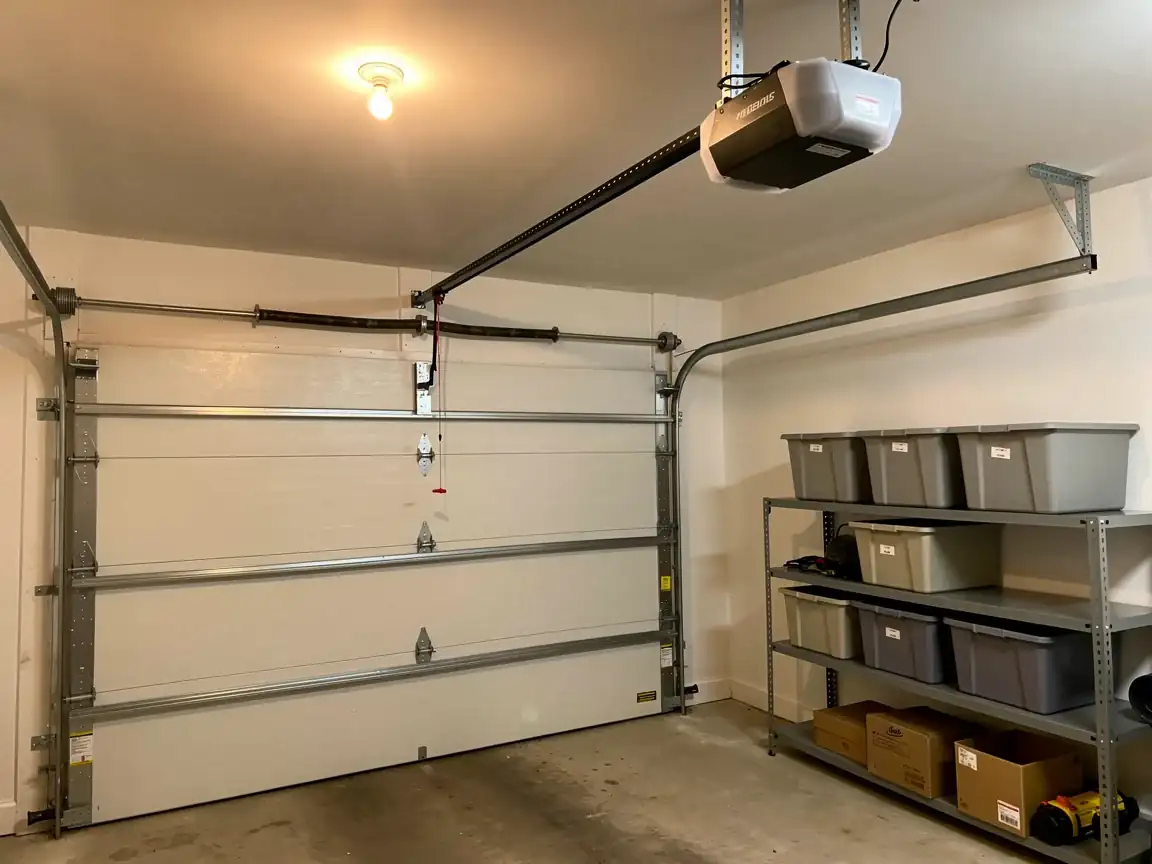
Openers fail differently. The gear inside the motor housing strips, the logic board stops reading the wall switch, or the safety sensors lose alignment after years of lawn equipment bumping the brackets. None of these are life-threatening, but a door stuck open overnight in a neighborhood is a real security gap, and a door stuck shut with a car trapped inside is a real schedule problem.
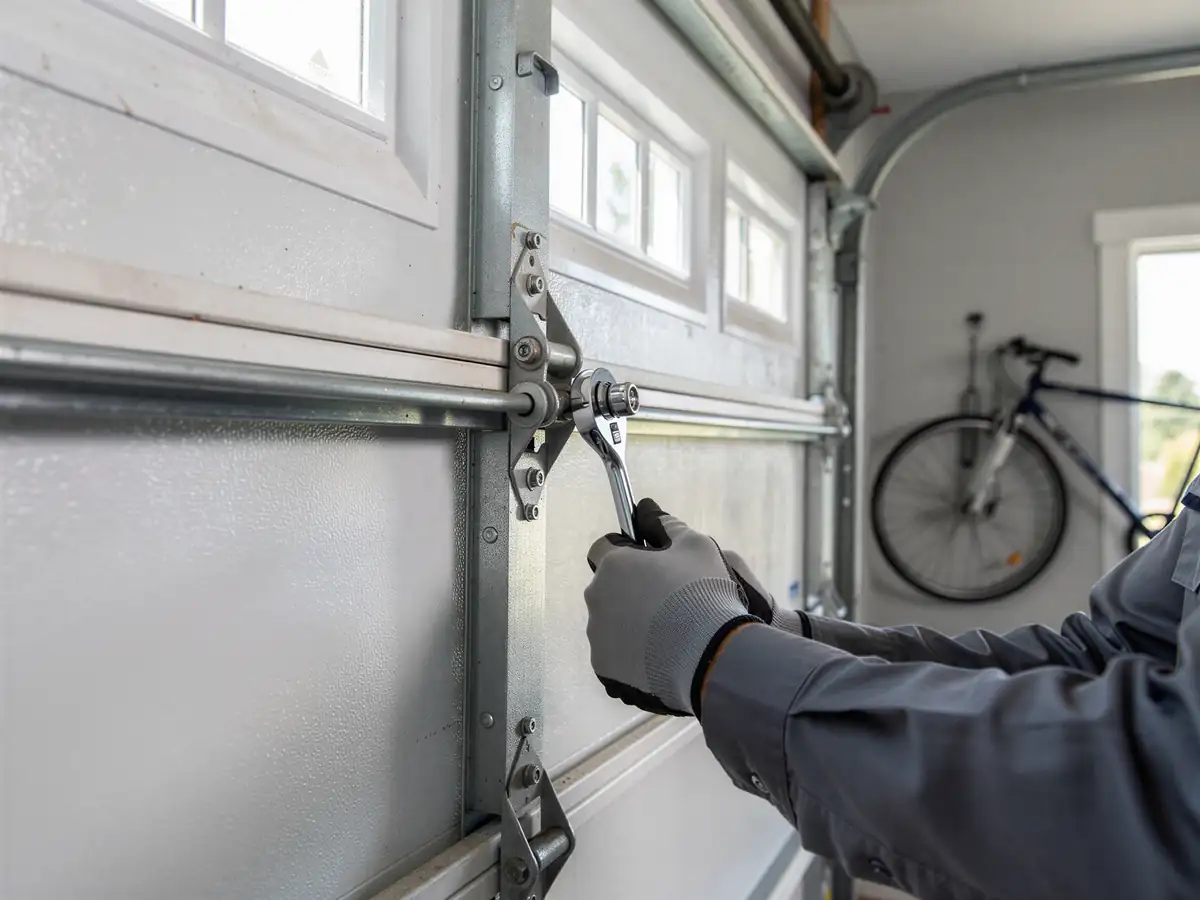
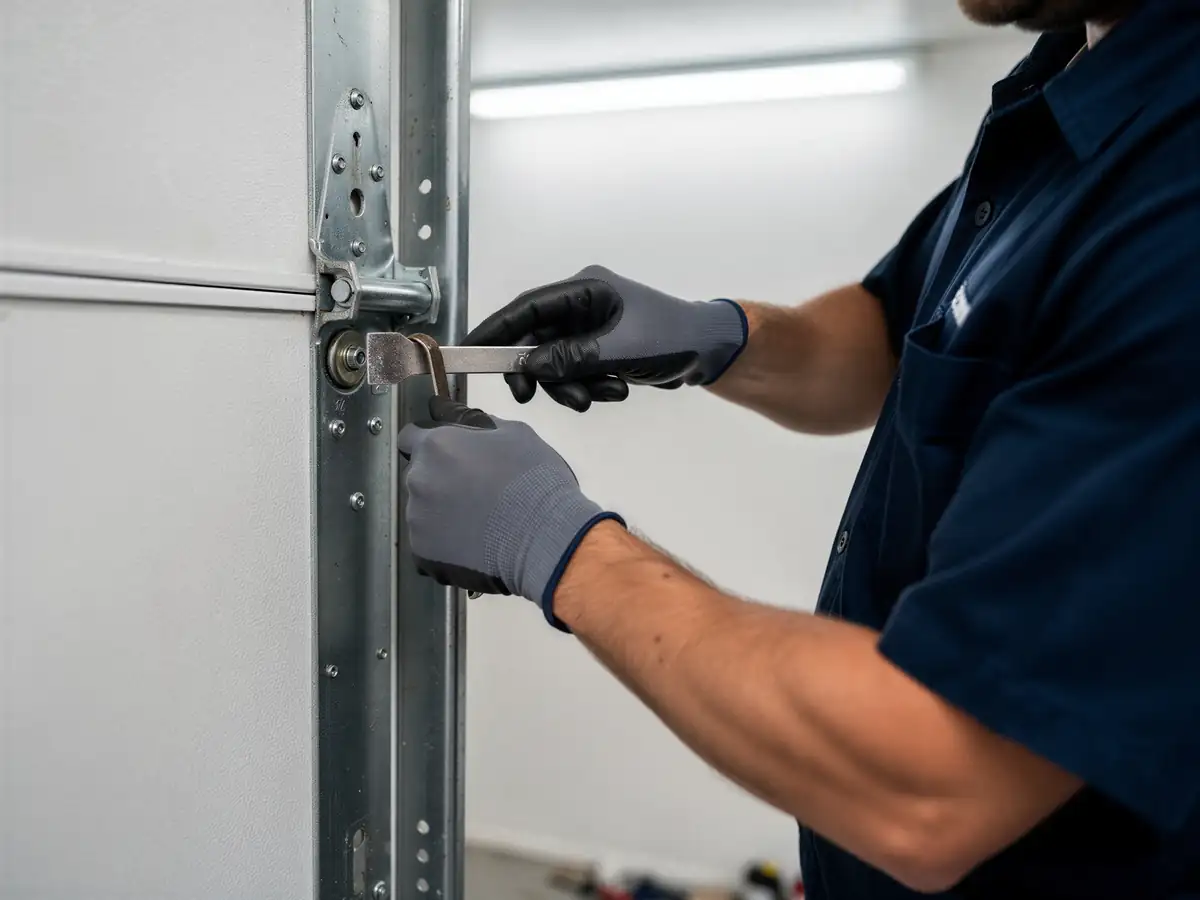
Rollers and tracks wear together. A roller that's worn oval binds in the track, which puts uneven load on the springs, which shortens their life. One honest limitation: if the track itself is bent rather than just dirty or misaligned, we don't hammer it straight and call it fixed - bent track gets replaced, because a bent section that's been bent back will bind again within months.
Why This Fails Locally
Two things line up in this service area that make emergency calls more common than the age of the housing alone would suggest
First, the stock: with median construction around 1988 and most neighborhoods built out through the 80s and 90s, a huge share of the 51,757 owner-occupied houses here are running original or first-replacement hardware that's now 20 to 45 years into service life. Spring steel fatigues on a cycle count, not a calendar, and these doors have logged a lot of cycles.
- 51,757 owner-occupied
- 45 years
Second, the climate band here is mild temperate
We don't get the hard freeze-thaw cycling that cracks hardware up north, but we do get sustained heat and humidity that work differently on garage door systems. Lubricant on tracks and rollers breaks down faster in heat, steel cable strands corrode from the inside where they can't be seen, and opener circuit boards in an uninsulated garage can run hot enough to shorten their working life. It's a slower failure mode than freeze damage, but it still ends the same way: a sudden break on a door that looked fine the day before.
What the Fix Involves
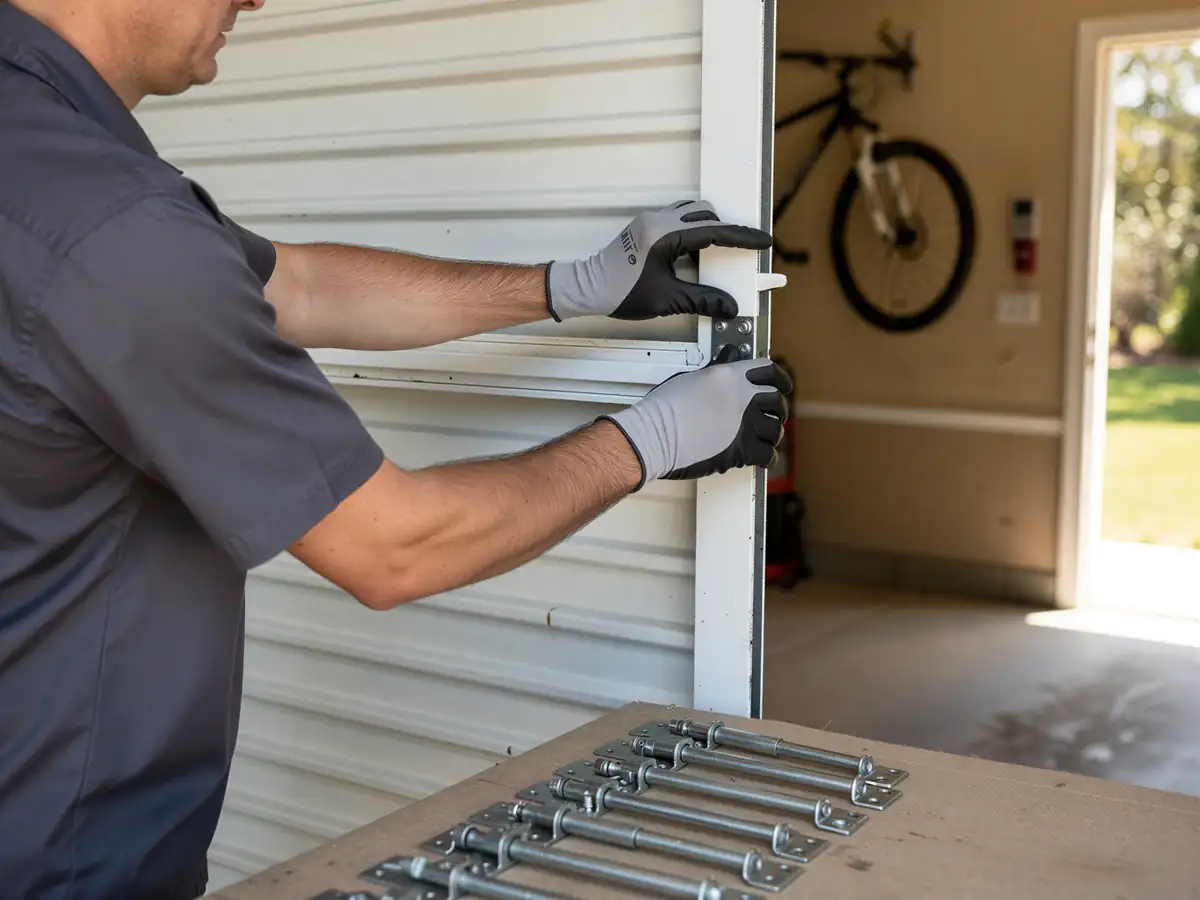
For a broken spring, the job is matching the replacement to the door's weight and cycle rating, not just bolting on whatever's closest in size - an undersized spring on an older door it's no match for will fail again within a year. We carry common torsion and extension spring sizes on the truck because this is the single most frequent call across the service area's housing stock.
For opener failures, we diagnose before we replace. A stripped gear or failed board can often be fixed in the housing; a unit that's dying across multiple systems at once usually makes more sense to replace outright, and we'll tell you which one you're looking at rather than defaulting to the more expensive answer.
Track and cable repairs mean pulling the door, checking both sides for even wear, and correcting whatever put the load off-center in the first place - otherwise you're back to the same call in another year or two. We don't do cosmetic panel touch-ups as part of an emergency visit; that's a separate conversation once the door is safe and running.