Getting Here
Zephyrhills sits nine miles from Wesley Chapel, and that's the drive our truck makes to get to your place. We don't keep a depot in town, so we're not going to tell you we've got a crew standing by around the corner - we're coming from Wesley Chapel every time, and the nine miles is a straight, workable run.
If you're trying to place yourself on the map relative to other parts of this service area, Zephyrhills West sits about seven miles out and Zephyrhills South around eight, so the city of Zephyrhills itself is the farther edge of that cluster. Crystal Springs is roughly ten miles northeast of the main service point, and Dade City another few miles past that. None of that changes the job - it just tells you we're not guessing at distance when we quote a job here.
We mention this because a lot of garage door outfits advertise in a town they've never actually sent a truck to. We'd rather tell you plainly: Wesley Chapel is home base, Zephyrhills is nine miles of travel, and that's baked into how we schedule the day.
Old Streets and New Ones
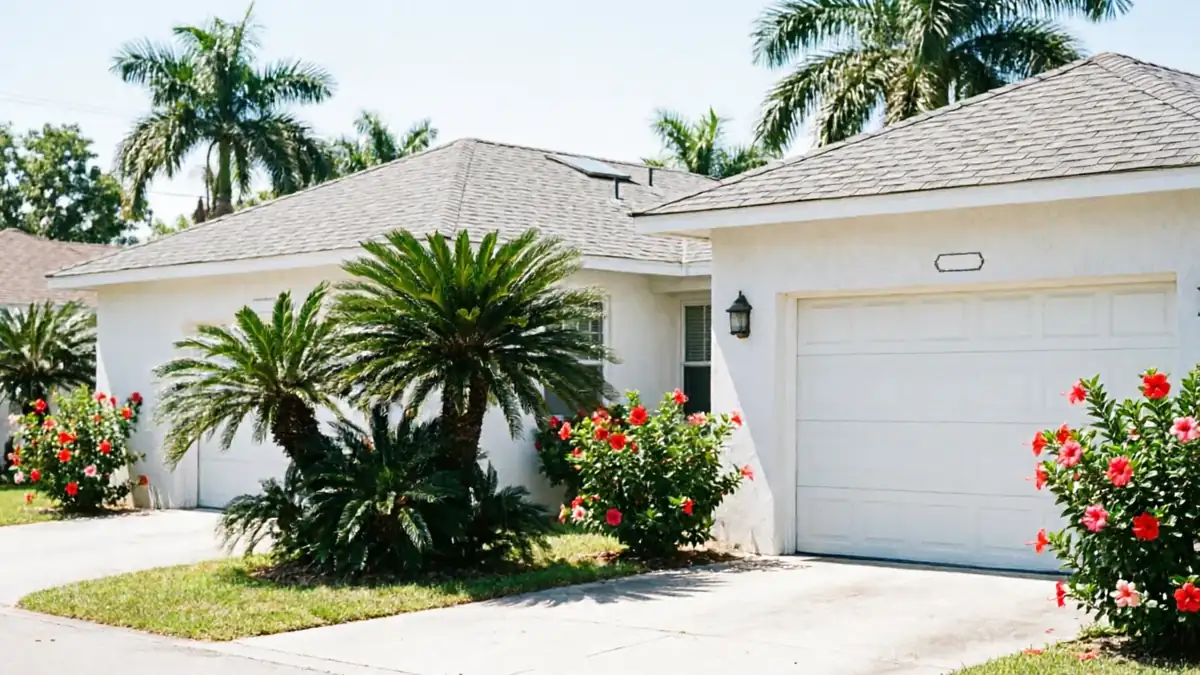
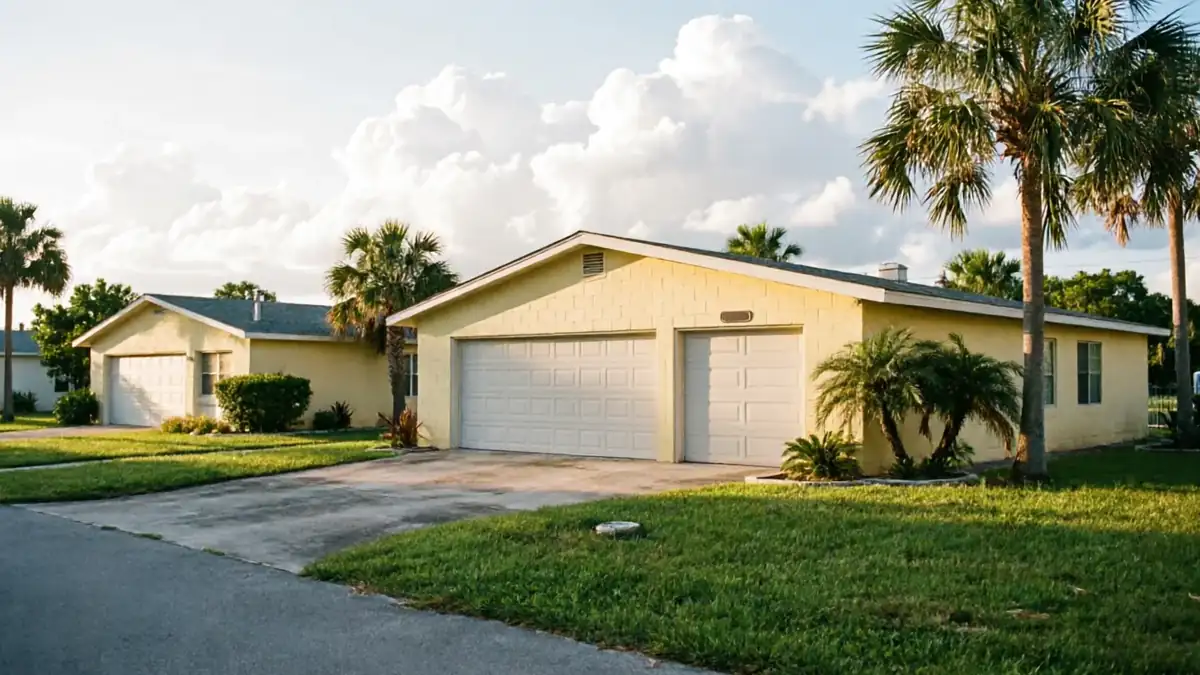
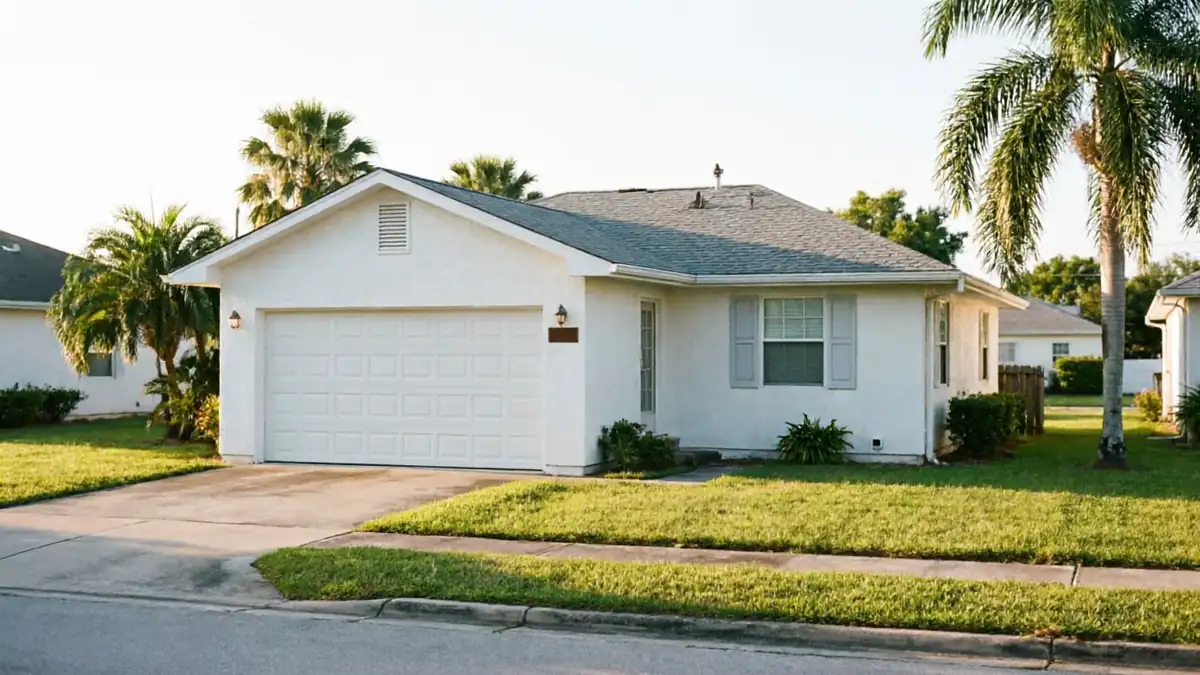
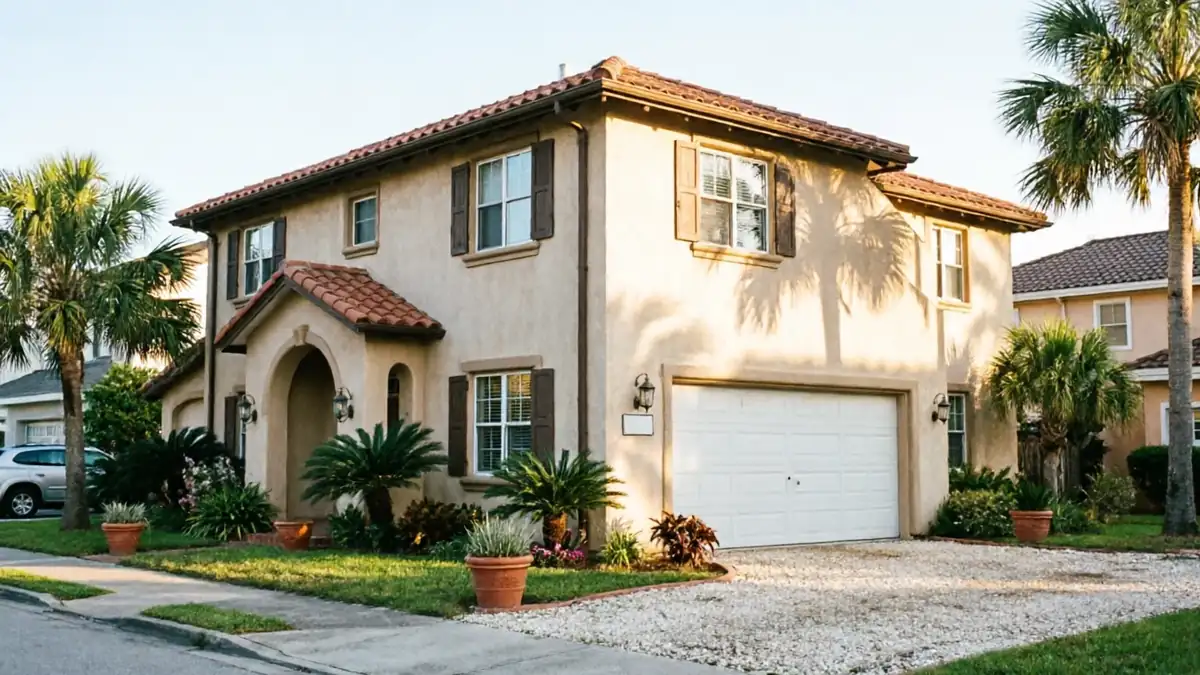
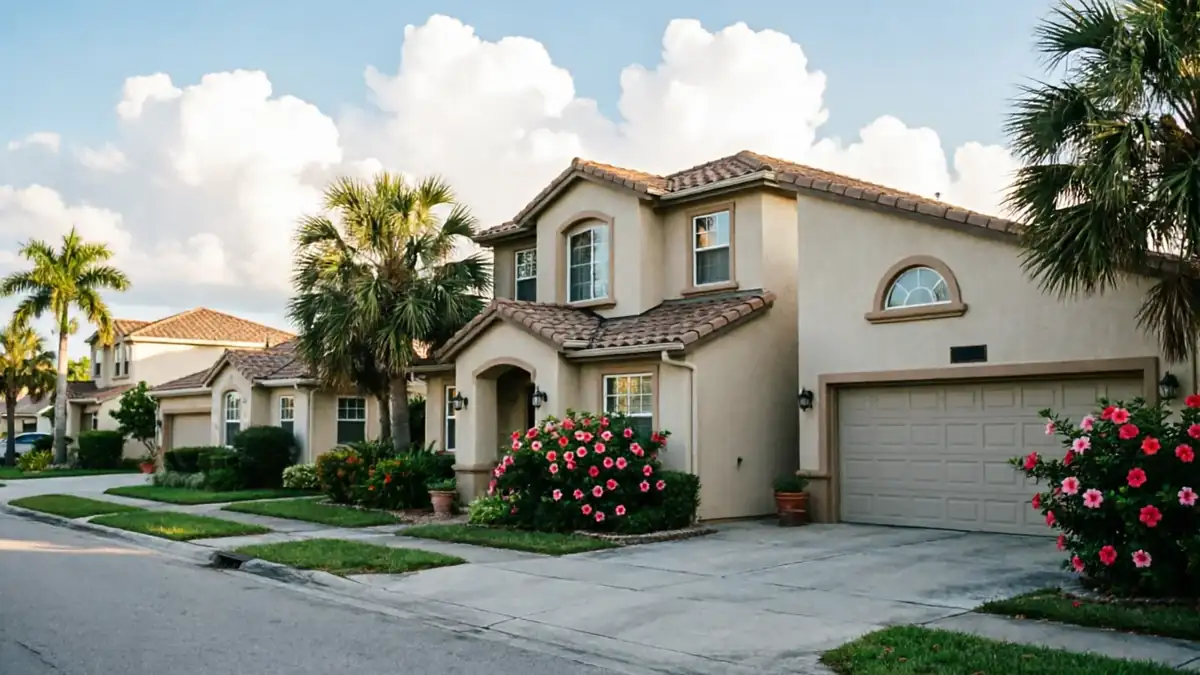
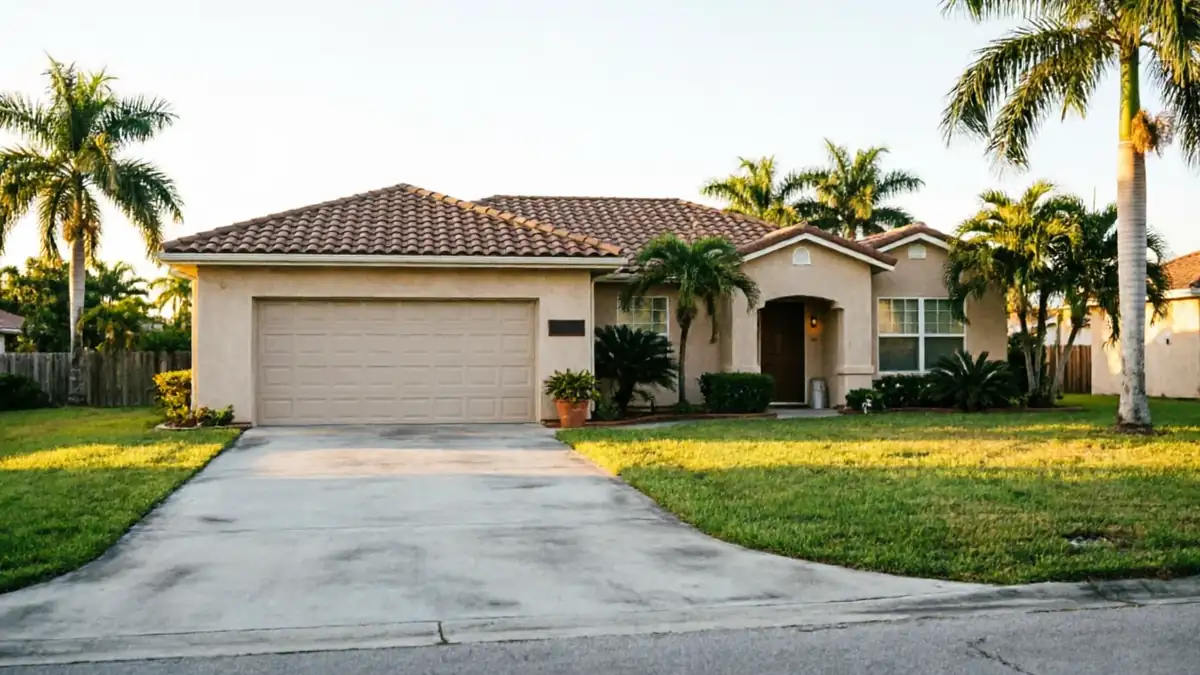
The median year built for homes in Zephyrhills is 1987, which lines up closely with the 1970-2005 build window and the 1988 median seen across the broader service area. Most of what's here was framed up in the 1980s and into the 90s, same as the 24 named communities around it - this isn't a town of brand-new builds, and it isn't a town of pre-war houses either. It's squarely in that late-80s band.
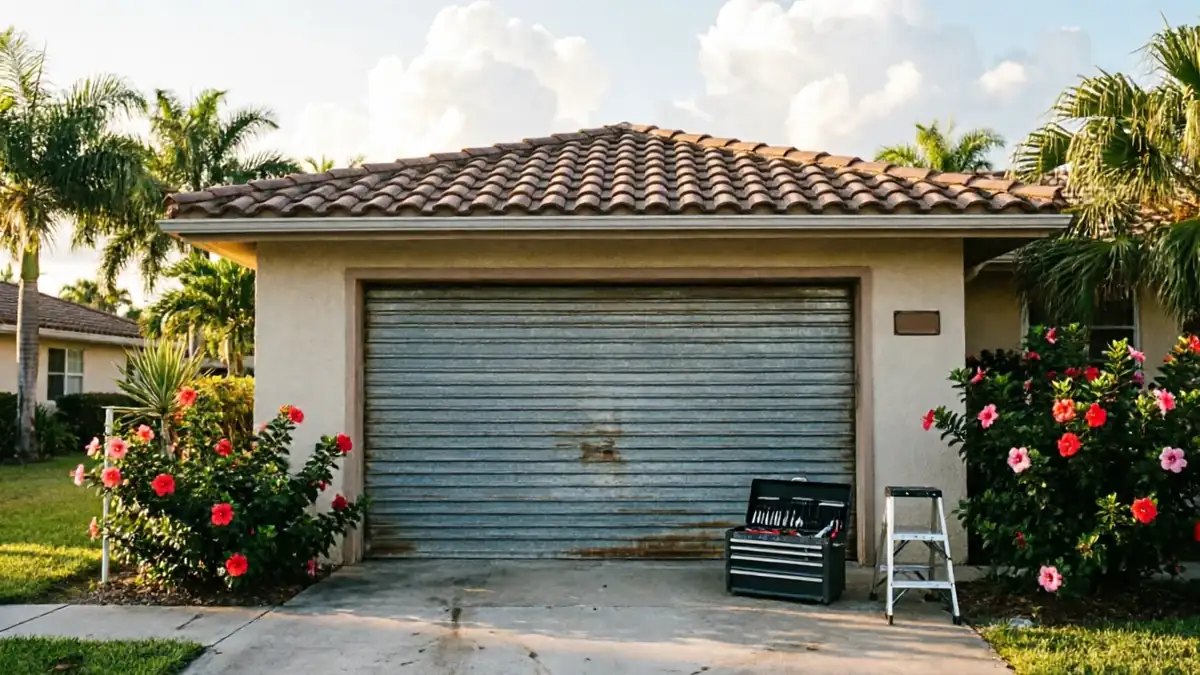
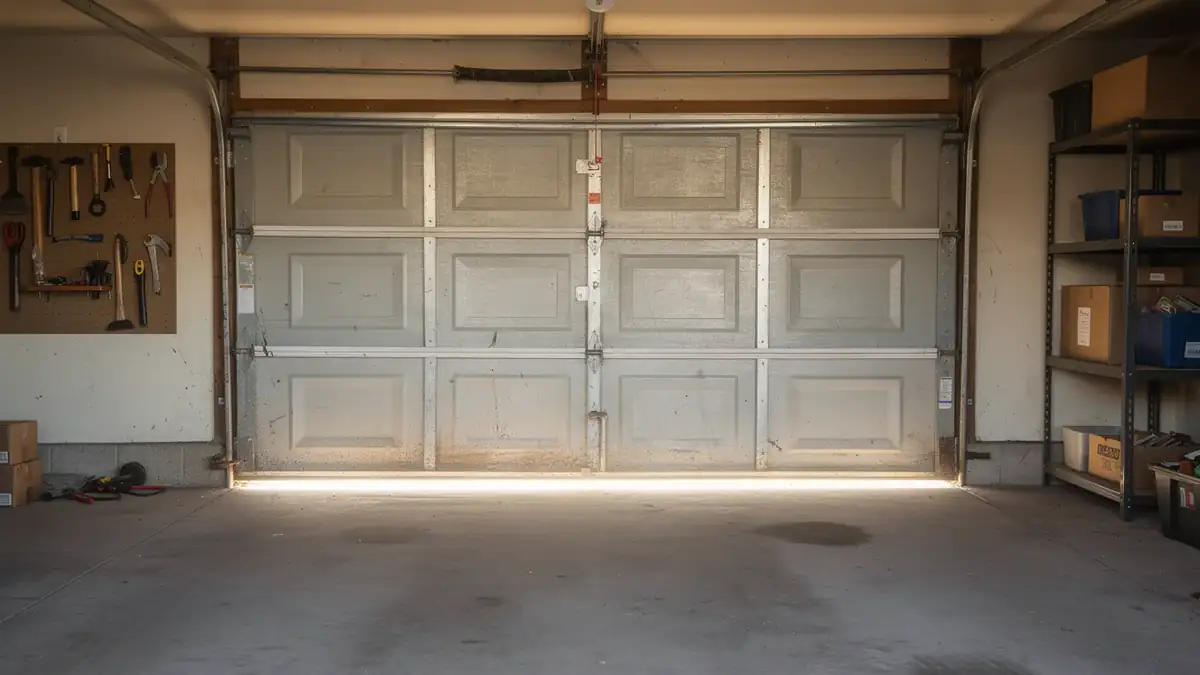
What that means in practice: the original garage doors on a lot of these houses, if they're still original, are pushing close to forty years old. Springs get replaced a few times over a door's life, openers sometimes get swapped once, but the track and the drum hardware from a 1987 install are a different animal than what goes into a house built in 2015. Steel gauges were heavier back then in some cases, lighter in others, and the mounting hardware isn't always something a newer parts kit matches without adjustment.
The climate here is mild temperate, so we're not dealing with the freeze-thaw cycle that cracks panels or seizes springs the way a northern climate would. That's one thing working in this area's favor - the hardware ages from use and humidity more than from weather extremes.
What the Housing Means for Your Door
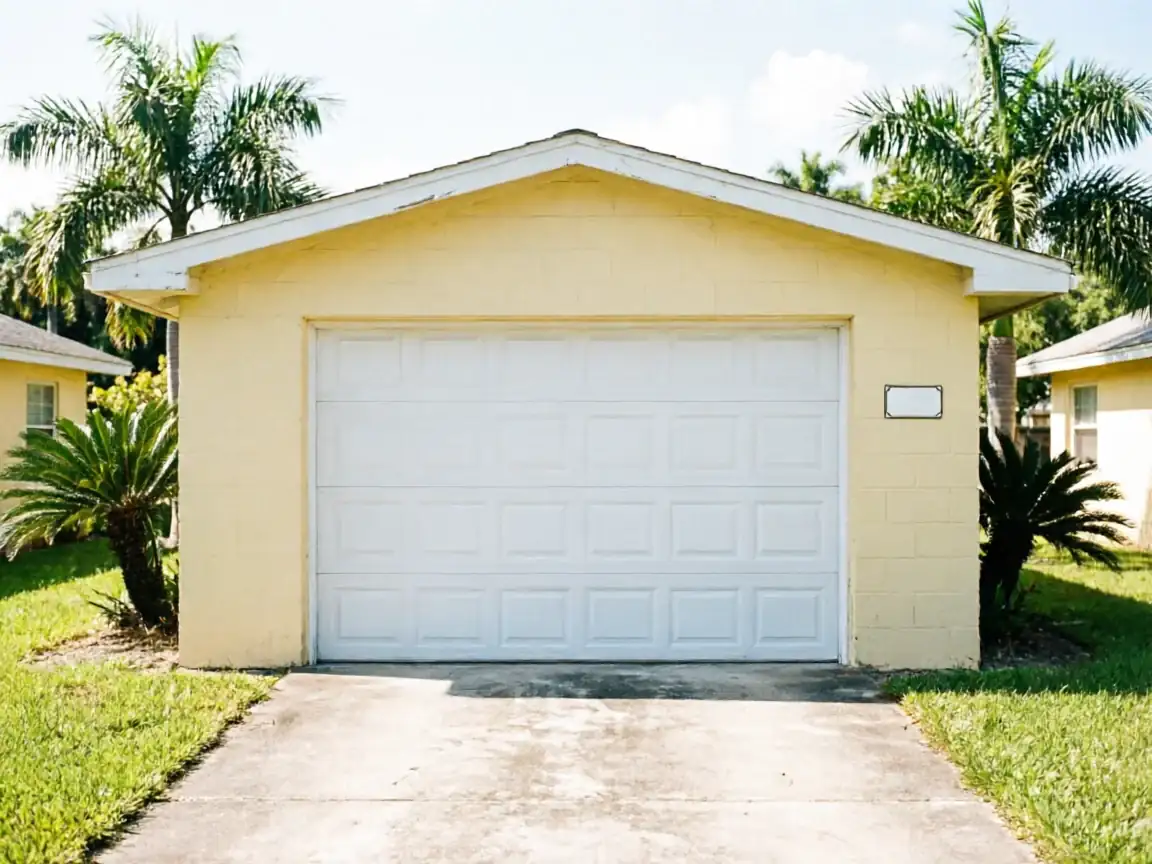
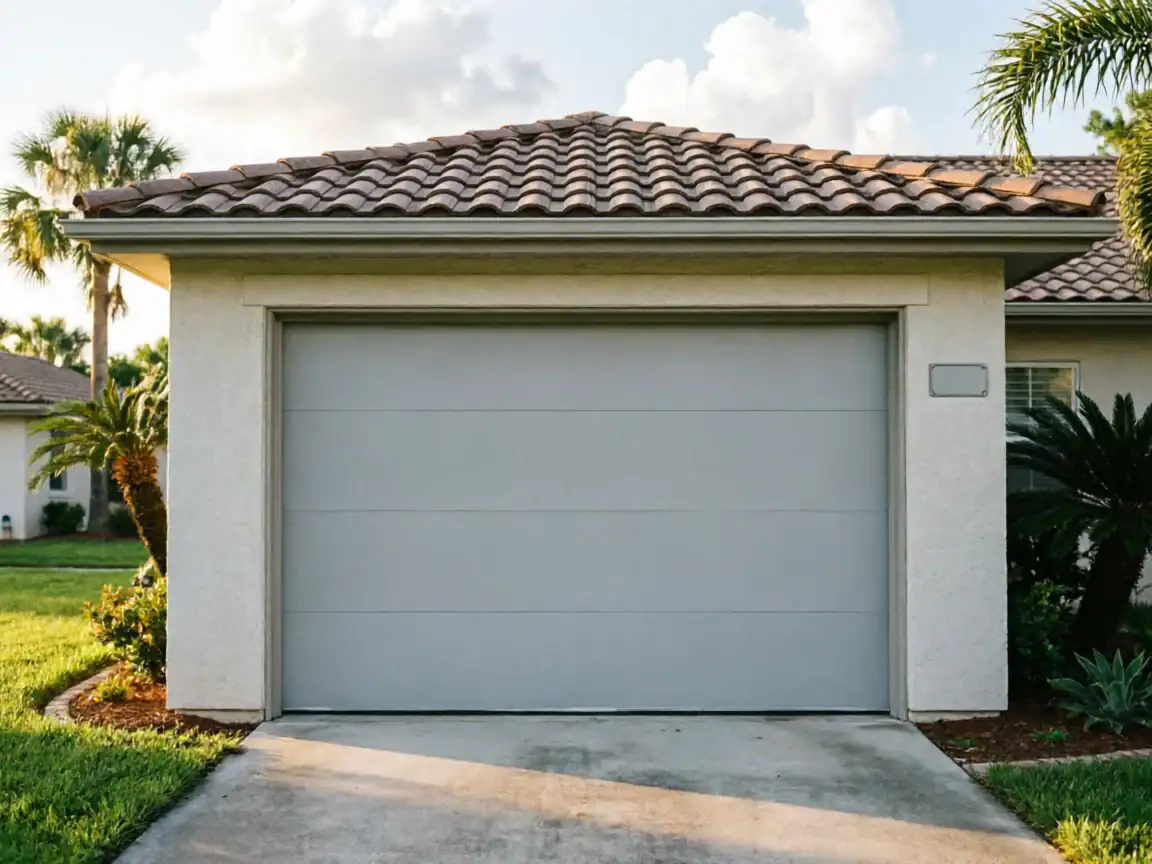
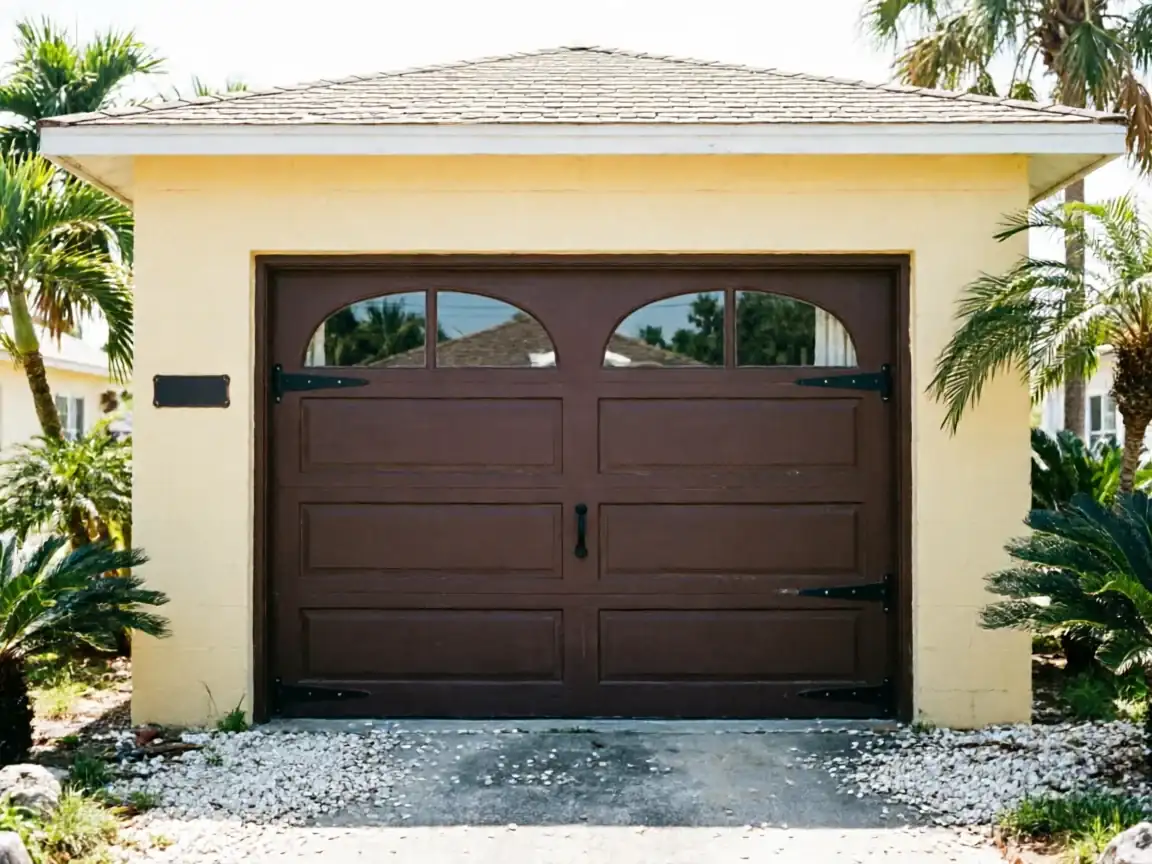
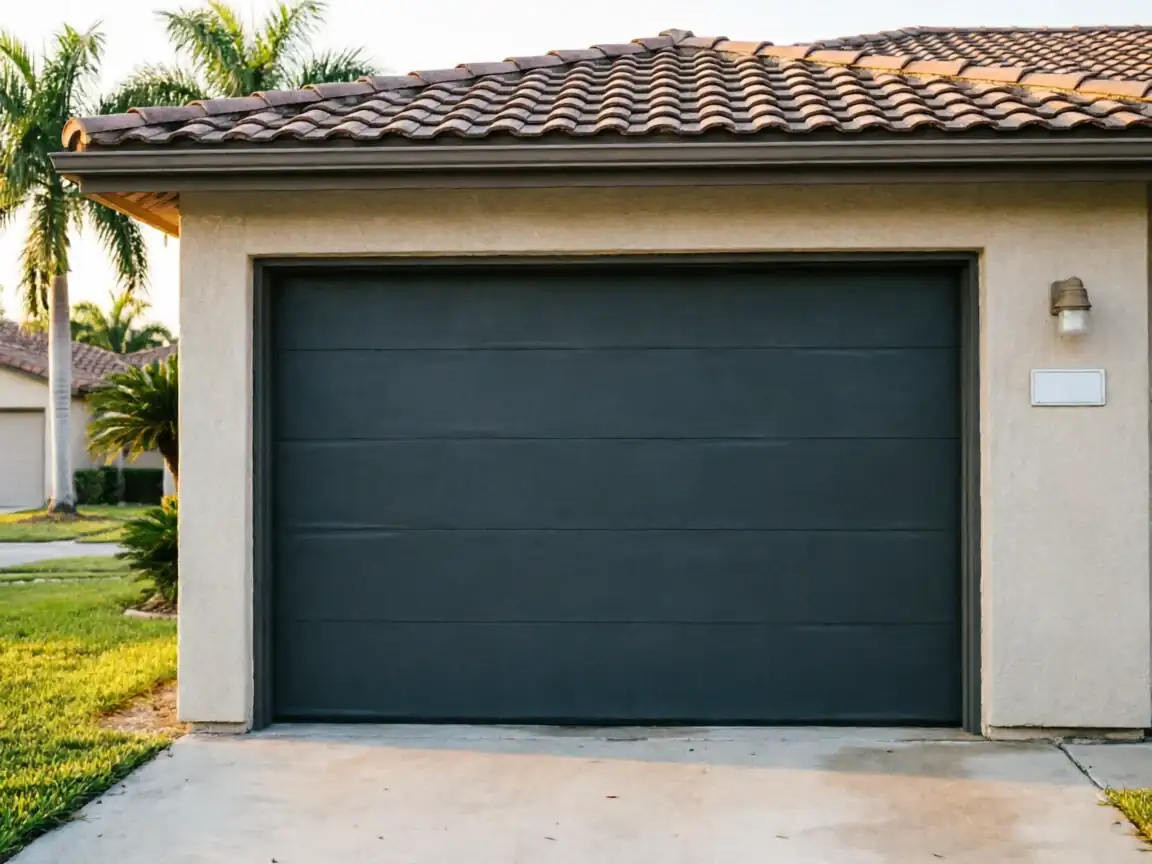
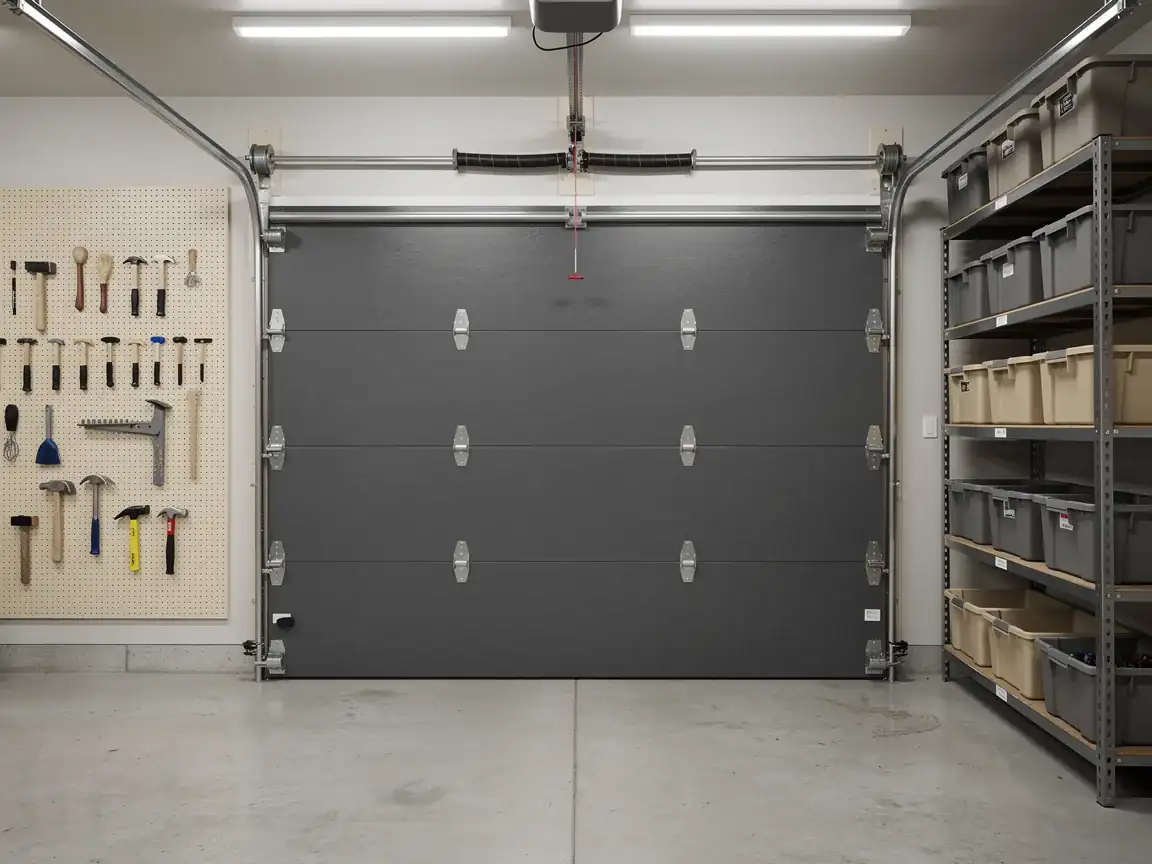
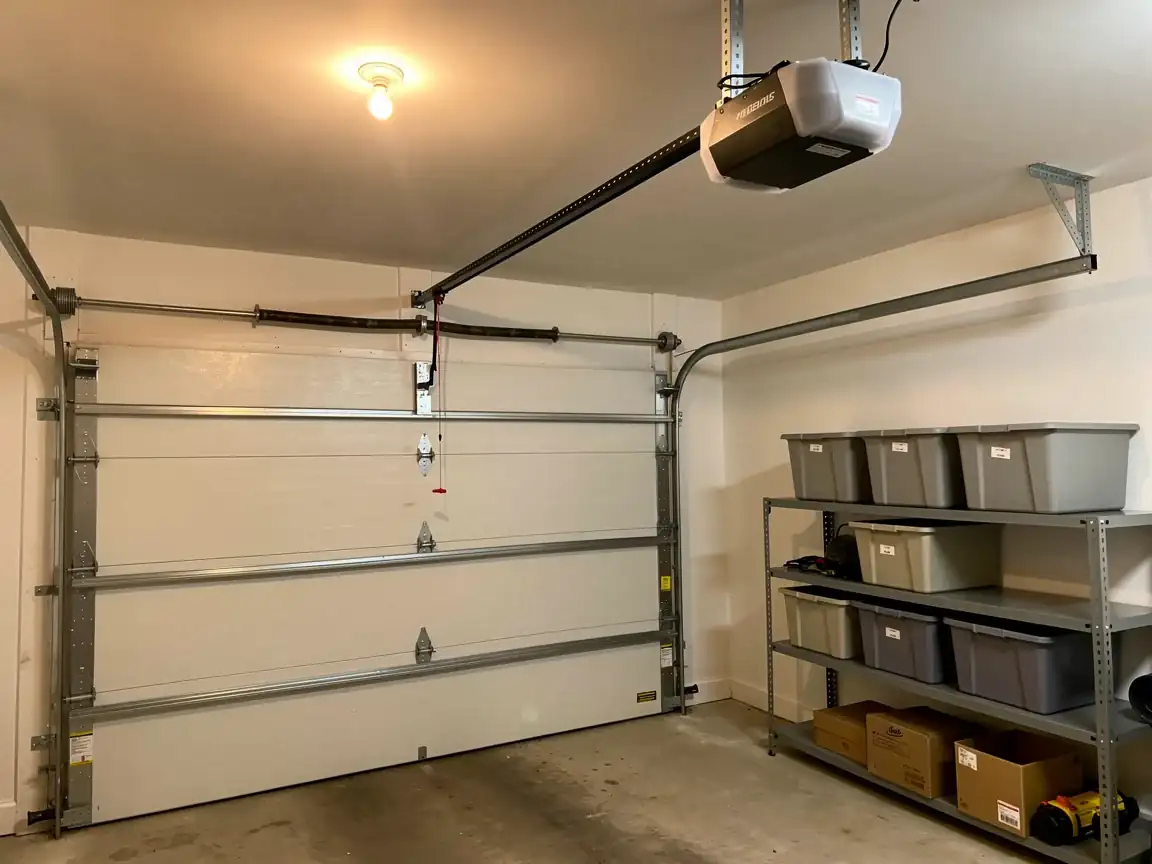
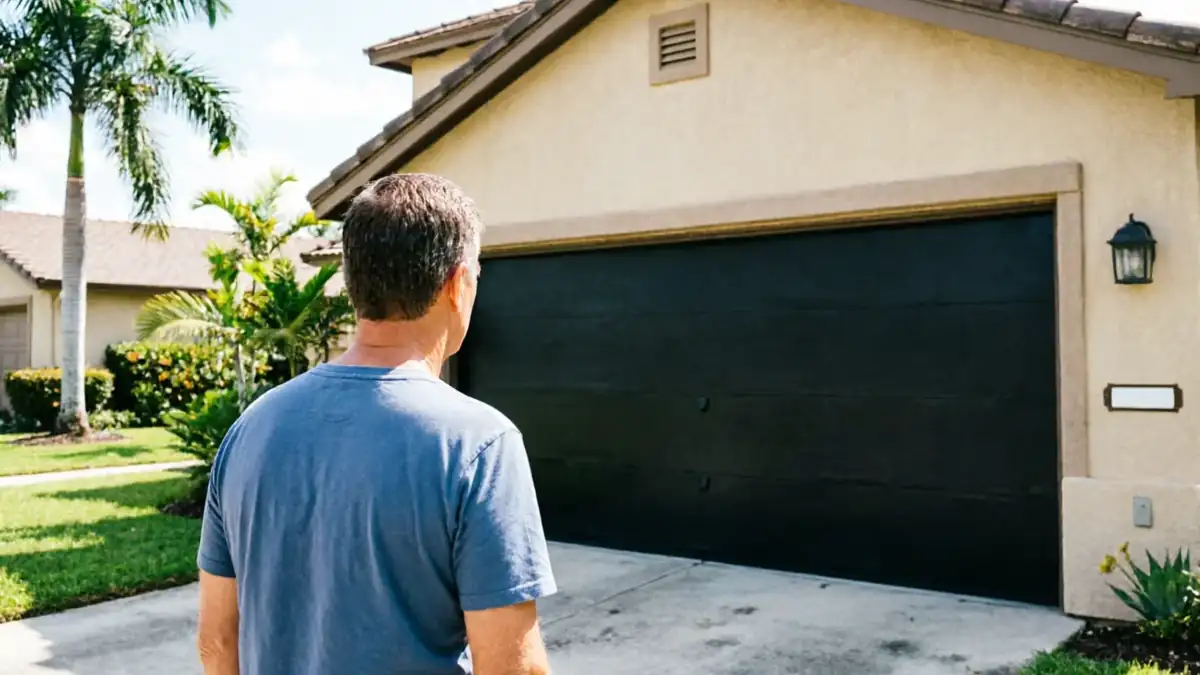
A door installed around 1987 is very likely a steel sectional door
And the opener - if it hasn't been swapped - is probably an older chain-drive unit. Circuit boards from that era are the thing we run into most: they still work until the day they don't, and when they go, the exact replacement board usually isn't sitting on a shelf anywhere. That's not a scare story, it's just what 35-plus-year-old electronics do.
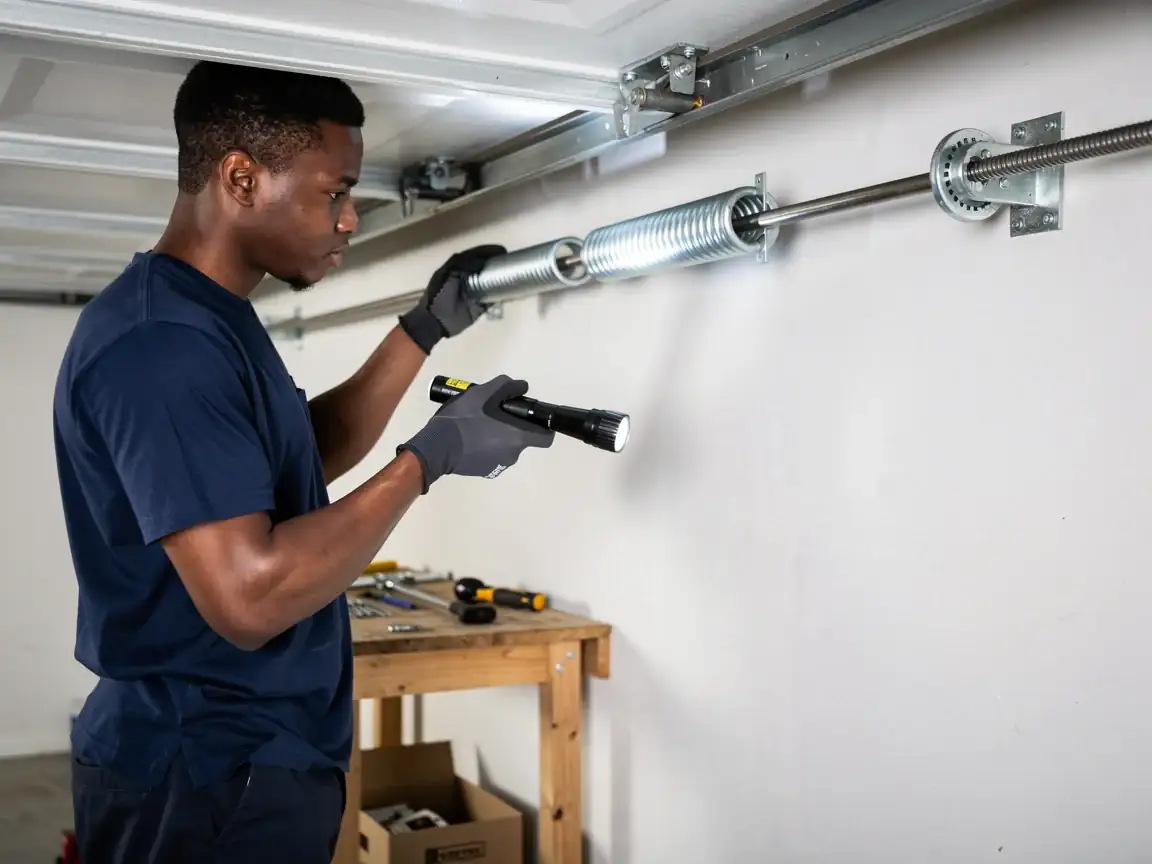
Springs are the other common call
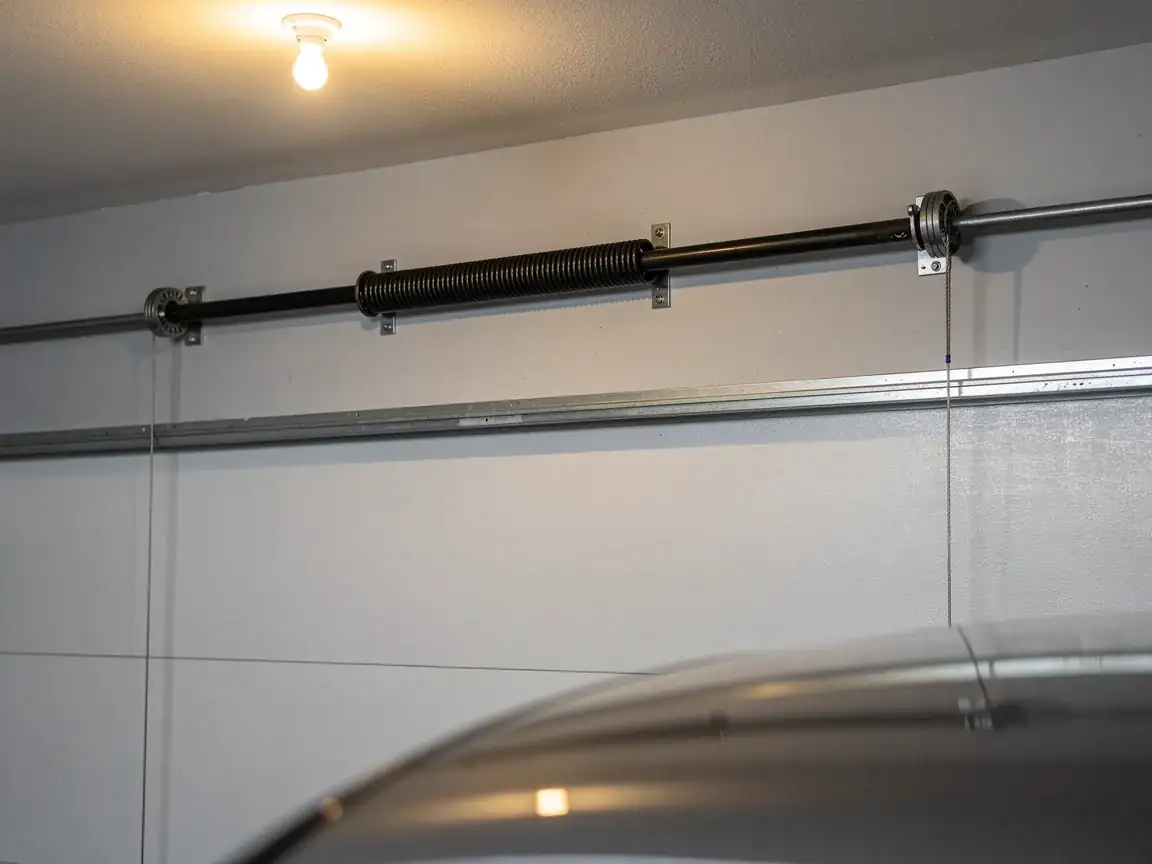
A torsion spring sized for a door built in the late 80s was spec'd for that door's weight and insulation (or lack of it). If a homeowner adds insulation panels or swaps to a heavier door without resizing the spring, it wears out faster than it should. We see this more in houses from this build era than in newer construction, because newer doors tend to come pre-matched from the factory.
Honest limitation: if your opener is original to a 1987 build and the logic board has failed
We may not be able to source that exact board. In that case replacing the opener outright is usually the straighter path, and we'll tell you that instead of chasing a part that doesn't exist anymore.
The Houses Here
Zephyrhills has about 7,836 households, and the median income is $49,295 - noticeably below the $63,145 median across the wider service area this company covers out of Wesley Chapel. That gap matters for how we talk about repair versus replacement: we default to fixing what's there - a spring, a roller, a section - before we suggest tearing out a working door for a full replacement, because that's usually the call that makes financial sense for a house in this income range.
With 51,757 owner-occupied houses across the full service area, this community is part of a much larger stock of owner-occupied homes from the same general building period, which is part of why parts and labor patterns here are predictable - we're not improvising on hardware we've never seen.
We're not going to pretend a lower median income changes the physics of a broken spring. It doesn't. What it does change is the conversation: we quote the repair plainly, we tell you when a $40 part fixes it and when it doesn't, and we don't upsell a door that still has years left in it.