
Getting Here
We run trucks out to Dade City from our base in Wesley Chapel, about 13 miles northeast. That's a straightforward drive, not a detour, so it doesn't change what we can do once we're at your house. We don't keep a depot or a drop box in Dade City itself - we're honest about that going in. What it means in practice is we schedule the trip, we don't just happen to be passing through. If you need a same-day look at a spring that let go overnight, say so when you call, because routing a truck 13 miles takes a few more minutes of planning than a job five minutes from the shop.
The mild temperate climate here doesn't put Dade City doors through the swings that cause real structural trouble - no deep freeze, no door binding up from metal contraction. What does show up more here than in newer parts of our service area is wear tied to age, which is really a housing-stock question more than a weather one. We'll get into that below.
Old Streets and New Ones
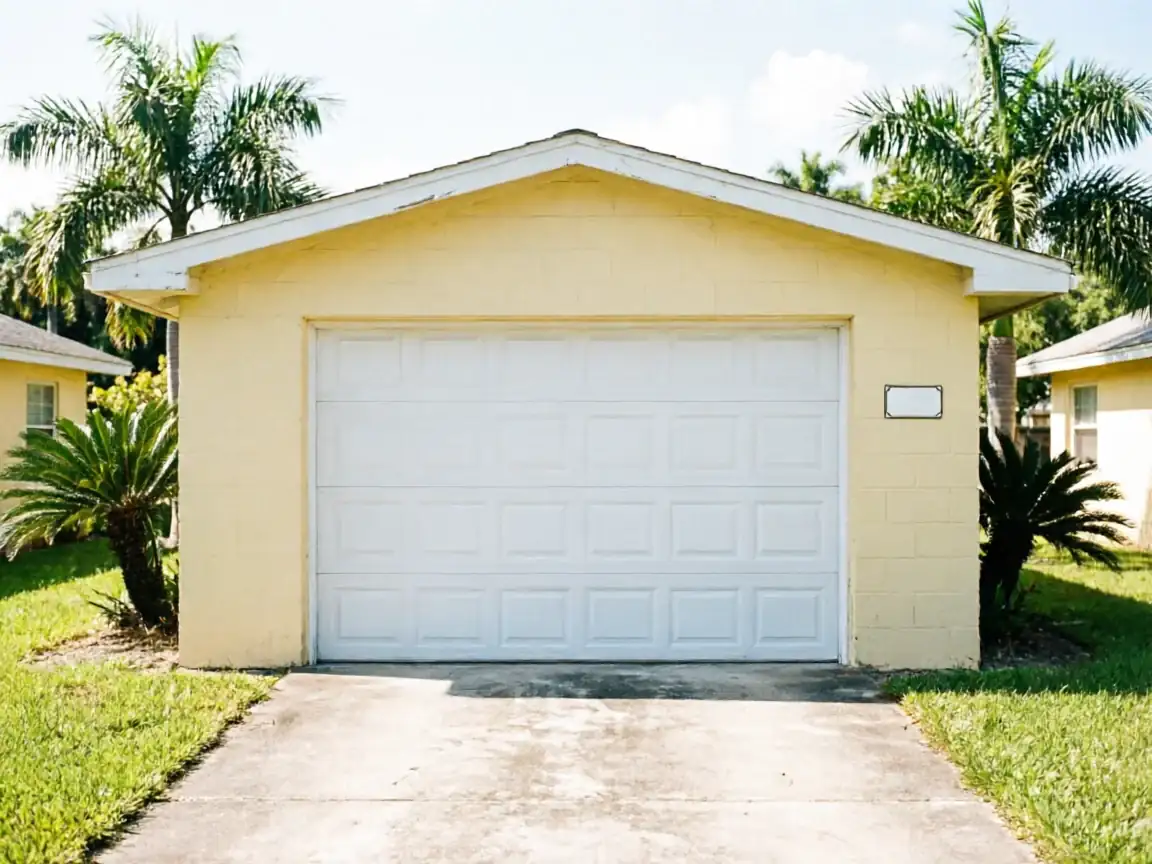
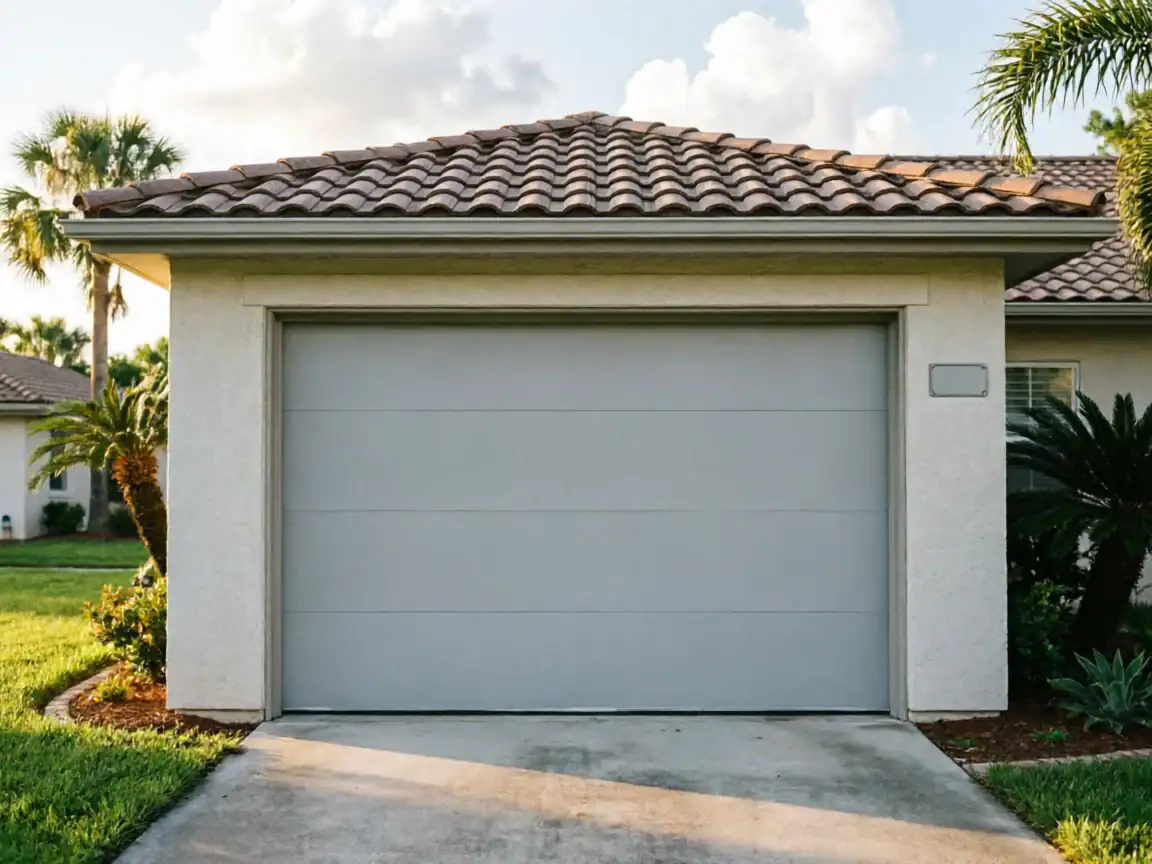
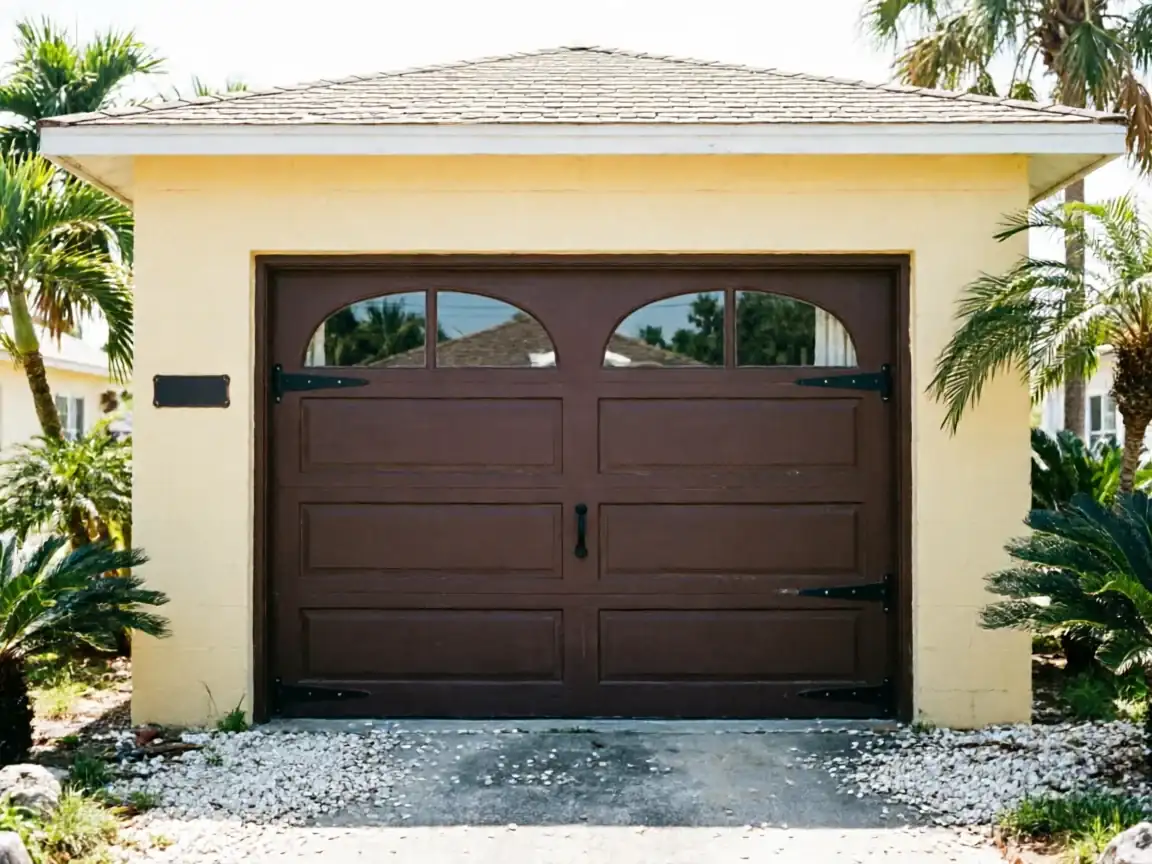
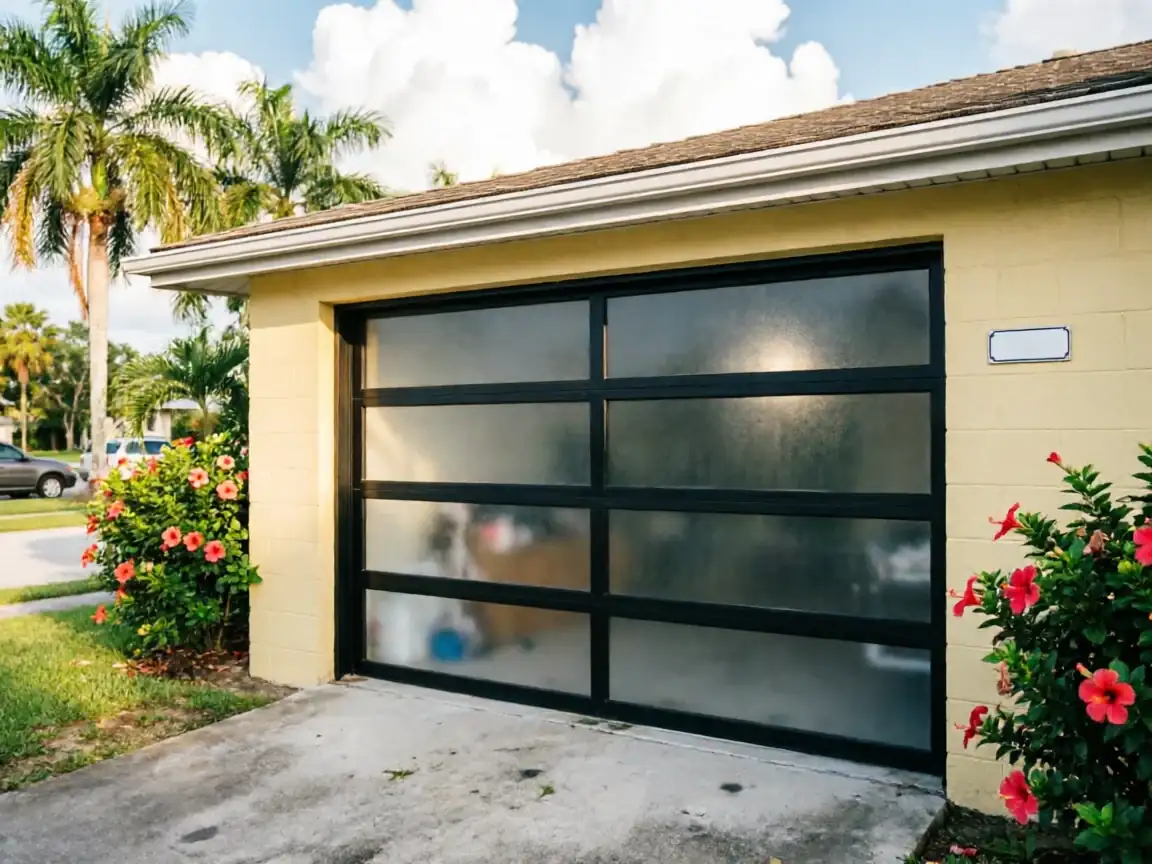
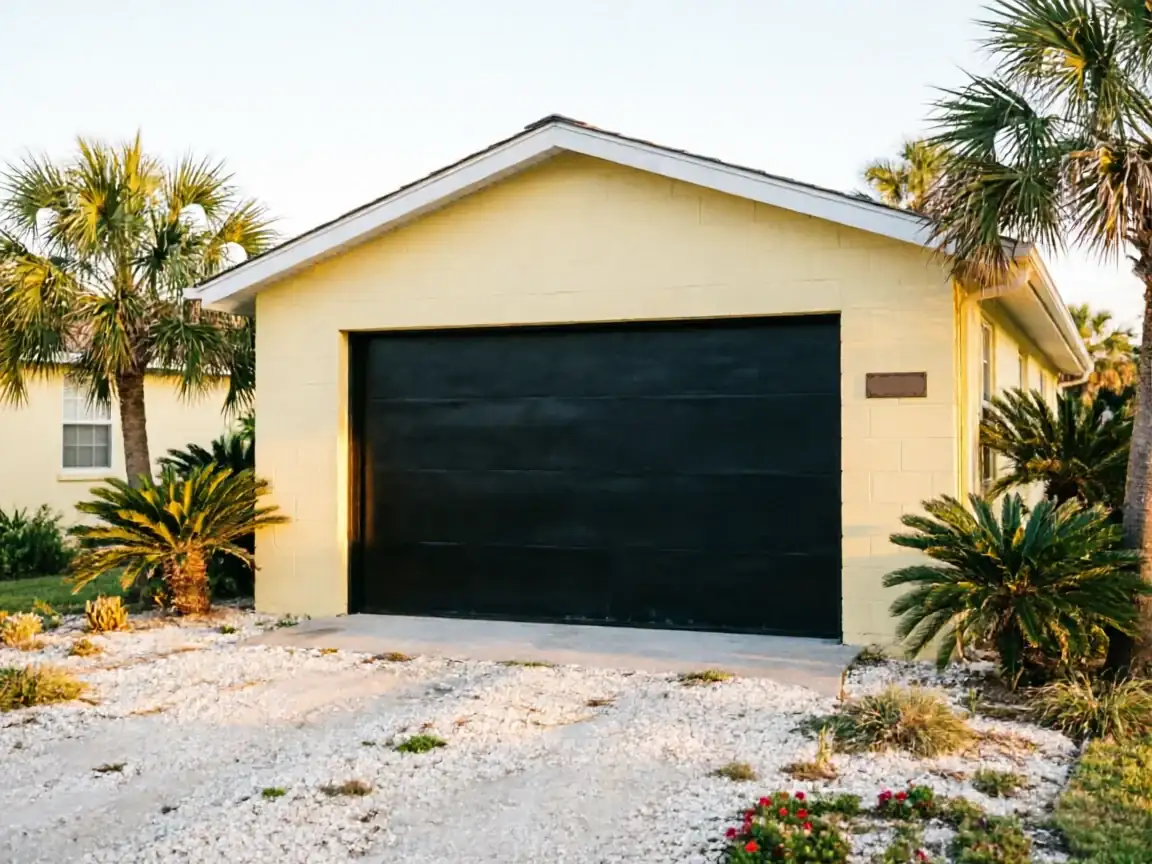
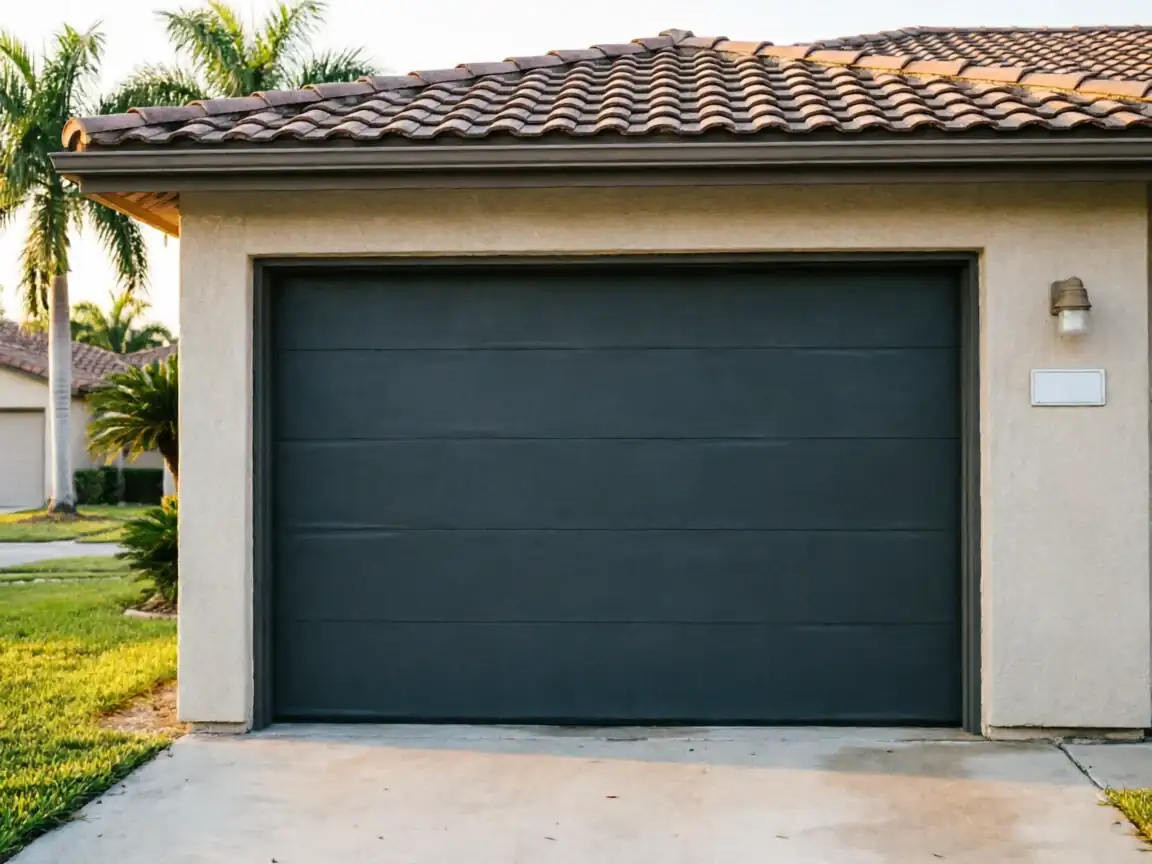
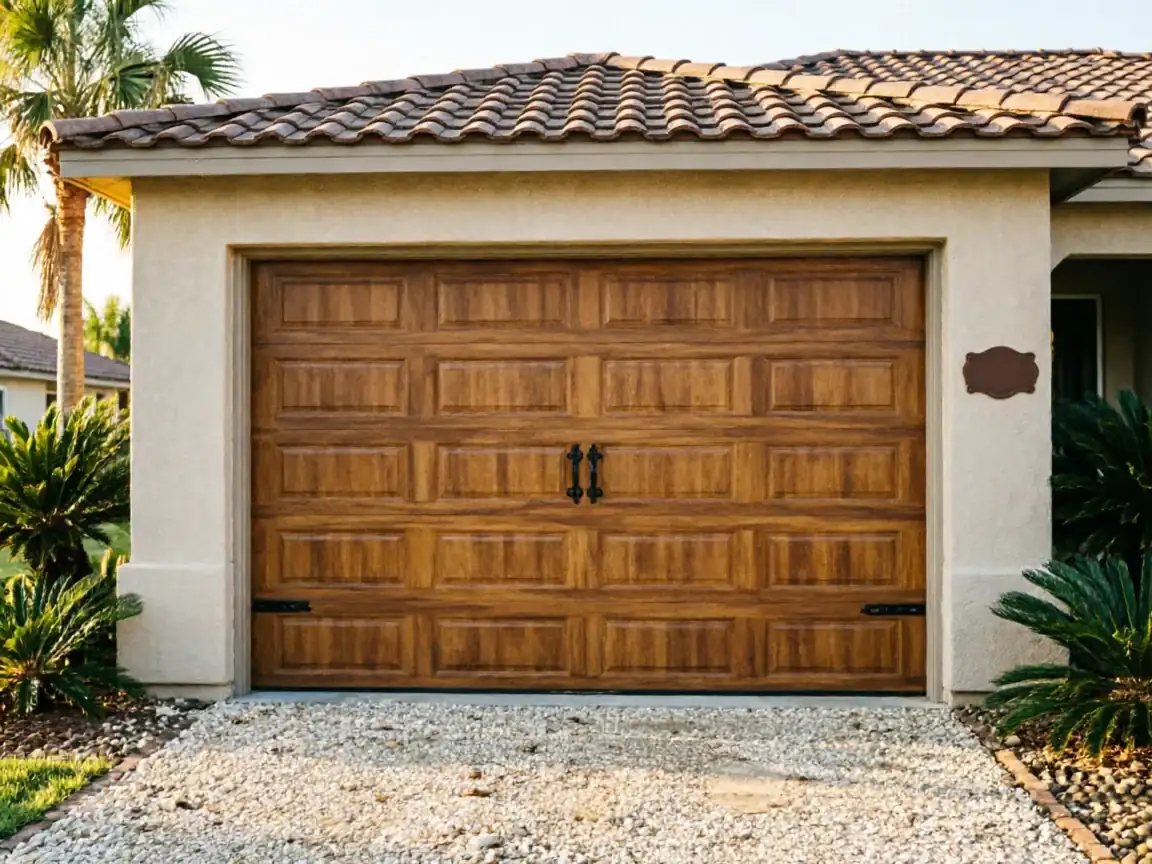
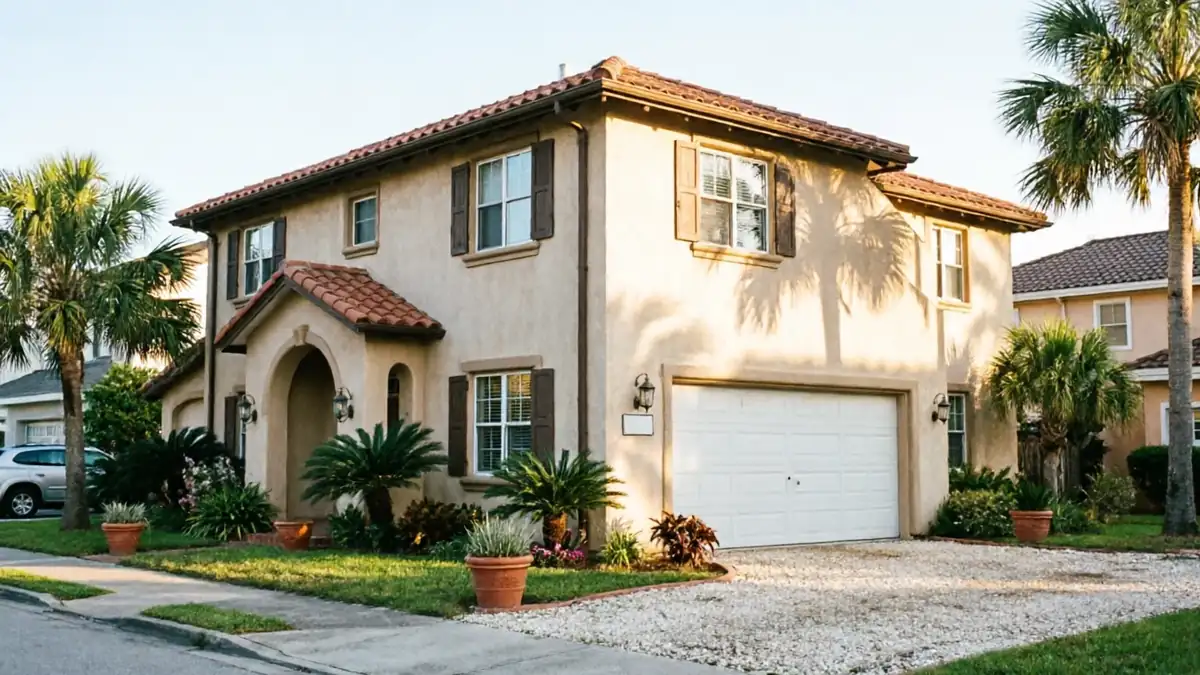
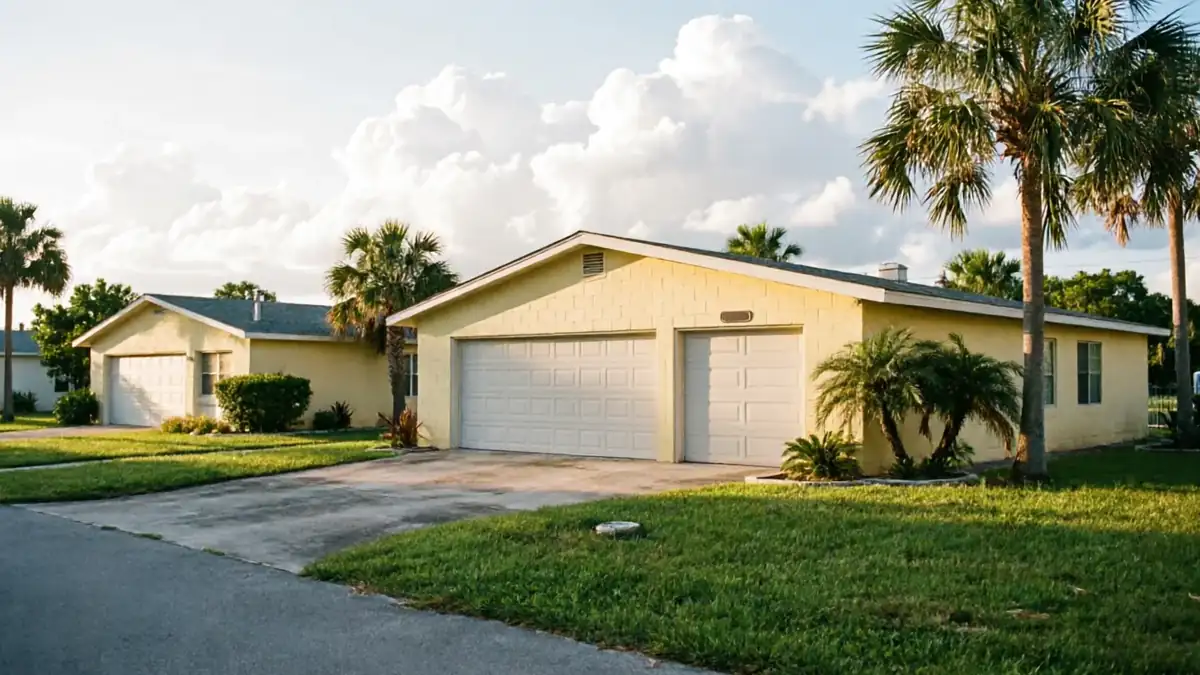
Dade City's housing runs older than a lot of what we see elsewhere in our coverage area. The median year built here is 1977, well ahead of the 1988 median across the broader 24-area service territory we cover out of Wesley Chapel. That's over a decade of difference, and in garage doors a decade is a different generation of hardware entirely. A lot of what's on these streets predates the opener and spring systems that dominate newer subdivisions in places like which were built out well after 1988.
With roughly 2,749 households in this area, it's a smaller, more established pocket than the newer-growth zones closer to Wesley Chapel. Streets here were largely built out and settled before a lot of the surrounding area existed as rooftops at all. That matters for parts availability - older track and spring hardware isn't something every supplier stocks off the shelf, and we'll tell you straight if a part needs ordering rather than promise a fix that isn't realistic.
What the Housing Means for Your Door
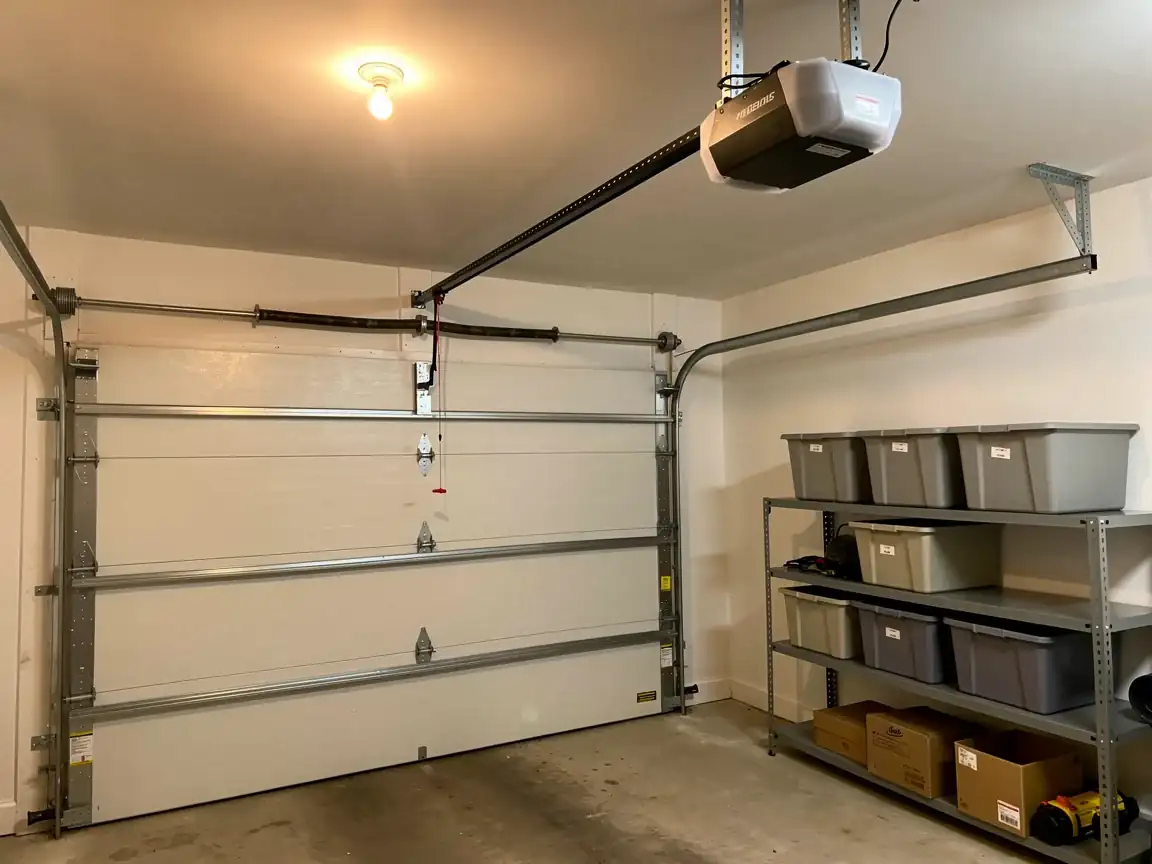
A house built around 1977 was very likely fitted with a garage door system designed for that era's standards
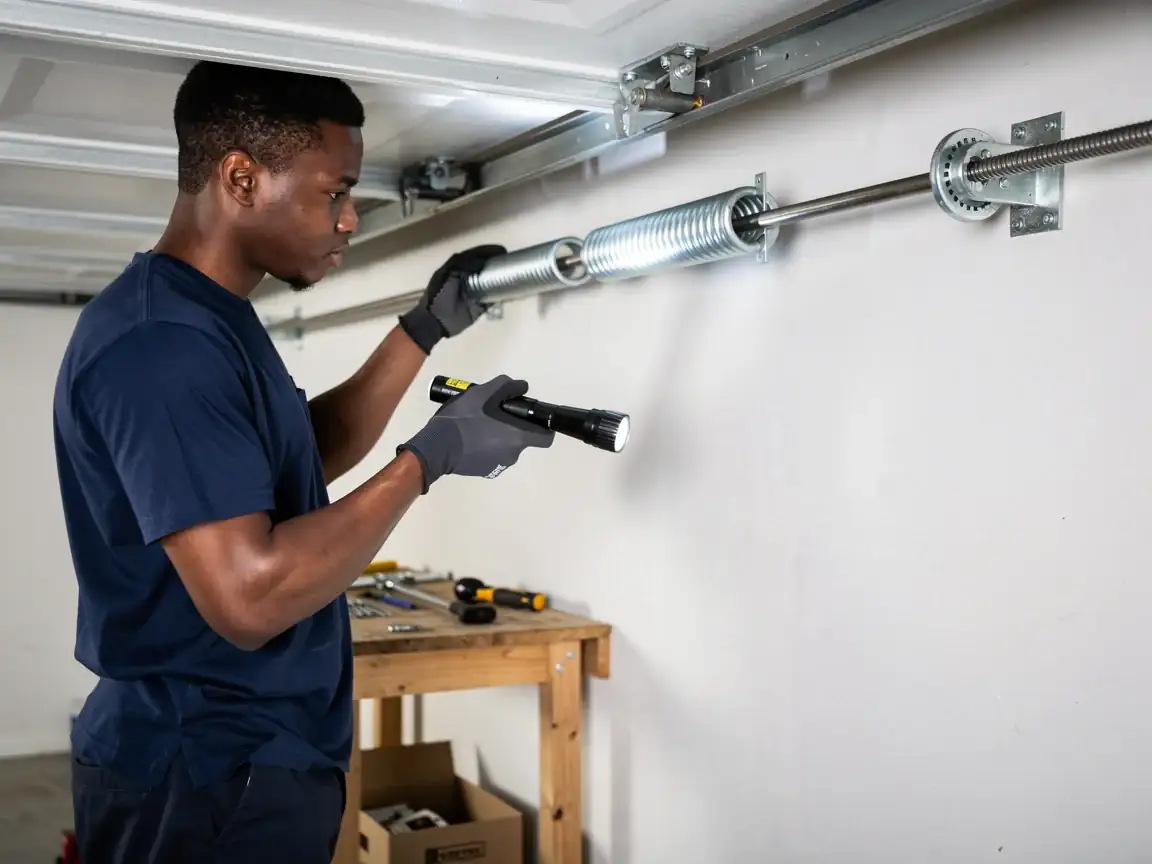
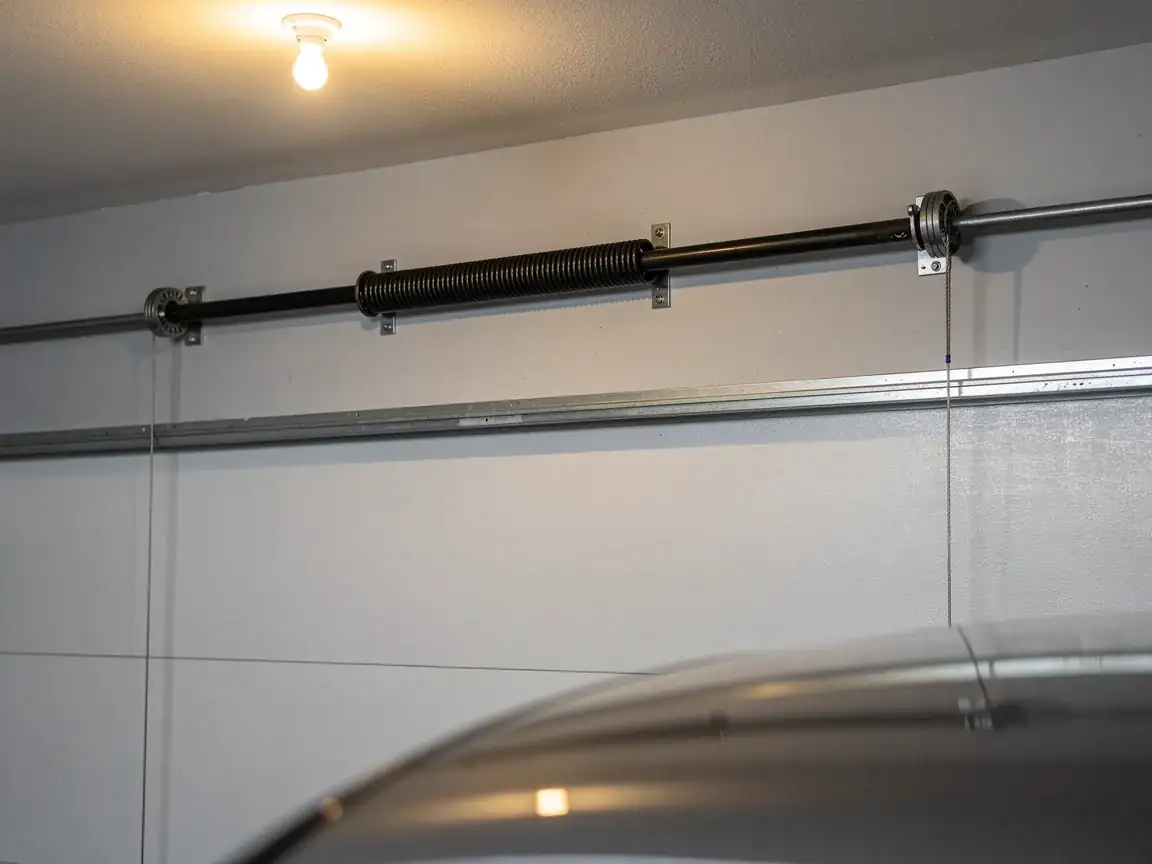
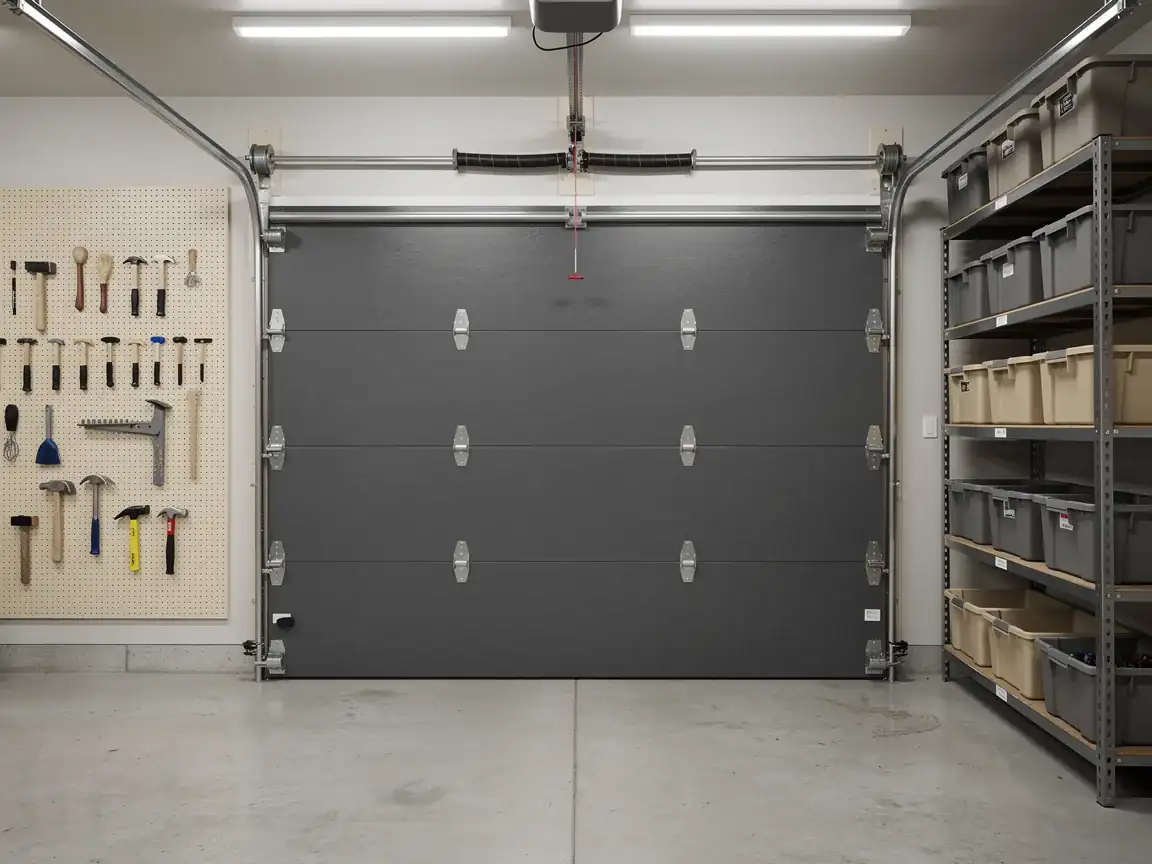
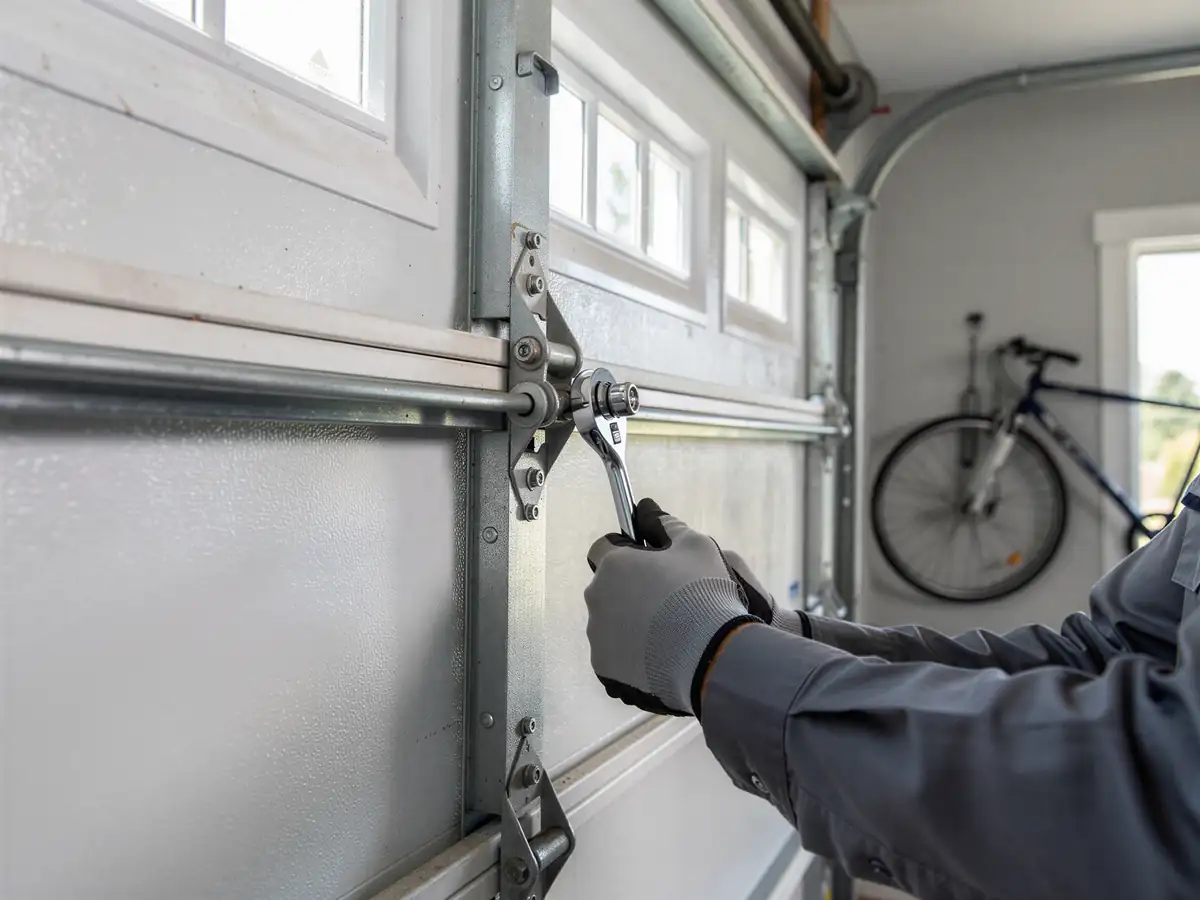
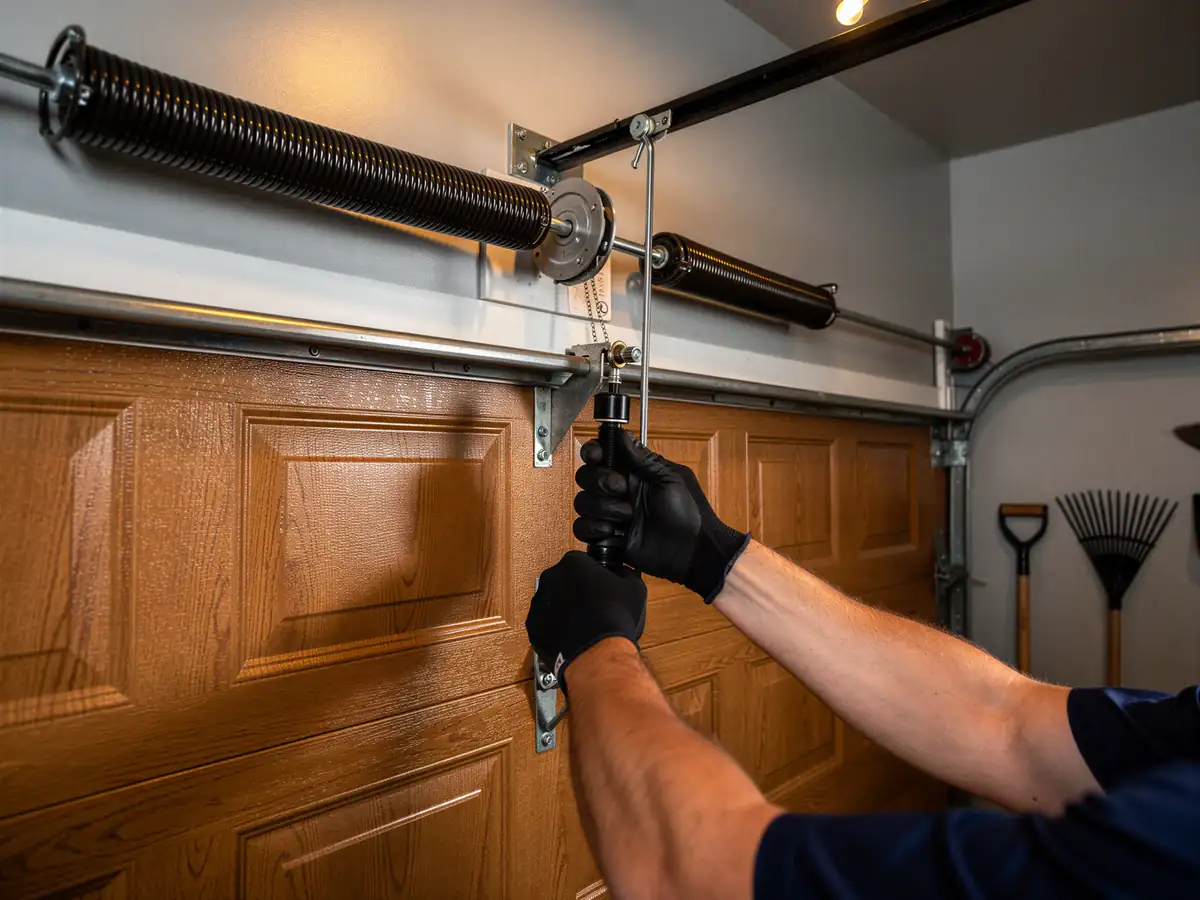
Lighter-gauge panels, older-style extension or torsion springs, and openers that have usually been replaced once or twice by now even if the door itself hasn't. If your door is original to the house, the springs are decades past any reasonable service life, full stop, regardless of how they look.
The mild temperate climate common to the whole service area means Dade City doors aren't fighting freeze-thaw cycling or heavy humidity swings that would accelerate corrosion on tracks and hardware the way harsher climates do
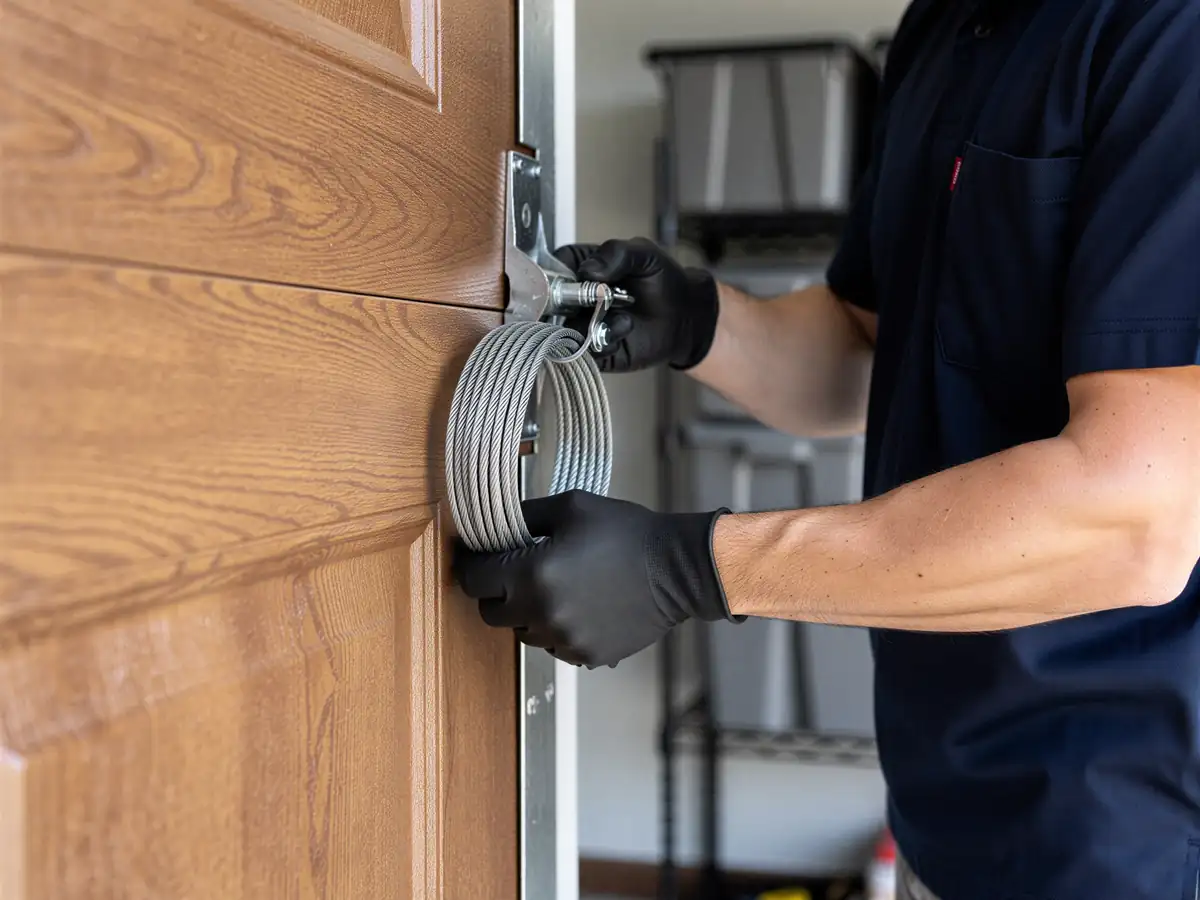
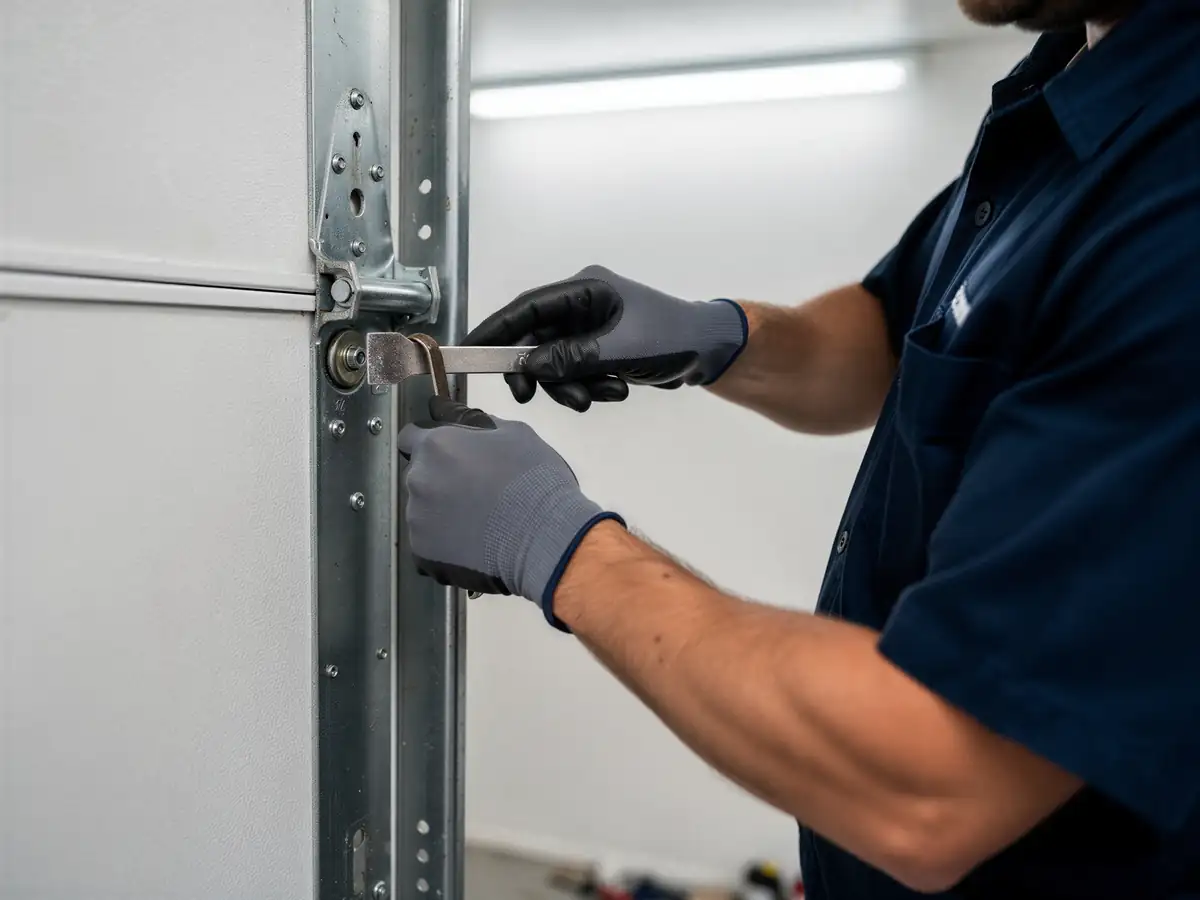
That's one thing working in these homeowners' favor. But age still wins over time - rollers wear, cables fray, and torsion springs fatigue on a cycle count, not a calendar. For a door from the late '70s, we're often replacing springs and rollers as a set rather than patching one part, since the rest of the hardware is usually at the same stage of wear.
The Houses Here
Dade City sits among a wider ring of communities we cover - Zephyrhills (9 mi), San Antonio (10 mi), St. Leo (10 mi), and Crystal Springs (10 mi) are all nearby, each with its own build-year profile. Dade City's 1977 median puts it on the older end of that group, closer in age to the original cores of those towns than to the 1988 service-area-wide median.
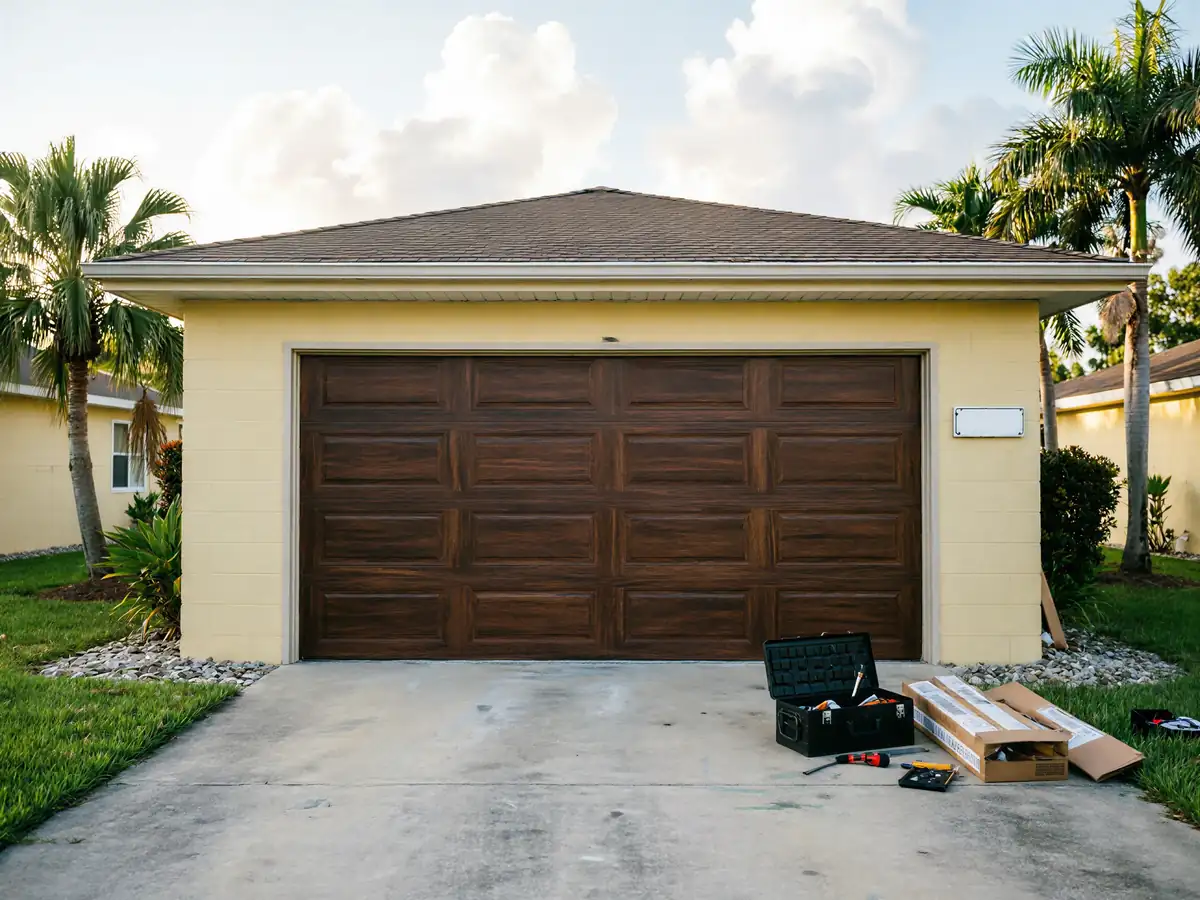
Median household income here runs $63,041, close to the broader service-area figure of $63,145 - so cost isn't usually the deciding factor in repair-versus-replace calls here, age and original build quality are. A door that's original to a 1977 build has had a long run. When a spring goes on a door that old, it's a reasonable point to ask whether the whole unit - door, track, opener - is worth replacing together rather than repairing piece by piece. We'll give you that read honestly rather than push whichever job is bigger.