What You Are Seeing
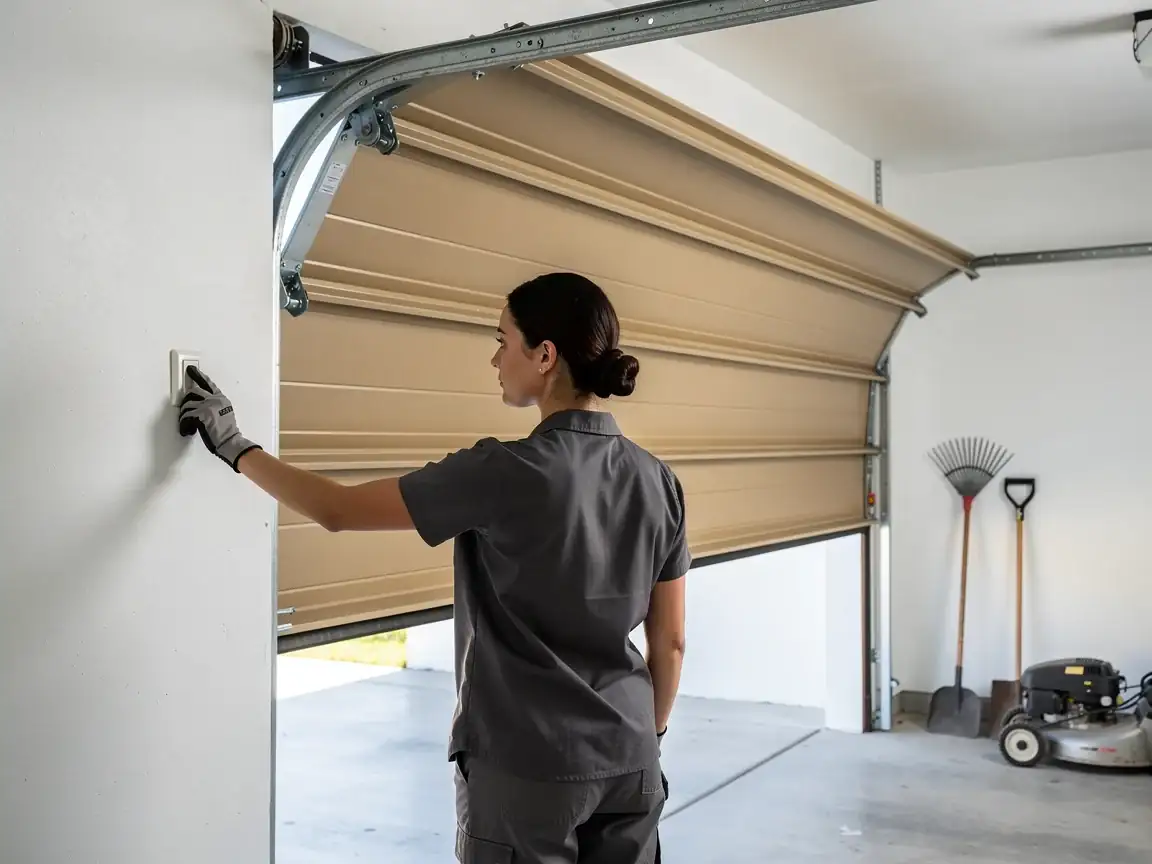
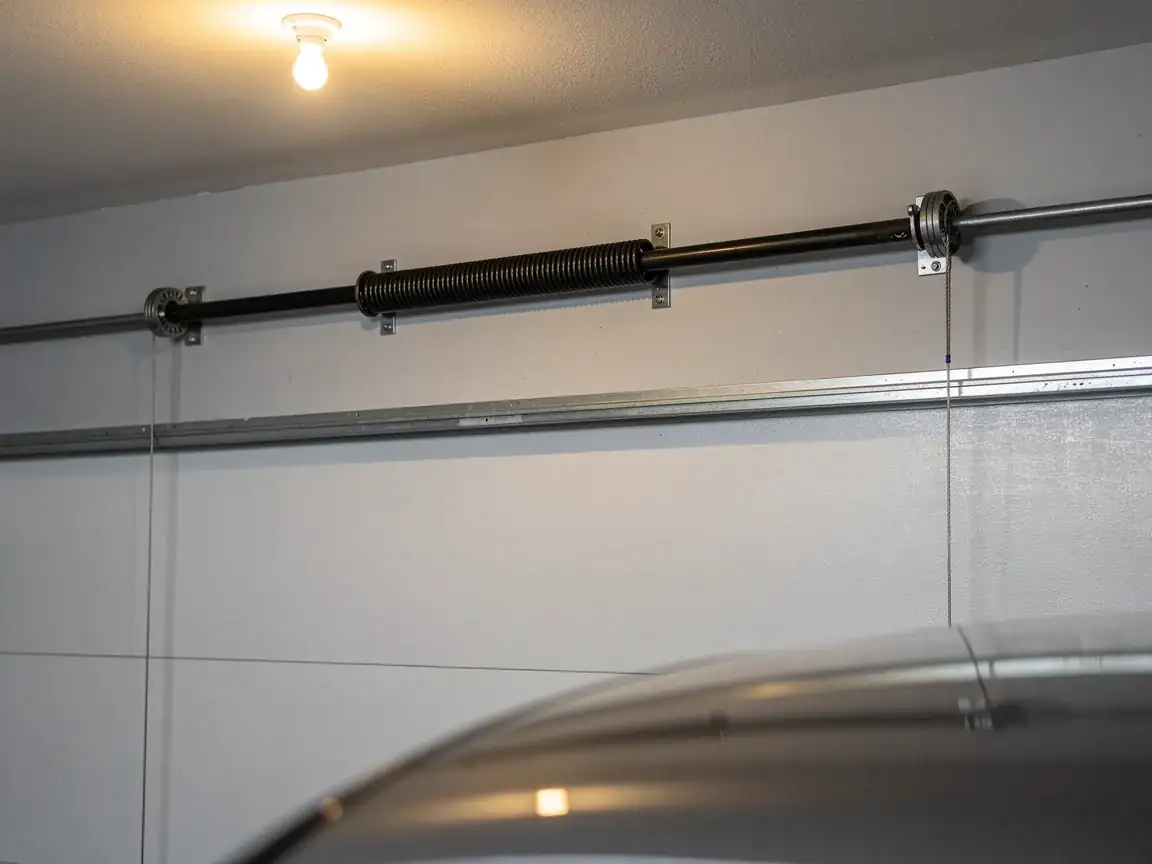
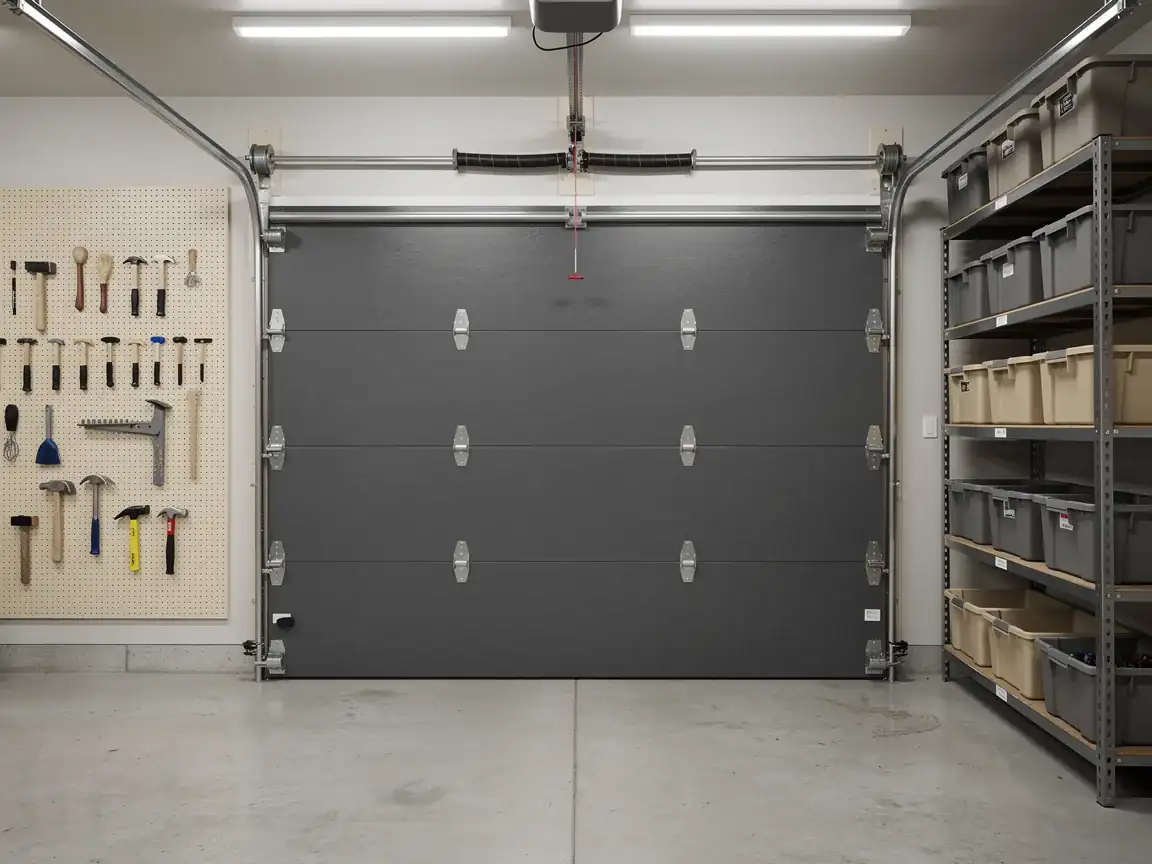
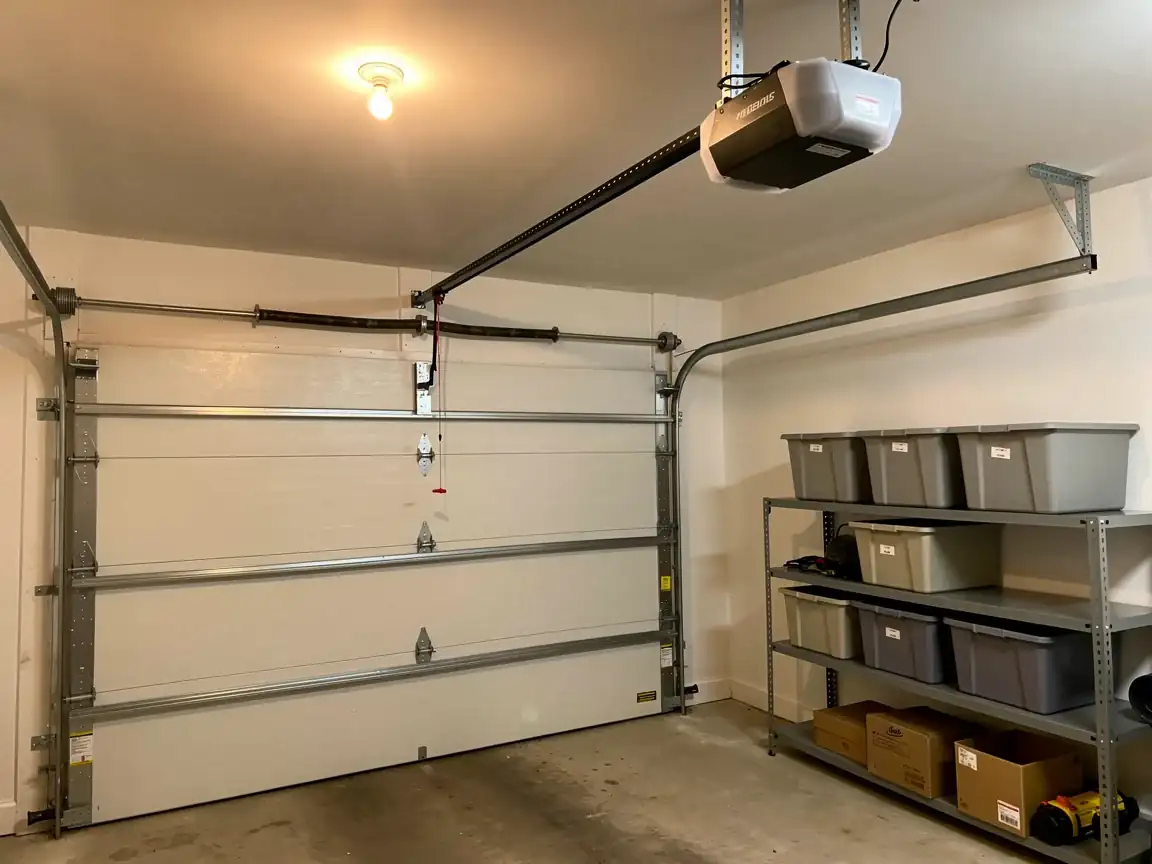
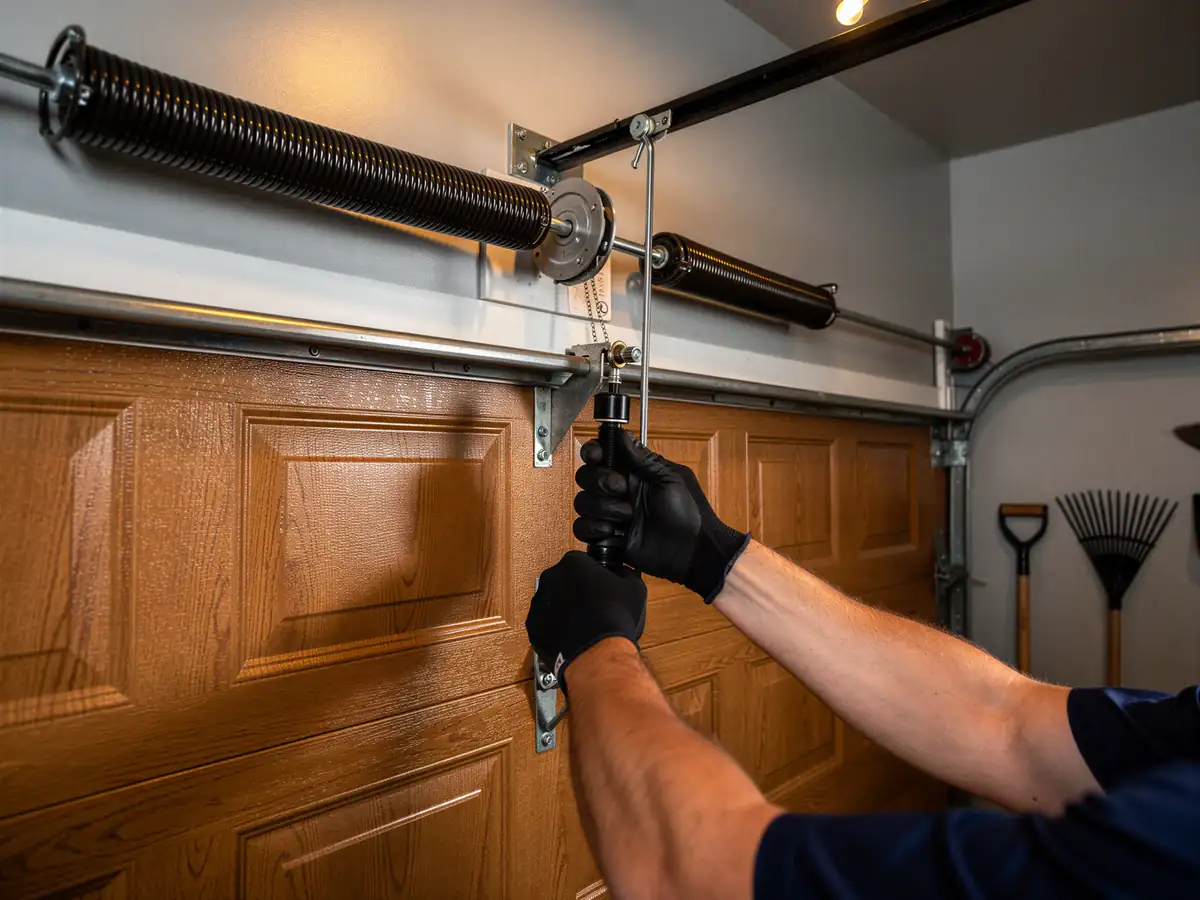
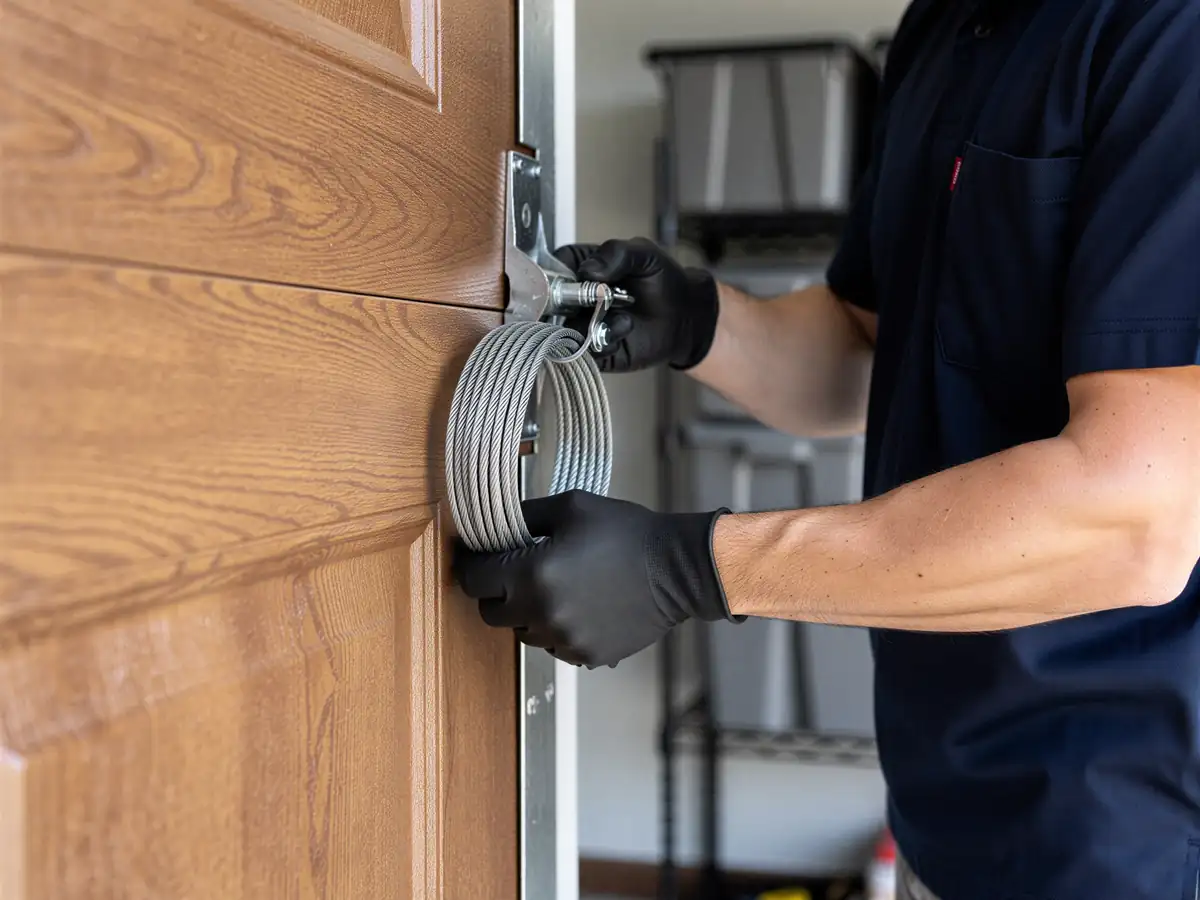
A garage door that drops unevenly on one side, a loud snap followed by the door refusing to move, or a cable you can see has gone from tight and silver to frayed and rusted at the bottom roller bracket - that's a cable problem, not a spring problem, even though the two get blamed on each other constantly. Cables run alongside the torsion or extension springs and carry the door's weight down to the bottom brackets. When one lets go, the door usually cocks sideways in the track instead of falling straight, because only one side has lost tension. If you try to run the opener anyway, you can bend the track or crack a panel, so most homeowners catch this one fast simply because the door stops working right in front of them. Some cables fail slow - you'll notice a stiff, jerky pull that gets worse over a few weeks before the strand finally gives. Either way, the door isn't safe to force open by hand or by opener until the cable is replaced, because the remaining side is now carrying weight it wasn't built to hold alone.
What Can Go Wrong
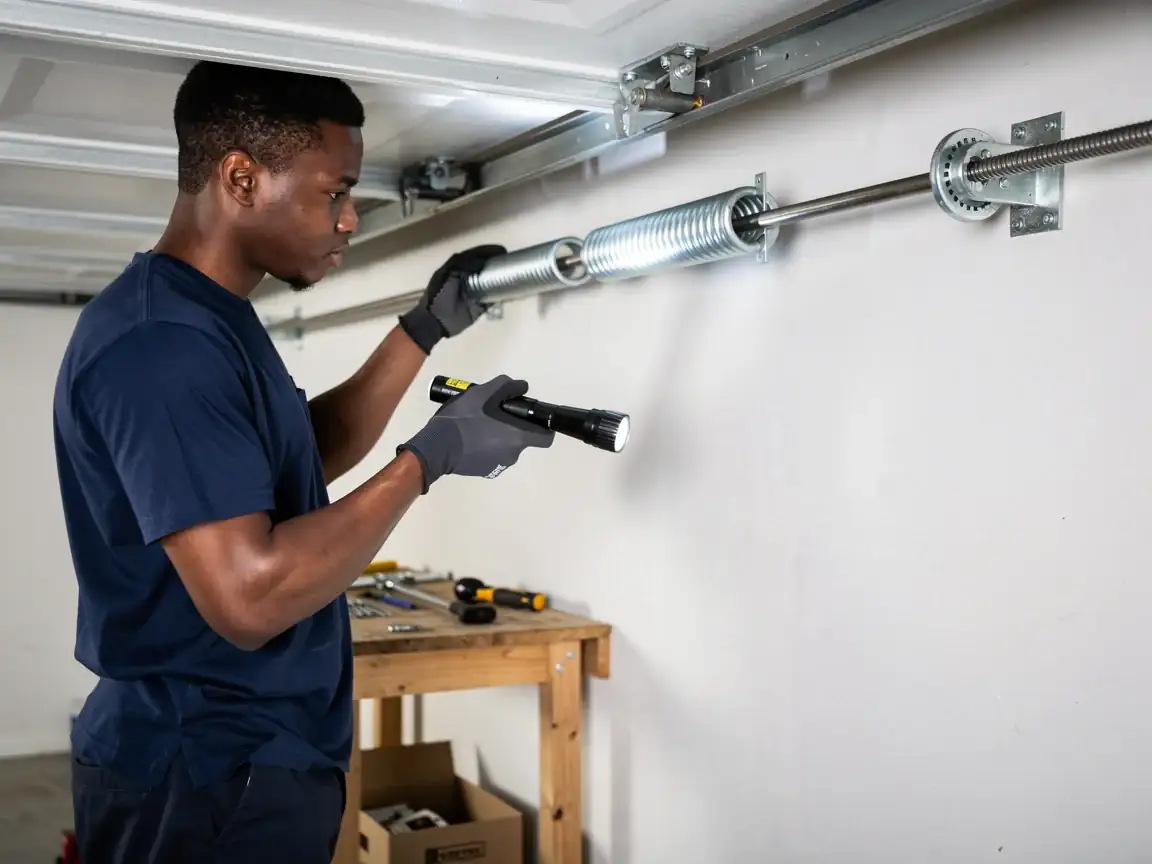
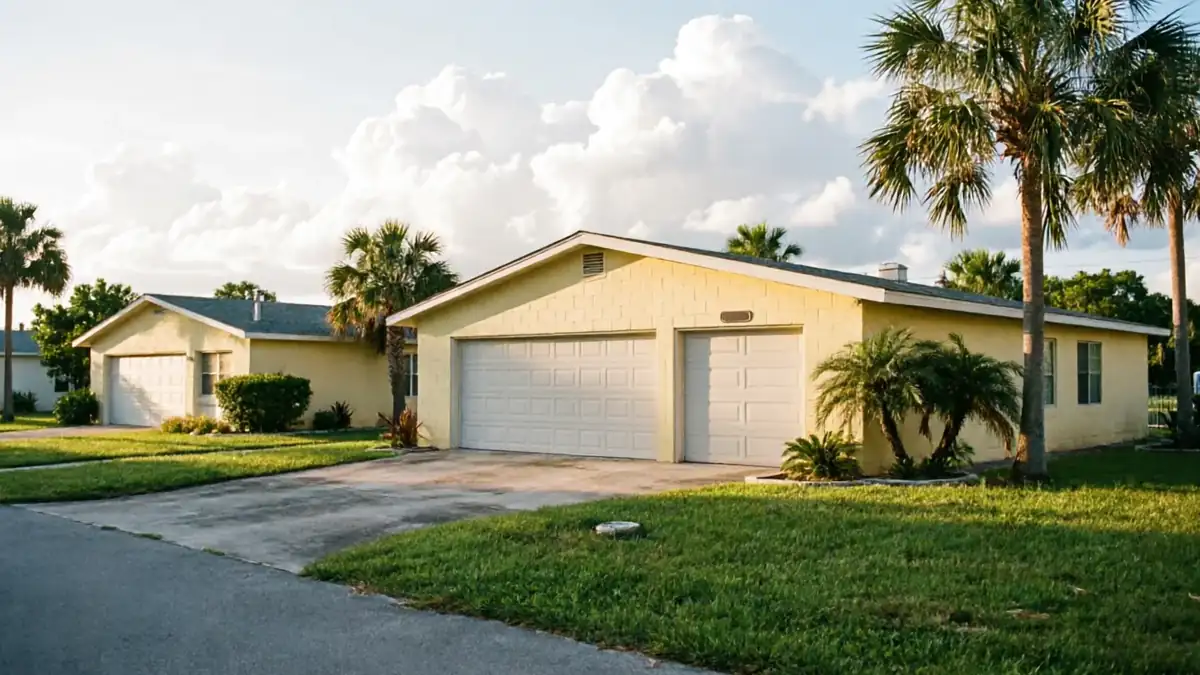
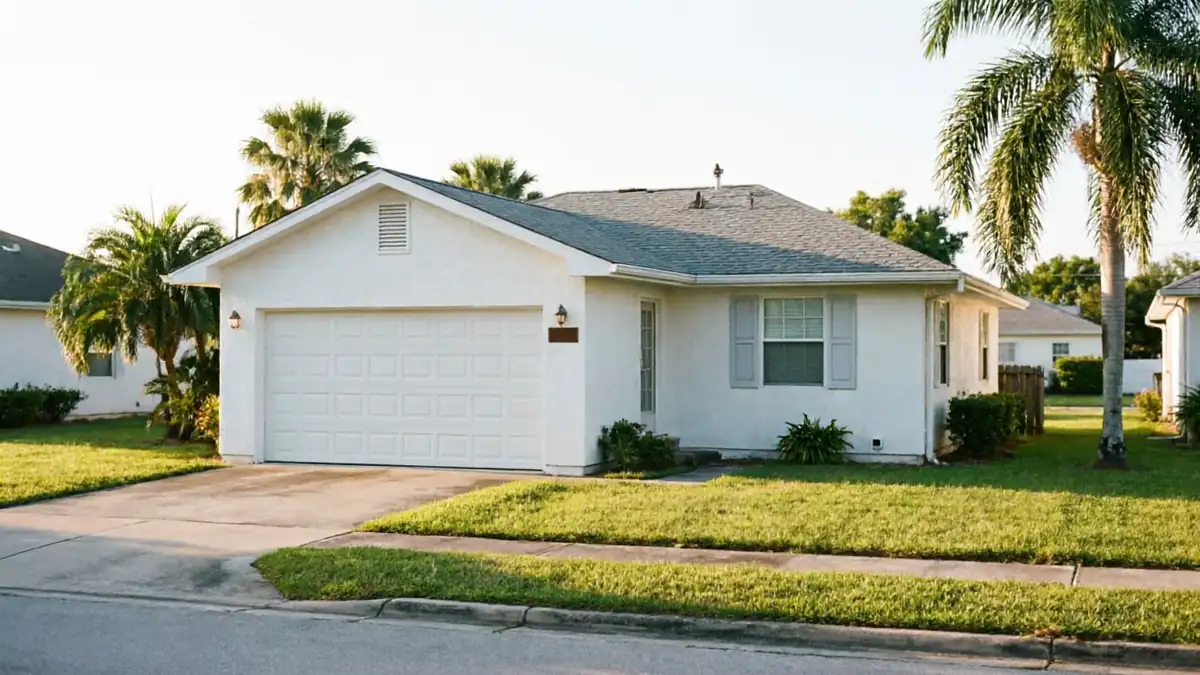
A worn cable rarely fails cleanly. It frays strand by strand at the drum or the bottom bracket, and each loose strand catches more load, so the failure accelerates right before it breaks. If the door is already cocked when you notice this, the opener's travel limits are now wrong and it may try to force the door shut anyway, which stresses the opposite cable and can take it out next. On older torsion setups - common in homes from this area's 1980s and 90s construction run - the drum and cable are matched to a specific spring wind, so replacing a cable without matching the drum spacing throws the door's balance off even after the repair. Extension-cable systems have their own failure point: the pulley wheel wears a groove and starts cutting the cable from the inside, which looks fine from outside until it doesn't. None of this is a DIY fix with the door under tension - the stored energy in a wound torsion spring or a stretched extension spring is enough to cause a serious injury if the cable lets go while someone's hands are on it.
What the Fix Involves
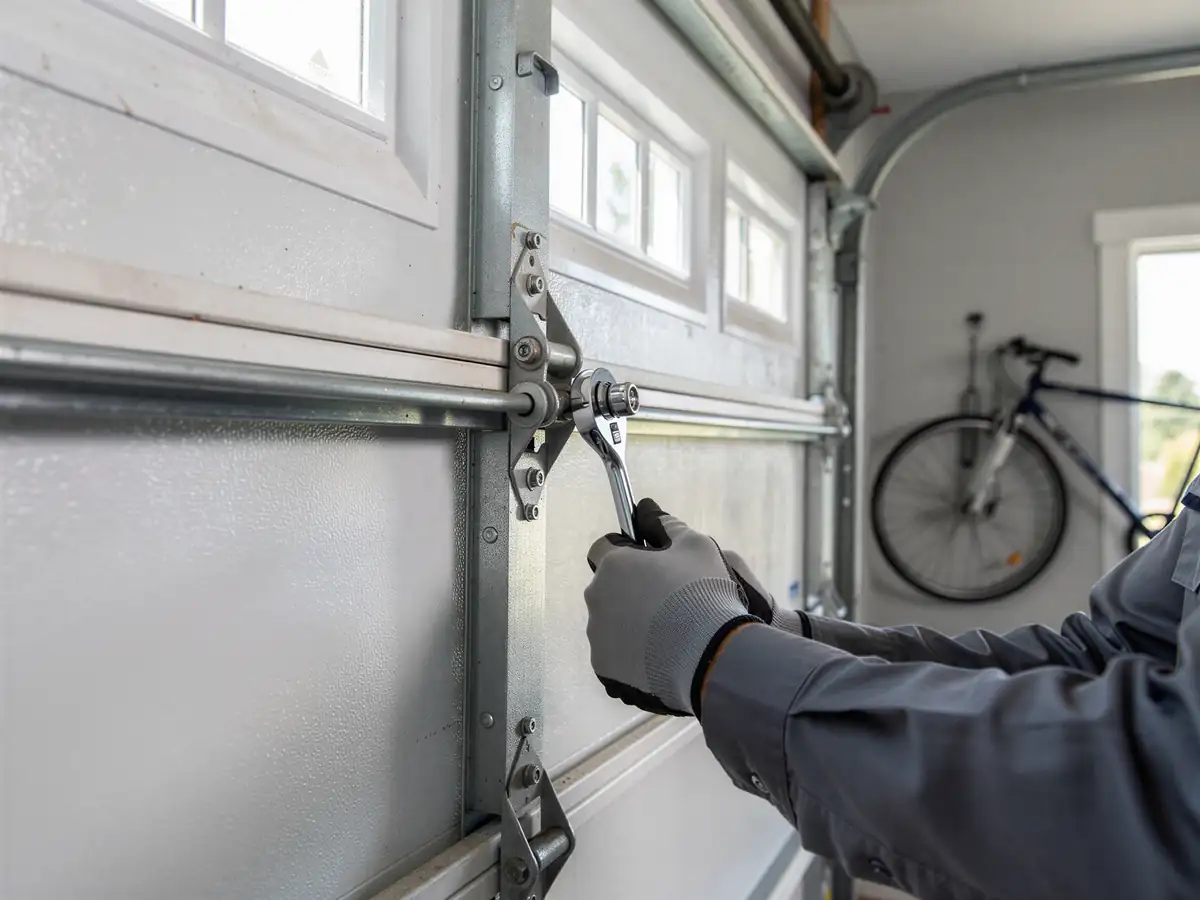
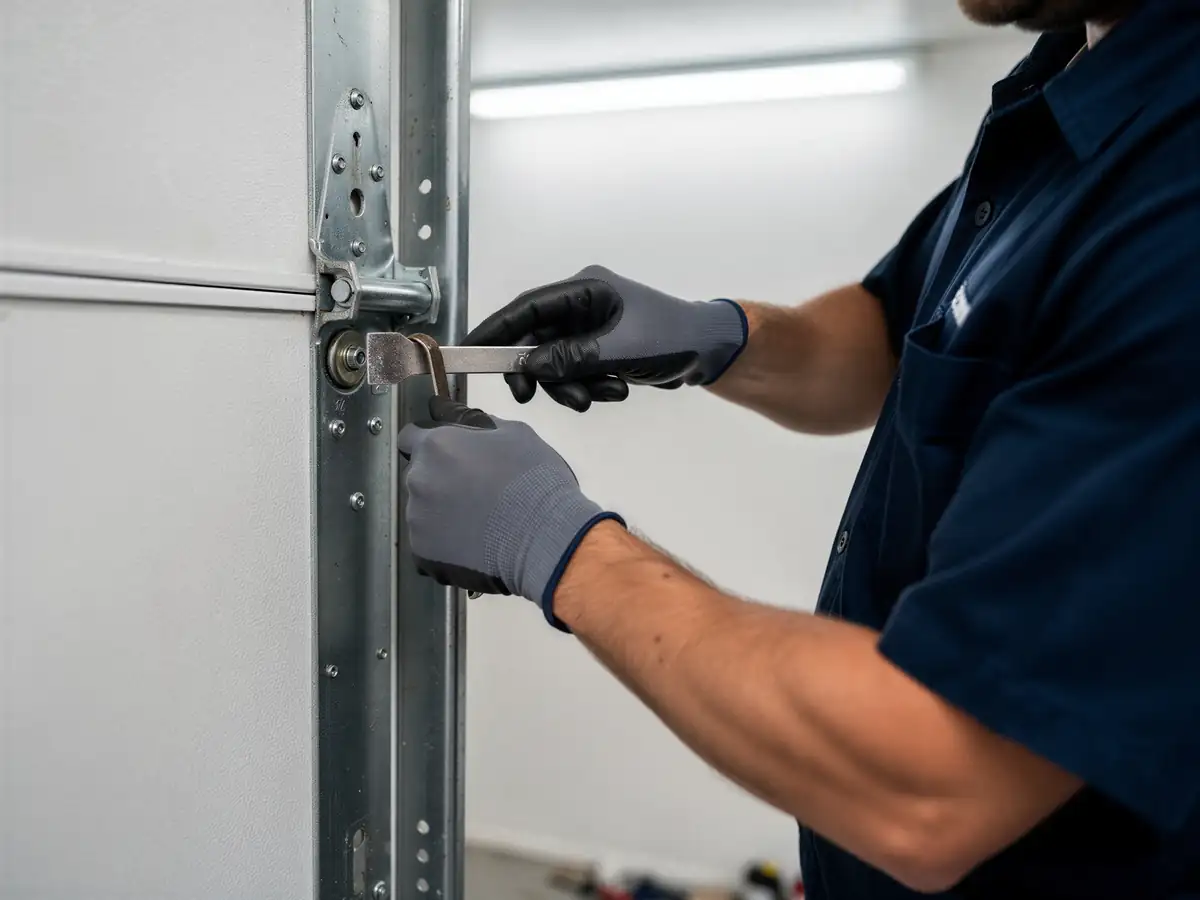
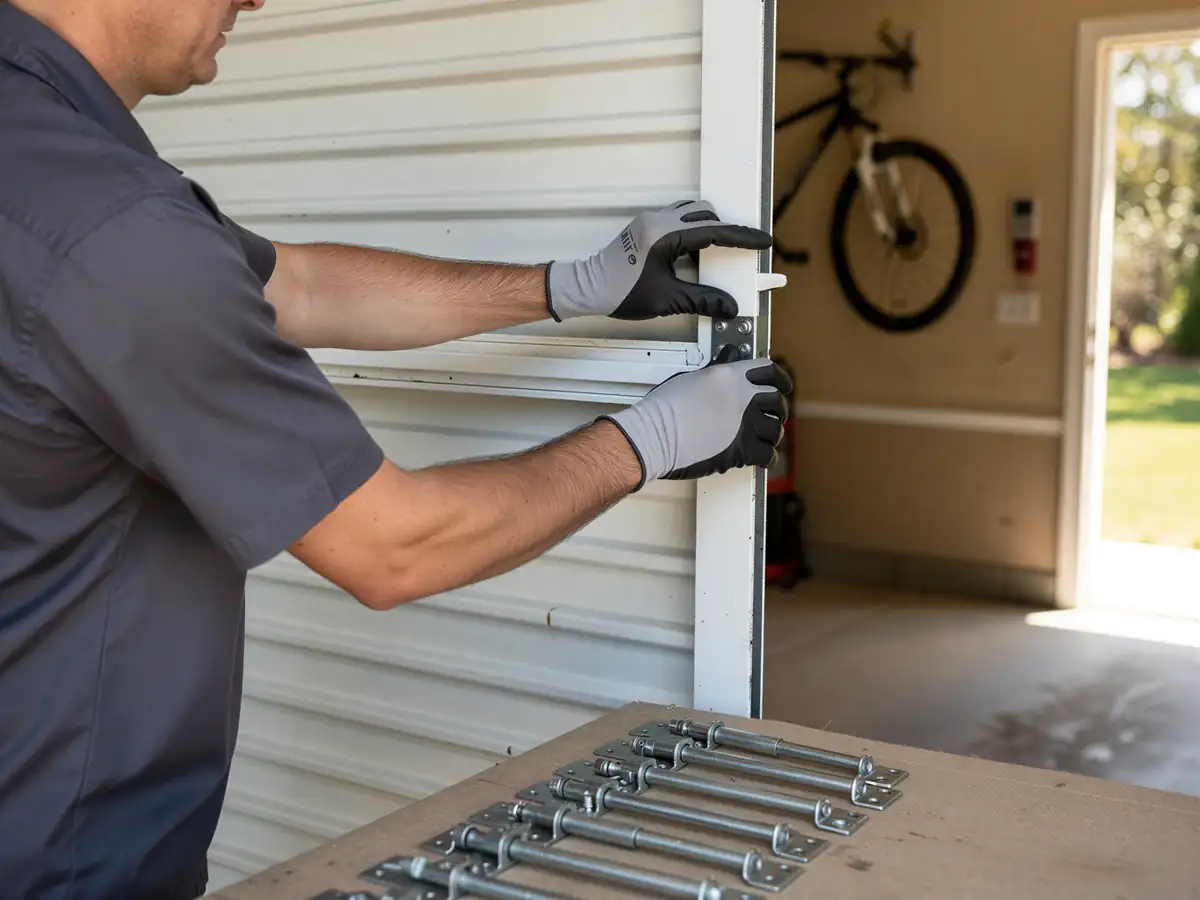
A proper cable repair starts with releasing spring tension safely, which means clamping or winding bars - not just unplugging the opener. Both cables get replaced as a set even if only one broke, because the surviving cable is almost always close behind on wear and it's not worth a second trip for it. We measure drum spacing and cable gauge against the door's actual weight rather than assuming the old parts were sized right, since a lot of these doors picked up heavier insulated panels at some point without anyone re-balancing the spring system to match. After the new cables go on, the door gets re-tensioned and run through its full travel to check it settles level on both sides, then the opener's force and limit settings get rechecked - skipping that step is the most common reason a cable repair looks fine for a week and then starts binding again. One honest limit here: if the drums or bottom brackets are rusted through or bent, that's a hardware replacement job, not a cable swap, and we'll tell you that before starting rather than after.