Season by Season
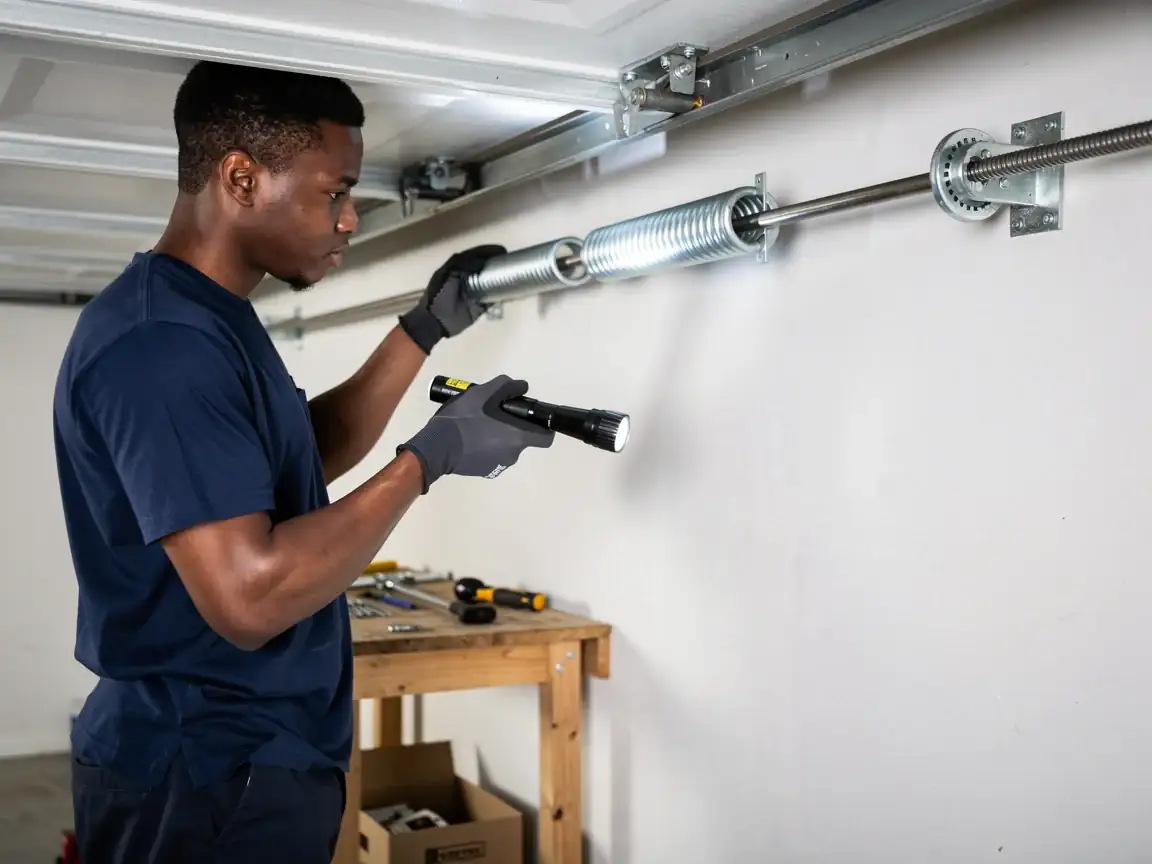
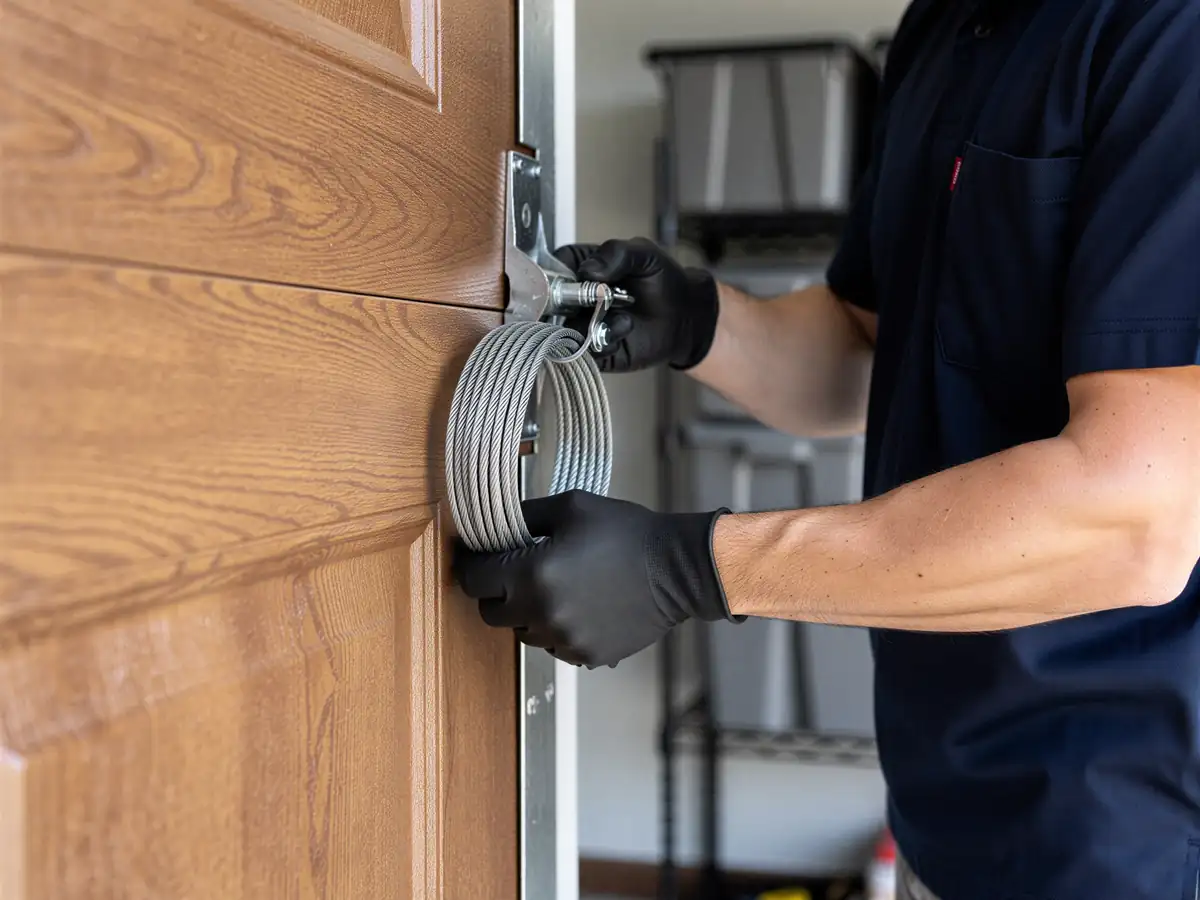
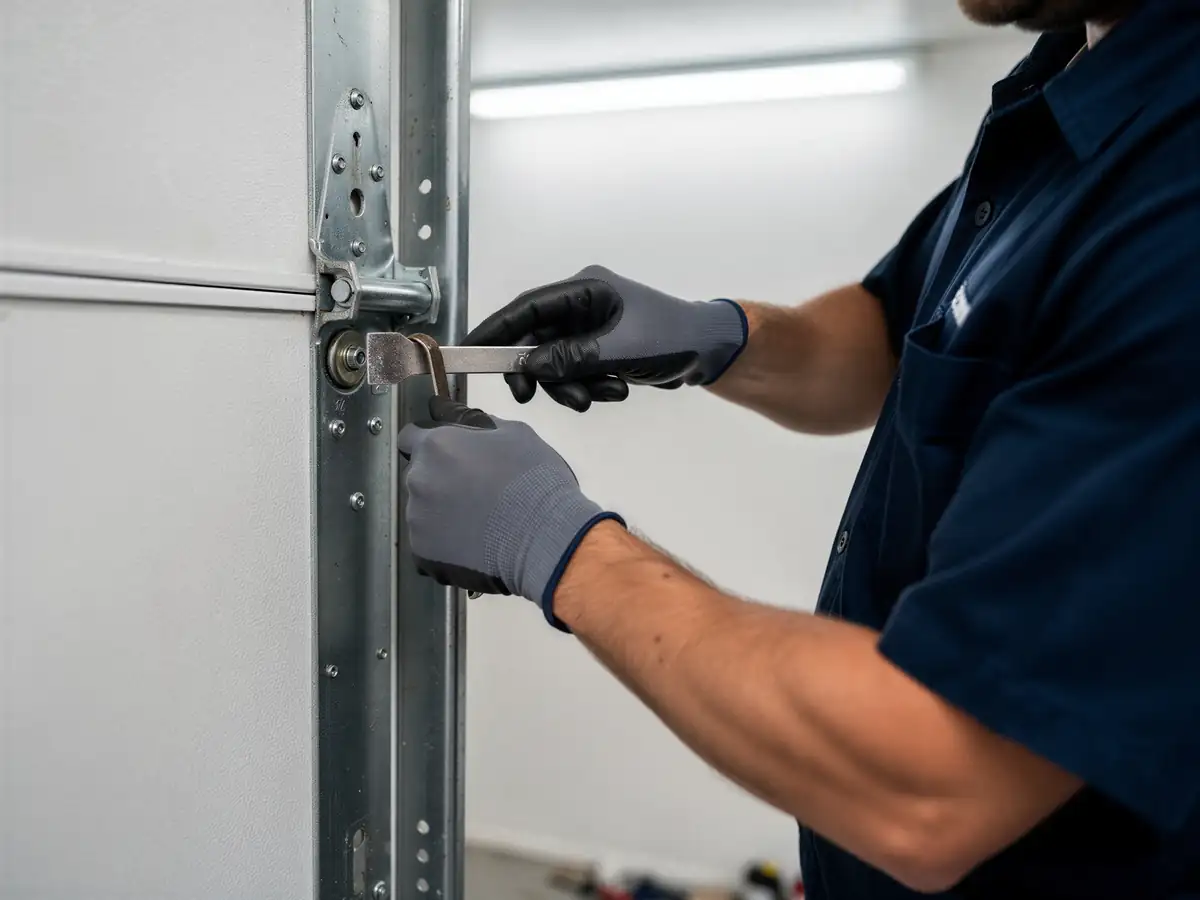
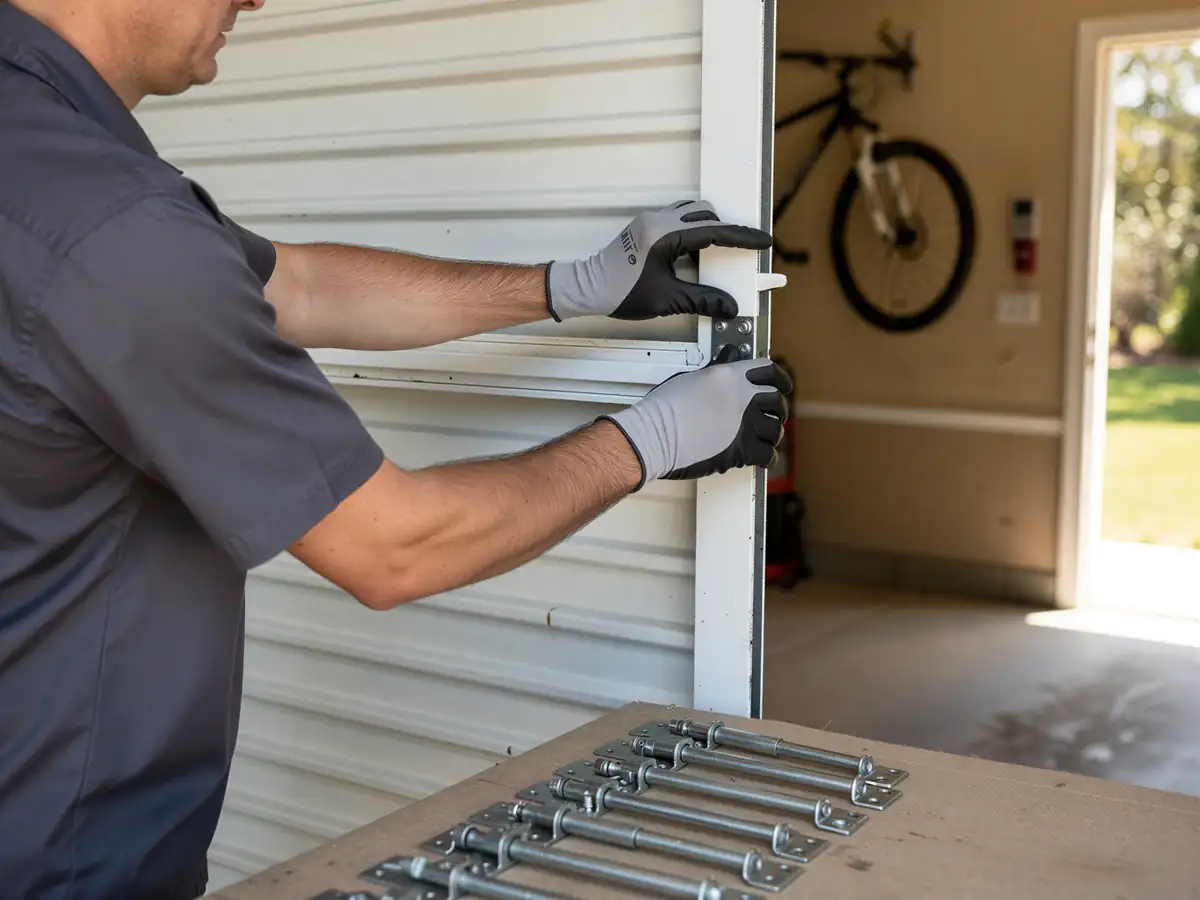
Wesley Chapel sits in a mild temperate band, so you don't get the freeze-thaw cycles that crack concrete slabs and shift track brackets the way colder regions do. That's the good news. The less obvious part is that the mild, humid stretch here runs nearly year-round across the service area - from in close to further out - and steady humidity is its own slow problem. Track brackets lag-bolted into framing 20 to 40 years ago (most of the housing stock here went up between 1970 and 2005, median around 1988) see constant minor expansion and contraction in the wood and the fasteners loosen over time, not from one hard freeze but from thousands of small humidity cycles. There isn't a dramatic storm season that knocks doors off track in one event here the way there is in some climates. It's a gradual loosening, which means most homeowners don't notice the track pulling away from the jamb until a roller finally jumps the rail. Check the brackets twice a year if your house falls into that 1970-2005 build range - that's most of this area.
When to Call Someone
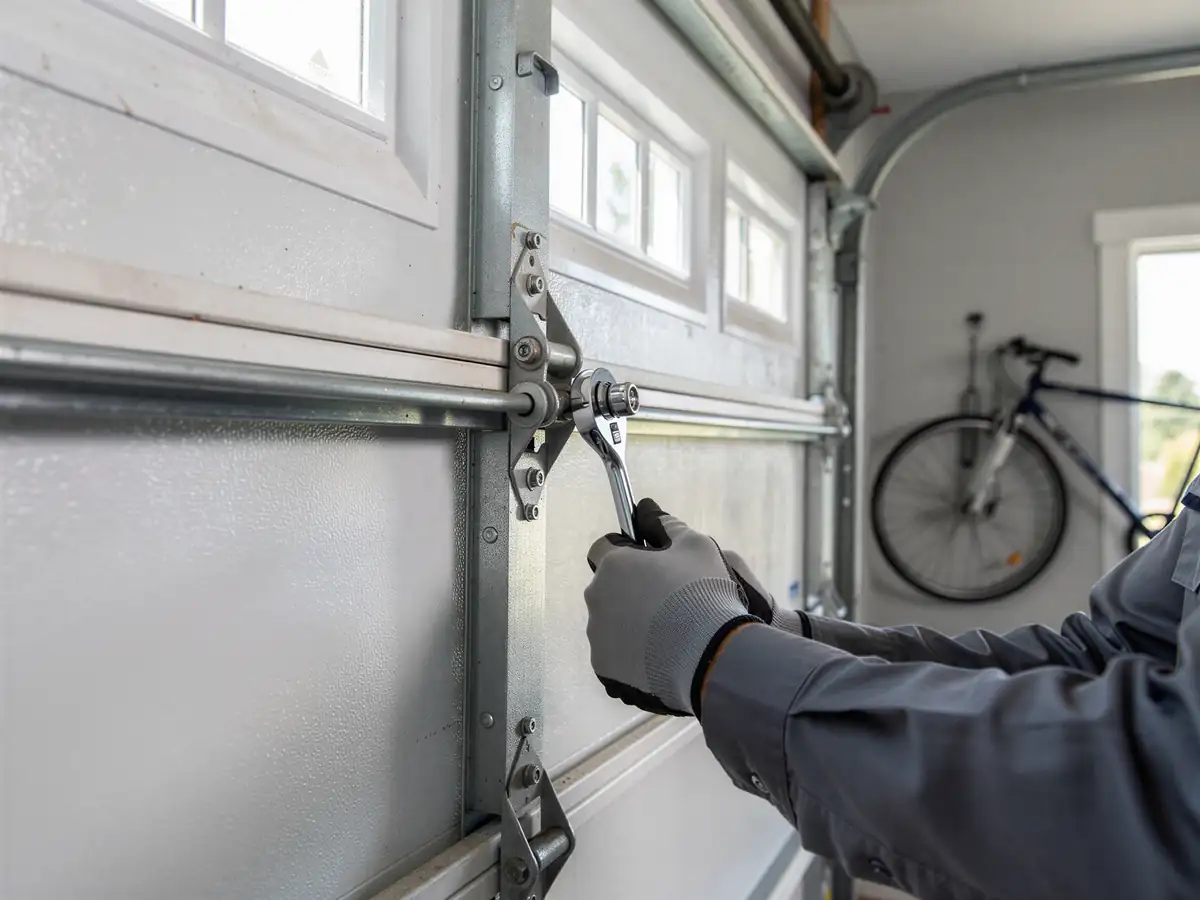
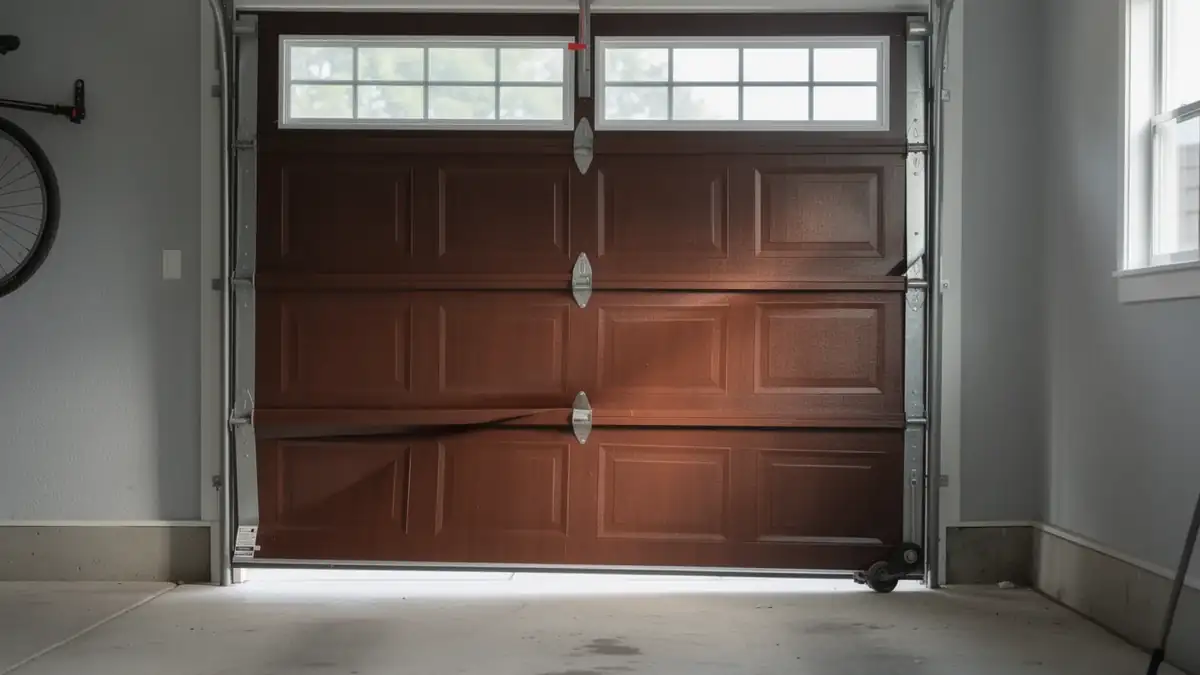
If a roller has jumped the track but the door is sitting level and nothing's bent, that's sometimes a bracket tightening job, not a full repair. Call before you run the opener again. Forcing a door past a jumped roller is how a $40 bracket fix turns into a bent track that needs replacing. Given that a large share of homes in this area were built in the 1980s and 90s, a lot of the original track hardware is original - nobody's swapped it since the house was framed. That hardware wasn't bad when it went in, but it wasn't built to last 35-plus years either. If you hear a scrape or a bang right as the door reaches the top or bottom of its travel, stop and call rather than cycling it a few more times to see if it clears itself. That's usually the sound of a roller riding the edge of the rail, one cycle away from coming out.
How Local Conditions Play In
The mild temperate climate here means your garage isn't fighting the extremes that cause sudden track failure elsewhere - no deep freeze locking a torsion spring, no ice forcing a door to bind mid-cycle. What it does mean is that moisture is present almost constantly rather than in short bursts, and that favors slow corrosion at the base of the track and around bracket bolts over the life of a house. Combine that with a service area where the bulk of homes were built between 1970 and 2005 across two dozen named communities - Pebble Creek, Zephyrhills West, San Antonio, and the rest out to Dade City and Shady Hills - and you get a consistent pattern: doors that have never had a dramatic failure event but whose hardware has quietly aged for three or four decades. That's a different maintenance conversation than a region with harsh winters. Here, the fix is usually inspection and retightening before something jumps, not emergency thaw-related repair.