The Cost of This Job
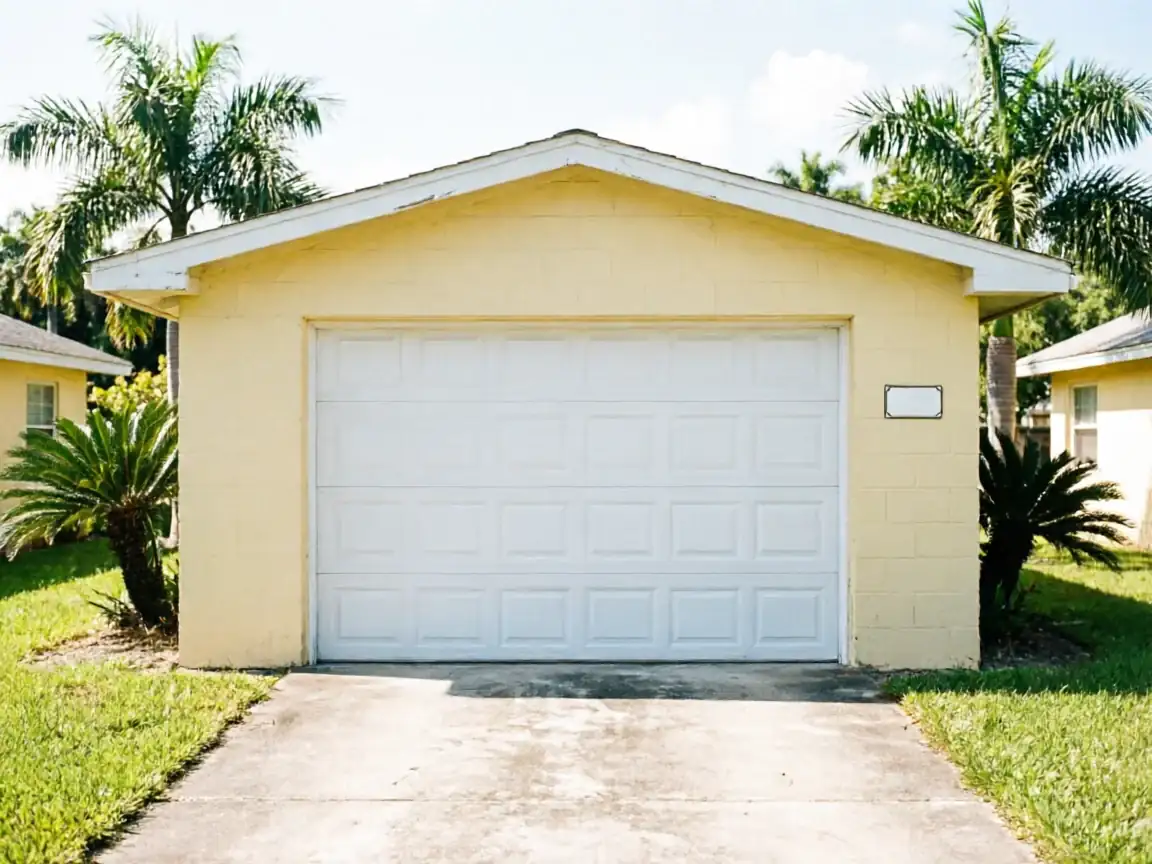
Most of the garage doors we see on panel jobs in Dade City came with the house, and the house usually went up around 1977. That's a good decade before the service area's overall median of 1988, which matters because doors from that era were built to a narrower standard: single sections running about 2 feet tall instead of the wider 2-foot-3 or taller panels common on newer builds. A cracked or dented section on one of these older doors isn't always a simple swap-in, because the section height and the track spacing don't always match what's on the shelf for a 1990s or 2000s door. Sometimes one new panel runs more than you'd expect because we're ordering a less common size rather than pulling a stock piece. We'll tell you straight if a full-door replacement actually costs less than chasing down matching sections for a door this old - it sometimes does, and we'd rather say so up front than sell you a patch job that looks wrong next to the other panels.
What Can Go Wrong
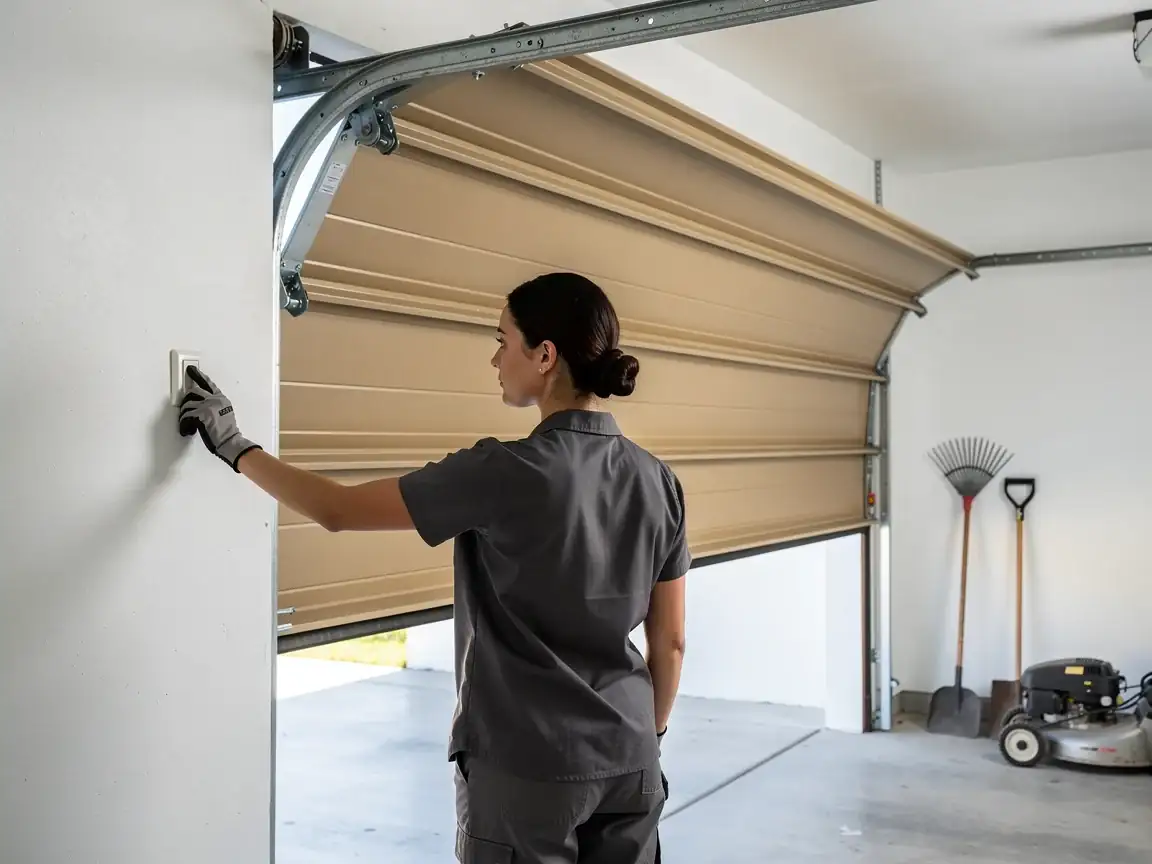
On a door built in the late 1970s, panel damage is rarely isolated to the one section that got hit. The galvanized steel from that period is thinner than what's used now, so a dent from a bumper or a basketball tends to stress the seams on the panels above and below it too. We also find hinges and rollers original to the door, worn enough that a new panel won't sit flush against the old ones even after it's installed correctly - the whole door has sagged slightly out of square over close to fifty years. Weatherstripping on these doors has usually hardened and cracked, letting in more than it should for a mild climate like this one, where the issue isn't freeze damage but years of sun and humidity breaking down rubber and seals. None of that shows up until you're standing in front of the open door with a tape measure.
What Is on the Truck
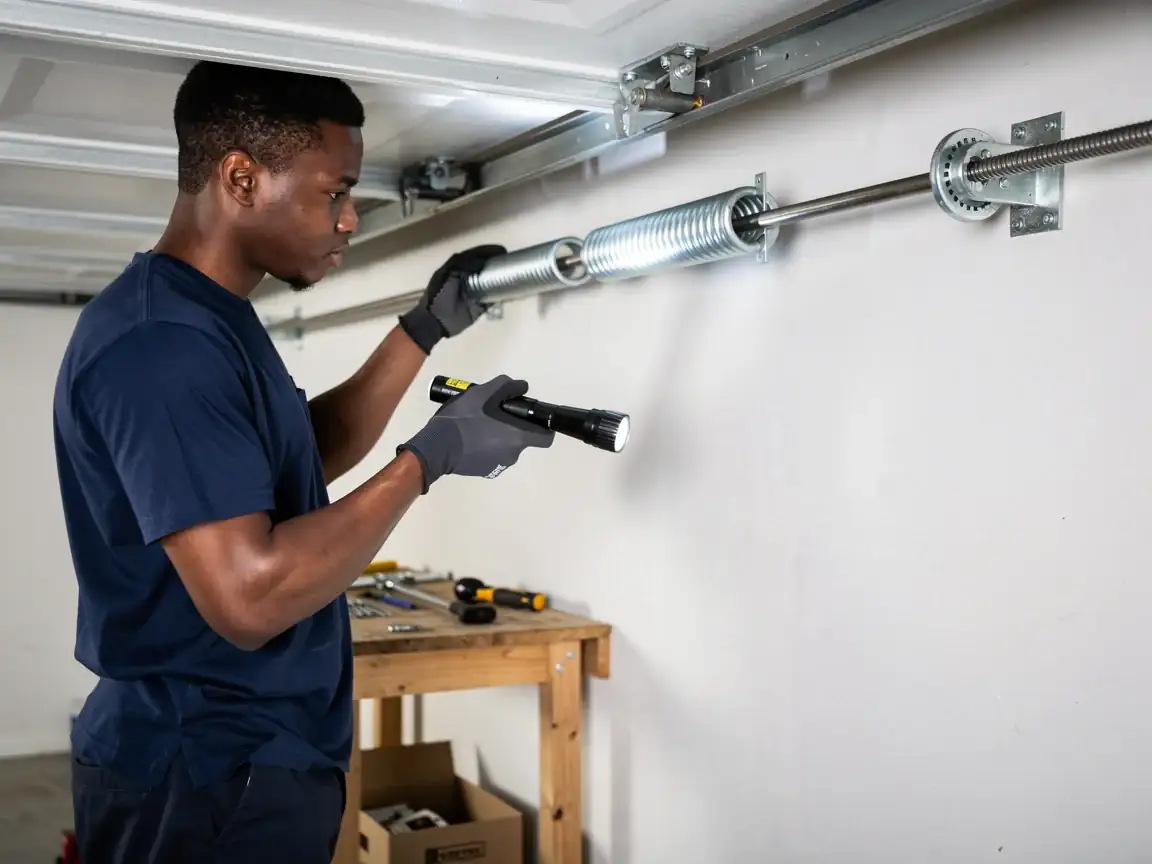
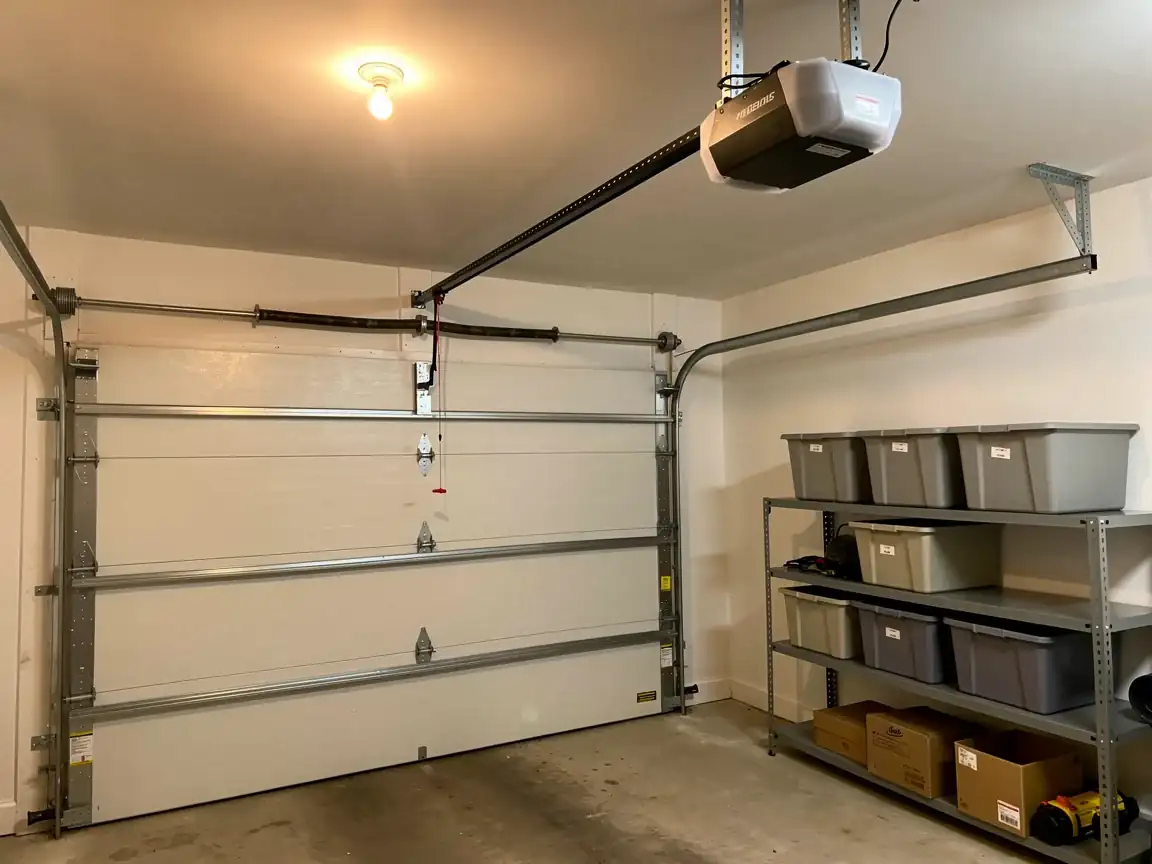
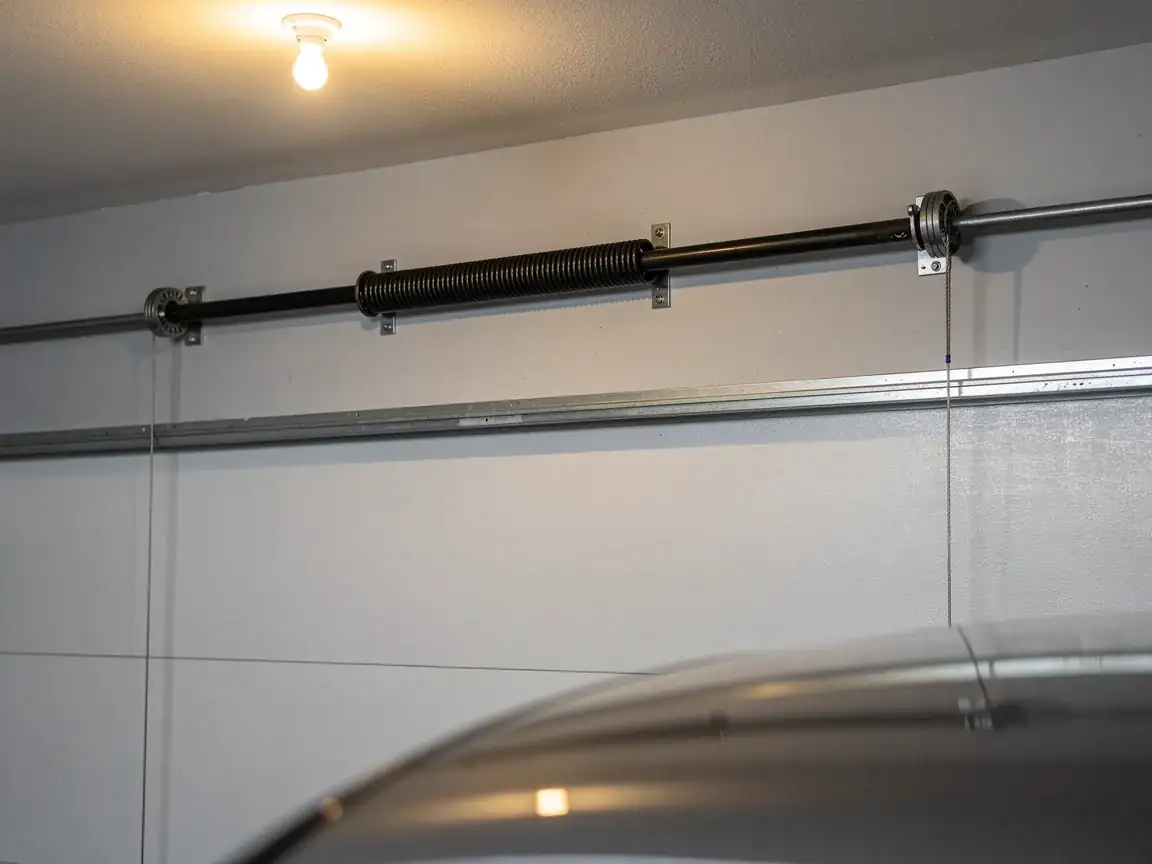
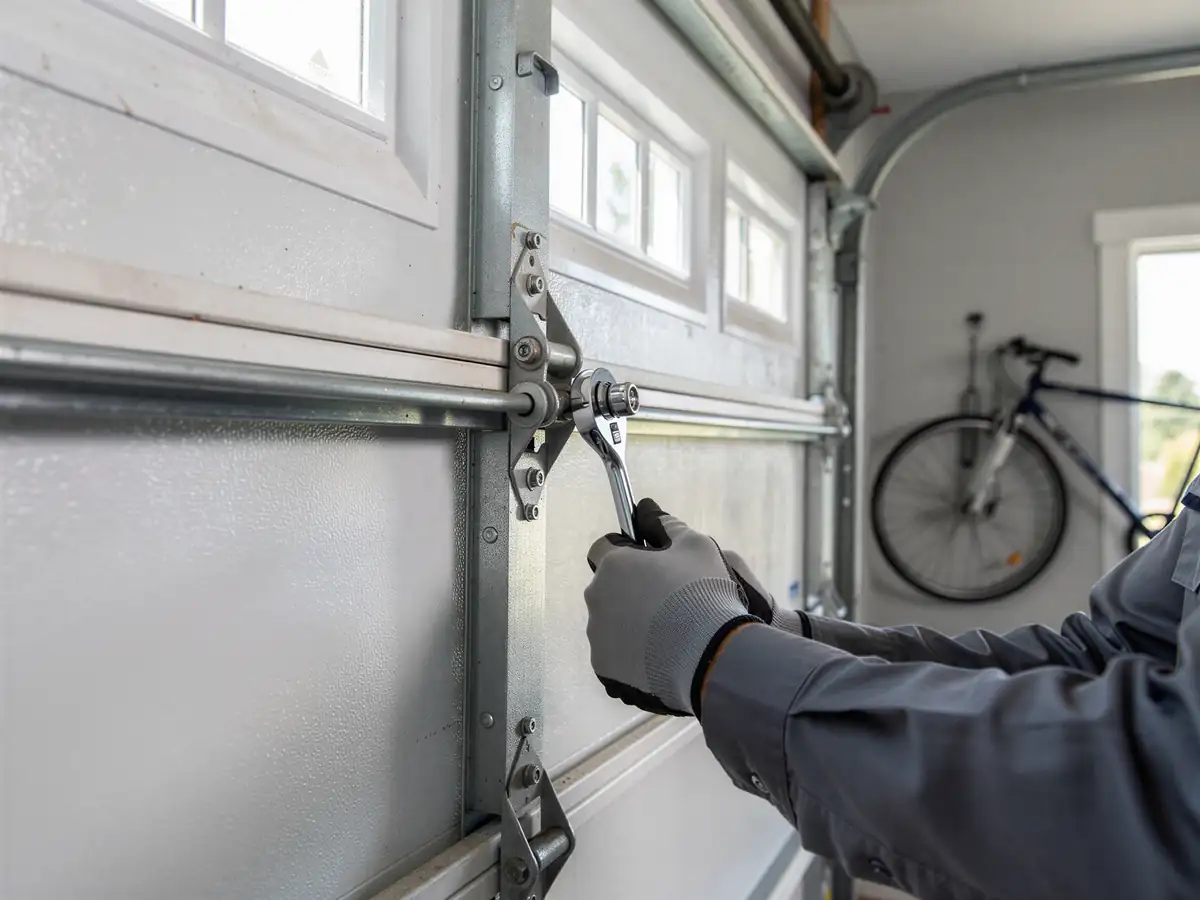
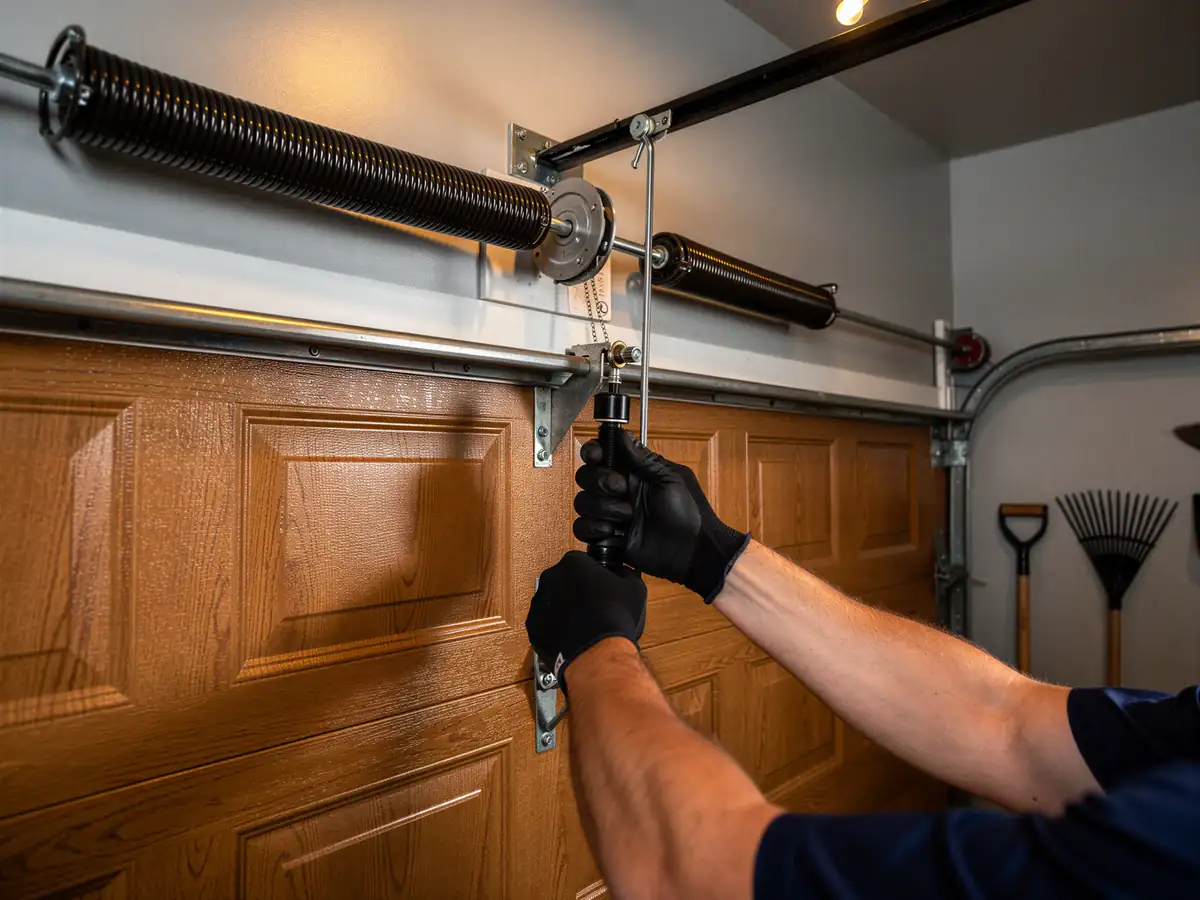
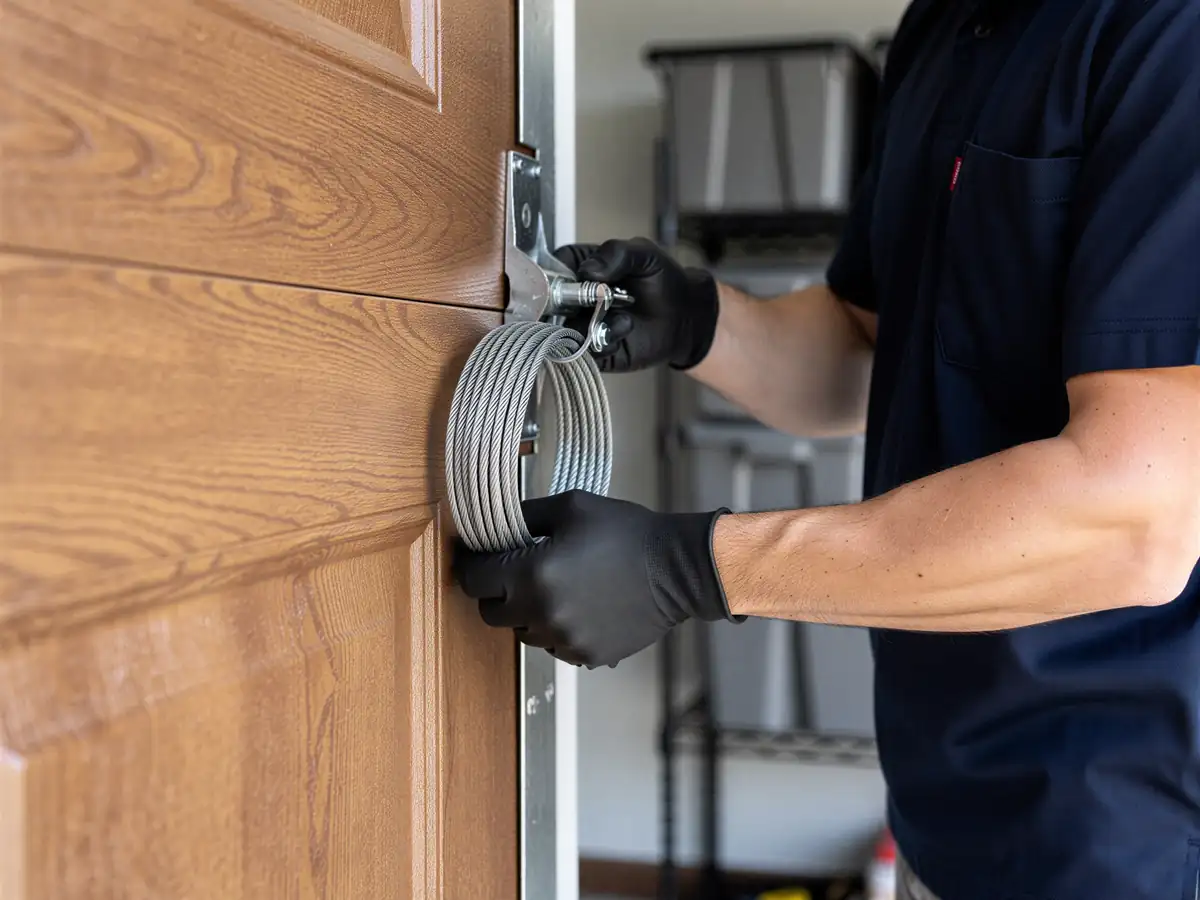
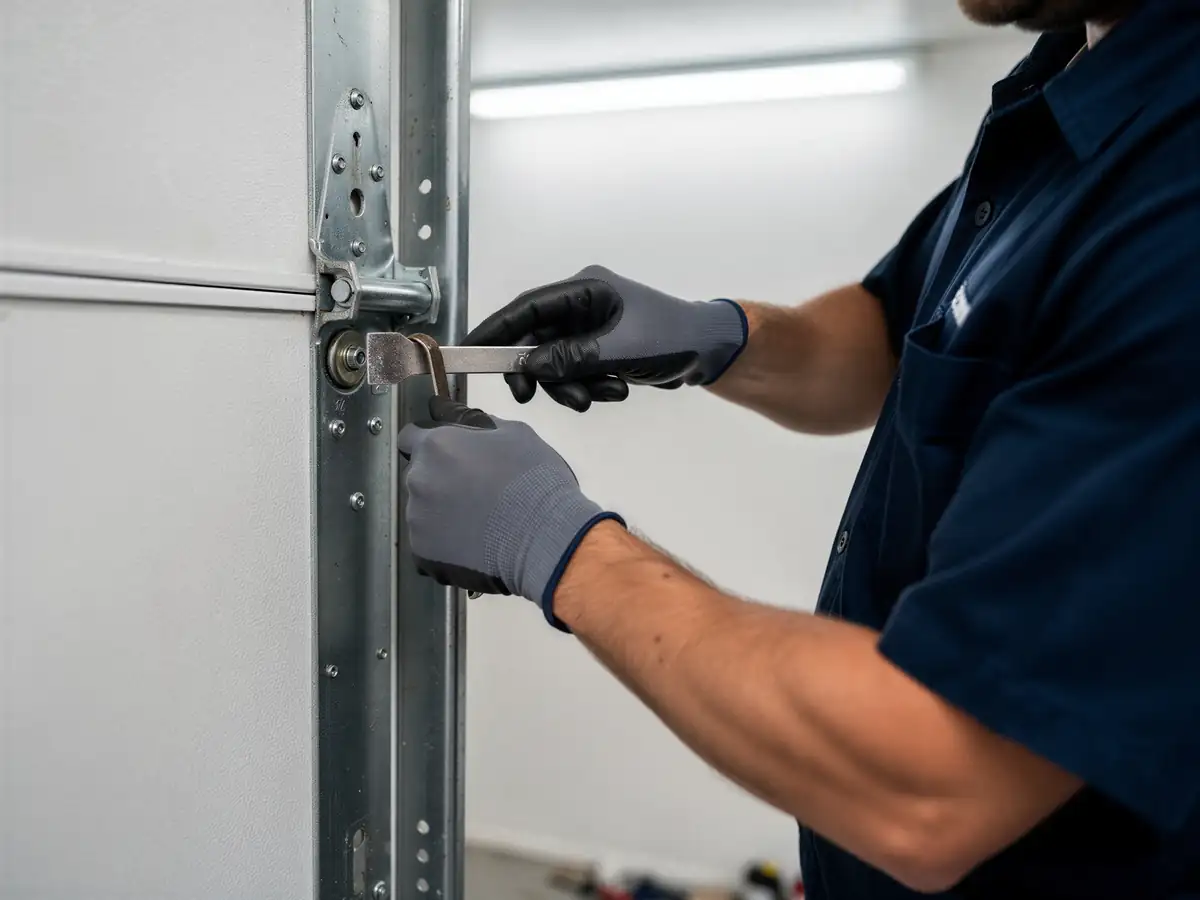
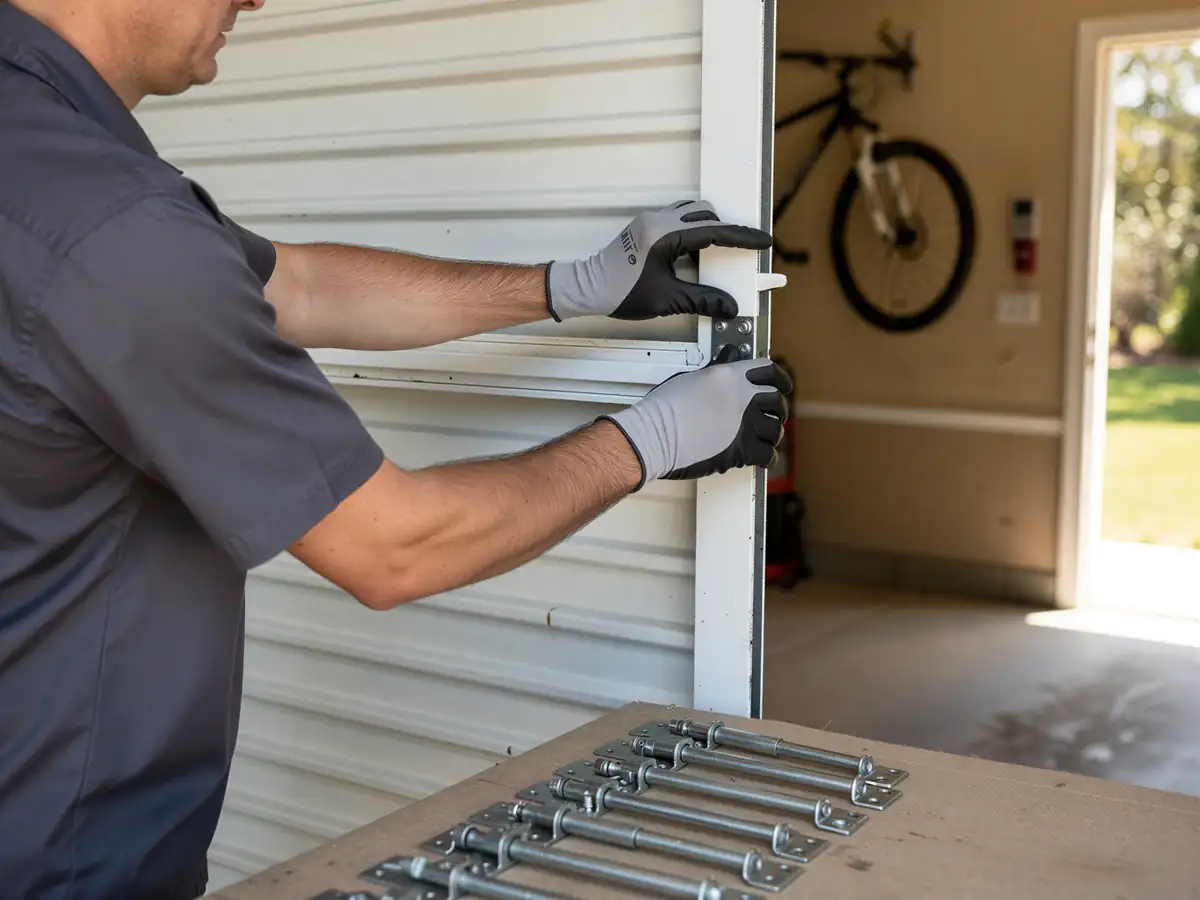
For a panel job out this way - it's a 13-mile run from our Wesley Chapel base - we carry a range of steel panel sections in common residential widths, along with hinges, rollers, and end caps sized for both older and current door generations. What we don't keep stocked is an exact color or wood-grain match for every discontinued line from the late 1970s; some of those finishes simply aren't made anymore; we'll match as close as the current catalog allows and tell you honestly if it won't be a perfect blend. We also bring torsion spring and cable gear on every panel call, because pulling an old section off an unbalanced door is how springs let go unexpectedly, and we're not leaving a job half-finished over a part we should have had with us.
Time on the Job
A straightforward single-panel swap on a door with standard hardware is usually a same-visit job once we're on site, but the travel from Wesley Chapel means we schedule Dade City visits in blocks rather than fitting them in as a quick add-on. If the section we need isn't a stock size - which happens more often on these older 1977-era doors than on newer ones - we'll measure on the first visit and come back once the part is in, rather than guess and risk a mismatch. We'd rather make two trips and get the fit right than force a panel that doesn't sit true against forty-year-old neighbors.