The Cost of This Job
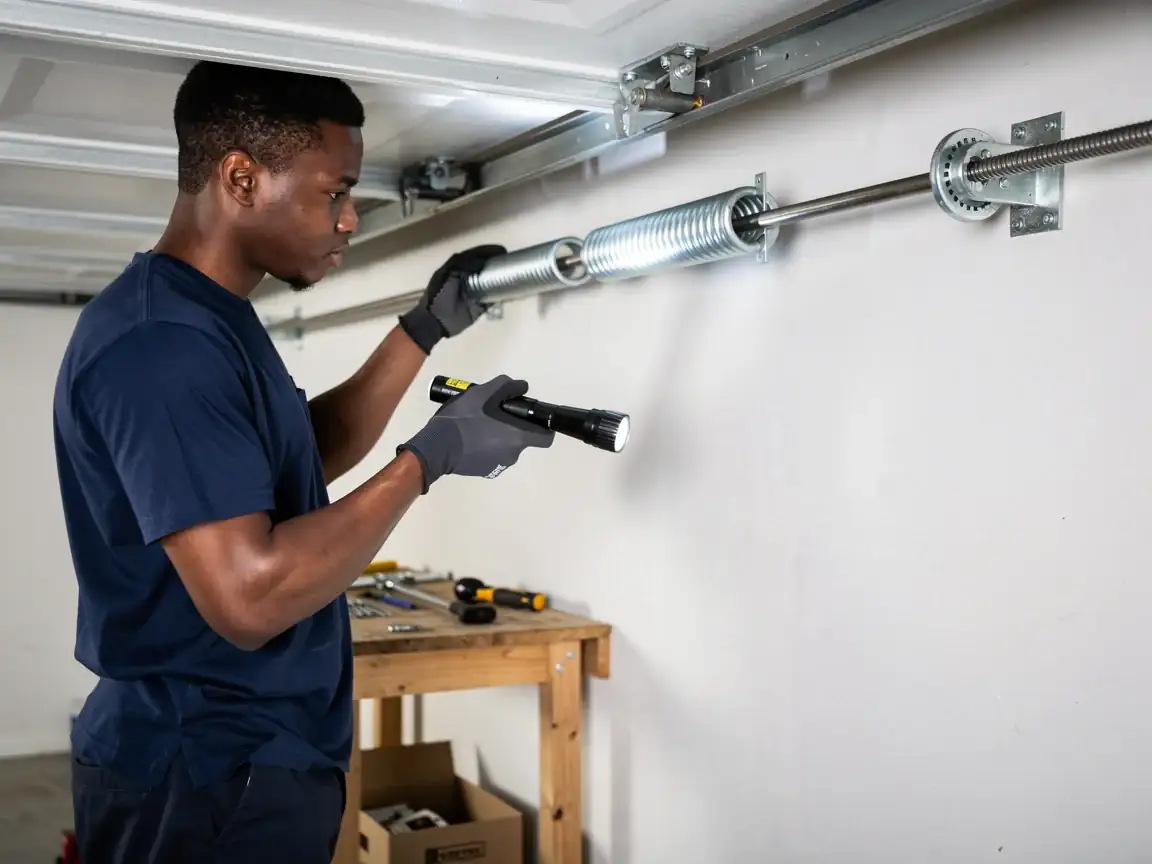
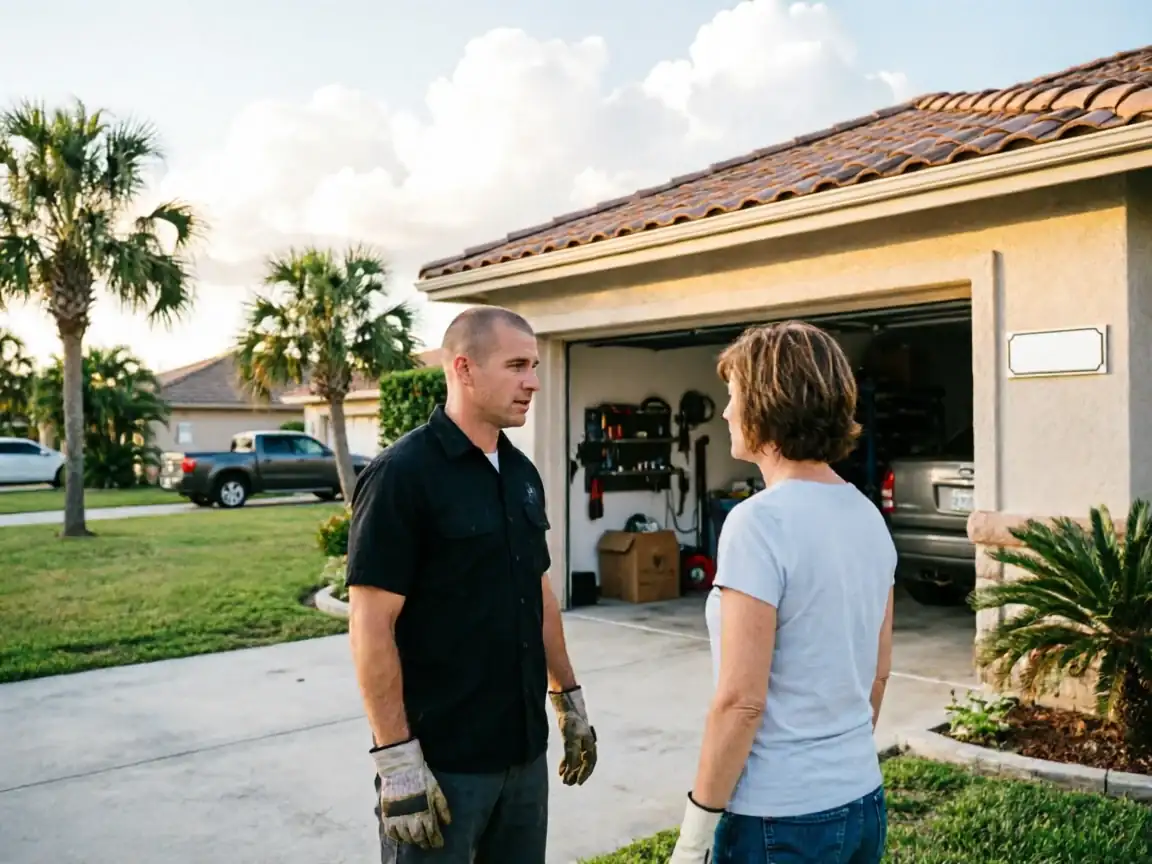
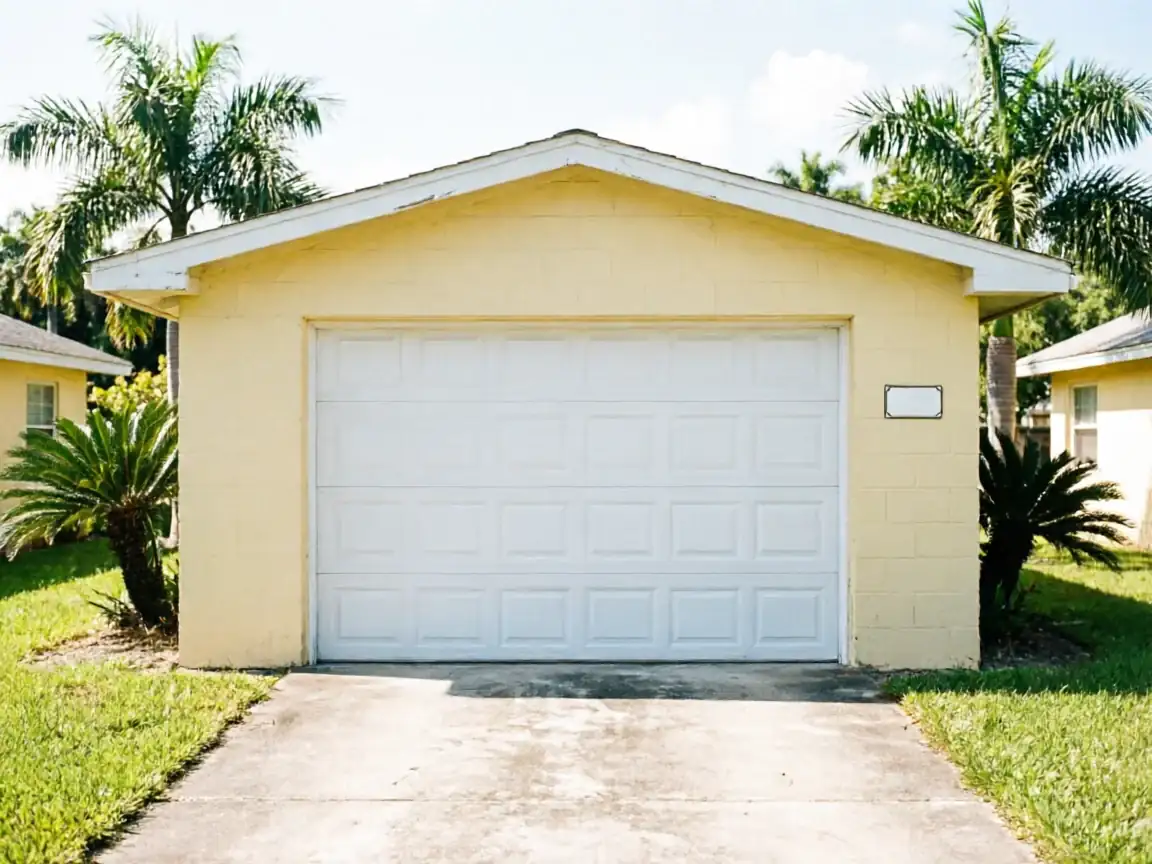
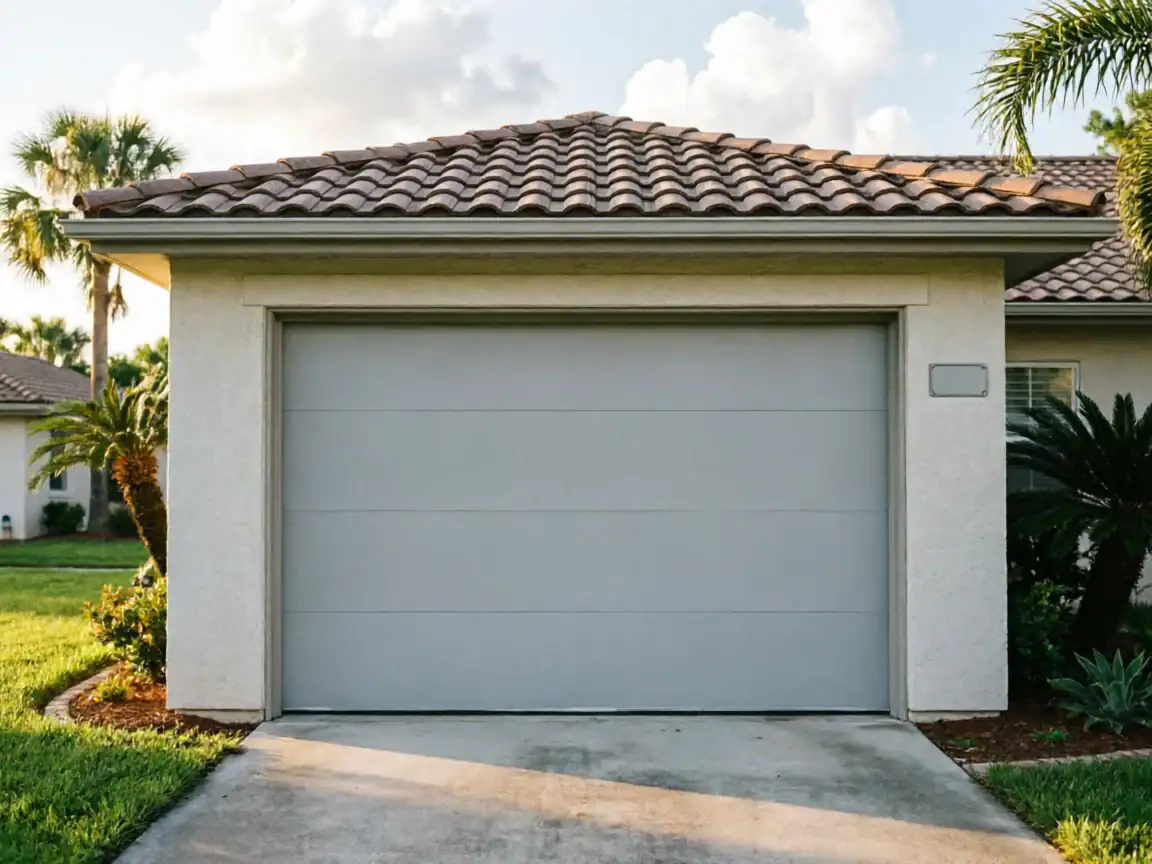
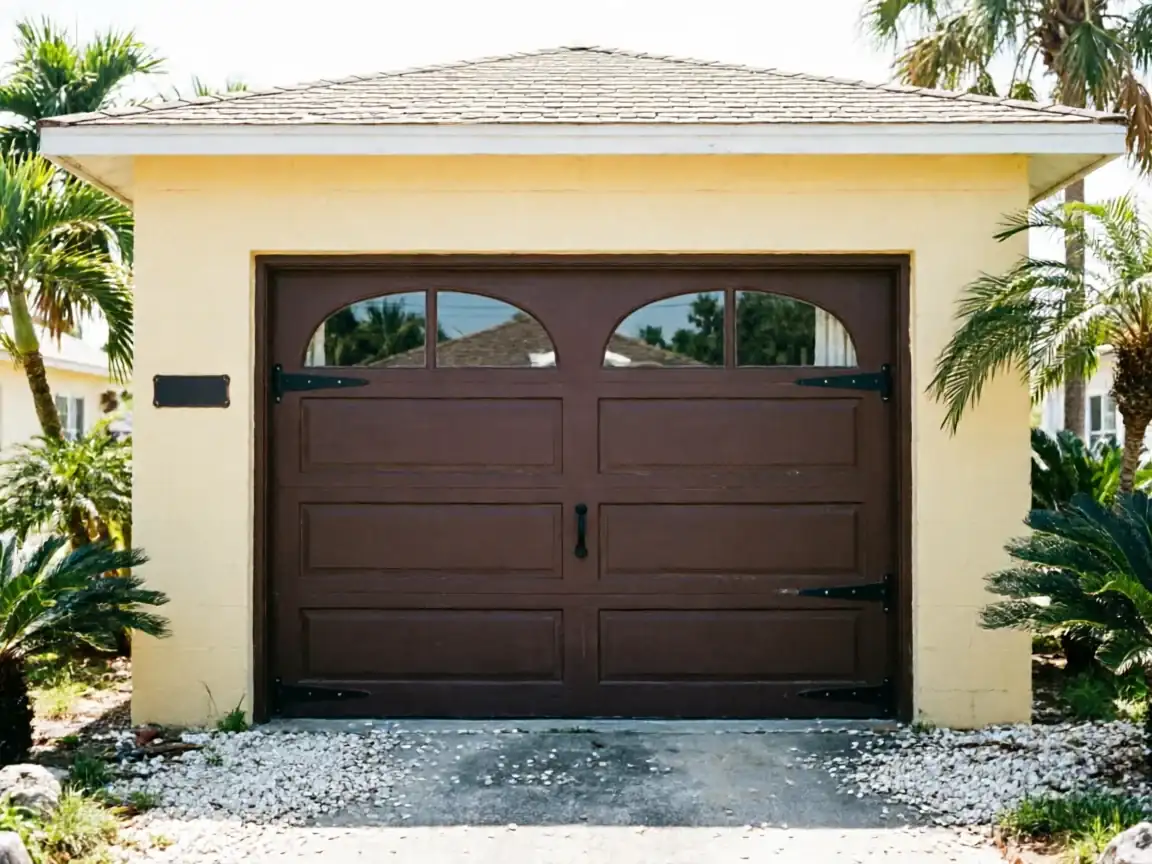
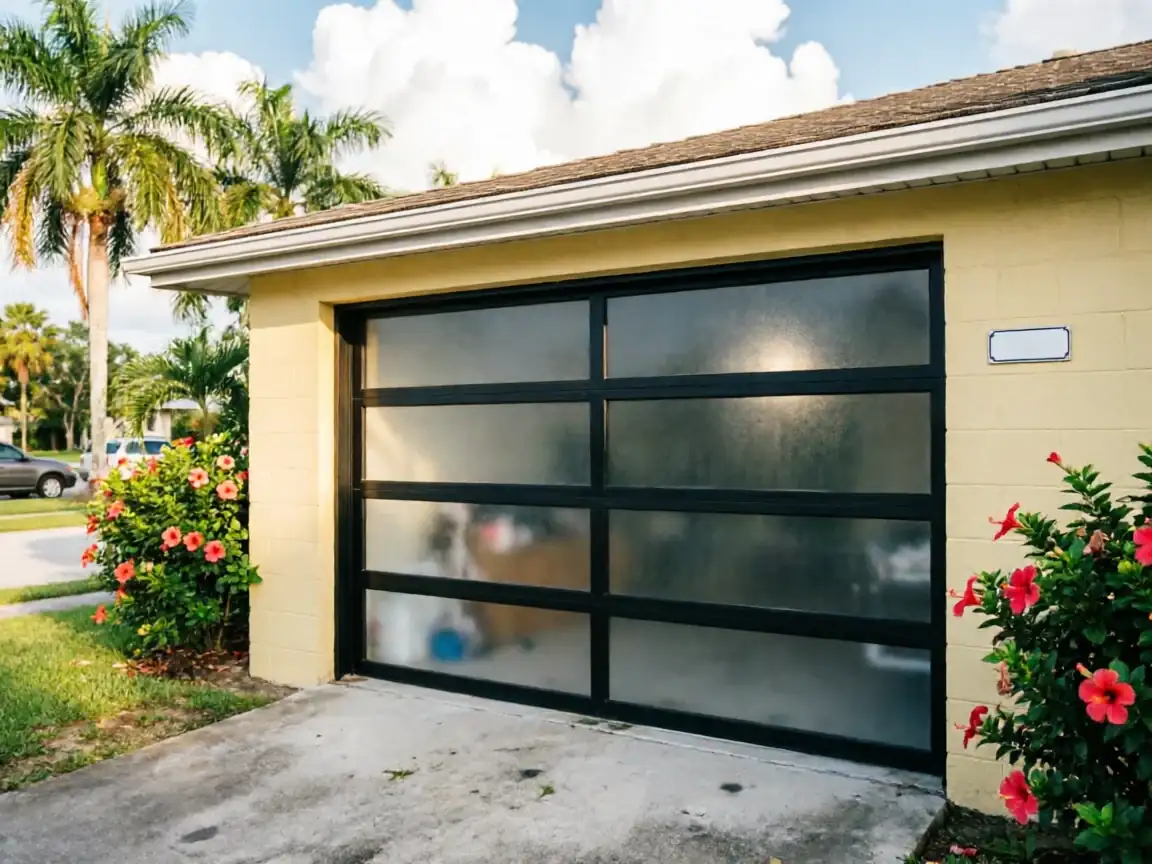
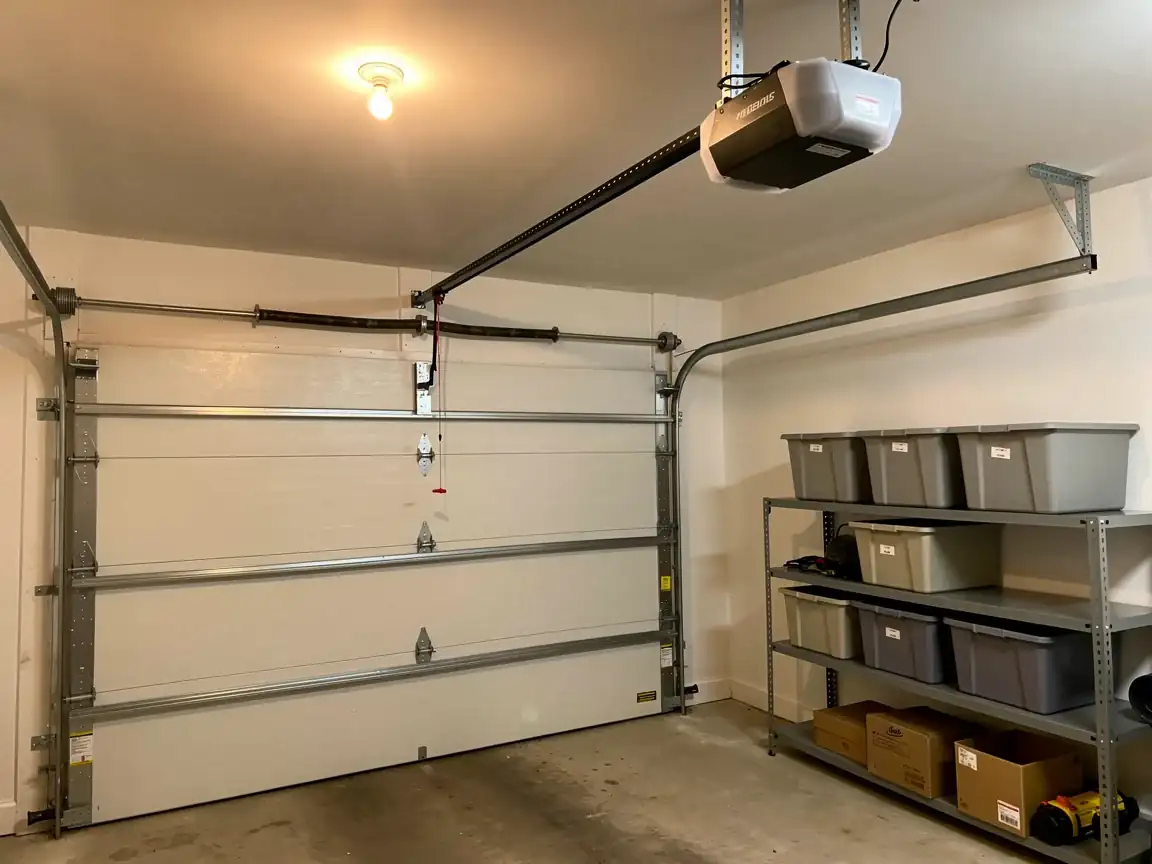
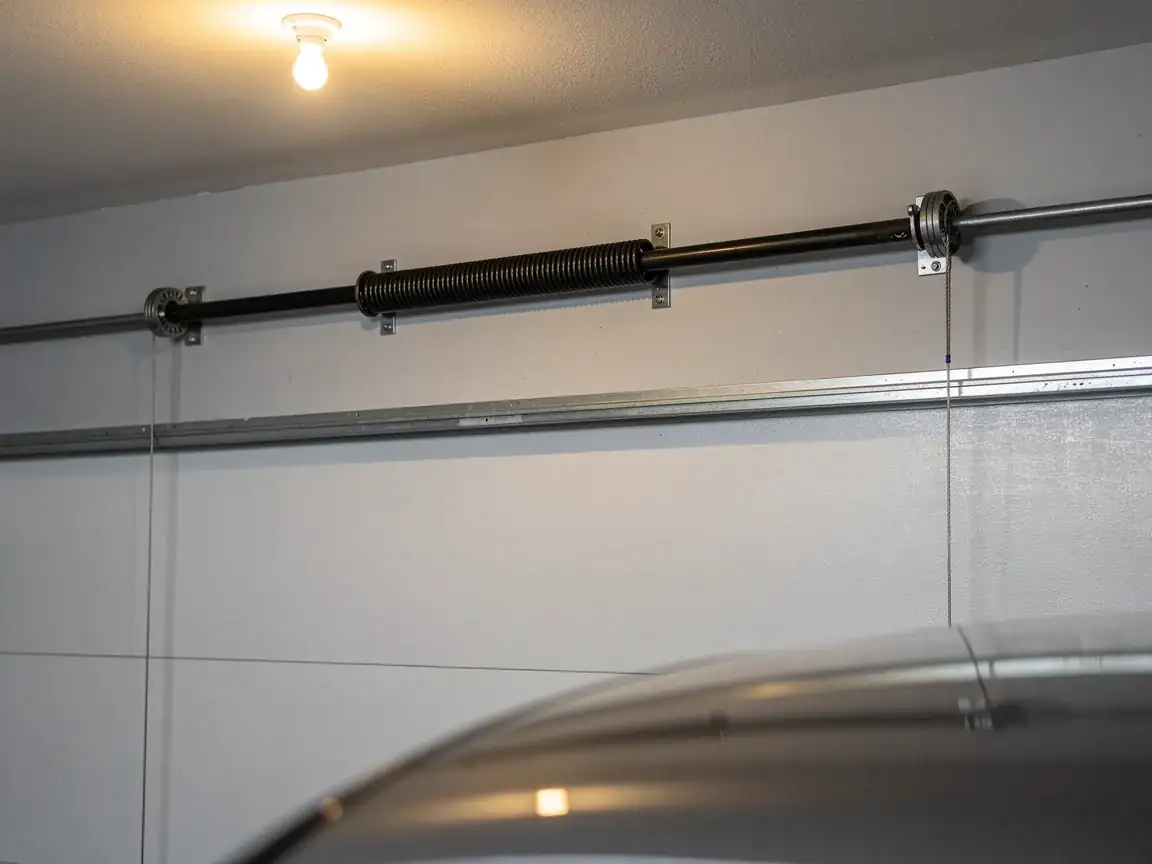
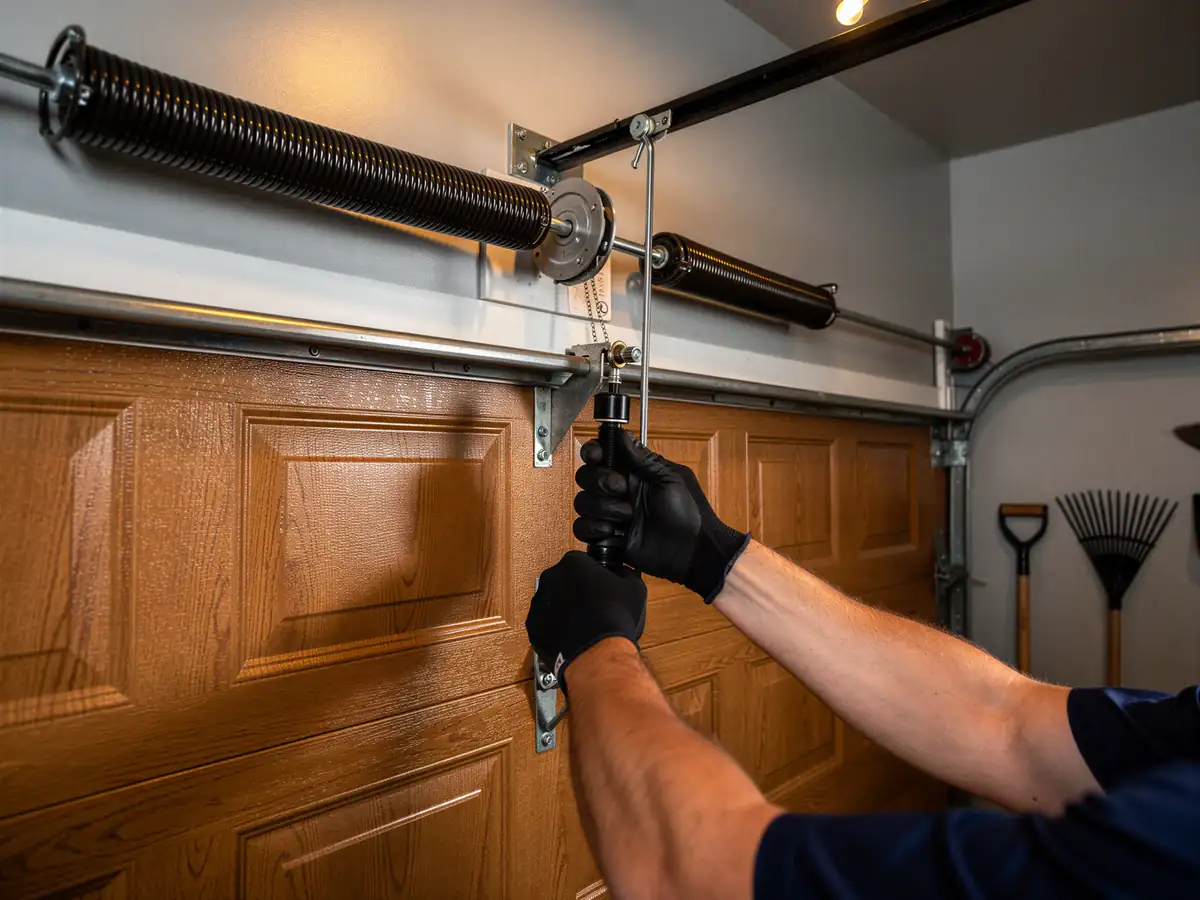
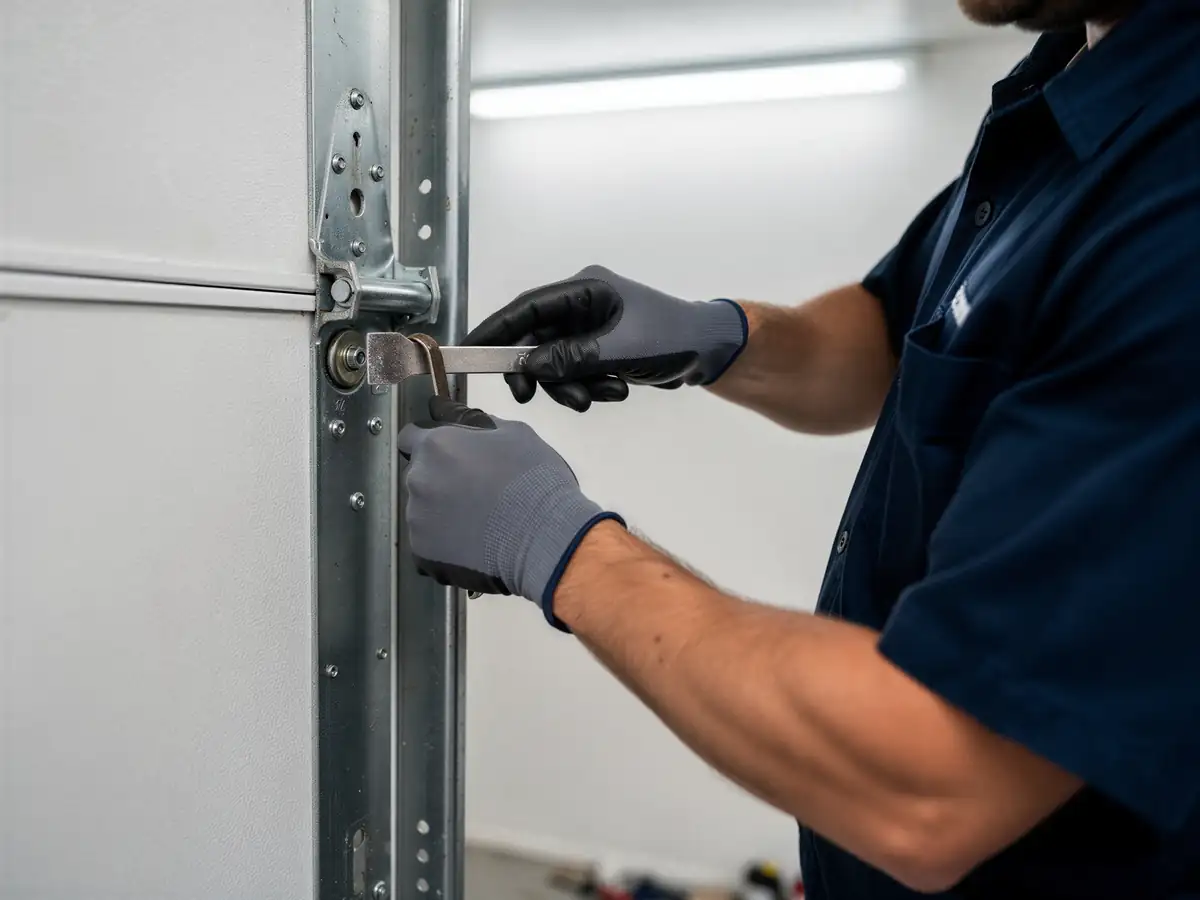
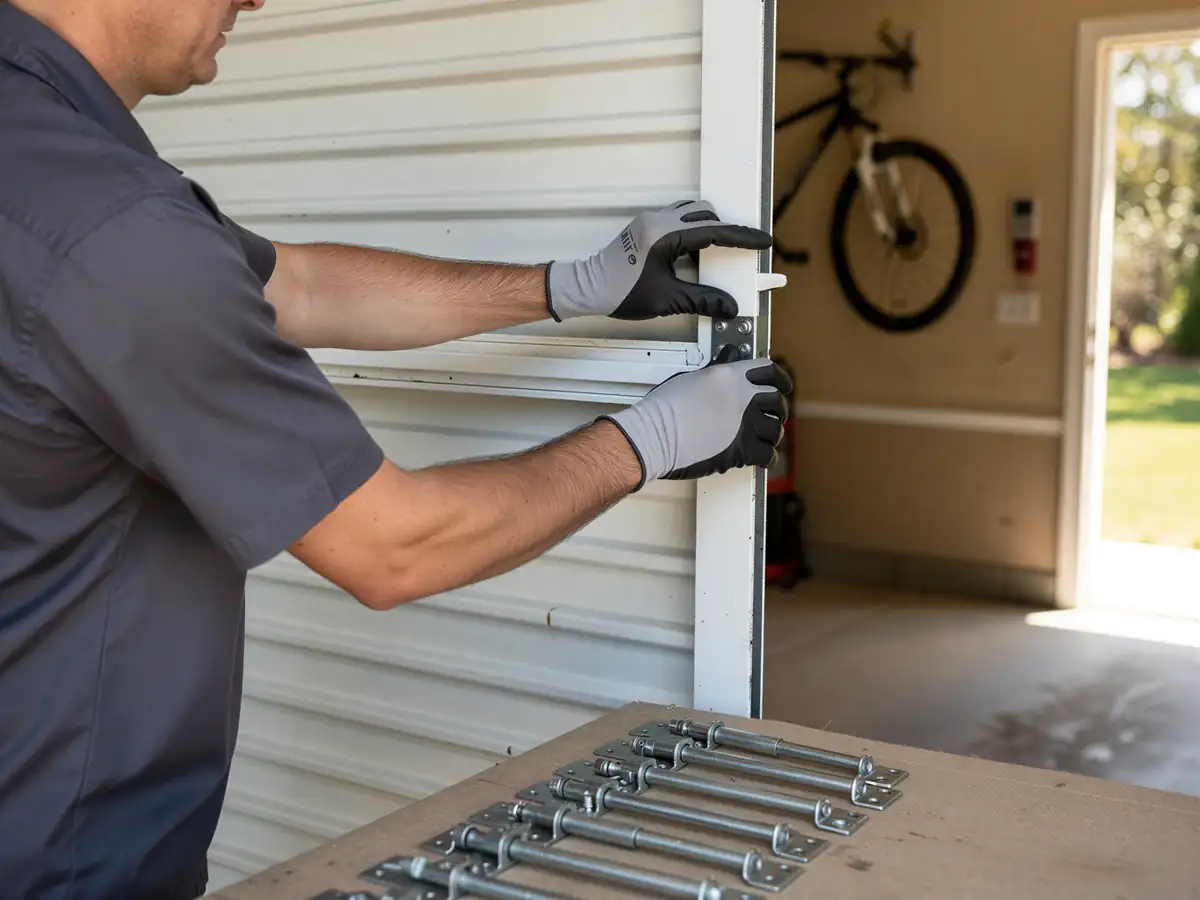
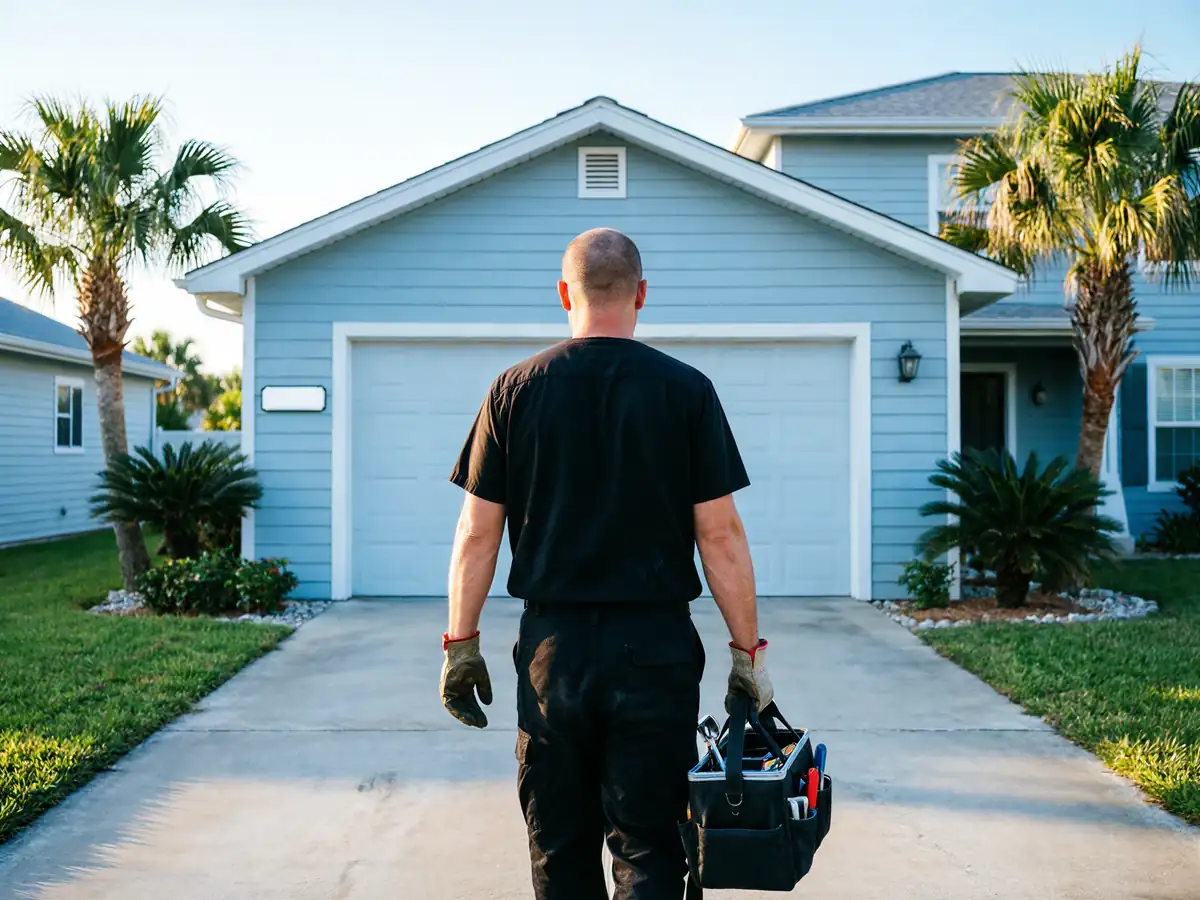
Most houses in Zephyrhills went up around 1987, which puts a lot of doors here at an age where the original spring has either already failed once or is on borrowed time. A torsion spring from a late-80s build has usually seen somewhere between 10,000 and 15,000 cycles by now, right around where fatigue failure shows up. What drives the cost on a given call isn't the town, it's what's still original on the door: if the spring, the cable drums, and the rollers are all factory parts from 1987, you're often replacing more than one component in the same visit because the rest of the system is at the same age and wear point. A single spring swap is the cheaper call. A spring plus drums plus rollers because 35 years of hardware all finally gave out together costs more, but it's also the more common call on a house this age. We quote the job after we see what's actually on the door, not before.
What You Are Seeing
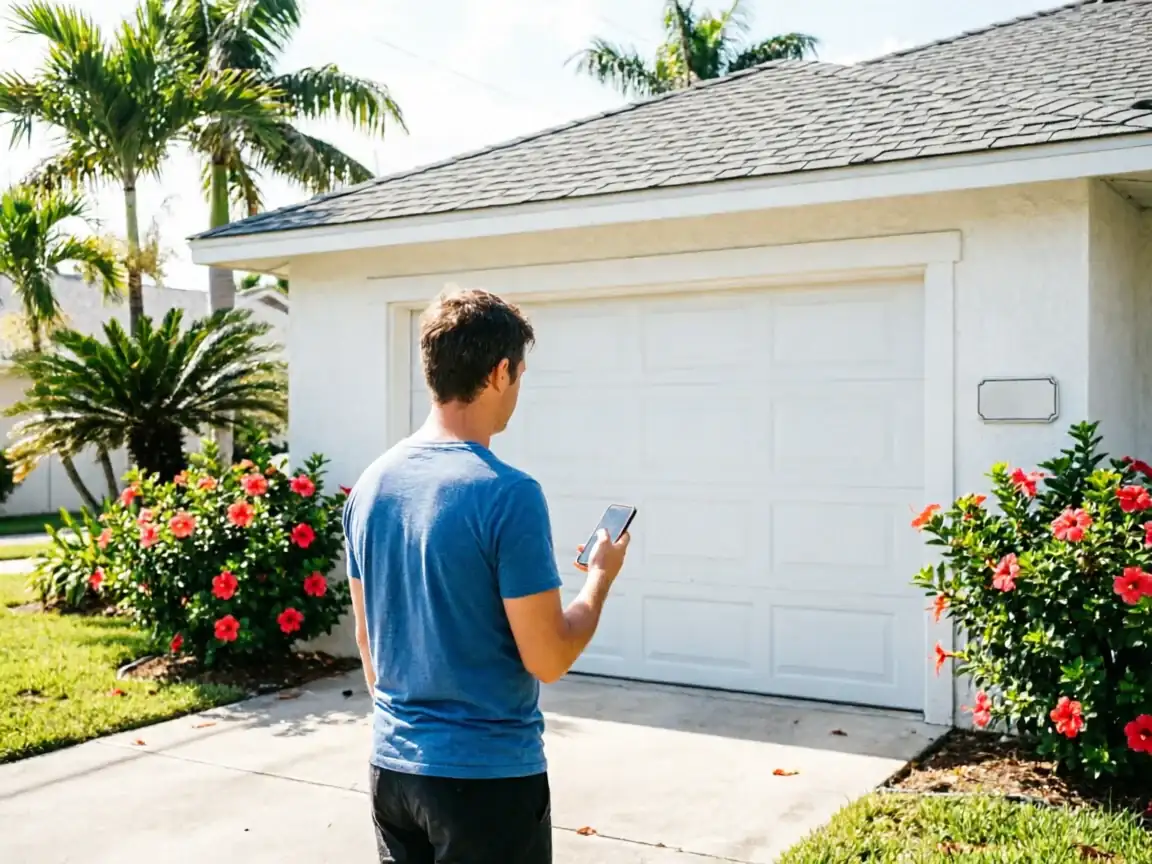
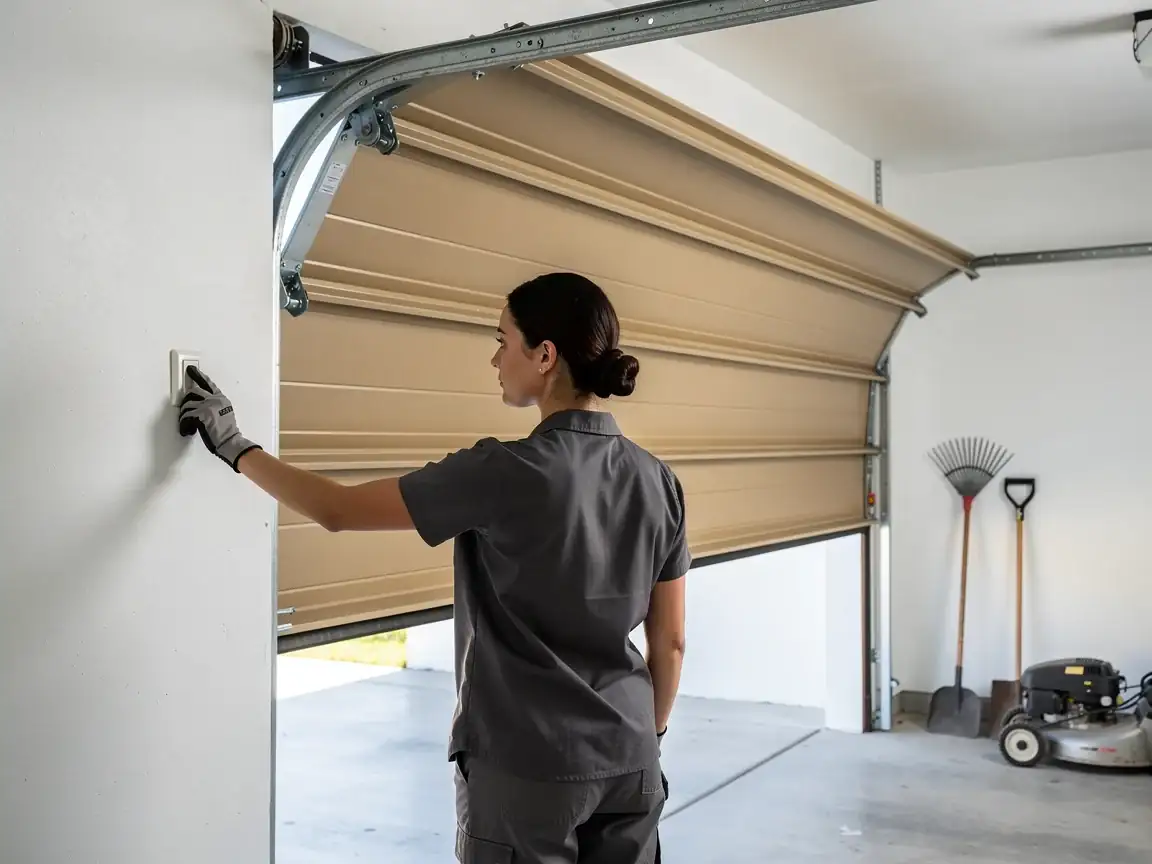
If your opener is straining, reversing, or the door is hanging crooked on one side, that's consistent with original hardware reaching the end of its service life rather than a fluke. Zephyrhills sits in the same mild temperate band as the rest of the service area, so you're not dealing with the extreme temperature swings that crack panels or warp tracks early. What ages hardware here is cycle count and time, not weather. A door that's opened and closed twice a day since 1987 has put a predictable amount of wear on springs, bearings, and the opener's drive gear, and at roughly 7,836 households in Zephyrhills, a good share of them are hitting that same wear point around now. Grinding noise on open, a cable that's frayed at the bottom bracket, or a door that drifts down a few inches overnight are all signs the original parts are asking to be looked at before one of them breaks outright and the door gets stuck.
What Can Go Wrong
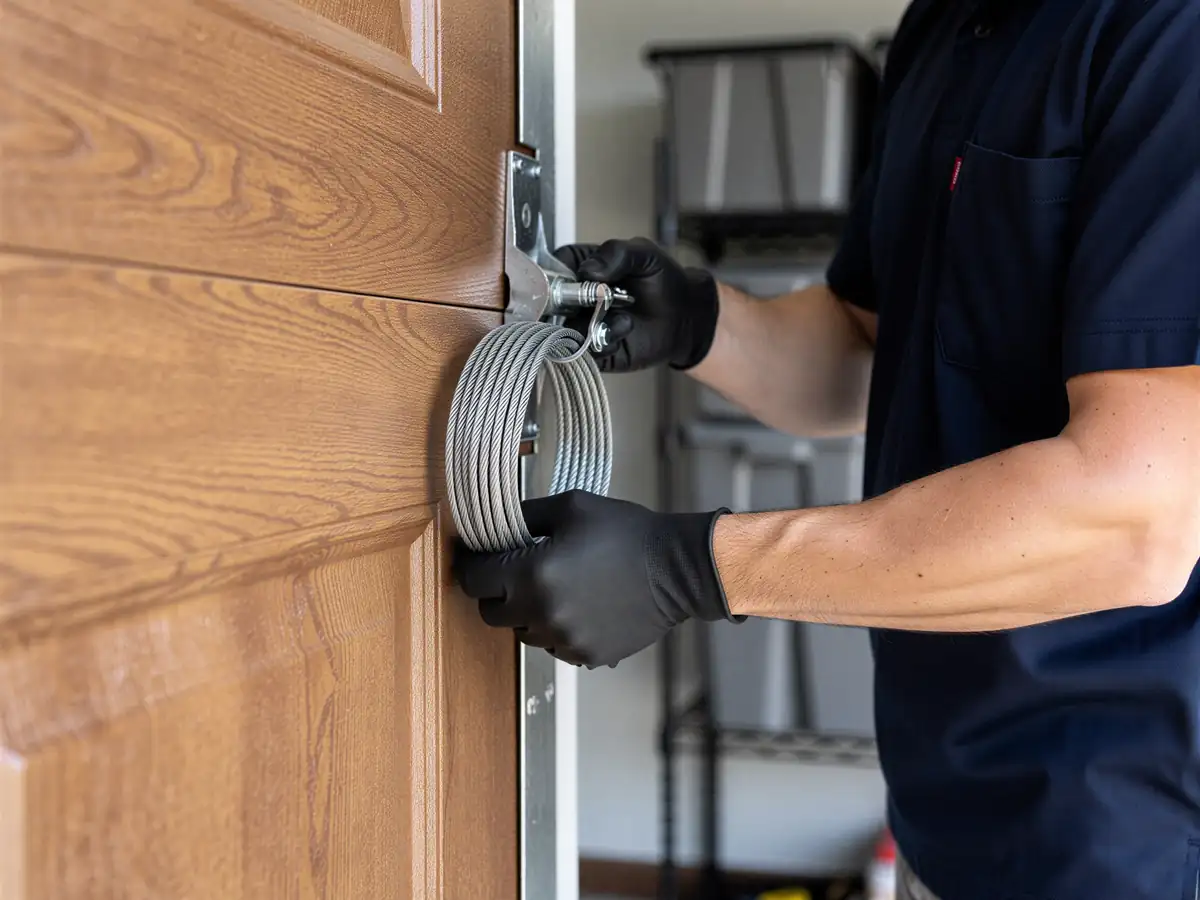
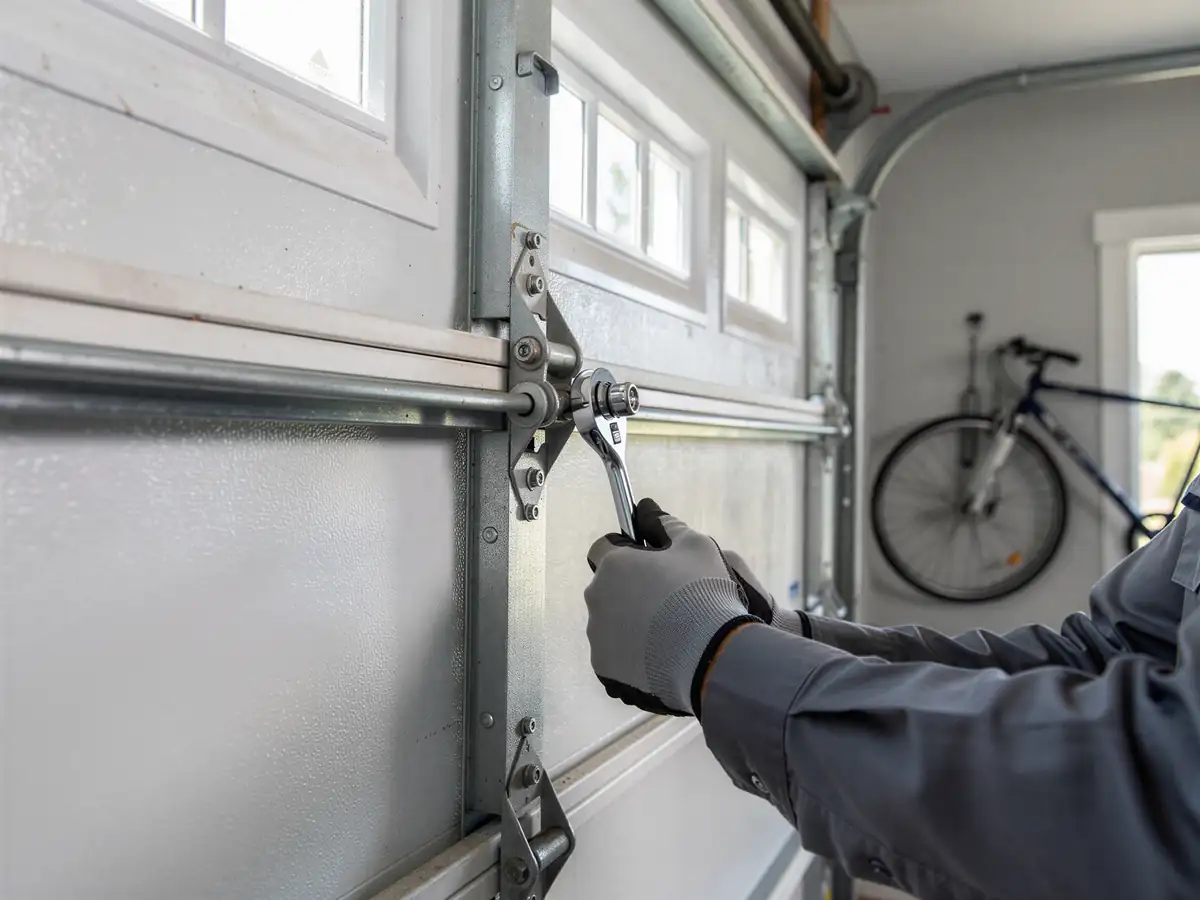
The honest limitation first: if your opener is an original 1987 chain-drive unit, we may not be able to get an exact replacement part, since manufacturers stop stocking parts for openers that old. In that case the fix is a new opener, not a repair, and we'll tell you that rather than charge you for a part search that won't turn up anything. Beyond that, the failure pattern we see most on houses this age is a chain reaction: a worn cable frays and finally snaps under spring tension, and because the drums and rollers were installed the same year, they're often close behind it. A bent track from a door that's been dragging unevenly for months is the other common one - by the time you notice the door scraping, the track has usually already taken some damage. Catching a frayed cable or a sagging spring before it lets go saves you from a door stuck shut, which is the call nobody wants to make first thing in the morning.