What Is on the Truck
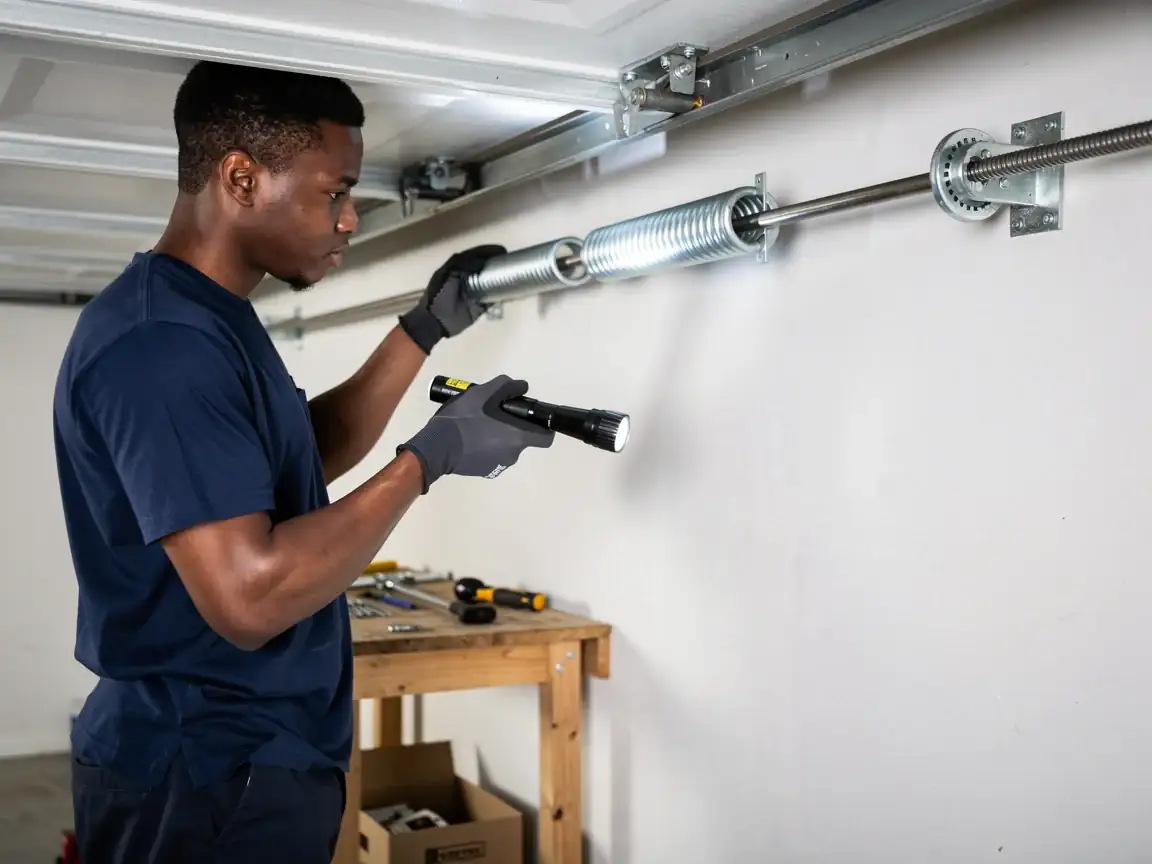
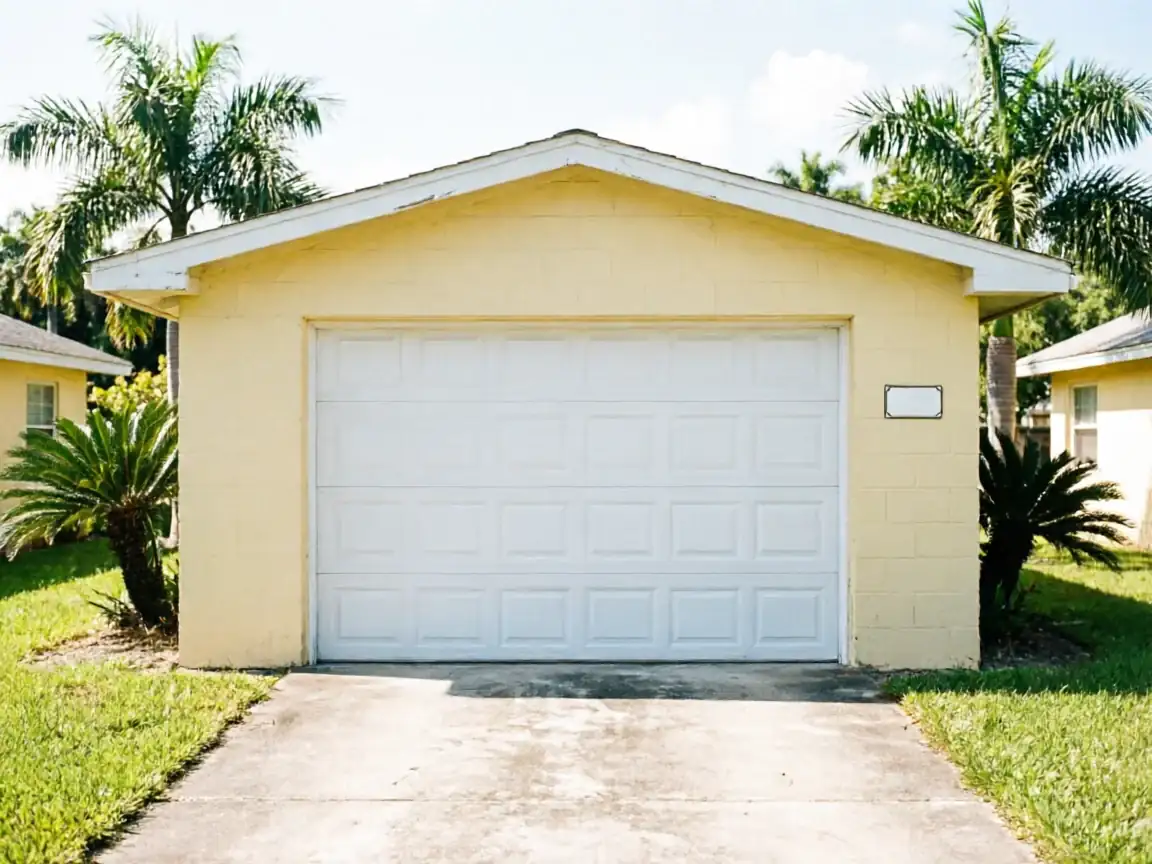
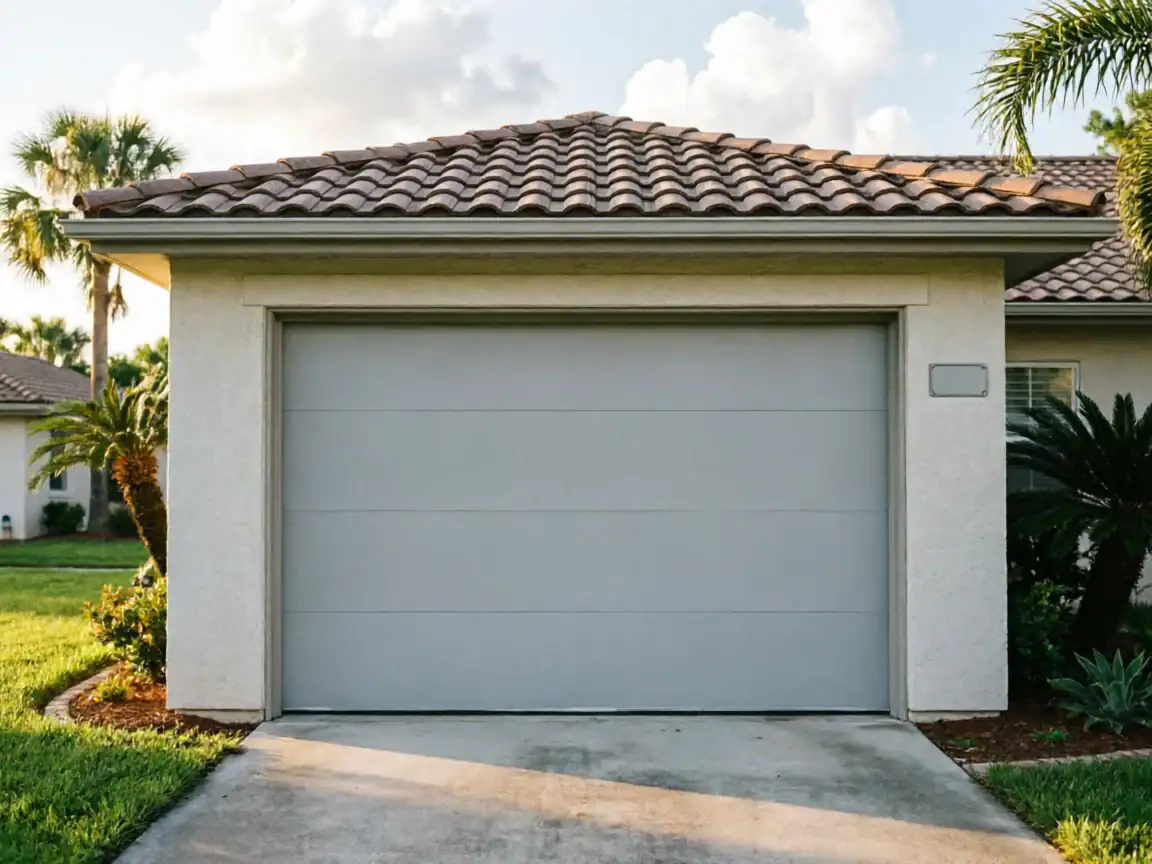
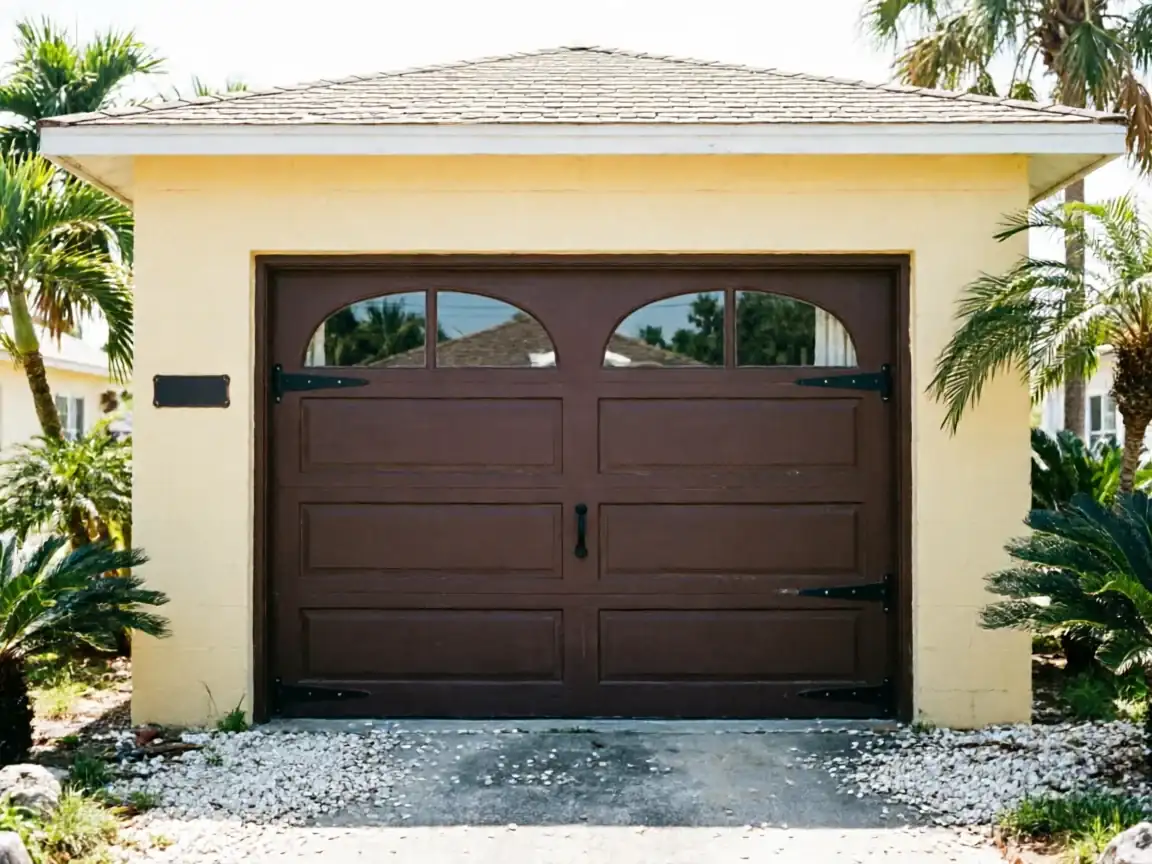
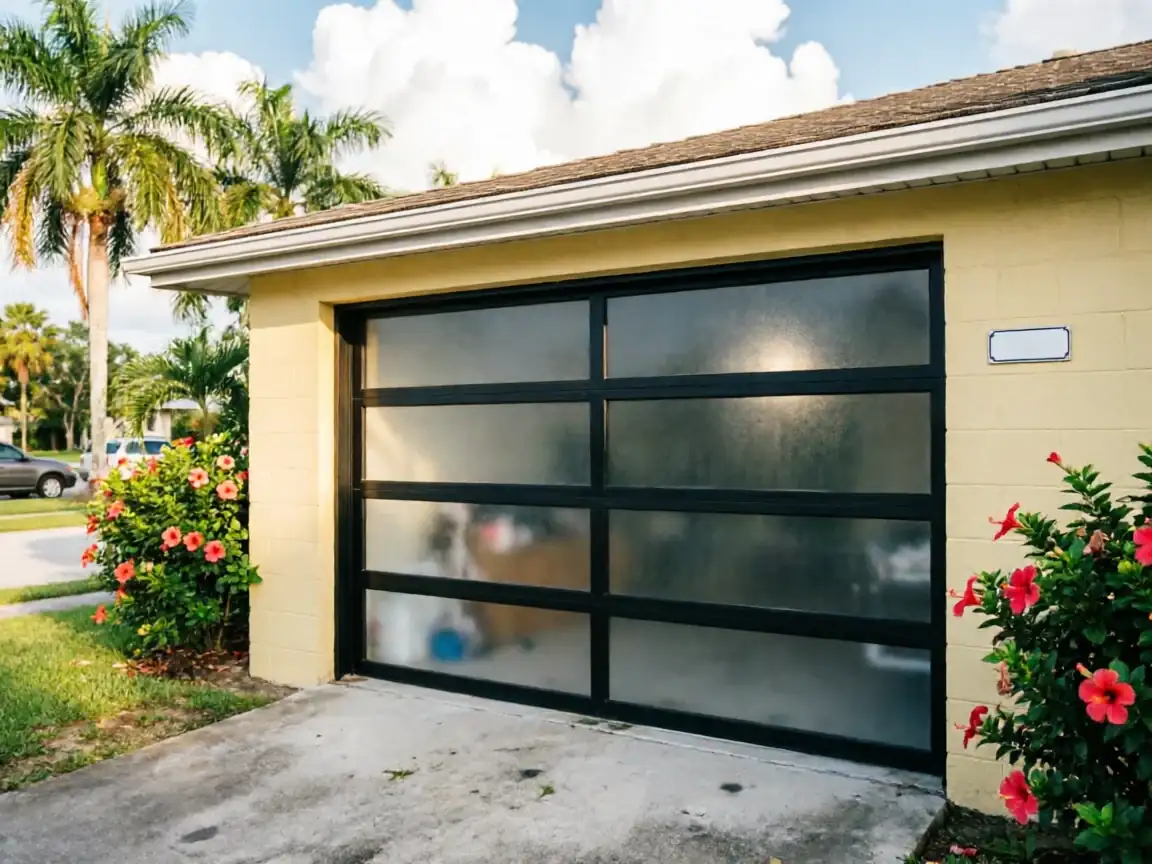
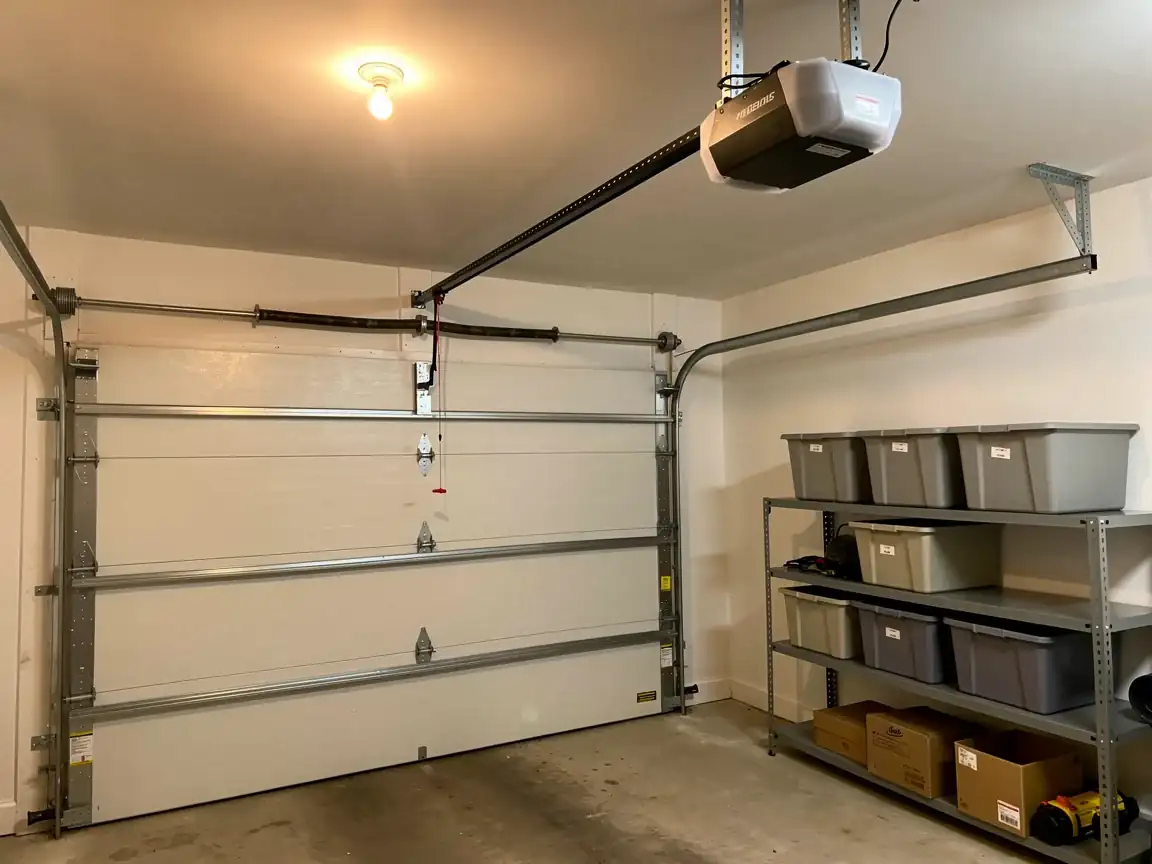
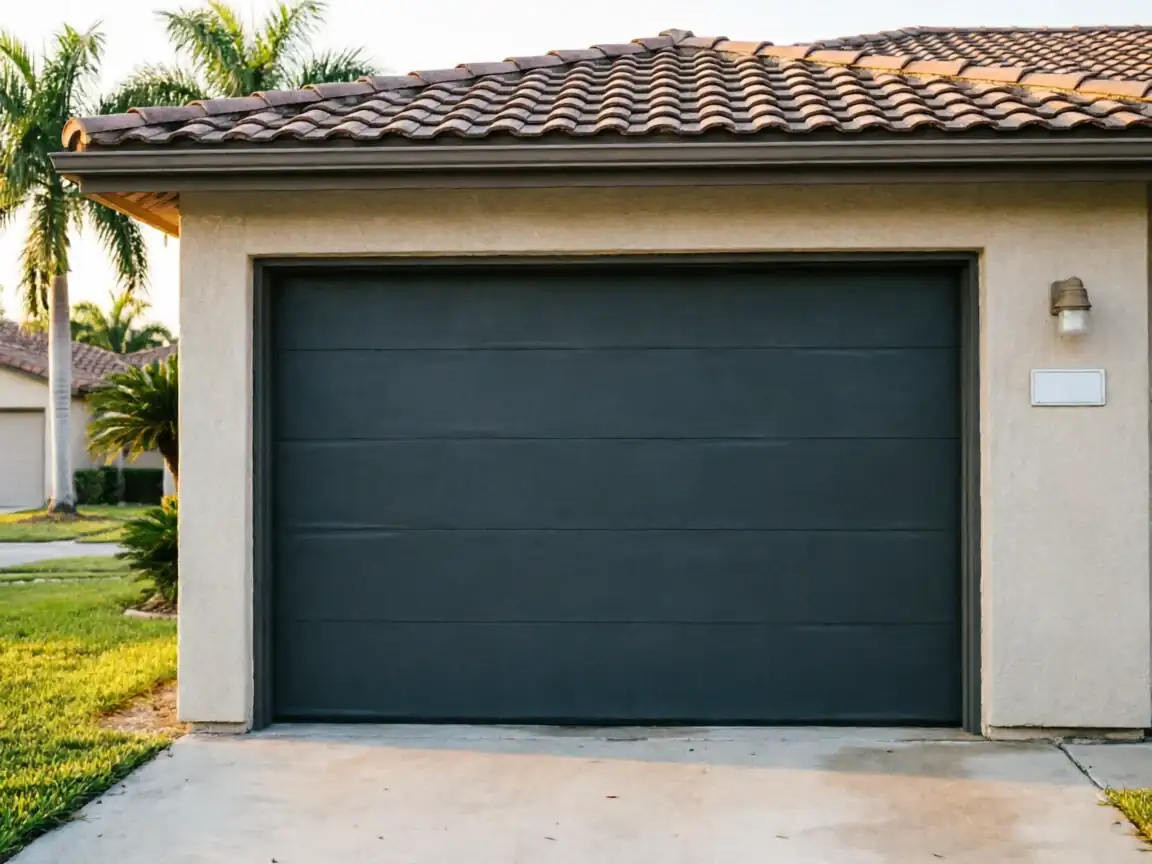
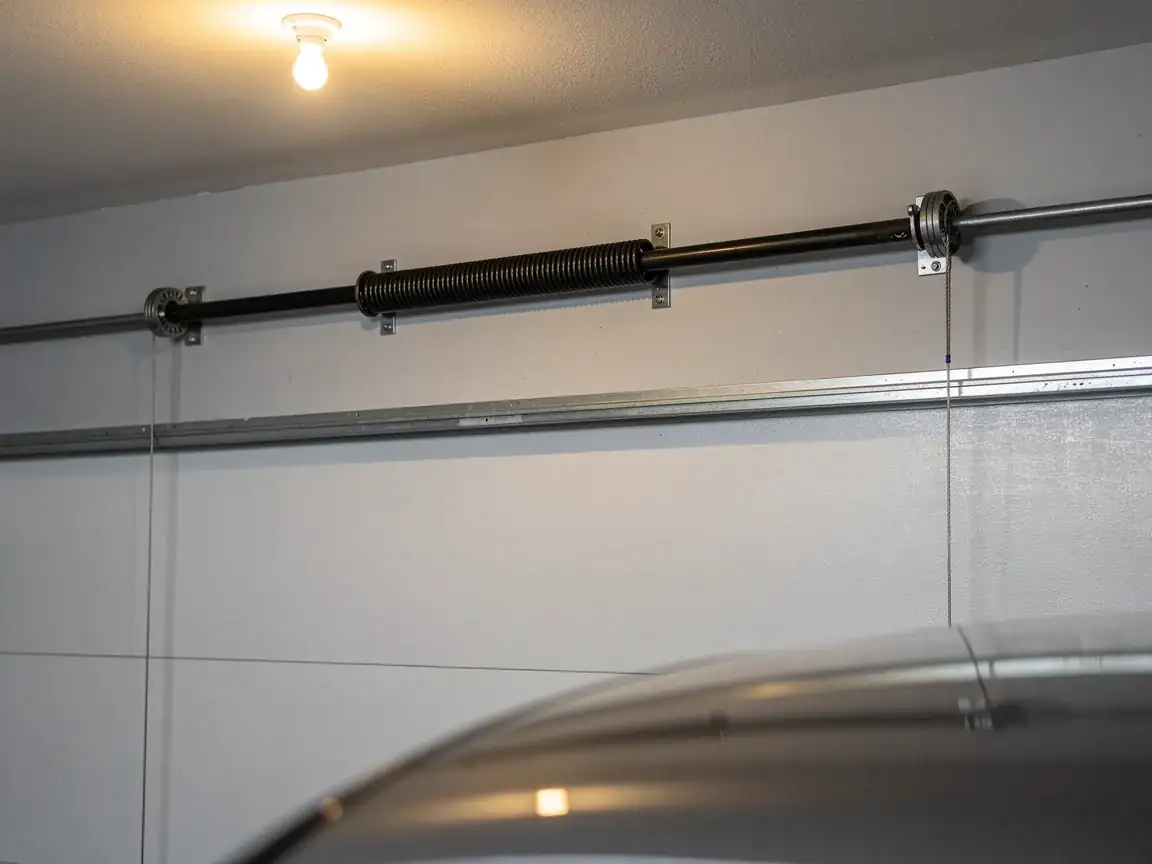
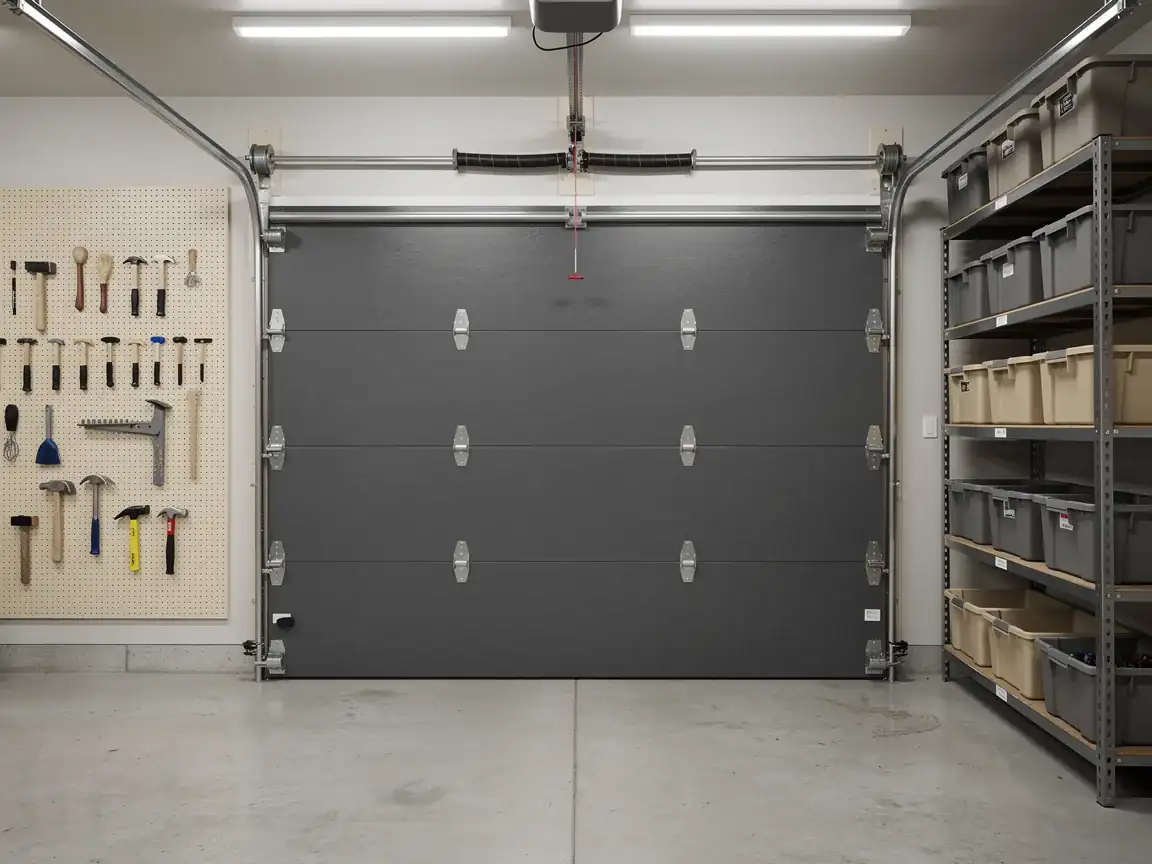
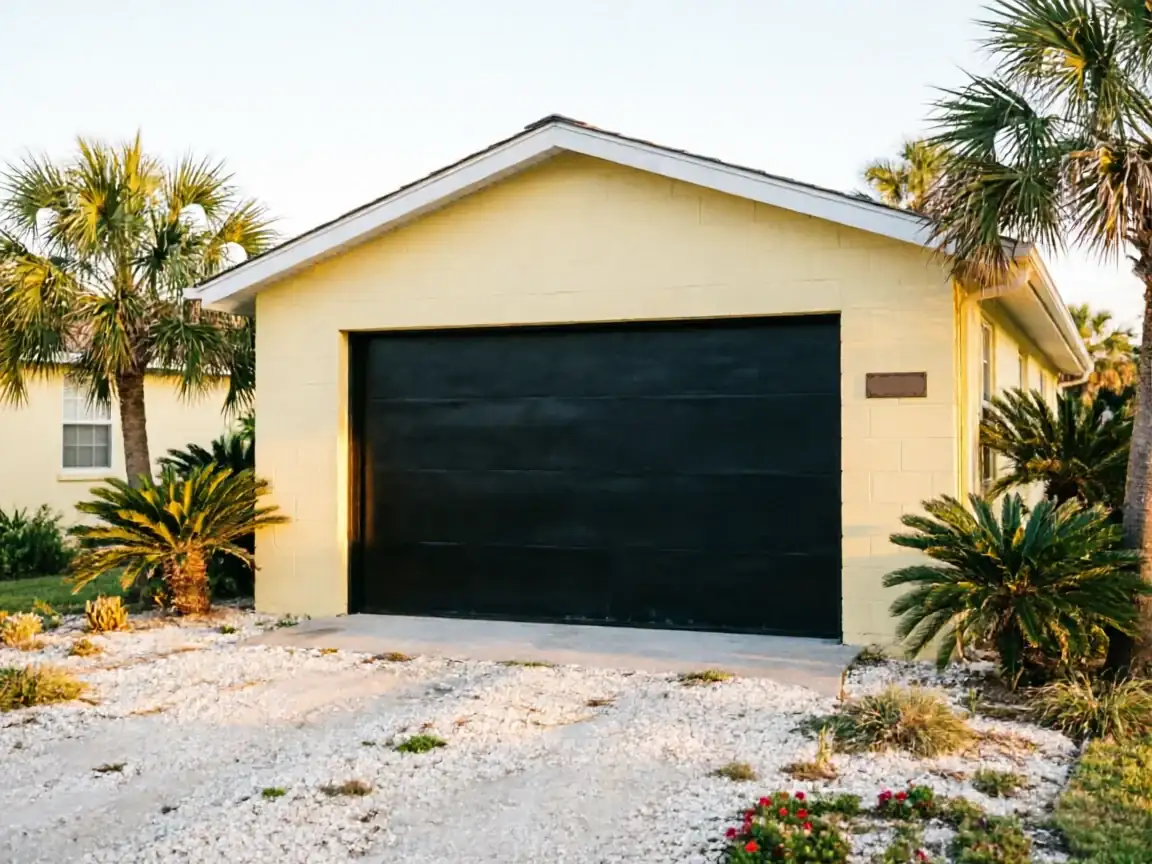
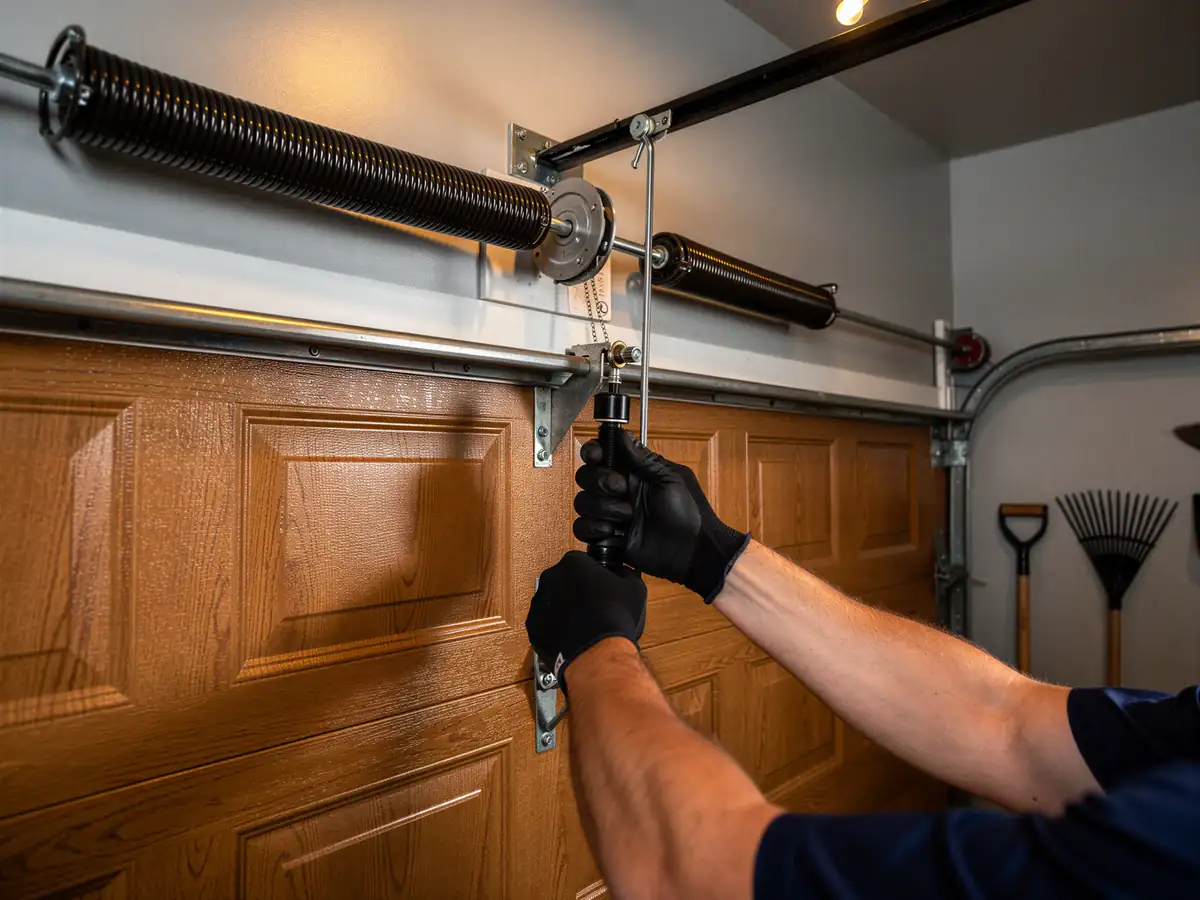
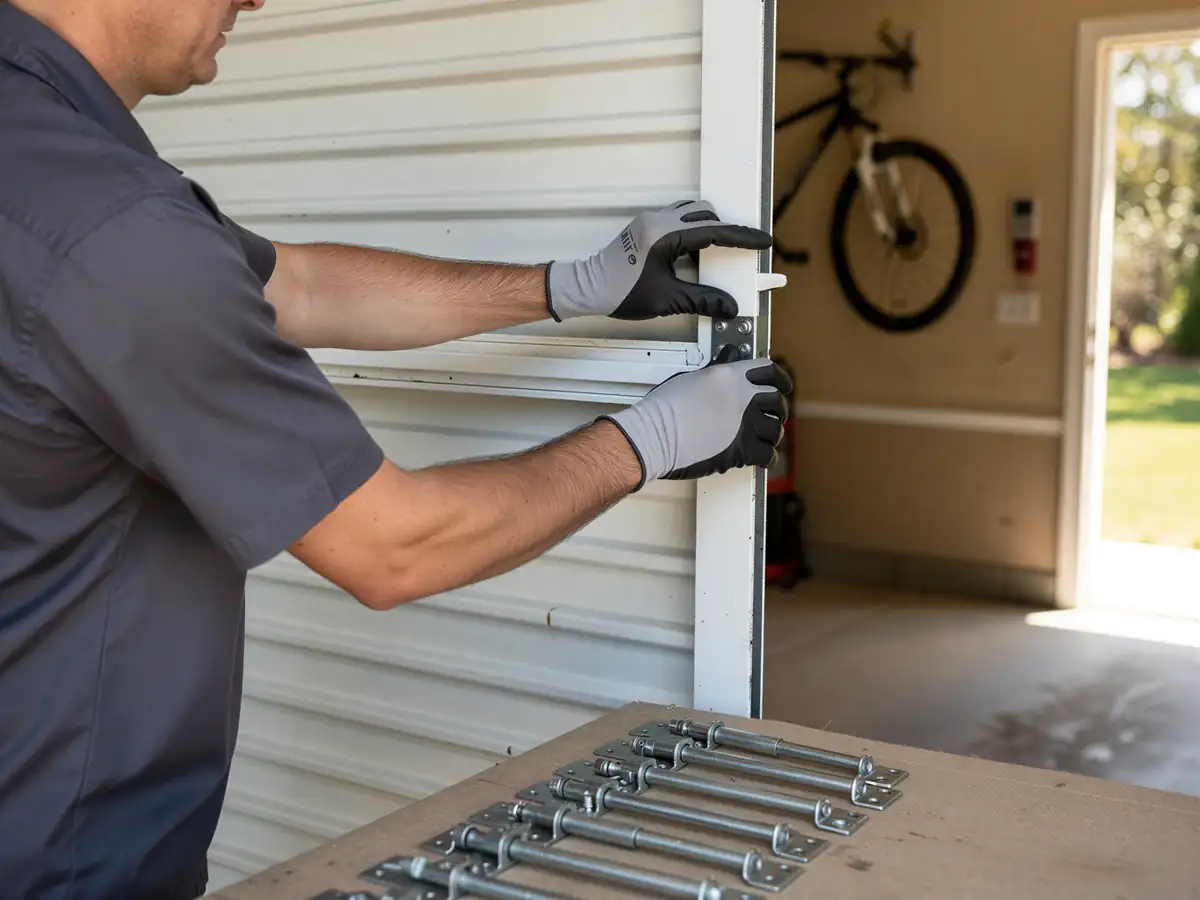
Pebble Creek went up mostly after 2000, which puts the housing here a solid decade or two ahead of the 1980s and 90s stock that makes up most of the wider Wesley Chapel service area. That matters for what we carry. Doors from this era are almost always steel sectional panels on torsion spring systems rather than the older extension-spring setups you still find on a lot of the region's 80s-built garages. Openers from the early 2000s run on circuit boards with safety reversal sensors required by federal code since 1993, so we carry sensor pairs, logic boards, and the control wiring that goes with them. We stock torsion springs in the sizes common on 16x7 and 9x7 steel doors, nylon rollers, and standard galvanized cable, because that's what a 2002-built garage is running. We don't carry parts for the wood doors or older extension-spring rigs you'd find on houses built decades earlier, since that's simply not what's installed in this neighborhood.
What Can Go Wrong
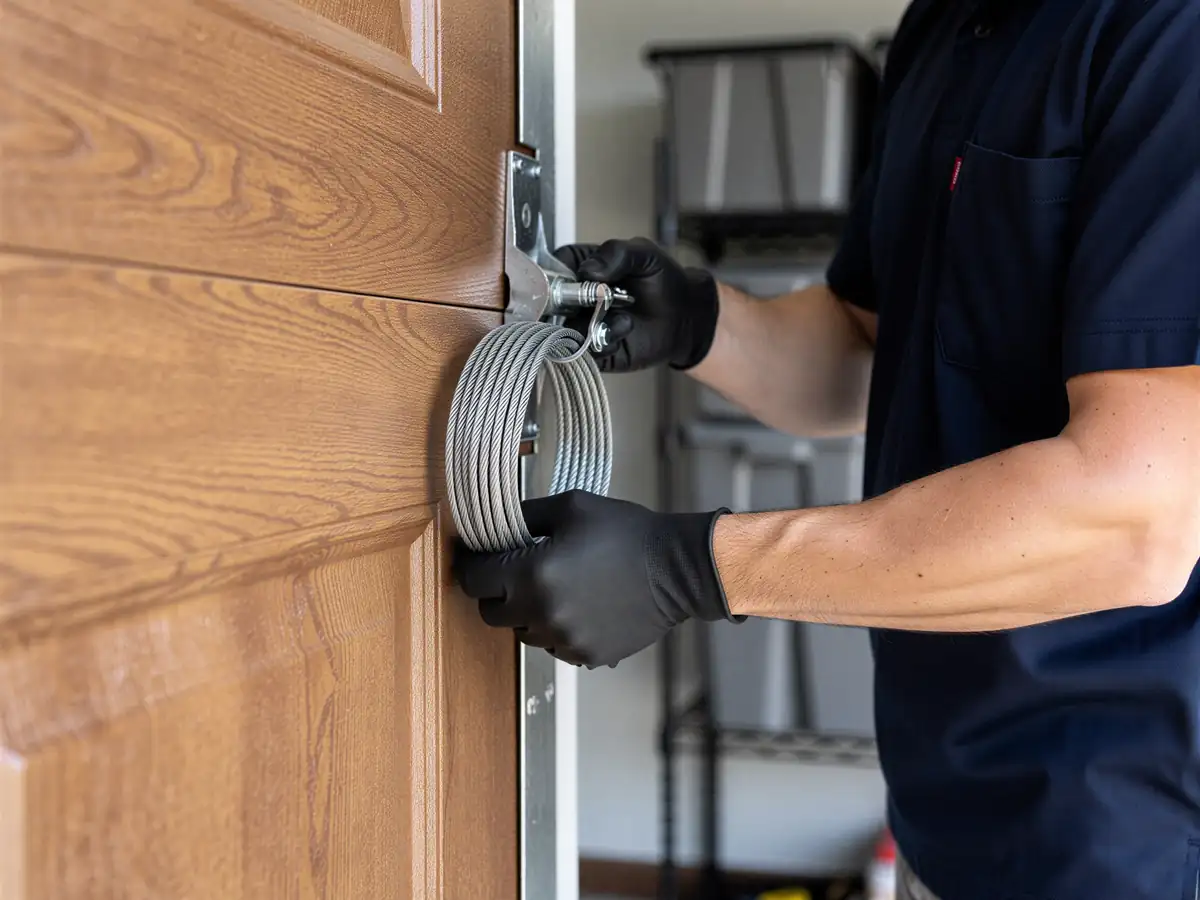
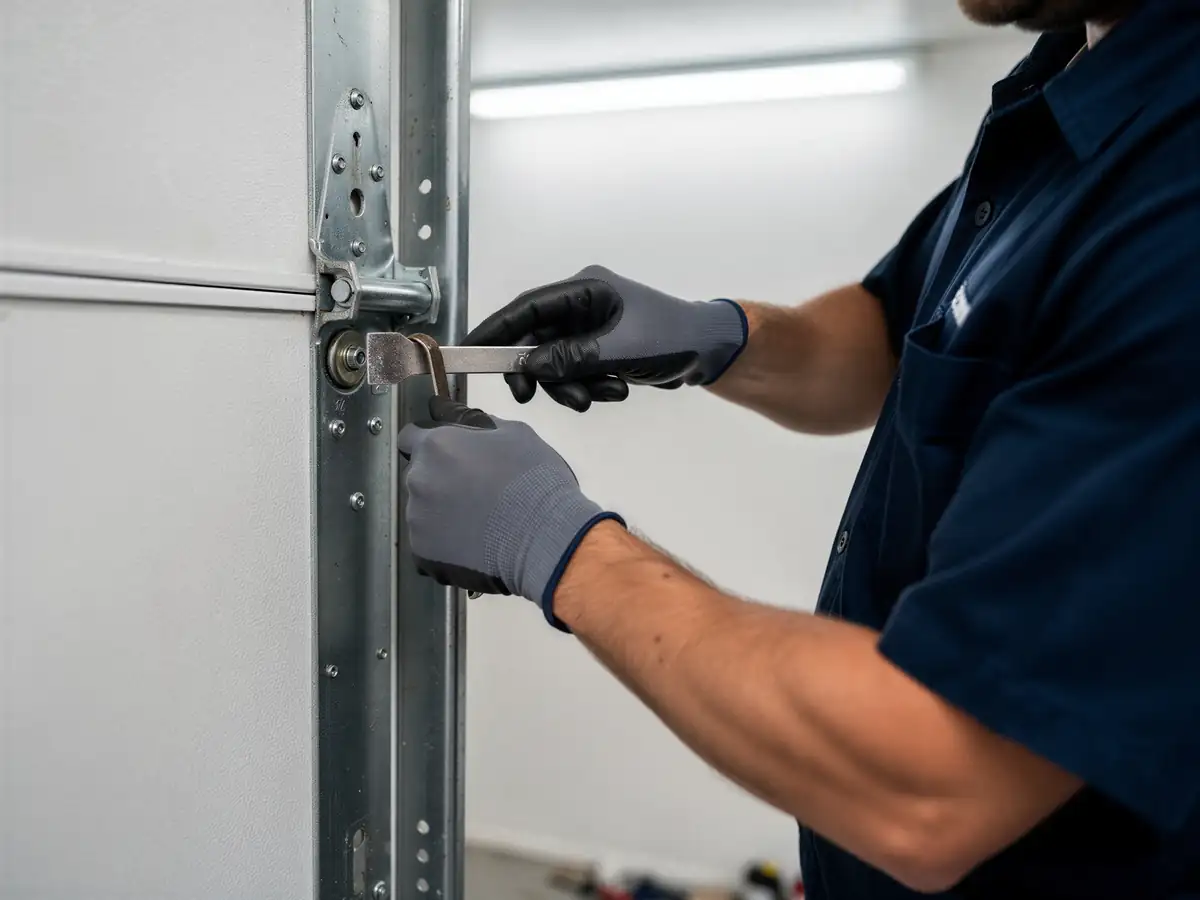
A door built around 2002 is old enough now that the original torsion spring has likely reached or passed the end of its cycle life, even with ordinary use. That's the most common emergency call: a spring snaps, usually with a loud bang, and the door won't lift. Second most common is an opener logic board failing outright, since boards from that generation are two decades old and components do wear out. We also see stripped plastic drive gears inside the opener housing, which lets the motor run while the door sits still. Safety sensor misalignment is common too - a bumped sensor bracket near the floor track will make the door reverse before it touches down, or refuse to close at all. Cables fraying at the drum after years of cycling is another one. What we don't see much of here is rot or warped wood jambs, since steel doors on newer framing don't have that problem the way older housing stock sometimes does.
The Cost of This Job
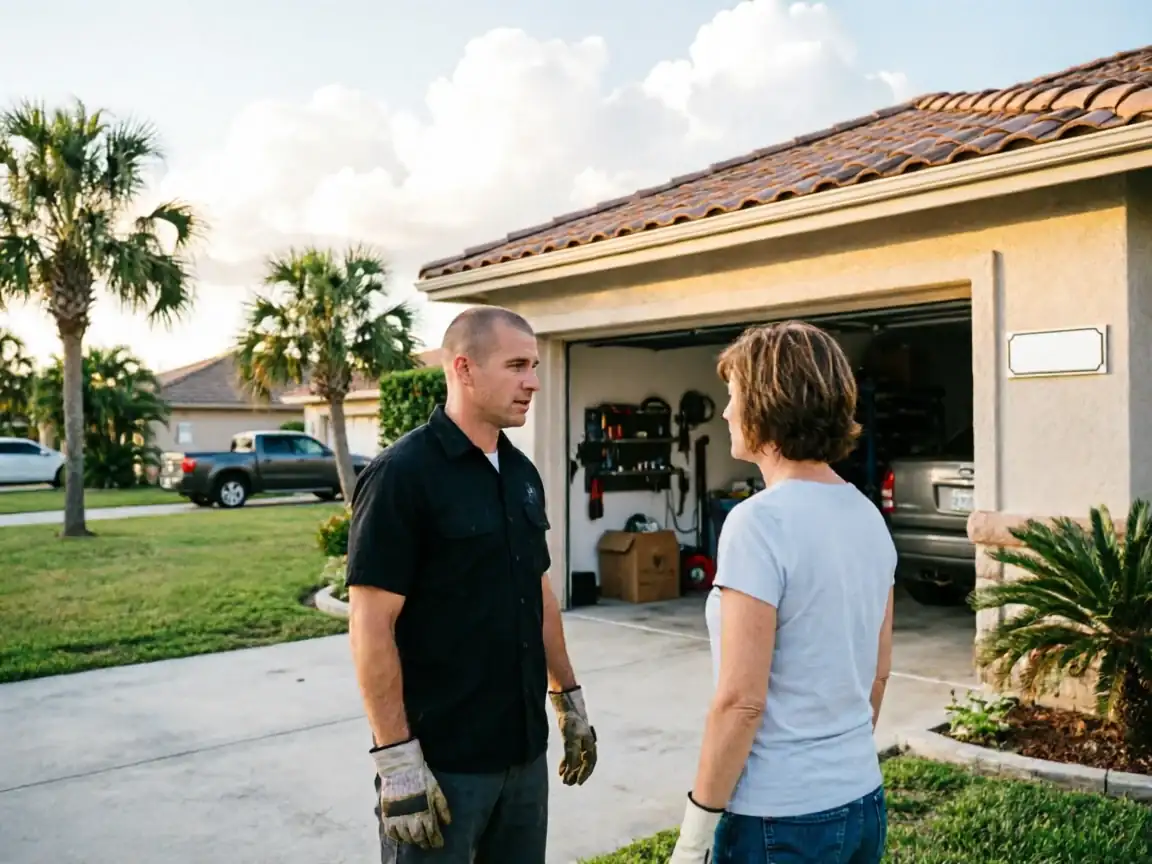
We don't post a flat price here because the job itself varies - a single torsion spring is a different cost than a board replacement or a full opener swap, and we're not going to quote one number for all three. What we can say is that a neighborhood with a median household income of $109,375, well above the $63,145 average across the rest of the service area, isn't where we see people trying to limp along on a door that's actually failed. A spring job is almost always worth fixing rather than replacing the whole door, since the door panels on a 2002-built house are typically in good shape. Where replacement starts to make more sense is when the opener itself is original and its board is the second or third failure in a few years - at that point you're paying for repairs on a unit that's simply aging out.
What You Are Seeing
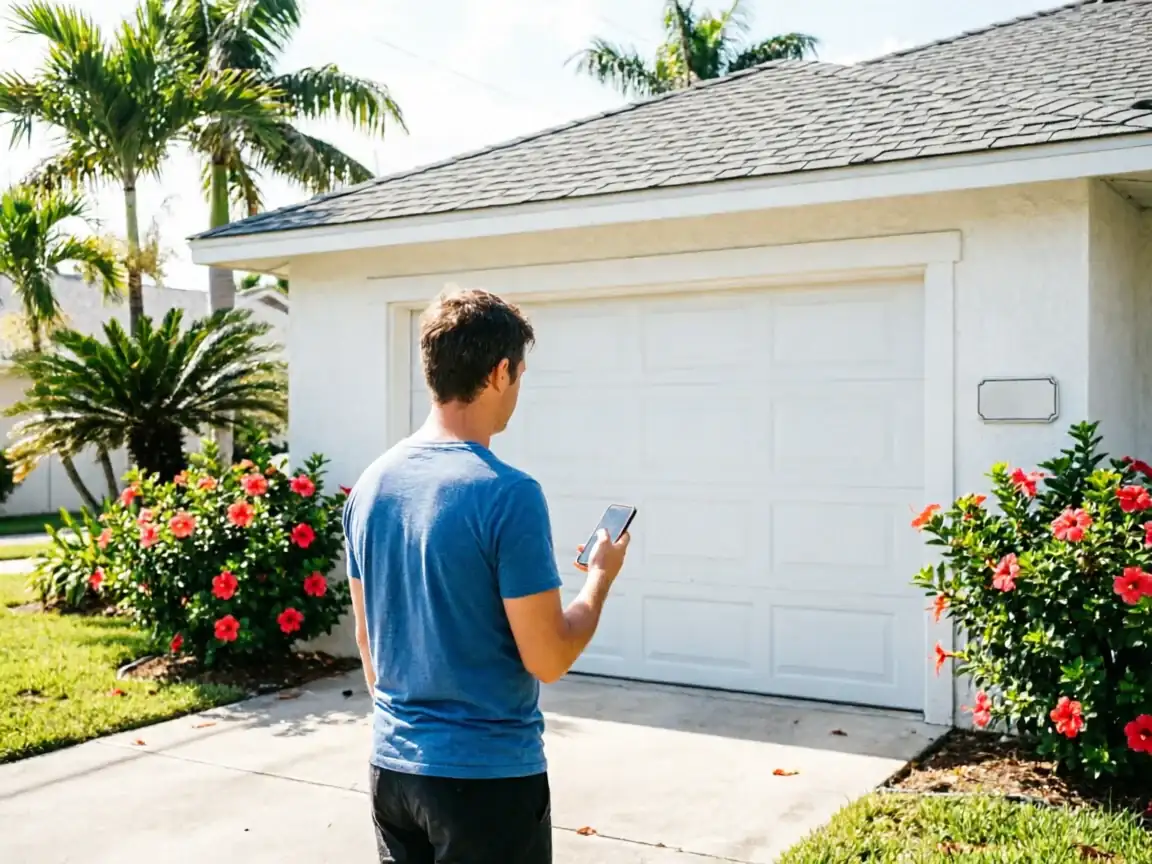
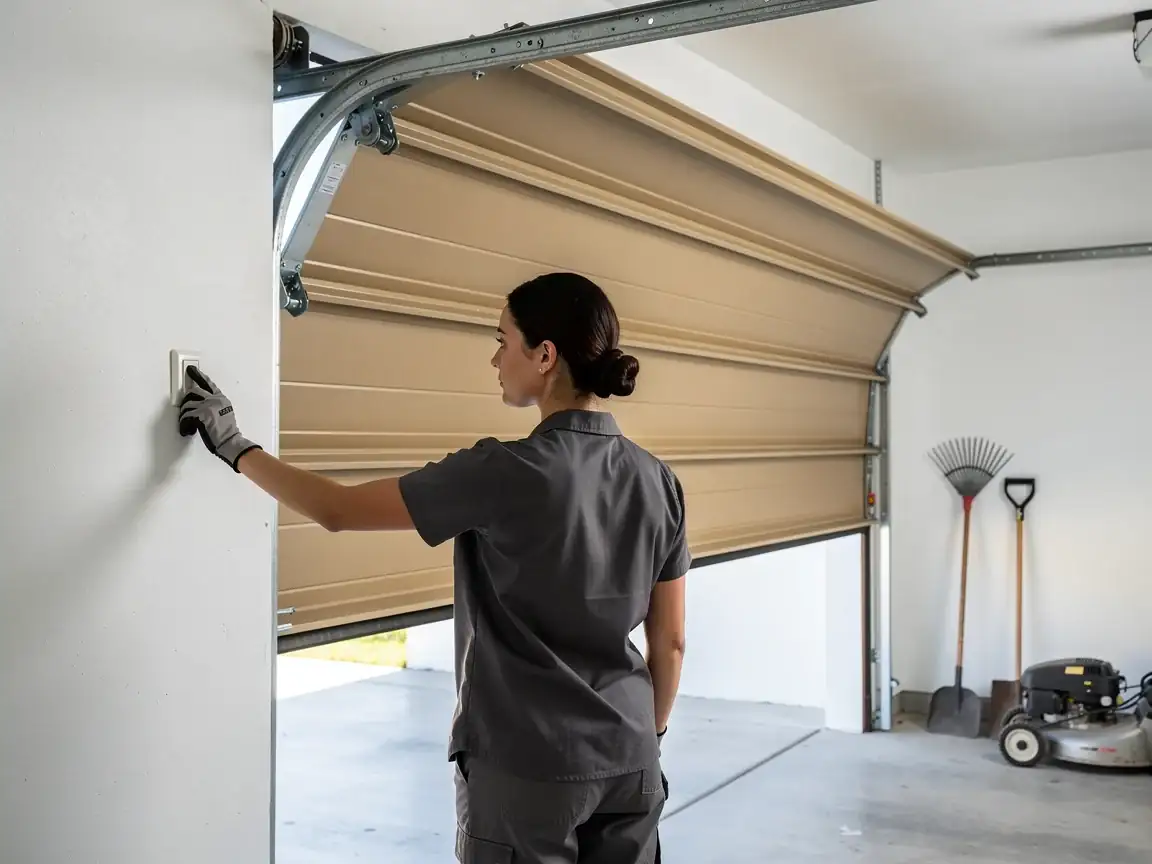
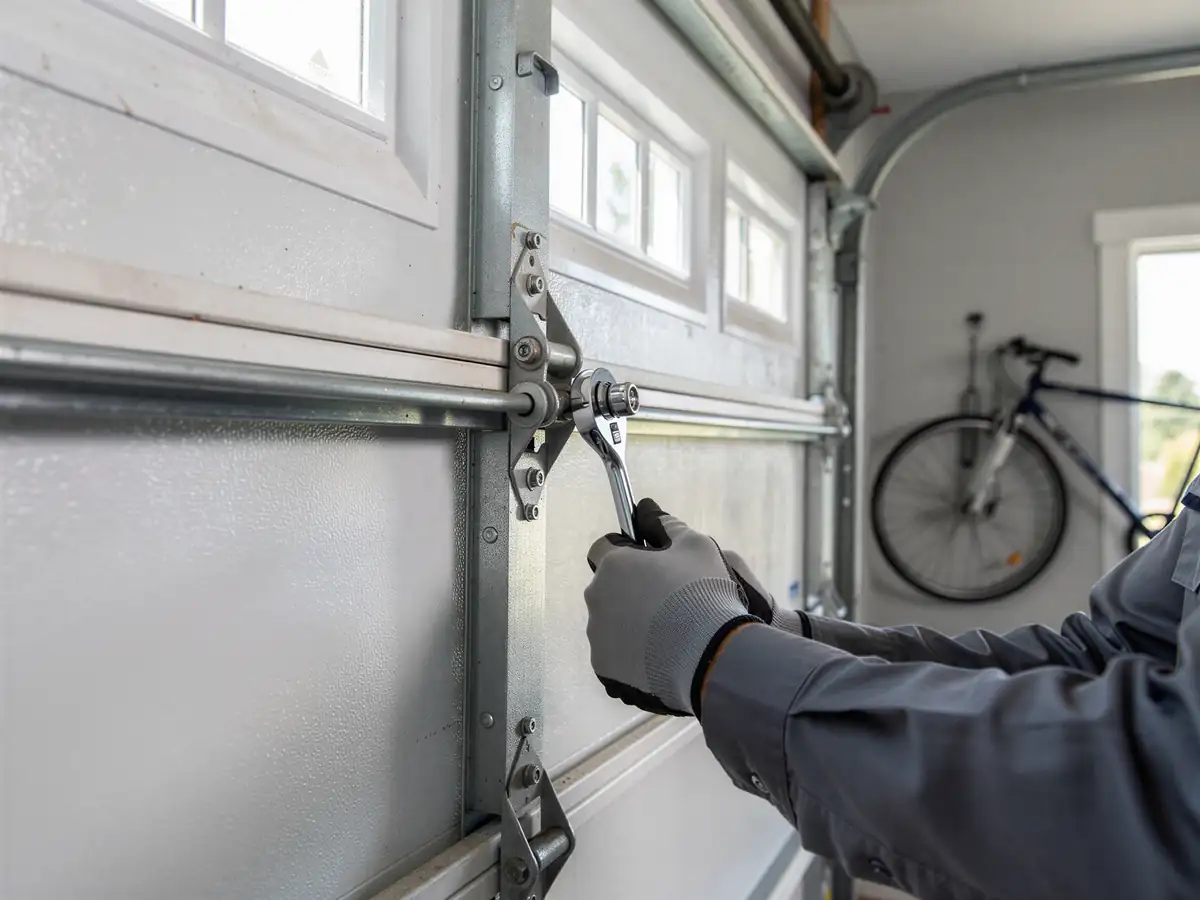
A loud bang from the garage, followed by a door that won't budge or feels twice as heavy when you try to lift it by hand, is a snapped torsion spring - the single most common call we get from this stretch of the service area, about 4 miles from our shop in Wesley Chapel. If the opener motor runs but the door doesn't move, or moves and then stops partway, that's usually a stripped gear inside the opener housing, not the door itself. A door that starts closing and then reverses before it reaches the floor almost always means a safety sensor near the bottom of the track is out of alignment or has something blocking its line of sight. A door that's noticeably off-level, hanging crooked in the frame, points to one cable having slipped or frayed while the other side holds - don't force it, since an unbalanced door under spring tension is the main way people get hurt trying to fix this themselves.