What Is on the Truck
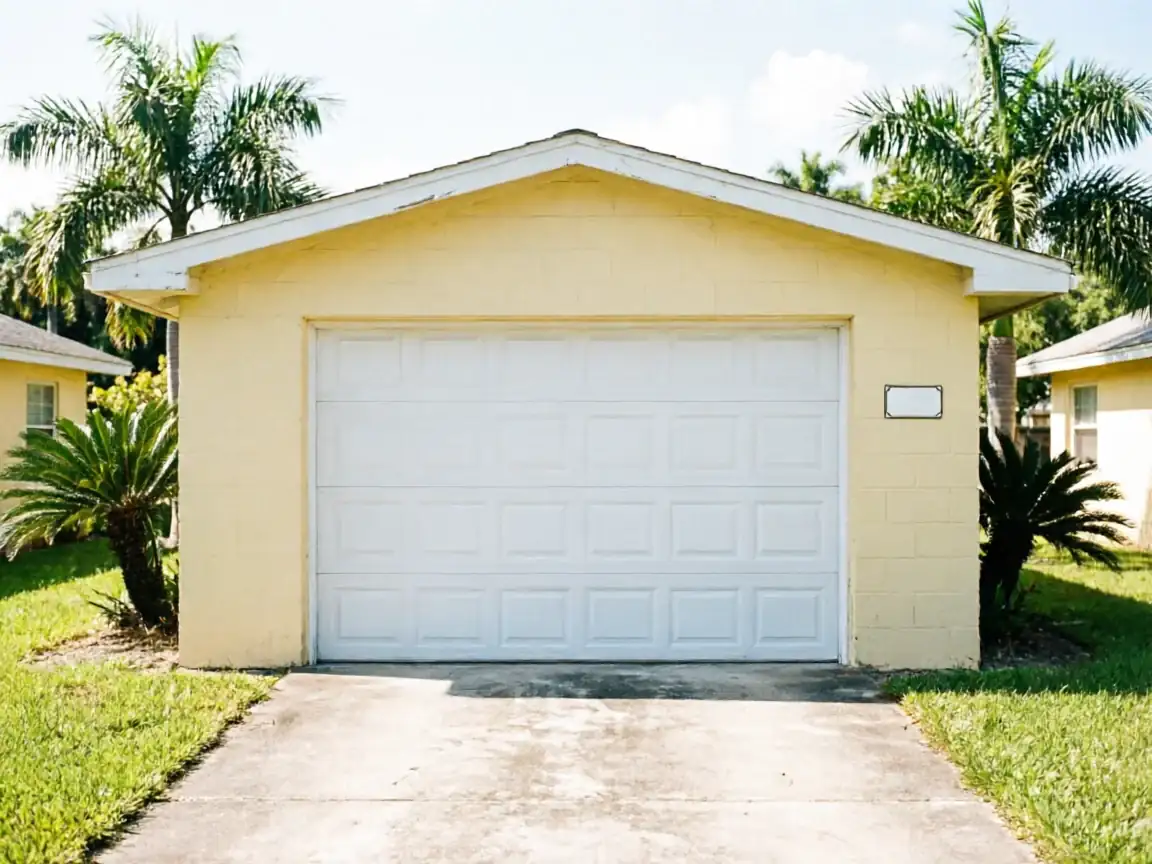
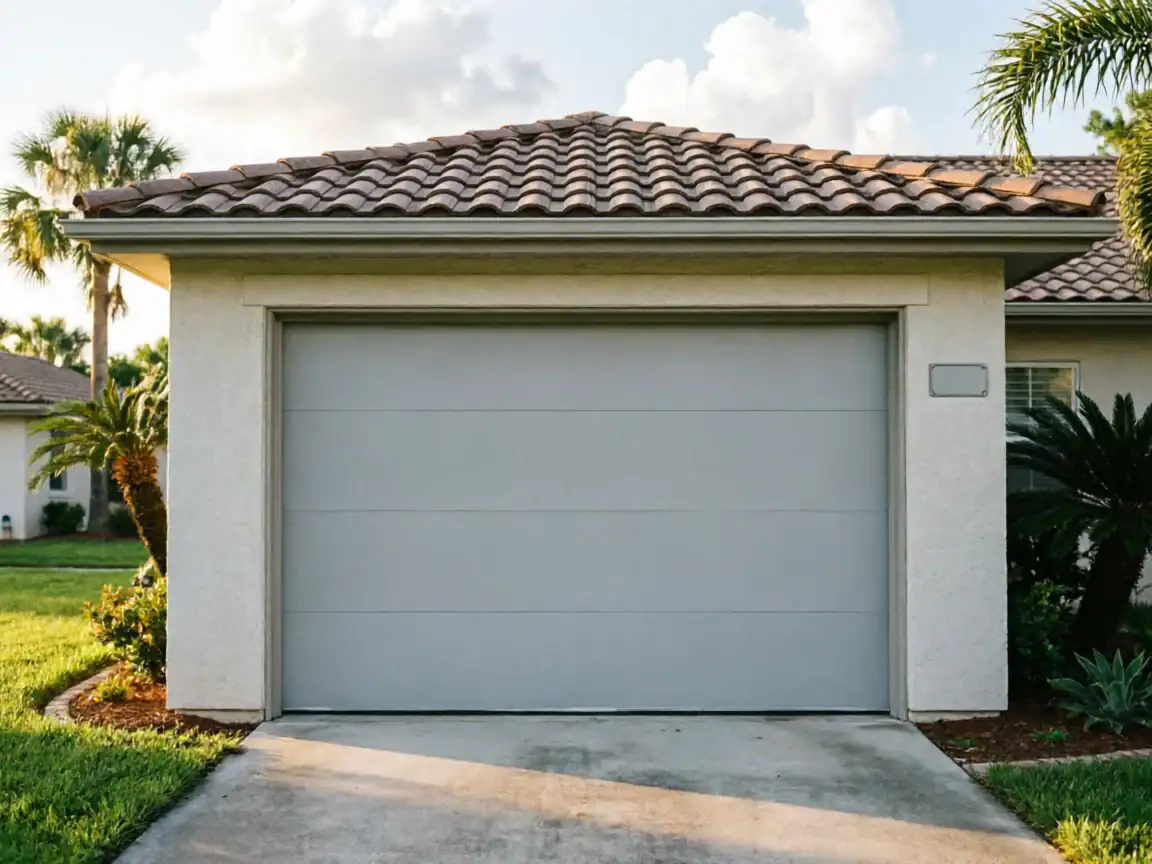
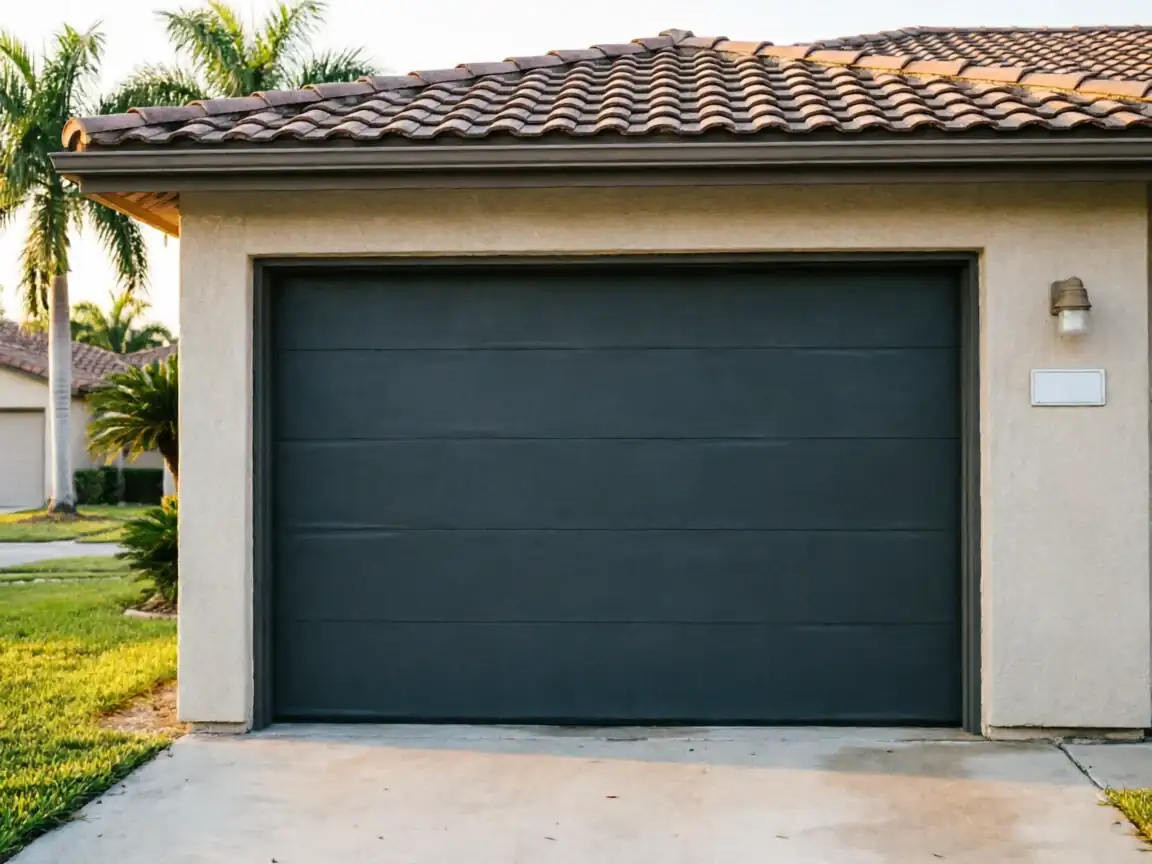
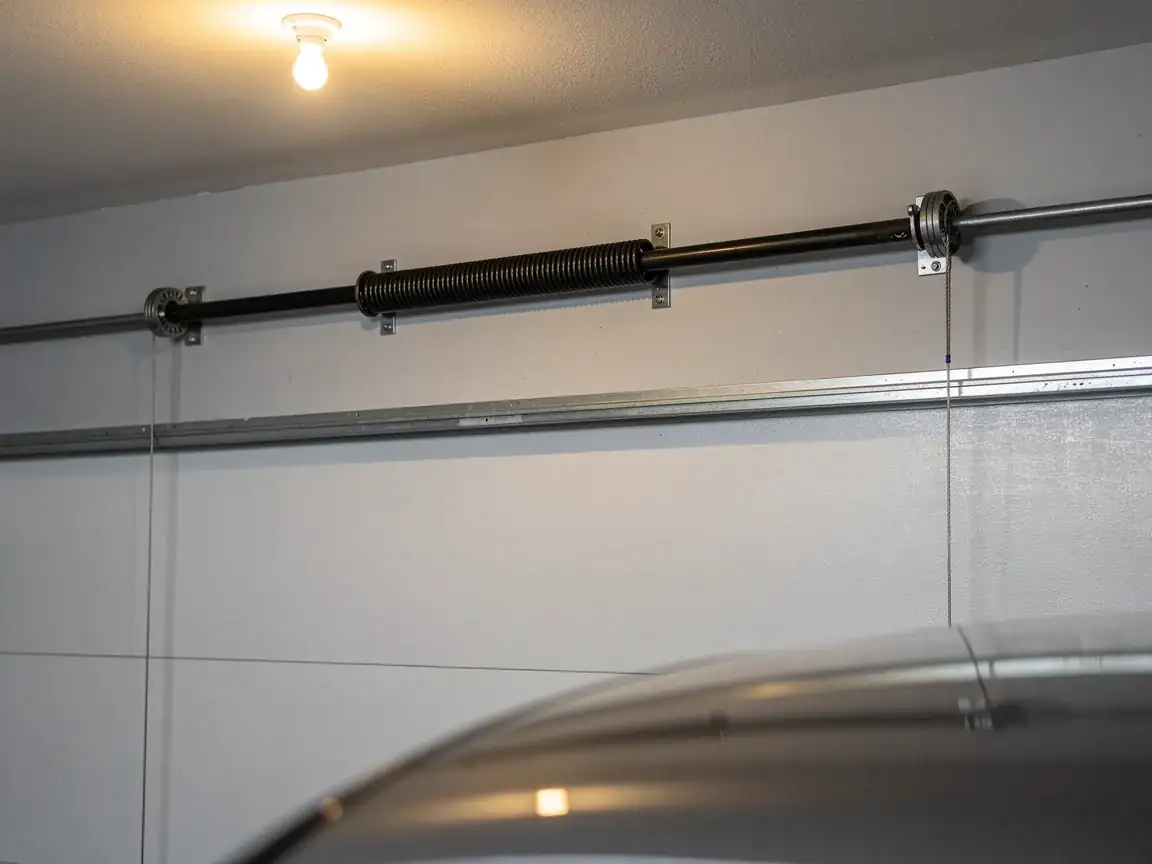
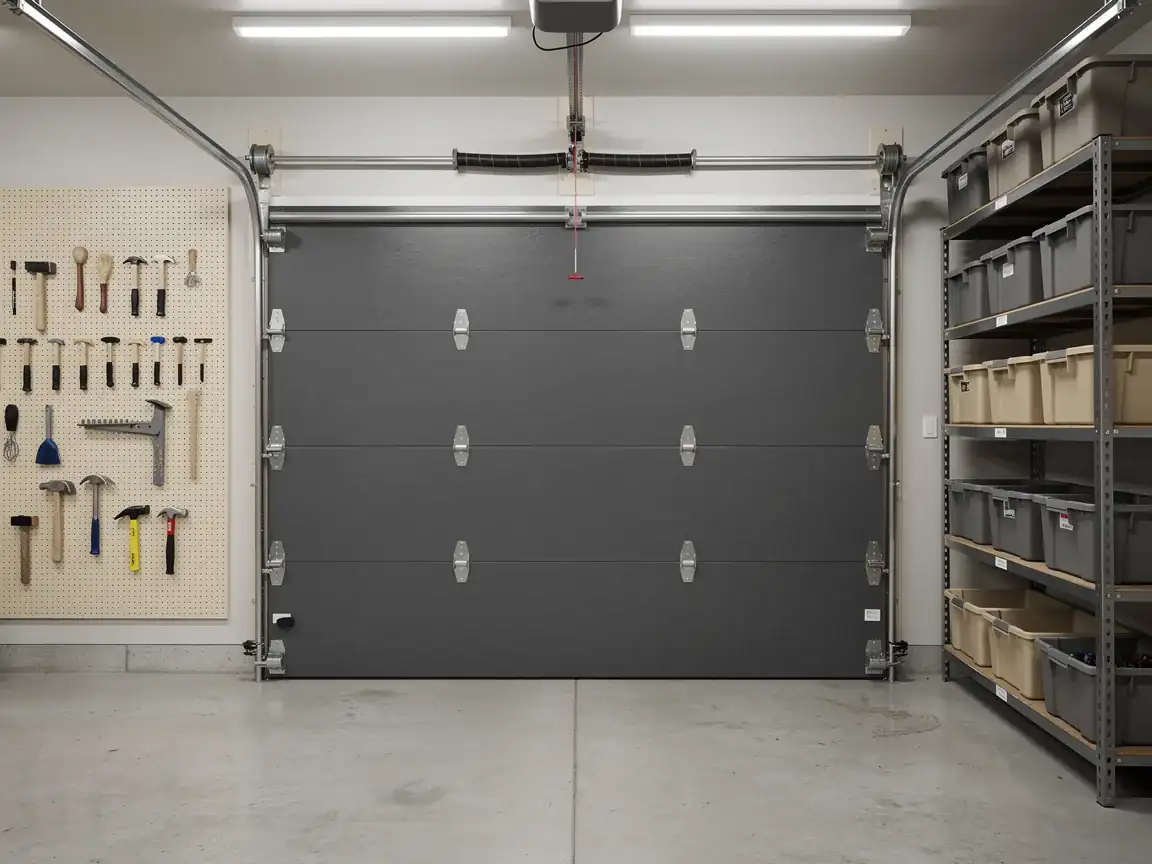
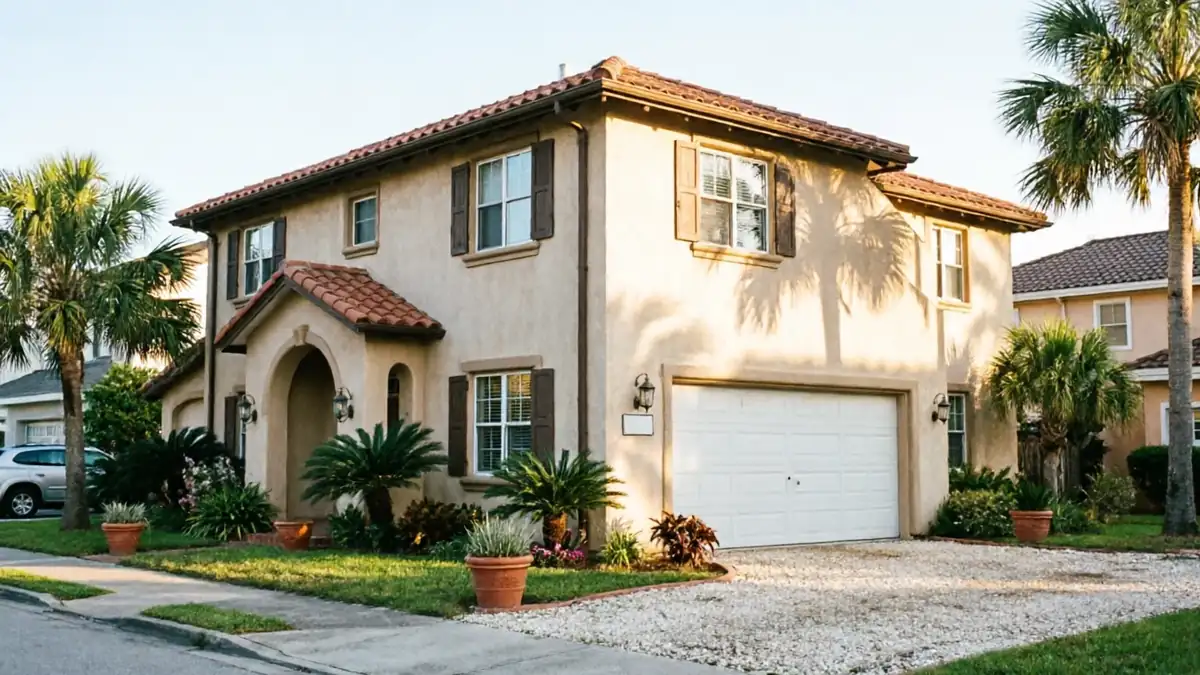
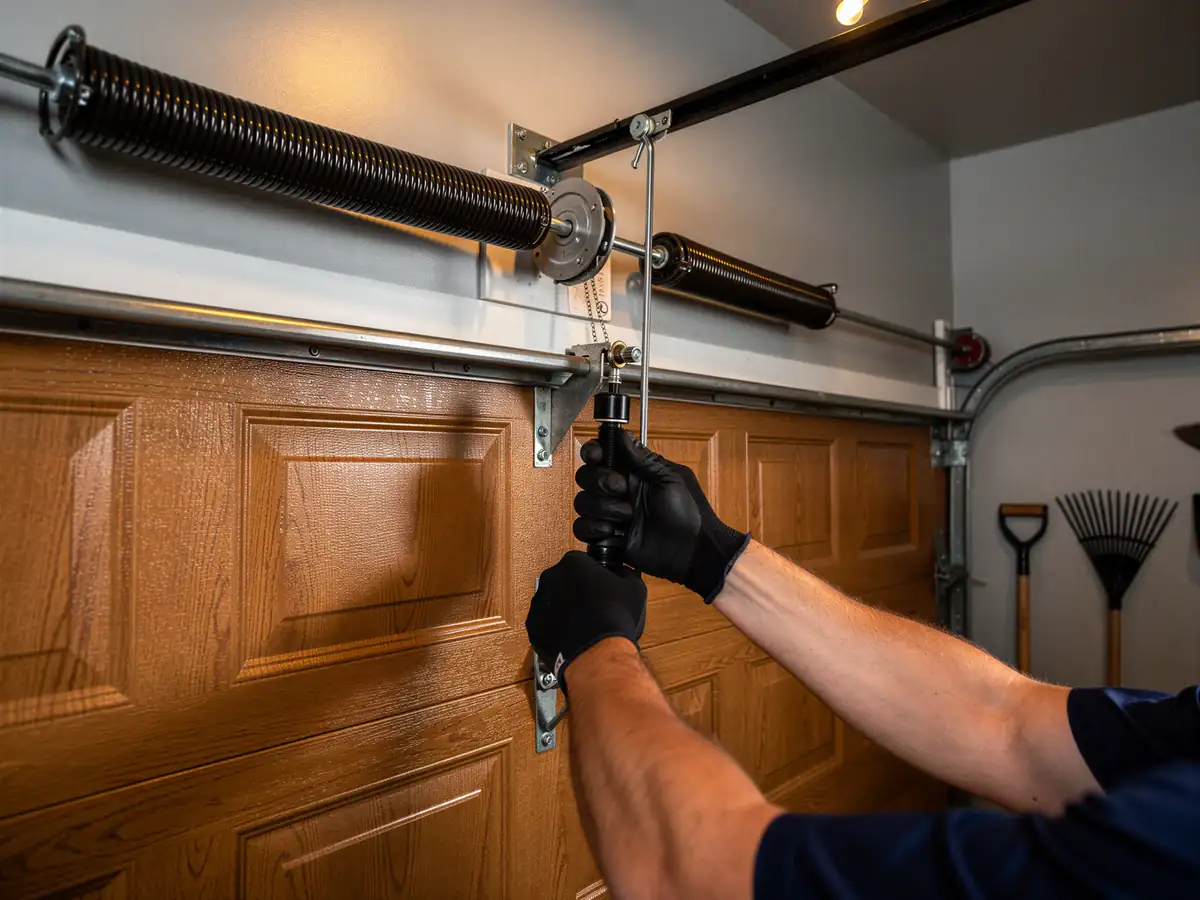
Pebble Creek is a small corner of the service area - about 3,645 households, nowhere near the scale of the 130,044 households spread across the whole territory. That size matters for what we load before we leave Wesley Chapel. A neighborhood this compact, built mostly around 2002, isn't running the mixed bag of door eras you'd find in an older part of town. It's steel sectional doors on torsion springs, factory-insulated panels, openers built to a newer safety standard than the stuff from the 1980s and 90s that makes up most of the broader area's stock.
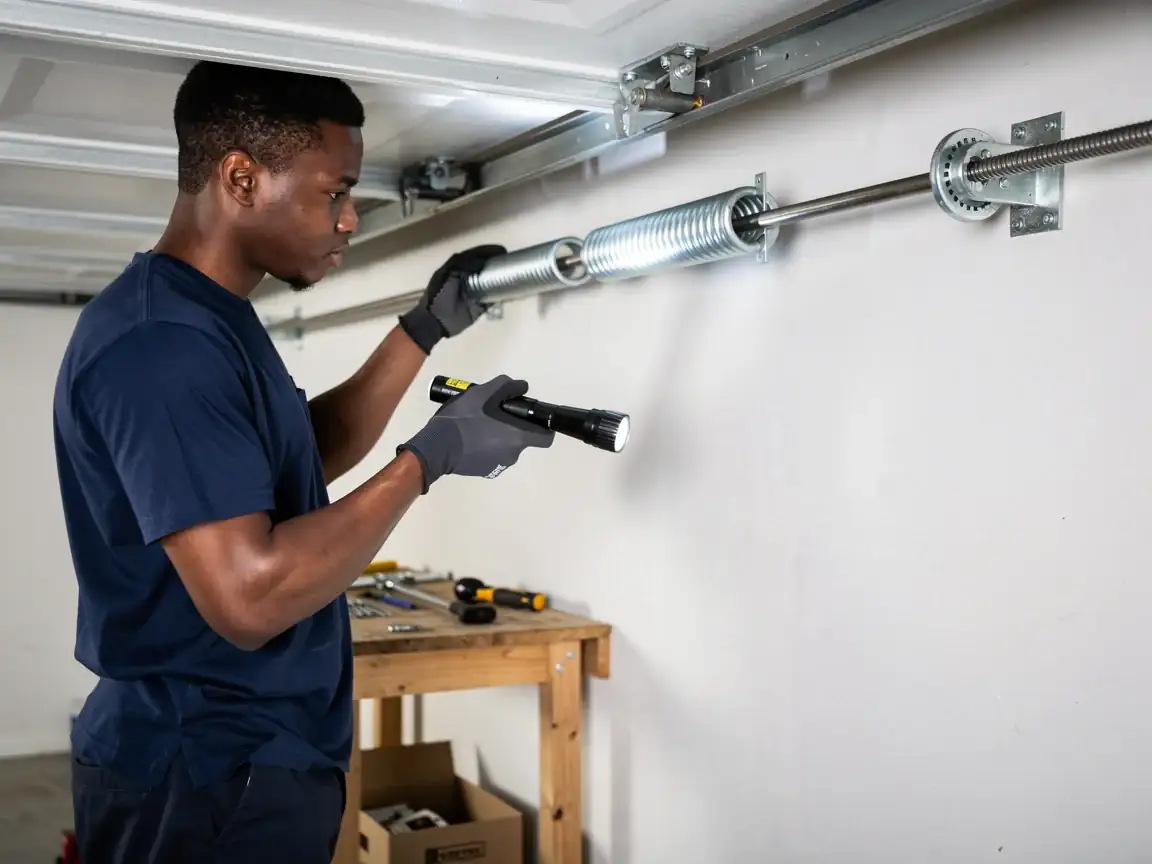
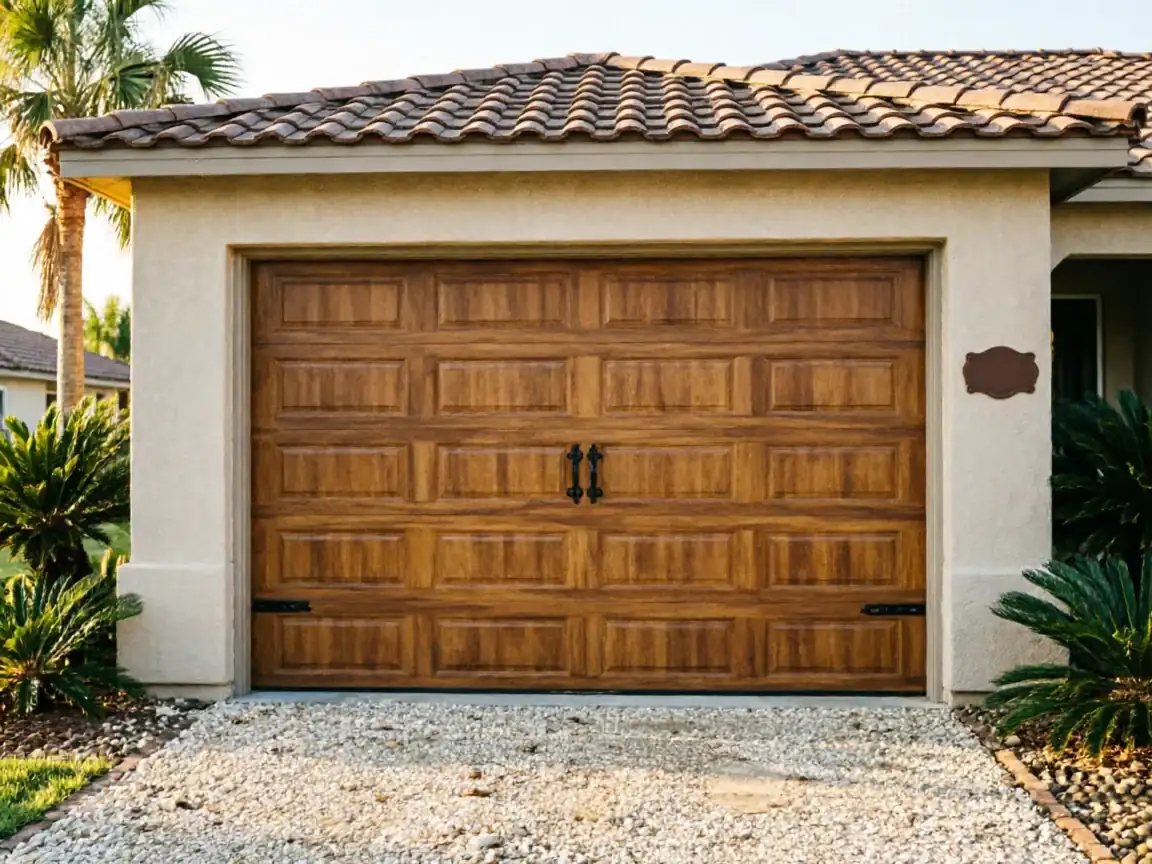
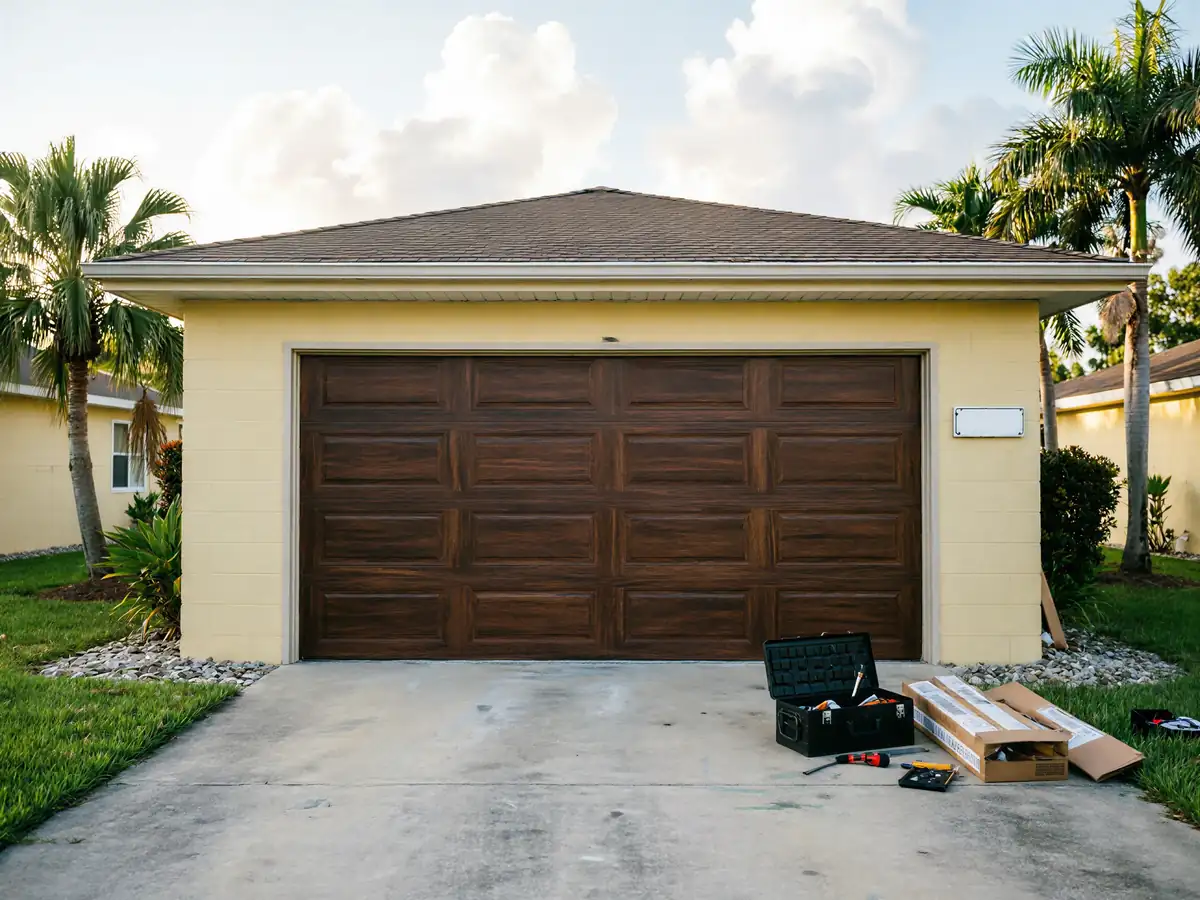
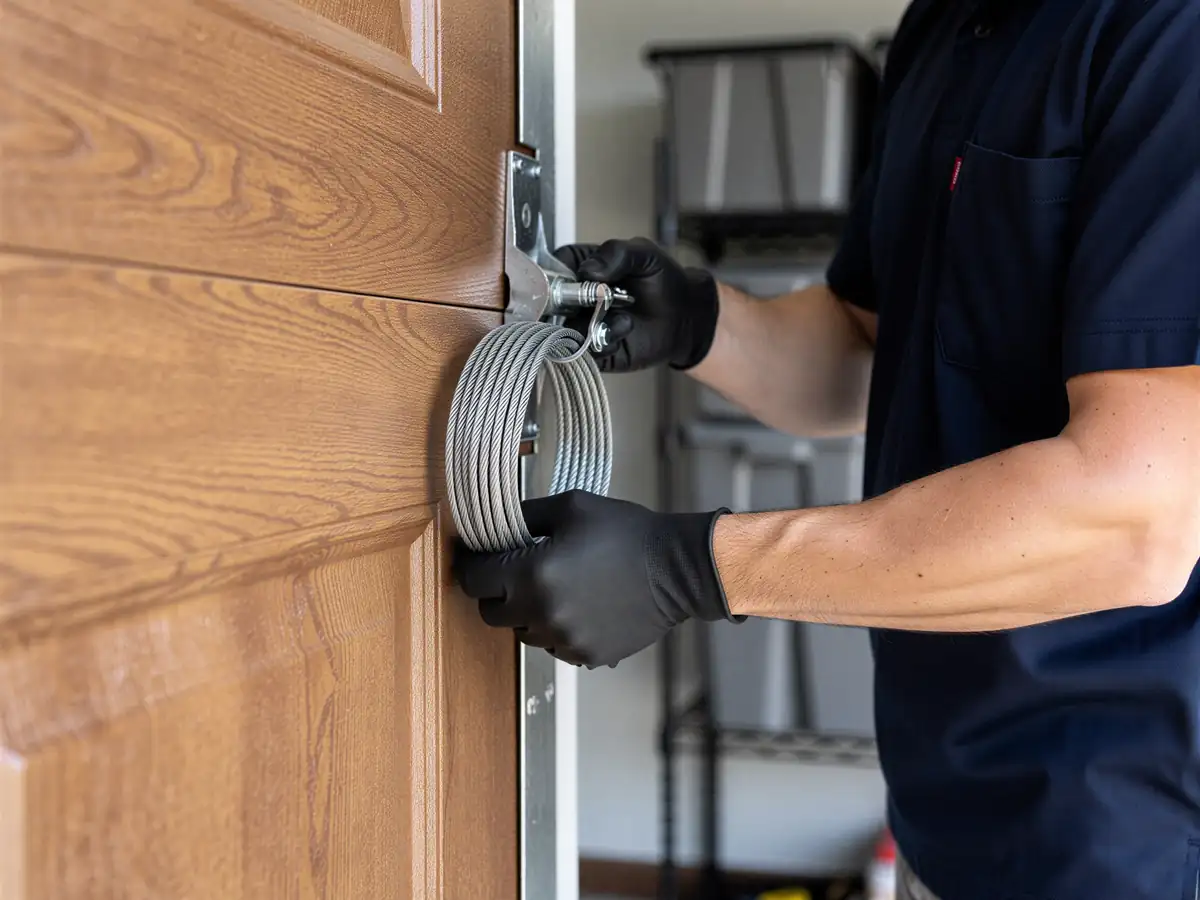
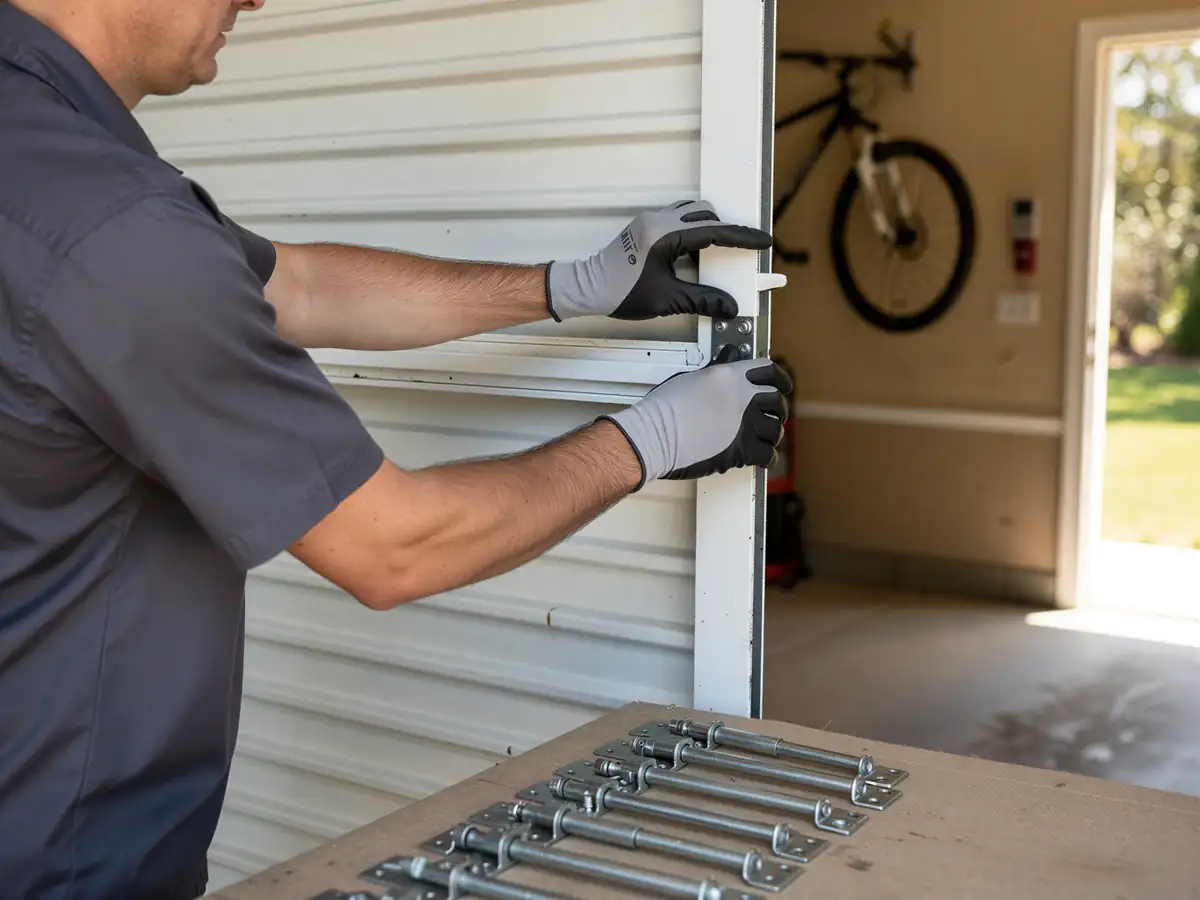
So the truck carries panel sections sized for the common widths on houses from that build window, matching hinges, end stiles, and the fasteners those doors actually use - not the heavier gauge steel or odd hinge spacing you'd pull for an older door. We bring color-matched sections where we can, because a 2002-built garage usually still has its original door color on the house, and a mismatched panel stands out fast on a street where most of the homes went up in the same few years.
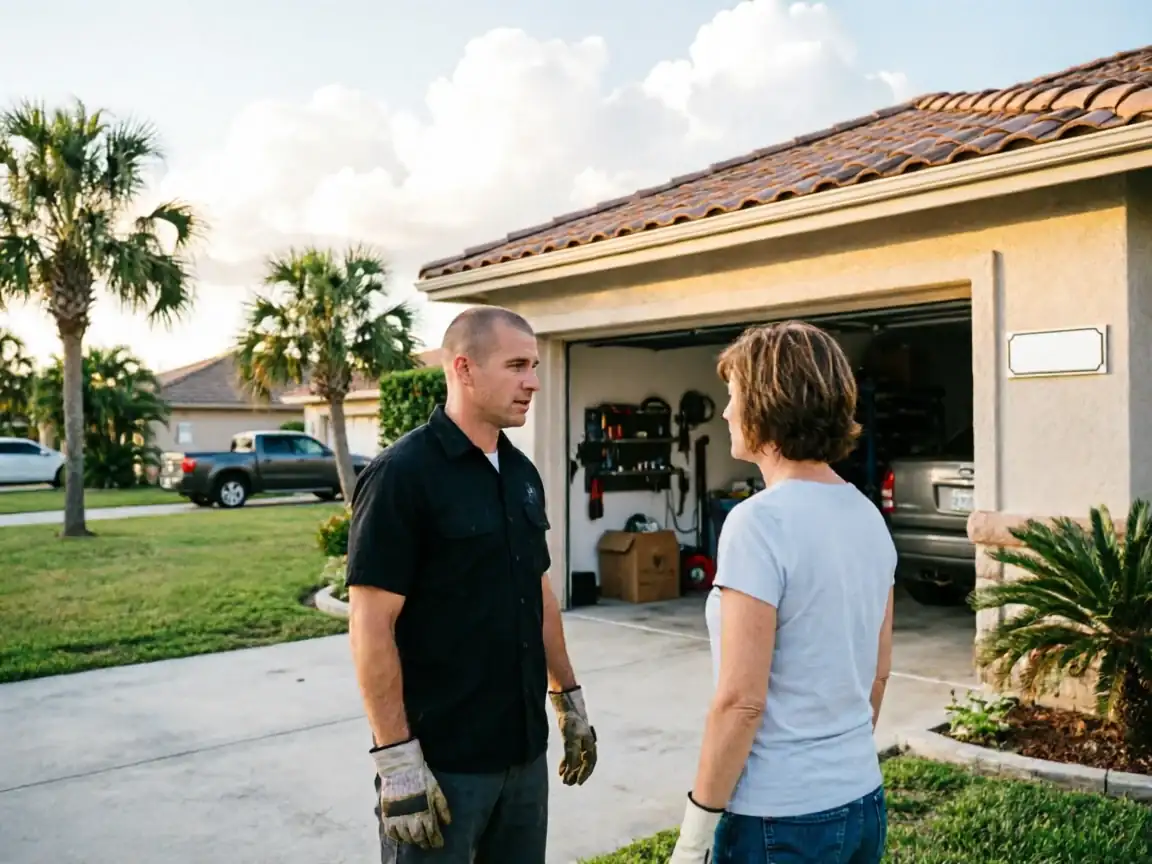
We're coming from Wesley Chapel, about 4 miles out, so what's on the truck when we leave is what we've got - if a job needs a part we didn't load, we're not running back for it mid-afternoon.
What Can Go Wrong
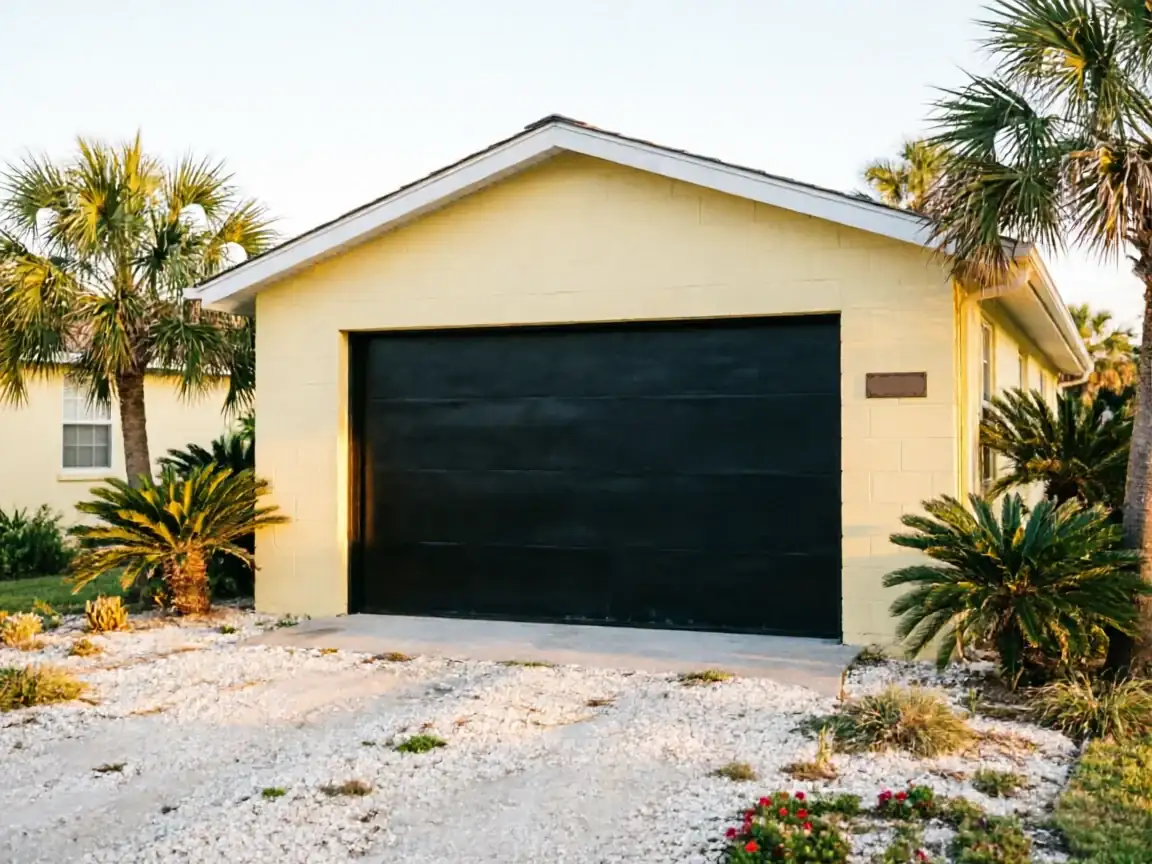
Newer doesn't mean problem-free, it just means different problems. On a door from this build era, the panel itself rarely fails from age - it fails from an impact. A bumper tap, a trailer hitch backed in wrong, a basketball that found the bottom section one too many times. The steel on these doors is thinner than the heavy-gauge stock from decades past, so a dent that would've buffed out on an older door tends to crease and stay creased here.
The other common failure is at the seams between panels, where the insulation core meets the steel skin. If that bond starts separating, you'll see a slight bow or a section that doesn't sit flush against its neighbors when the door closes. It's cosmetic at first, then it starts catching on the track.
We'll say the honest part here: if more than two sections on a door are damaged, or the door is fighting a bowed track at the same time, replacing one panel stops making financial sense. At that point a full door replacement is the straighter path, and we'll tell you that on the spot rather than patch something that'll need redoing in a year.
Time on the Job
A single-panel swap on a door this age
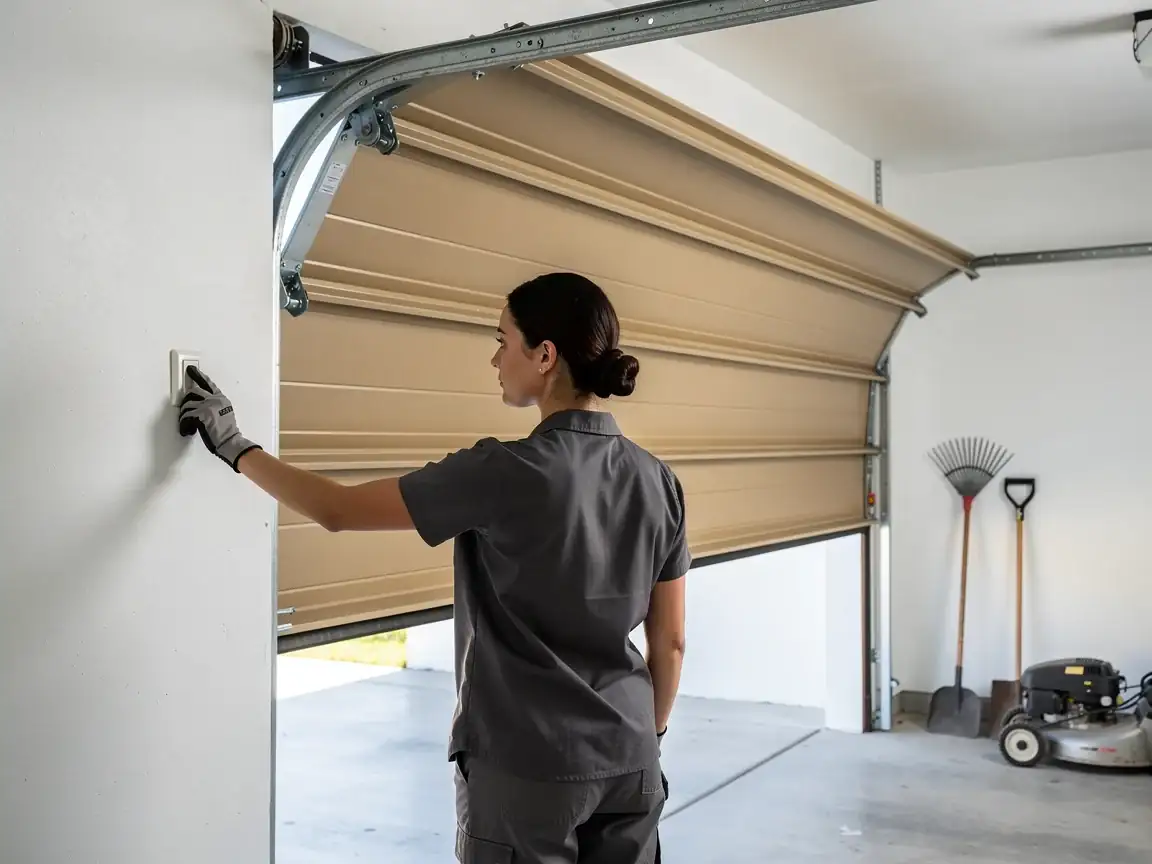
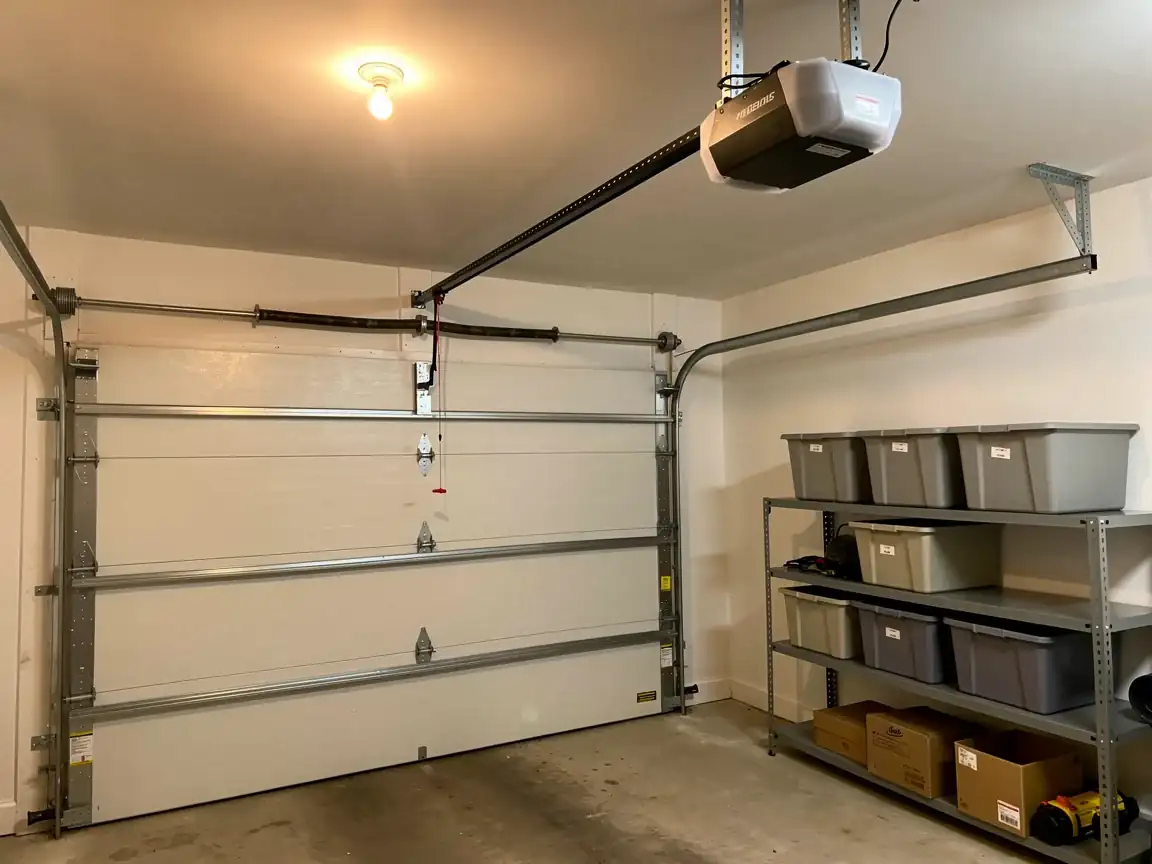
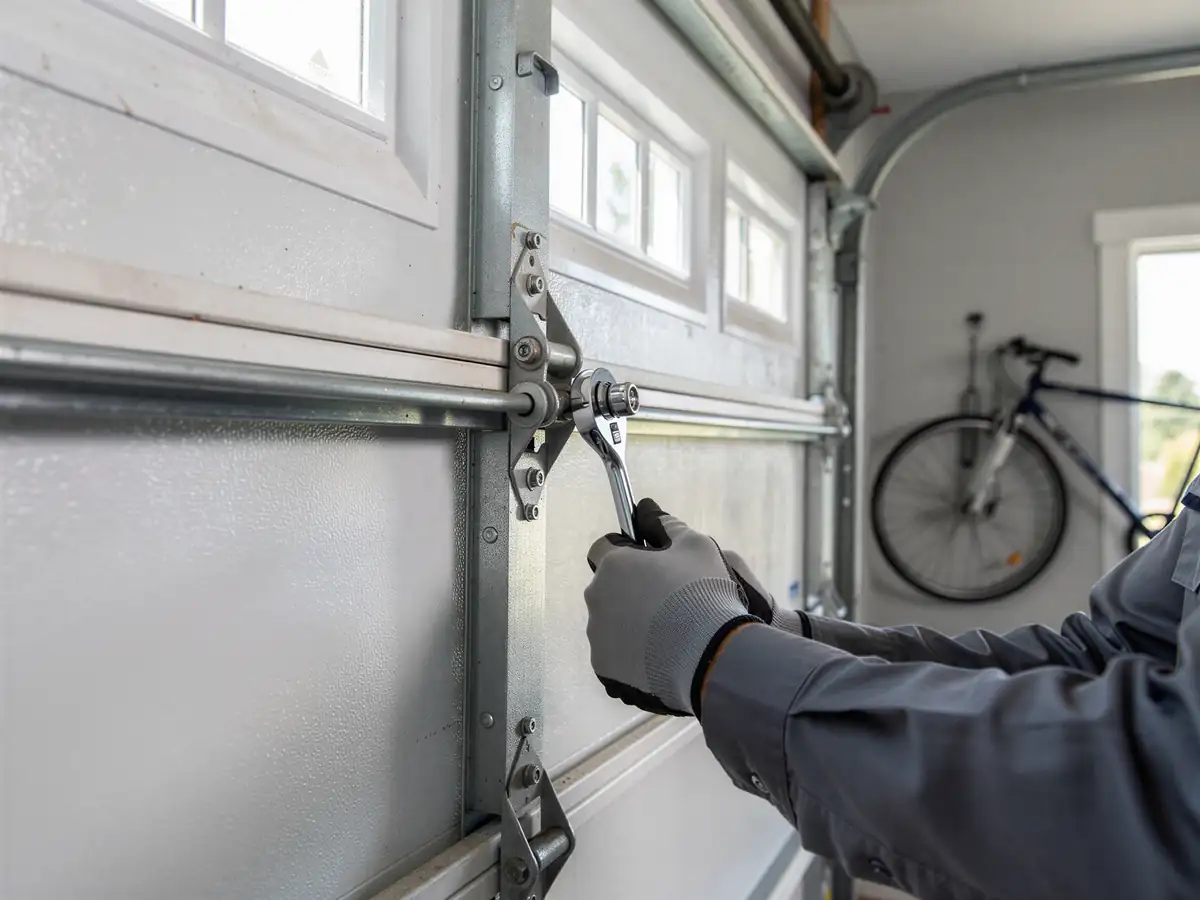
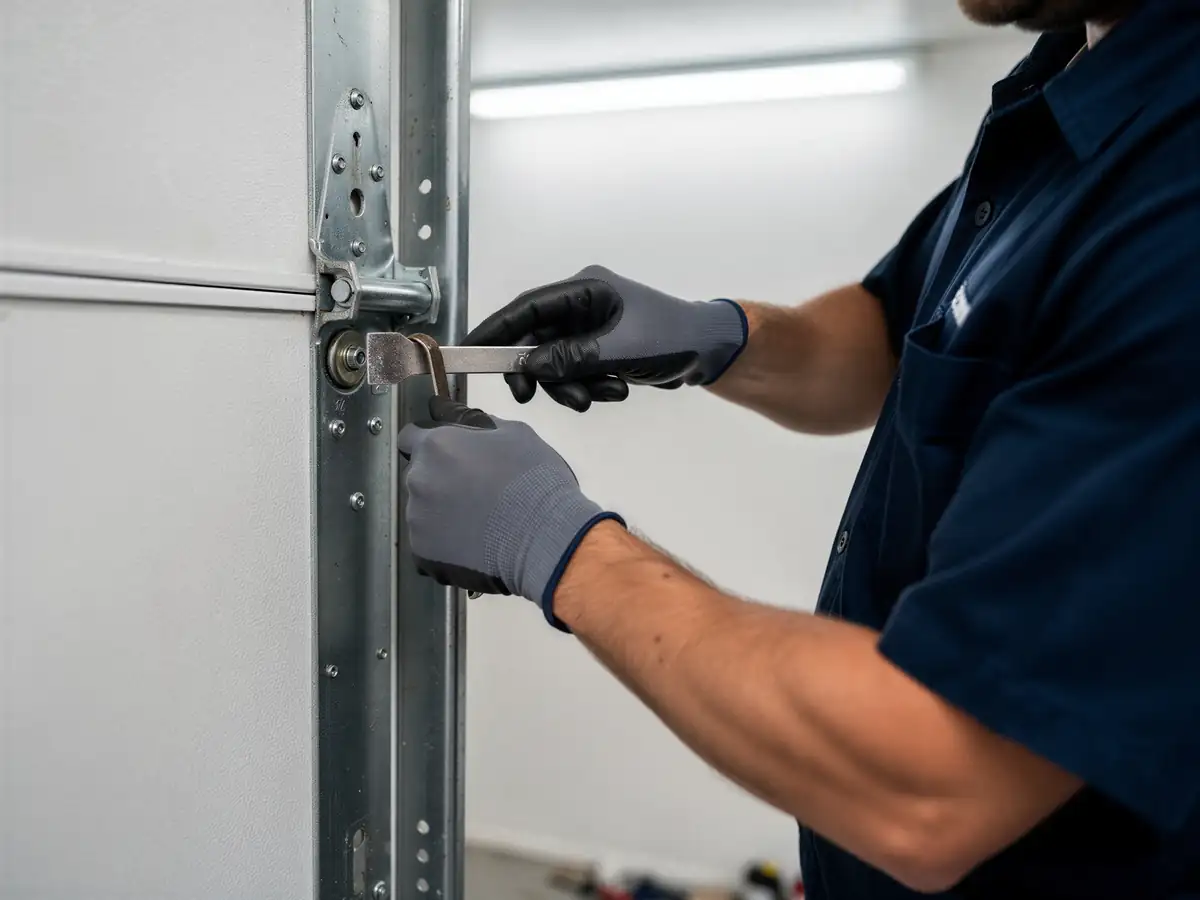
Where the opener and track are otherwise sound, is usually a same-visit job once the matching section is on the truck. The work itself - pulling the damaged panel, fitting the replacement, re-hanging hinges and rollers, checking the door balances evenly on the springs - doesn't take long on hardware this recent, because nothing's rusted into place and the fasteners aren't stripped from 20 years of seasonal swelling.
- 20 years
What slows a job down here isn't the age of the house, it's matching color and finish exactly
If your door's a less common shade, we may need to confirm the panel before we show up with it, rather than guess. We'd rather get that right the first trip than leave a visibly mismatched section on a street where every house is roughly the same age and finish.
The Cost of This Job
We don't quote a number sight unseen, but the drivers on a panel job here are straightforward: how many sections need replacing, whether the insulation core is intact on the rest of the door, and whether the track took any damage alongside the panel. A clean single-section swap on a 2002-era steel door, with no track or opener issues, is the simplest version of this job we do.
Pebble Creek's median household income runs well above the wider service area's $63,145, and we mention that only because it tends to show up in what homeowners ask for - insulated replacement panels and a quieter opener check at the same visit, rather than the bare minimum fix. That's a homeowner preference, not a price we're quoting, and it doesn't change what the panel itself costs to replace.
What You Are Seeing
If you're looking at a dent that won't pop back, a visible gap between two sections when the door's closed, or a section that looks like it's bowing slightly outward, that's panel damage, not a spring or opener problem - even though a bowed panel can eventually start dragging on the track and causing a noise that sounds electrical or mechanical.
On a house from this build era, most of what we see is impact damage or a failed seam between the steel skin and the insulation core, not wear from age. If the door still opens and closes evenly and the damage is cosmetic, it can usually wait for a scheduled visit. If the door is binding, dragging, or not closing flush, that's worth a call sooner, because a panel out of alignment puts extra load on the springs and opener that a healthy door shouldn't be carrying.