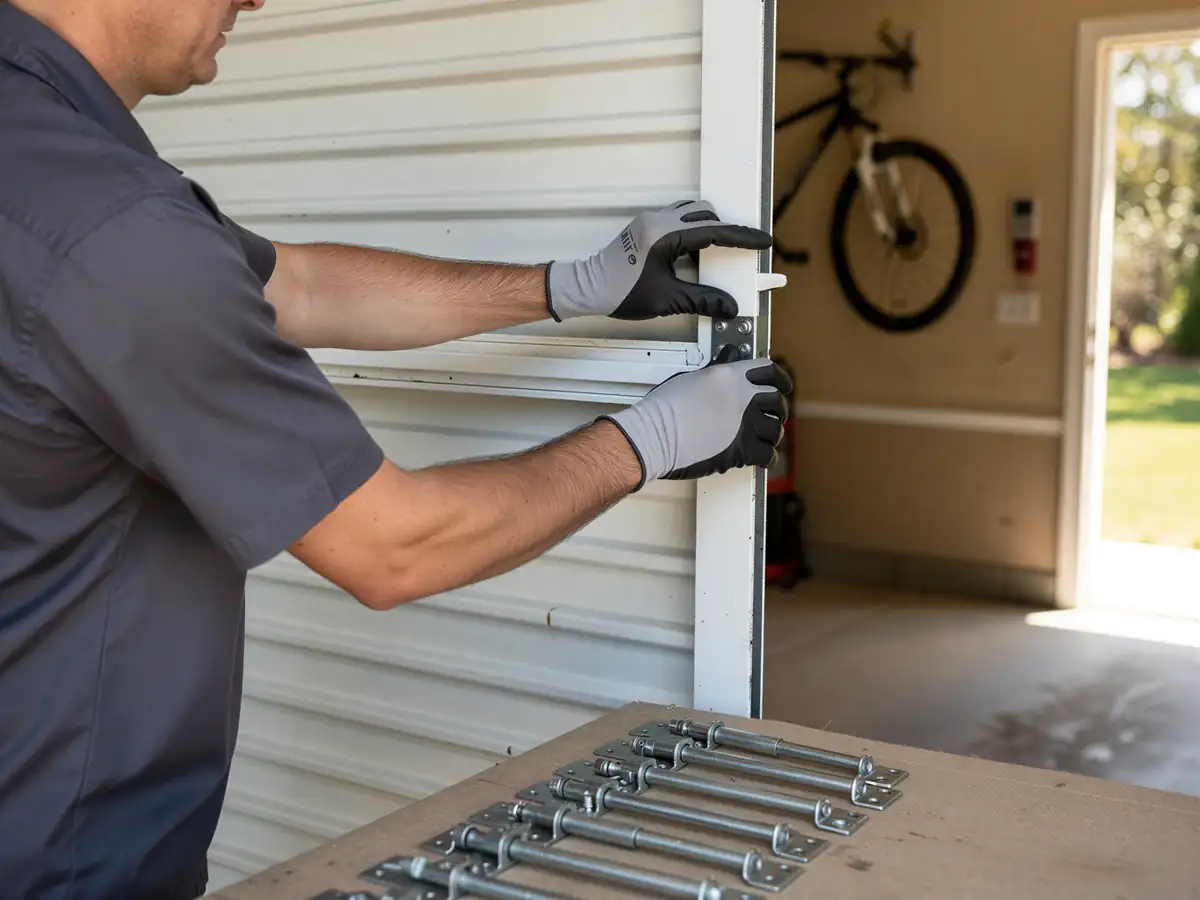
What You Are Seeing
Start with the number that actually decides this job: median household income in Zephyrhills West sits at $49,315, lower than the $63,145 median across the wider service area. That gap matters because panel replacement sits right at the edge of the repair-or-replace line, and at this income level, a full door swap is a harder sell than it is in the higher-income pockets nearby. Most homeowners here want the dented or cracked panel fixed, not the whole door redone.
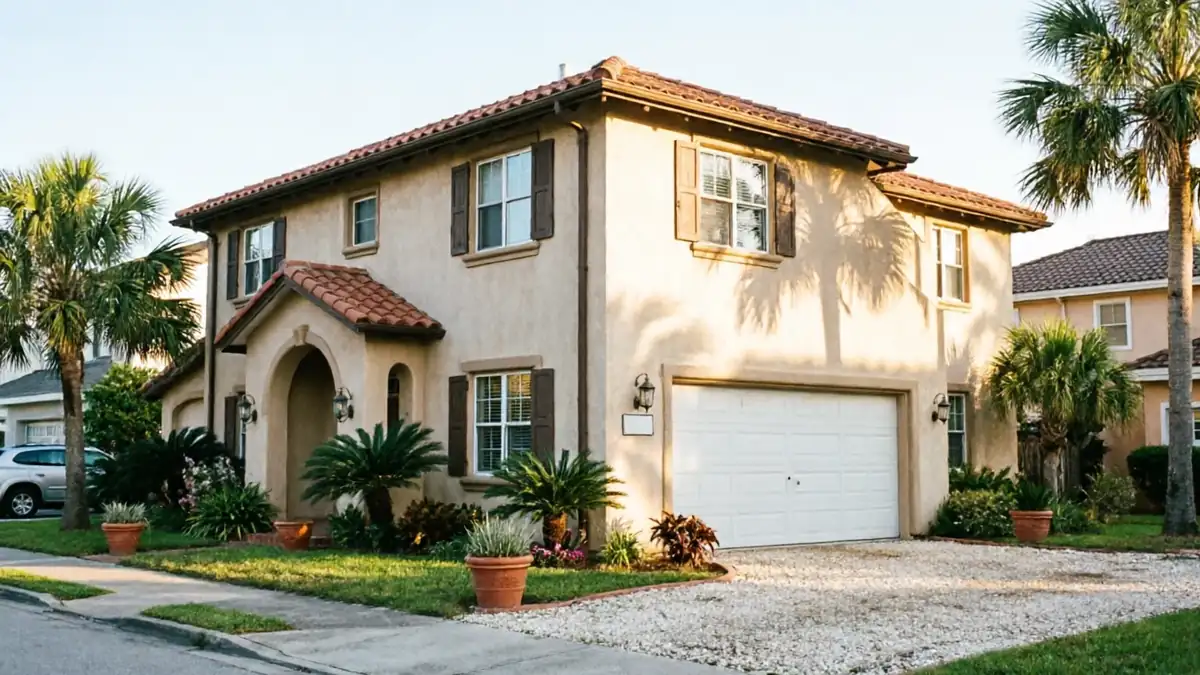
The housing stock backs this up. Zephyrhills West has a median build year of 1981, a bit older than the broader area's 1988 median (built mostly 1970 through 2005 across 24 named areas). Doors from that era often came in steel panel widths and profiles that current manufacturers have since changed or dropped. A dent from a backed-up trailer, a cracked seam from age, or a bowed bottom panel from years of sun and rain in this mild temperate climate - these show up as single-panel damage, not whole-door failure, which is exactly the kind of job panel replacement is built for.
If the damage is limited to one or two panels and the rest of the door and its hardware are sound, you are usually not looking at a full unit swap.
Booking a Visit
Wesley Chapel Garage Door Pros covers Zephyrhills West from Wesley Chapel, about 7 miles out - closer than Zephyrhills South or Zephyrhills proper, a bit farther than Pebble Creek at 4 miles. There's no branch office sitting in Zephyrhills West itself, so the crew comes from Wesley Chapel for every call.
When you book, the first question is going to be the make and model of the door, or at least a close photo of the damaged panel and the track hardware next to it. For doors from the early 1980s, that photo does real work - it tells the crew whether the panel section is still something a supplier carries or whether the match has to come from a salvage source or a different approach entirely.
Have the household's address and a sense of how many panels look affected before you call. One dented panel on an otherwise straight door is a different visit than three warped panels on a door that's racking in its track.
What the Fix Involves
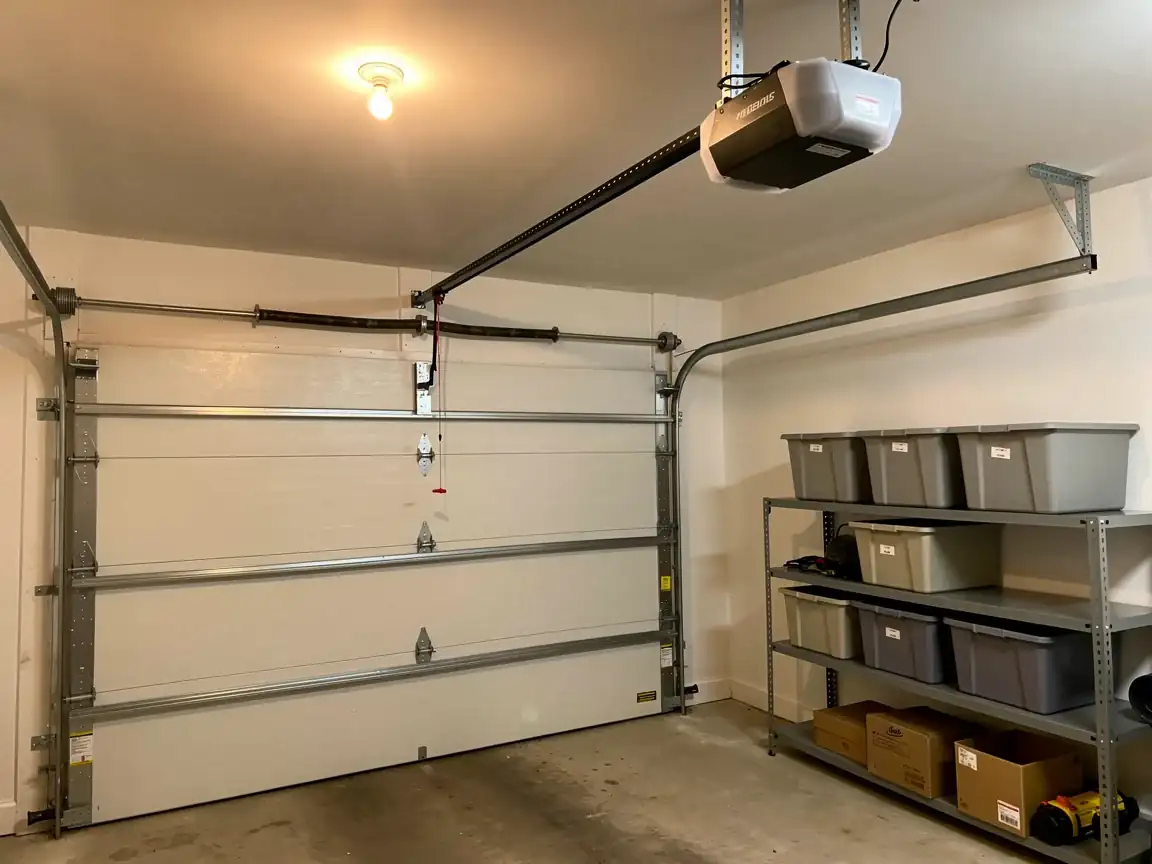
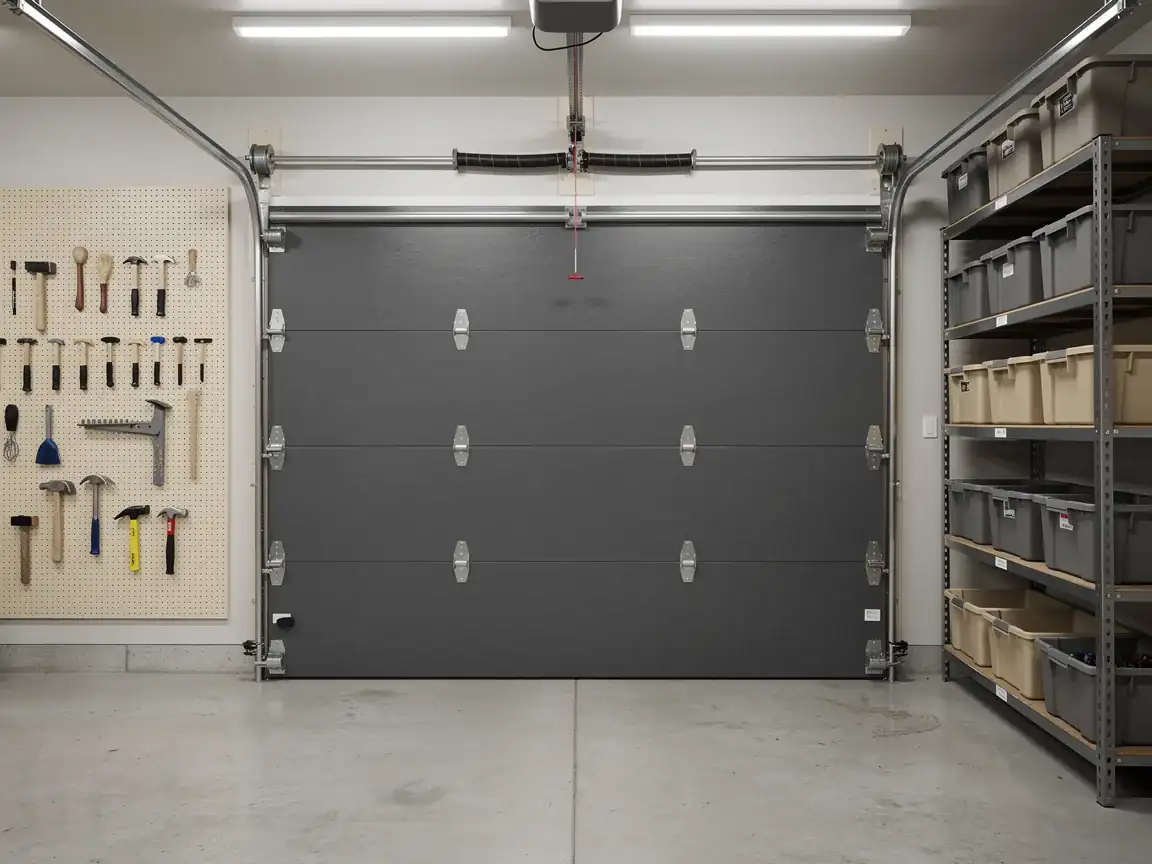
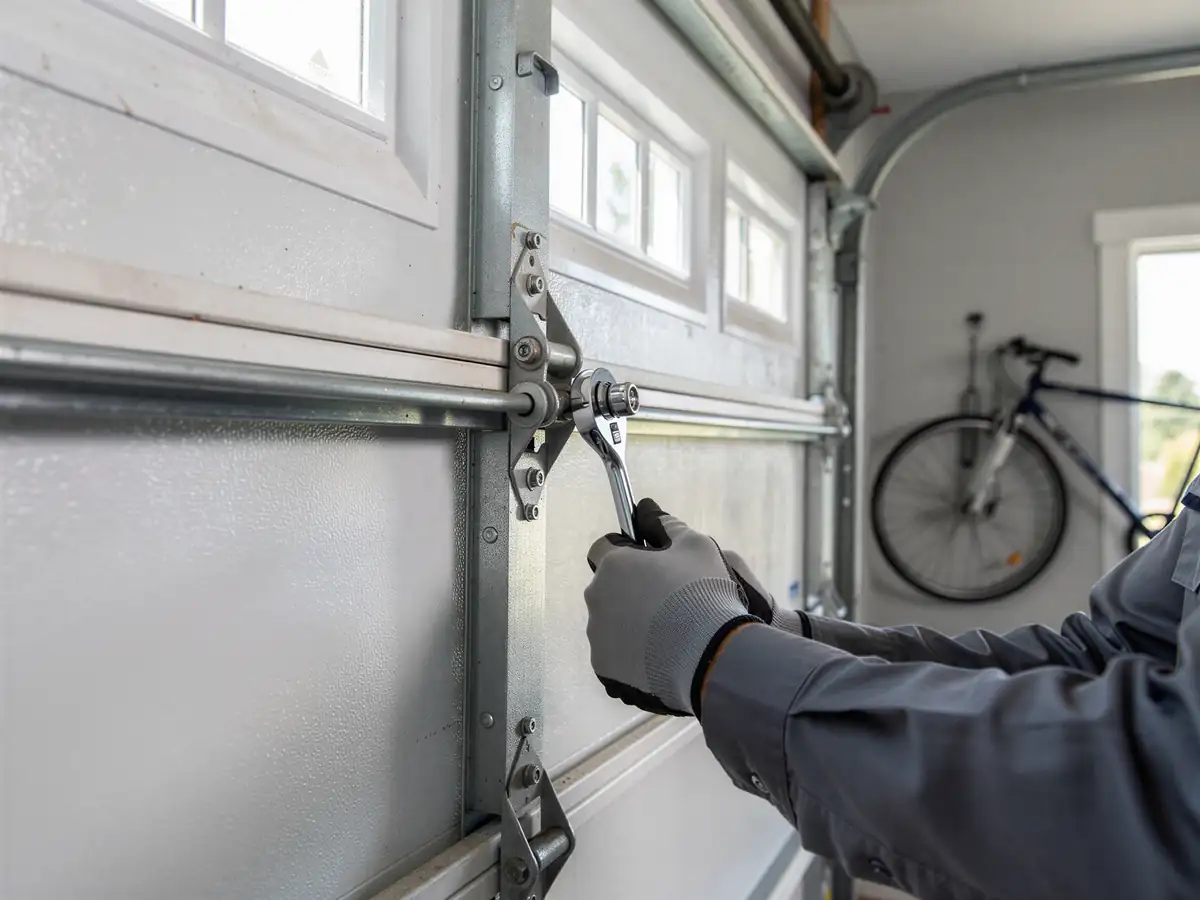
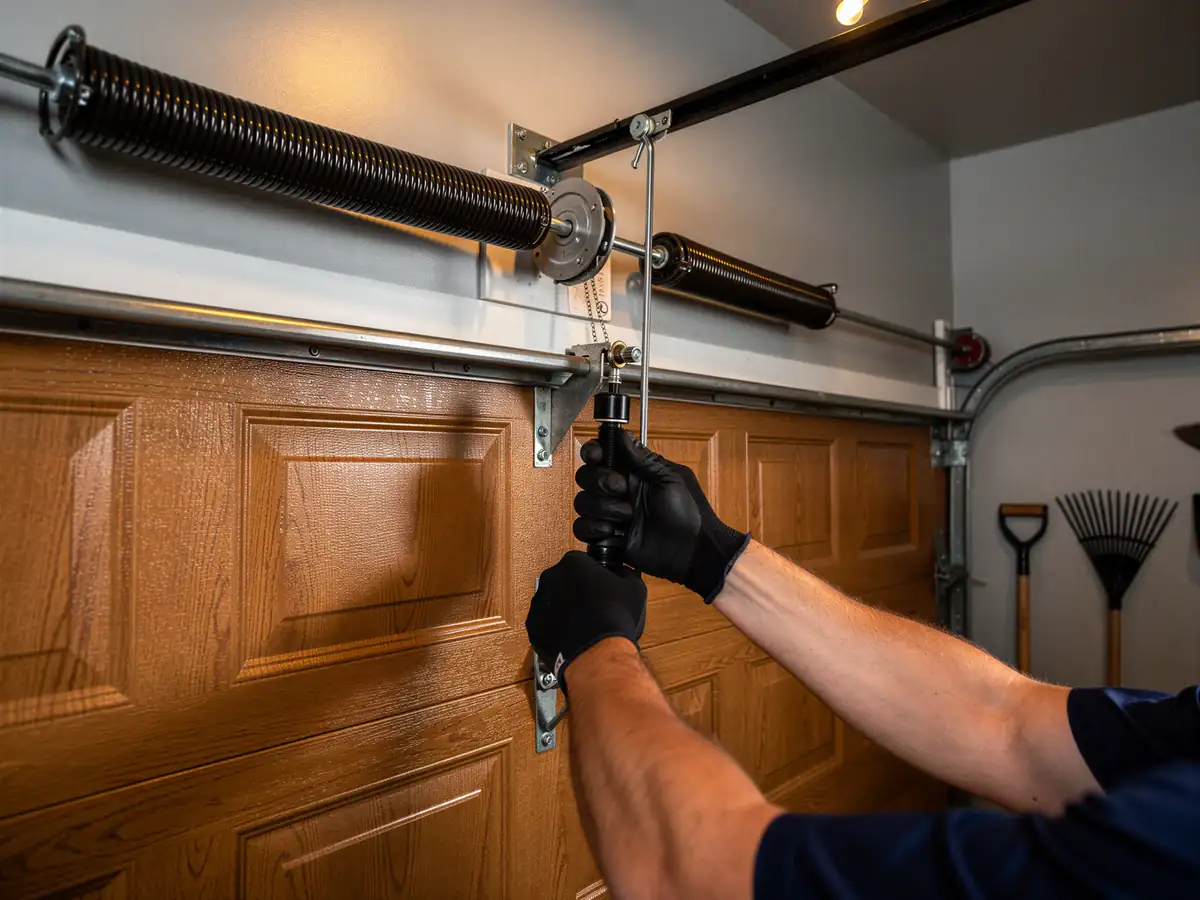
Panel replacement means pulling the damaged section out of the door without disturbing the torsion spring system
Then setting in a matching or close-matching panel and reconnecting it to the stiles and hinges. On a sectional door, this is panel-by-panel work - the rest of the door stays in place.
The tricky part on a 1981-era door is finding a panel that actually matches the width, the ribbing pattern, and the color
Original steel colors from that period have usually faded enough over 40-plus years in this climate that an exact match isn't realistic anyway - most owners end up accepting a close color and moving on, or repainting the whole door face once the new panel is in.
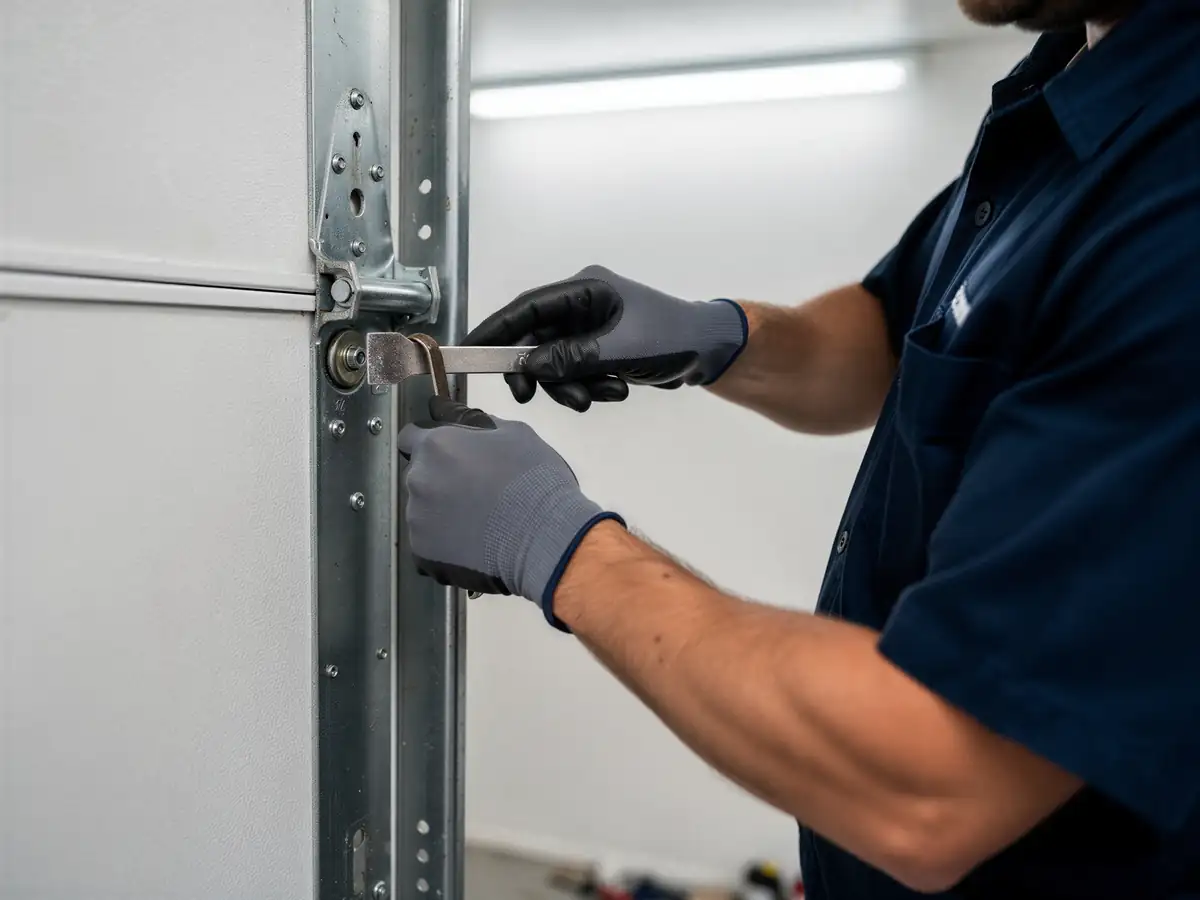
Hinges, rollers, and end hardware around the damaged panel get checked at the same time
Since a panel that's been dented for a while can bend the hardware bolted to it. If that hardware is worn or bent, it gets swapped along with the panel - there's no point putting a new panel on bad hinges.
The Cost of This Job
At a $49,315 median household income, the math on this job usually points toward panel repair over full door replacement, and that's the honest starting position for most calls out here. A single matched panel and the labor to set it is a smaller bill than a new door, new track, and new opener mounting all at once.
Where the cost moves is panel availability. If the door's panel profile is still in production, the part itself is the easy part. If it's an older or discontinued steel profile from the early 1980s building stock common in this area, sourcing adds time and sometimes cost - and in a few cases, a non-matching panel from a different run is the only option, which affects the finished look more than the function.
One honest limit here: if three or more panels on a door are damaged, or the door is racking badly in the track, panel-by-panel replacement stops making financial sense. At that point a full door replacement is usually the better use of the money, and the crew will say so rather than patch a door that's going to keep giving trouble.
What Is on the Truck
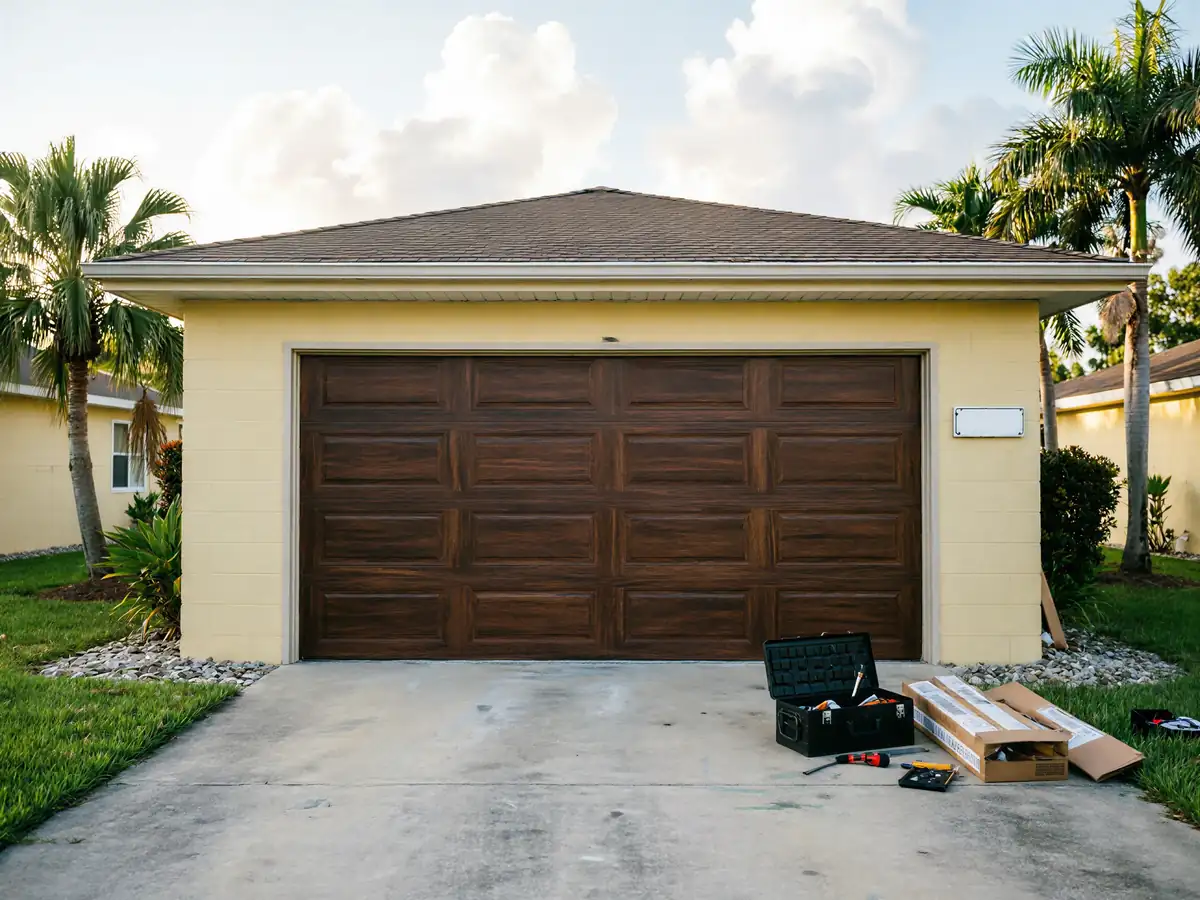
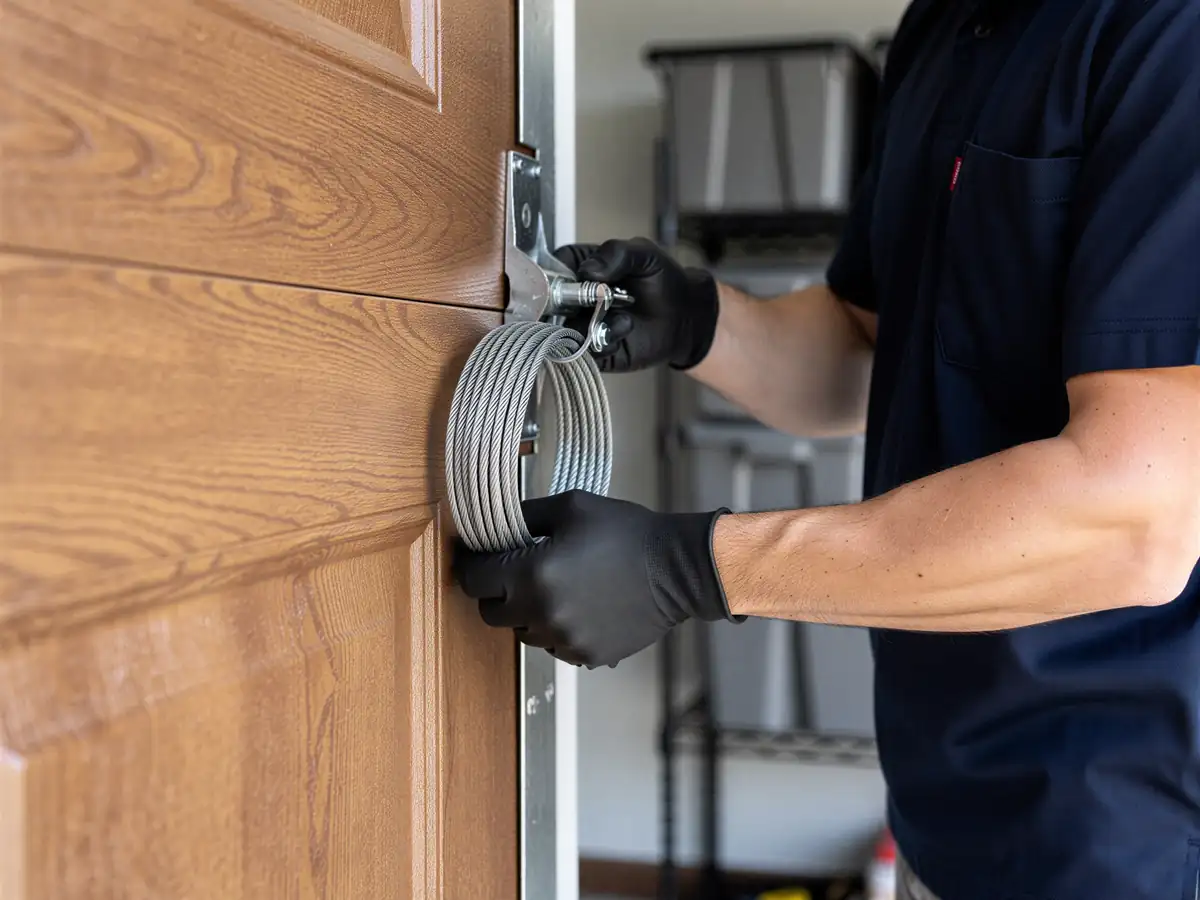
For panel jobs, the truck carries a stock of common steel panel sections in standard sectional widths, matching hinges, end stiles, and the fasteners to set them. What it does not carry is an exact match for every discontinued profile from a door built around 1981 - that part sometimes has to be sourced before the second visit.
Rollers and hinge hardware get replaced as a matter of course when they're bent or pitted, since reusing damaged hardware on a new panel just moves the next failure down the road. The crew also carries basic alignment tools to check that the door tracks straight once the new panel is seated, because a panel that fits but sits slightly out of plane will bind against the rollers within a season.
What's not on the truck: full replacement doors for every model and color on the spot. Those get ordered once the panel route isn't viable, which is part of why the first visit focuses on diagnosis before anything gets quoted as a certainty.