What You Are Seeing
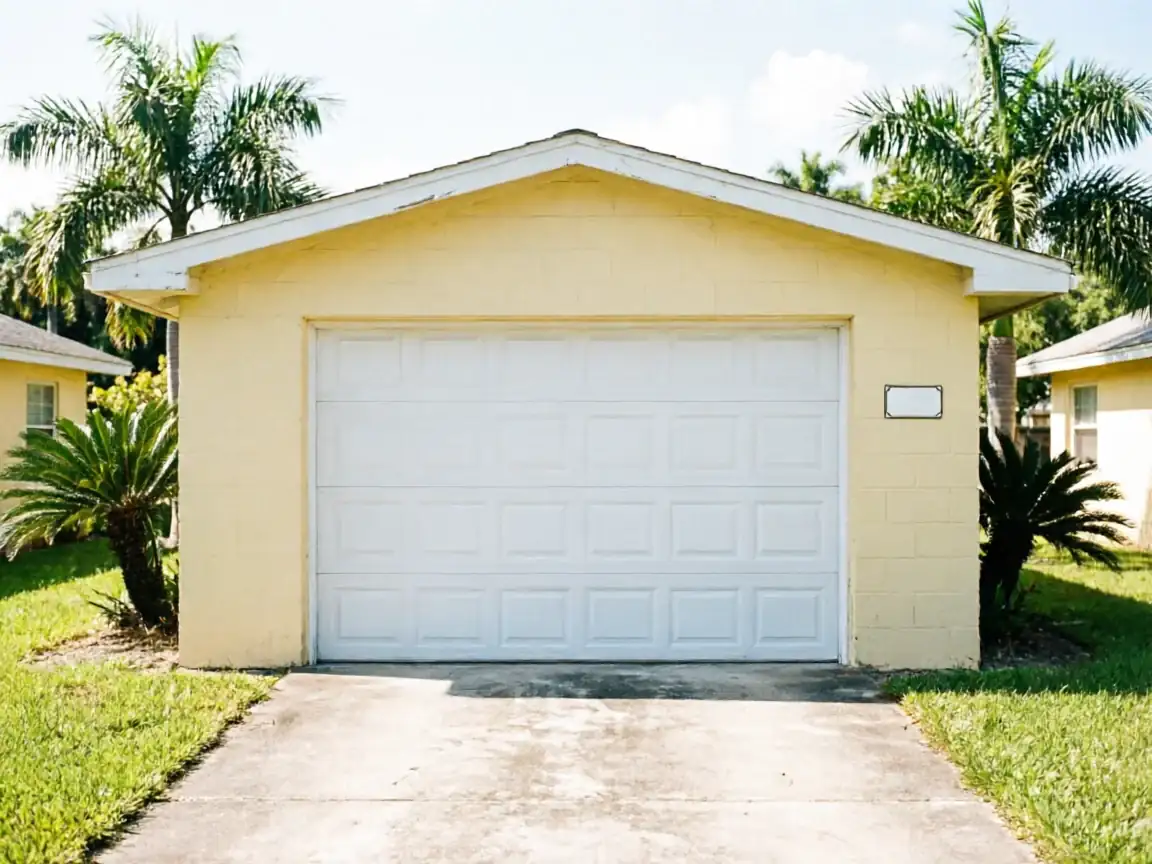
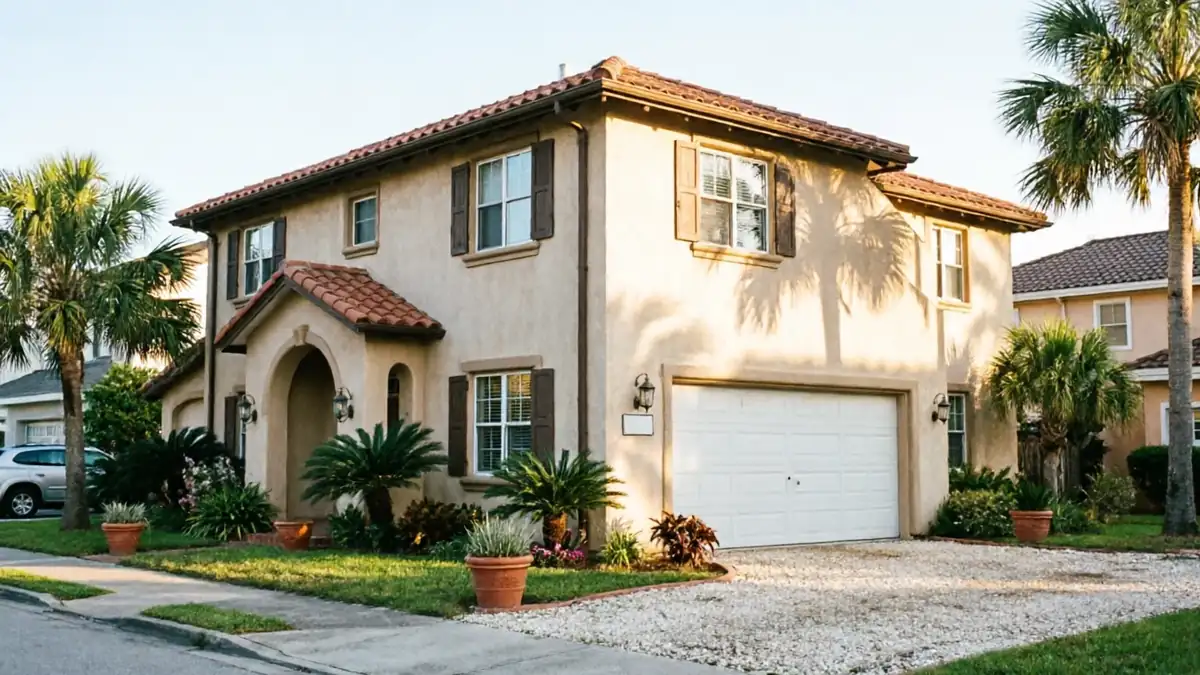
Zephyrhills West's houses carry a median build year of 1981, a good seven years ahead of the 1988 median across the wider service area we cover from Wesley Chapel. That gap matters more than it sounds. Doors and openers installed in the early-to-mid 1980s are now on their second or third spring, sometimes their first if nobody's touched the garage since the house changed hands. A torsion spring is rated for a number of open-close cycles, not years, but houses of this age have usually burned through that rating regardless of how the owner used the door.
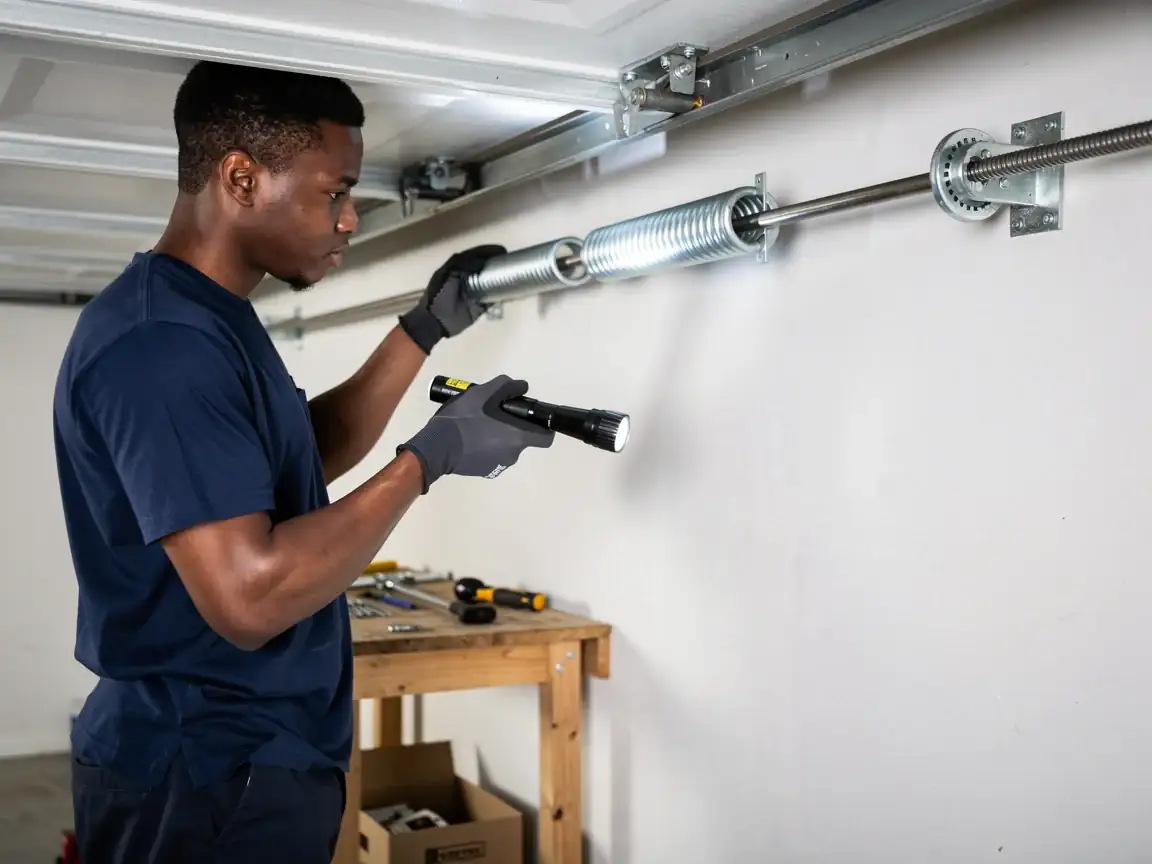
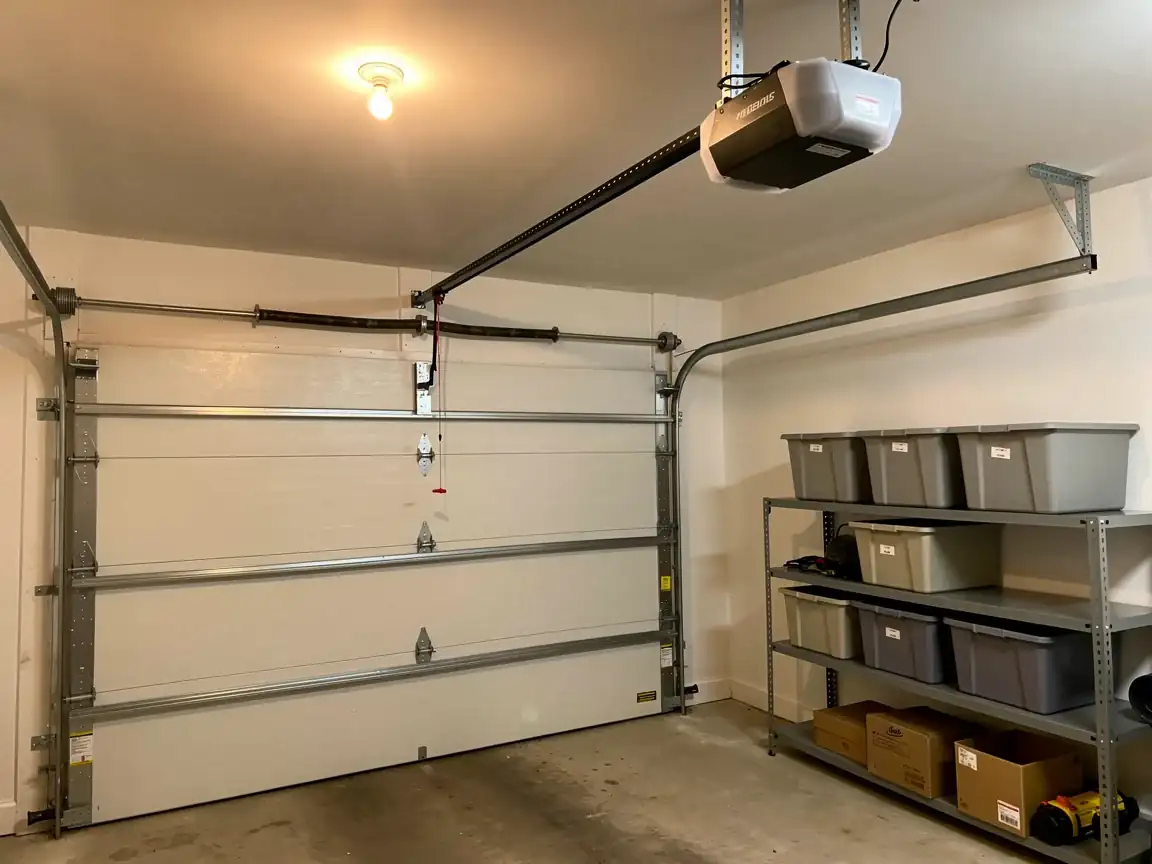
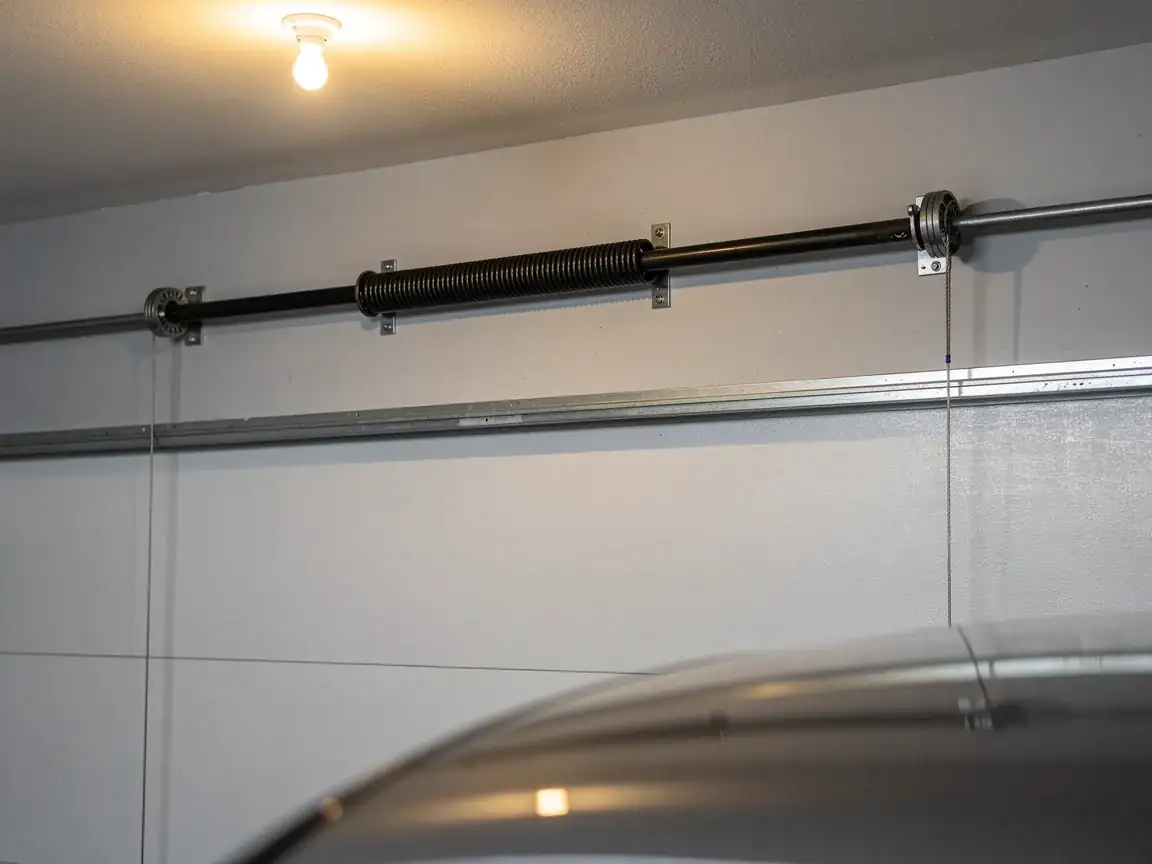
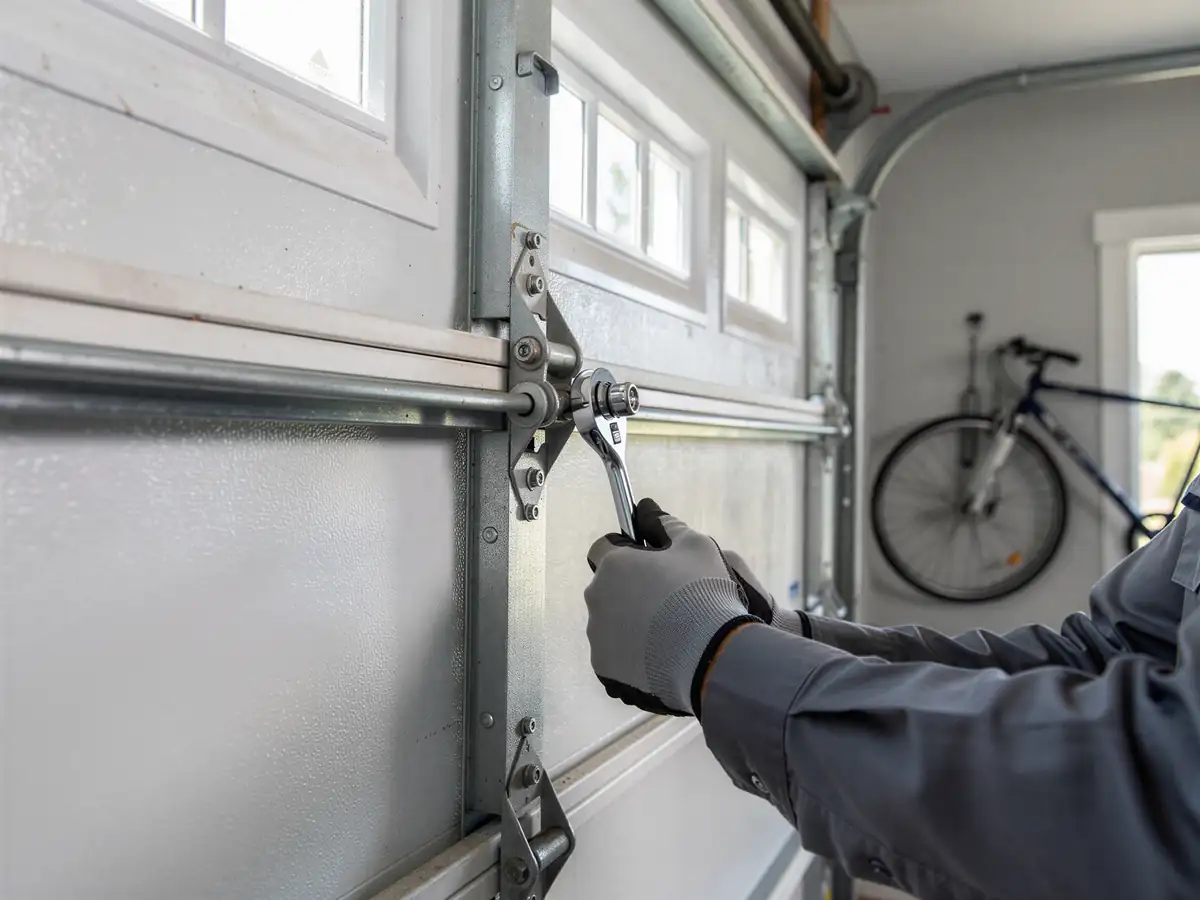
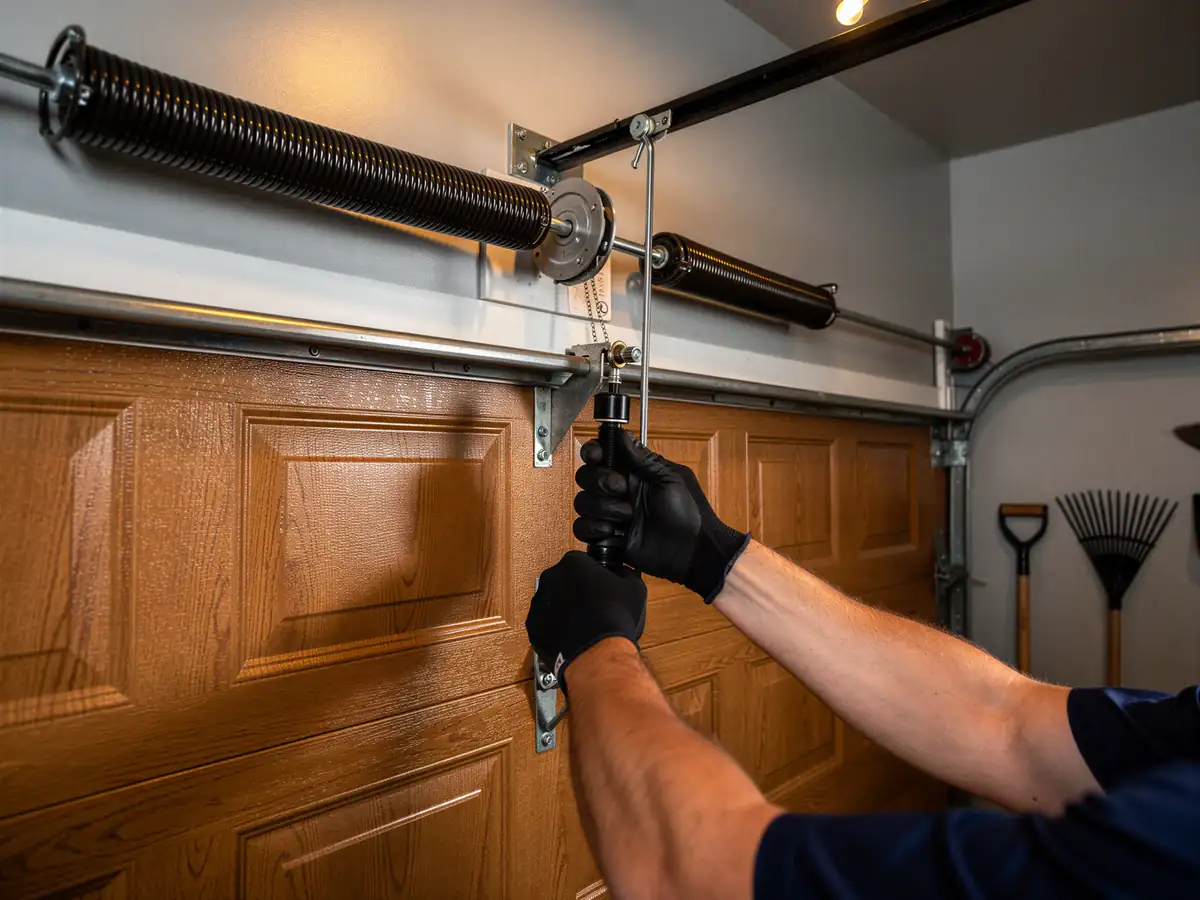
What you're likely seeing: a door that won't lift, or lifts crooked and bangs one side of the frame. On older torsion setups that's almost always the spring, not the opener - the motor is just reporting the resistance it's fighting against. Some of these houses still run the single-spring configuration common to that build era, which means less redundancy than a newer double-spring setup. If one spring goes, the door is dead, not just stiff.
The mild temperate climate here doesn't accelerate spring wear the way freeze-thaw cycles do farther north, but it doesn't stop the metal fatiguing either. Age and use cycles still decide when a spring lets go.
Booking a Visit
We run this job out of Wesley Chapel, seven miles up the road from Zephyrhills West. There's no local branch or drop-off point here - a truck comes to you, which is the only way we do spring repair in this area. That distance doesn't change the work once we're on site, but it's worth knowing going in: we're not a same-block operation, we're a crew that drives out.
With 3,027 households in Zephyrhills West, this isn't a high-volume stop on the route the way some of the larger named areas are, so booking ahead rather than expecting a same-day drop-in gets you a more reliable slot. Tell us the door's symptom when you call - won't open, opens crooked, loud bang then nothing - and we'll bring the right spring weight instead of guessing on arrival. For houses from this build era, that usually means bringing options for a single-spring torsion setup rather than assuming the newer dual-spring standard.
What the Fix Involves
On a house built around 1981, we start by checking whether the torsion hardware is original or already been swapped
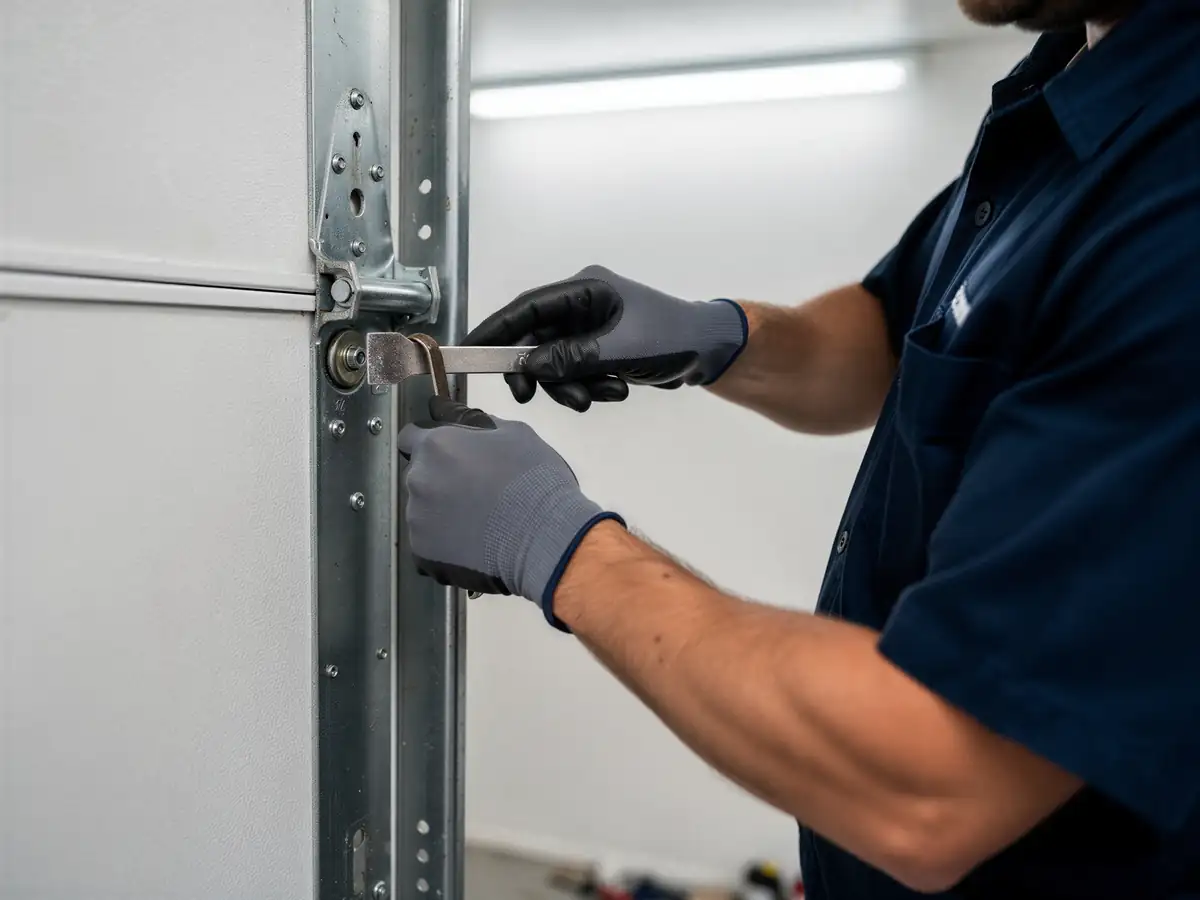
A lot of homes from this era still carry the original torsion tube and center bearing, and if that bearing's worn, replacing just the spring without addressing it means a return call. We measure the wire gauge, coil diameter, and length rather than eyeballing it against the broken half, because a mismatched spring either over-lifts and slams at the top or under-lifts and stalls the door halfway.
If it's a single-spring setup, we'll talk through whether to replace in kind or add a second spring for redundancy
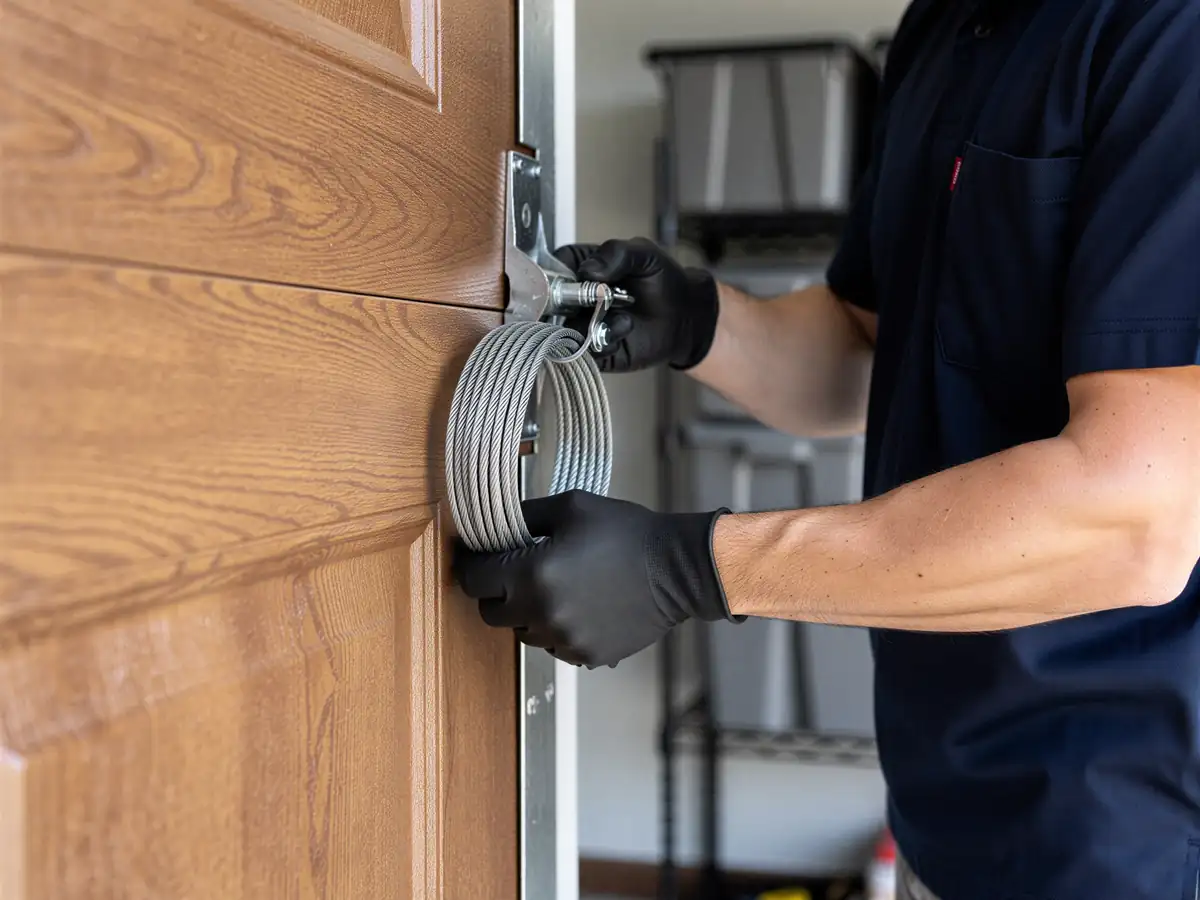
The house wasn't built with it, but it's a reasonable upgrade on a door this old. We always replace both springs on a pair rather than just the broken one, since the second is usually close behind it. Cables get a visual check at the same time, since frayed cable on an old drum often fails right after a spring job if it's ignored.
One limit worth naming
If the torsion tube itself is bent or the drums are cracked, that's a parts-order item, not a same-visit fix.
The Cost of This Job
Zephyrhills West's median household income sits at $49,315, noticeably below the $63,145 median across the broader service area. We mention that because it shapes a real decision homeowners here make more often than elsewhere: repair versus full door replacement. On a door from this build era with a worn spring and an otherwise sound frame and panels, a spring swap is almost always the cheaper, faster call, and it's what most houses here need.
We don't post a flat price for spring repair because wire gauge, spring count, and whether the center bearing needs replacing all change the parts cost. What we can tell you is that a single-spring repair on an original torsion setup costs less than converting to a dual-spring system, and both cost less than most people assume when the alternative - a new door - gets priced instead. If a technician on site finds damage beyond the spring, we'll quote that separately before doing anything, not after.
What Is on the Truck
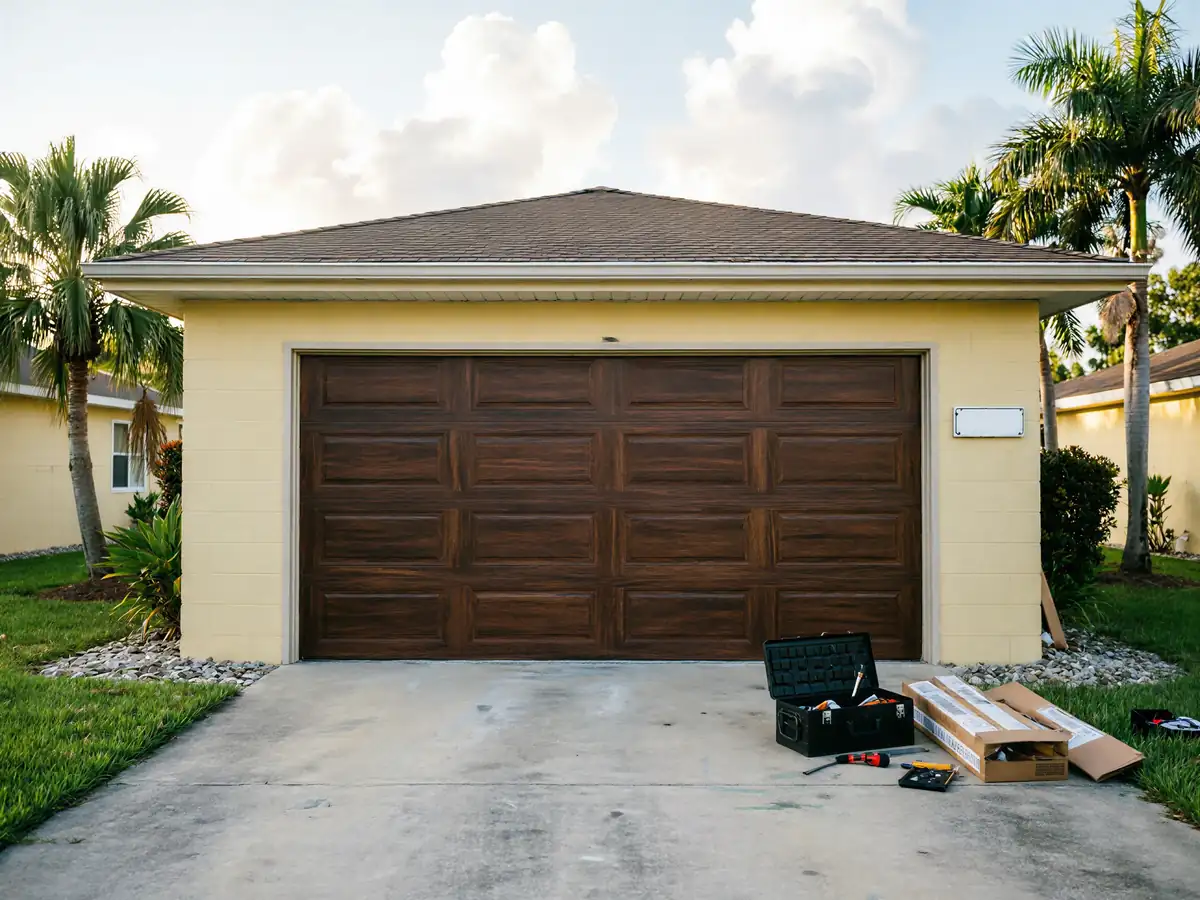
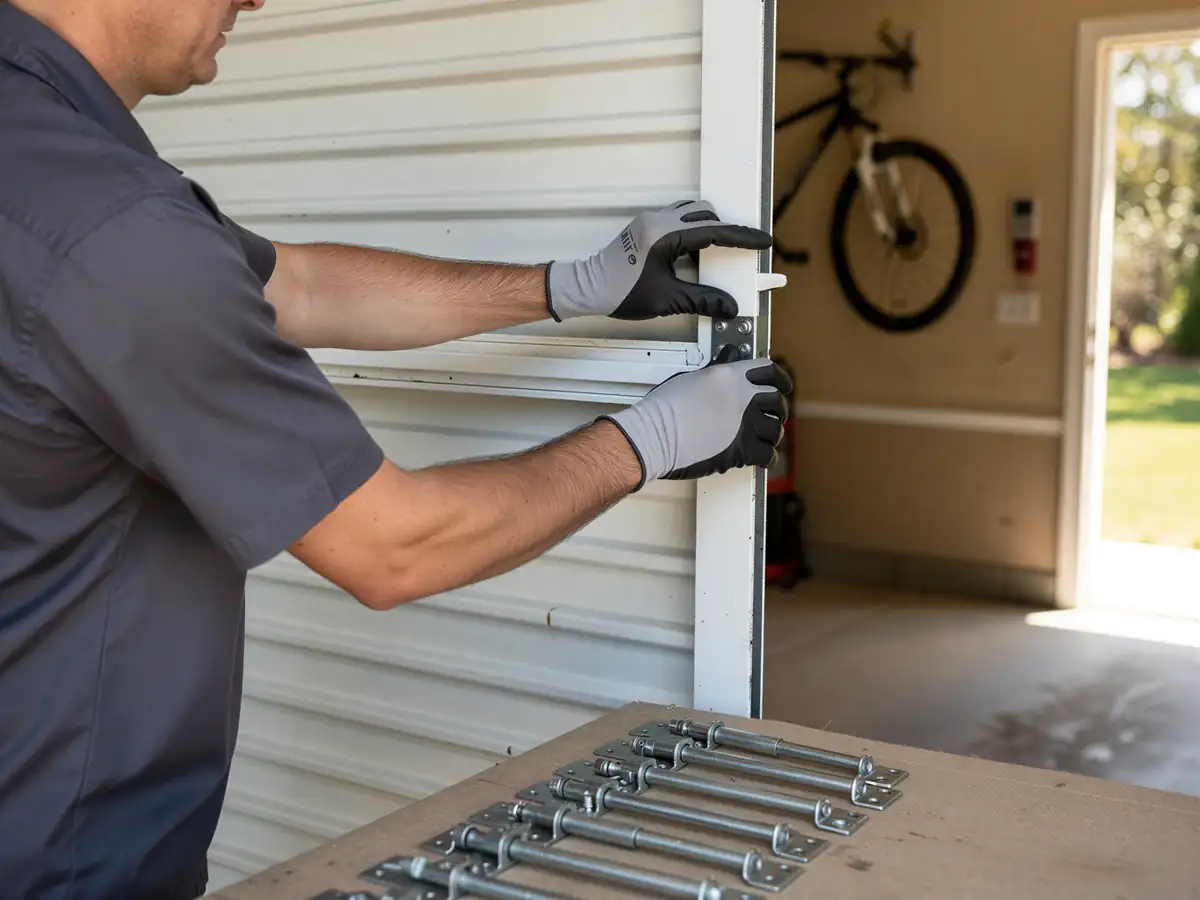
For a route that includes houses built mostly in the early-to-mid 1980s, we carry torsion springs sized for the older single-spring configuration as well as the newer dual-spring standard, since we don't know which one's behind a given door until we're there. We stock standard center bearings and drums too, since those tend to wear out on the same timeline as the spring on a house this age.
What we don't carry as standard stock: springs for unusual door widths or custom-order panels, which on an older build sometimes turn up where a previous owner widened an opening. Those get ordered once we've measured on site, and that's the one real lead-time gap in this job - everything else, a standard torsion spring replacement on a house from this era, we handle in one visit.