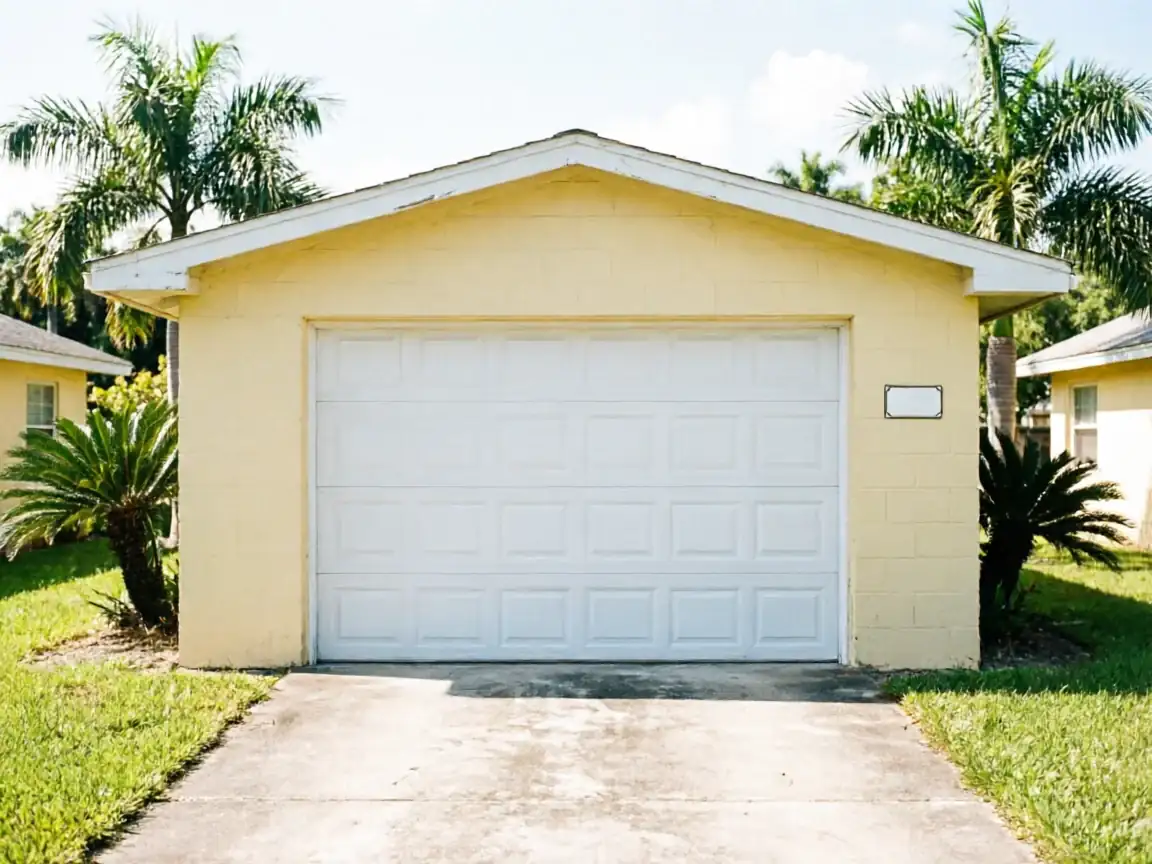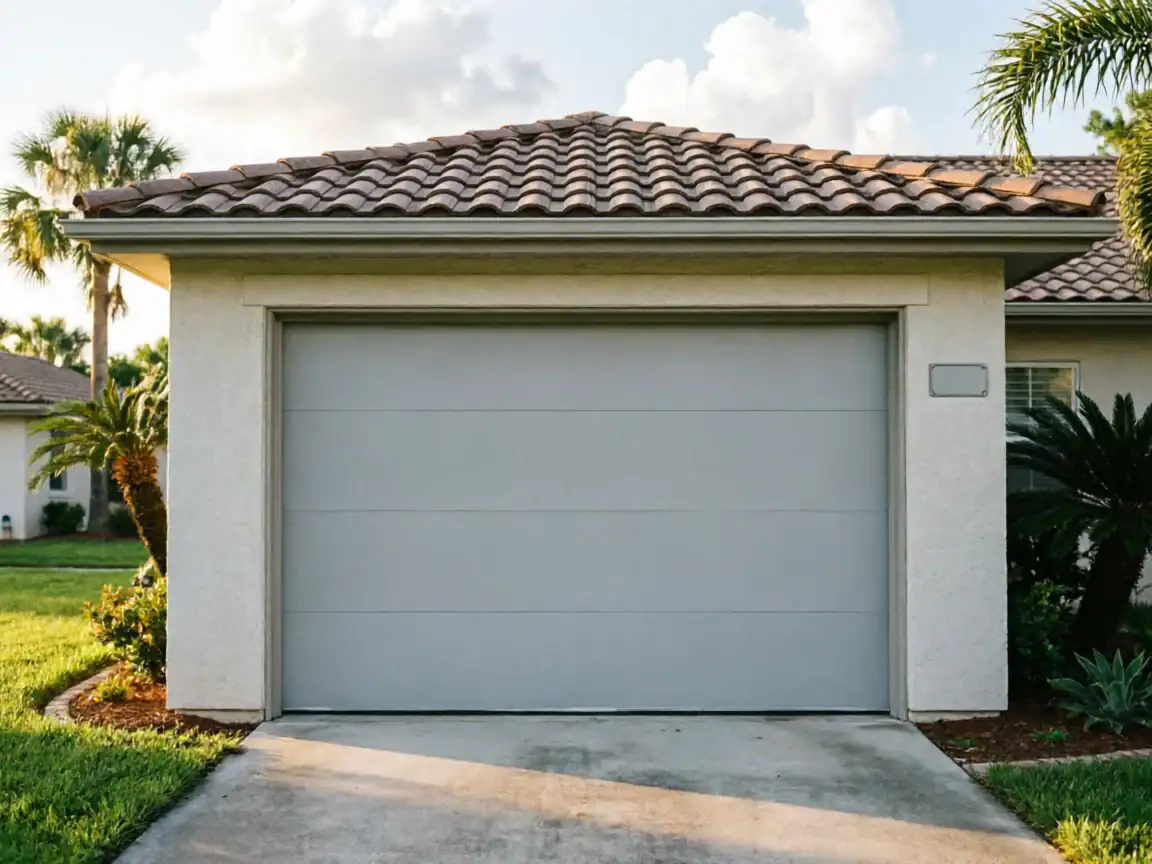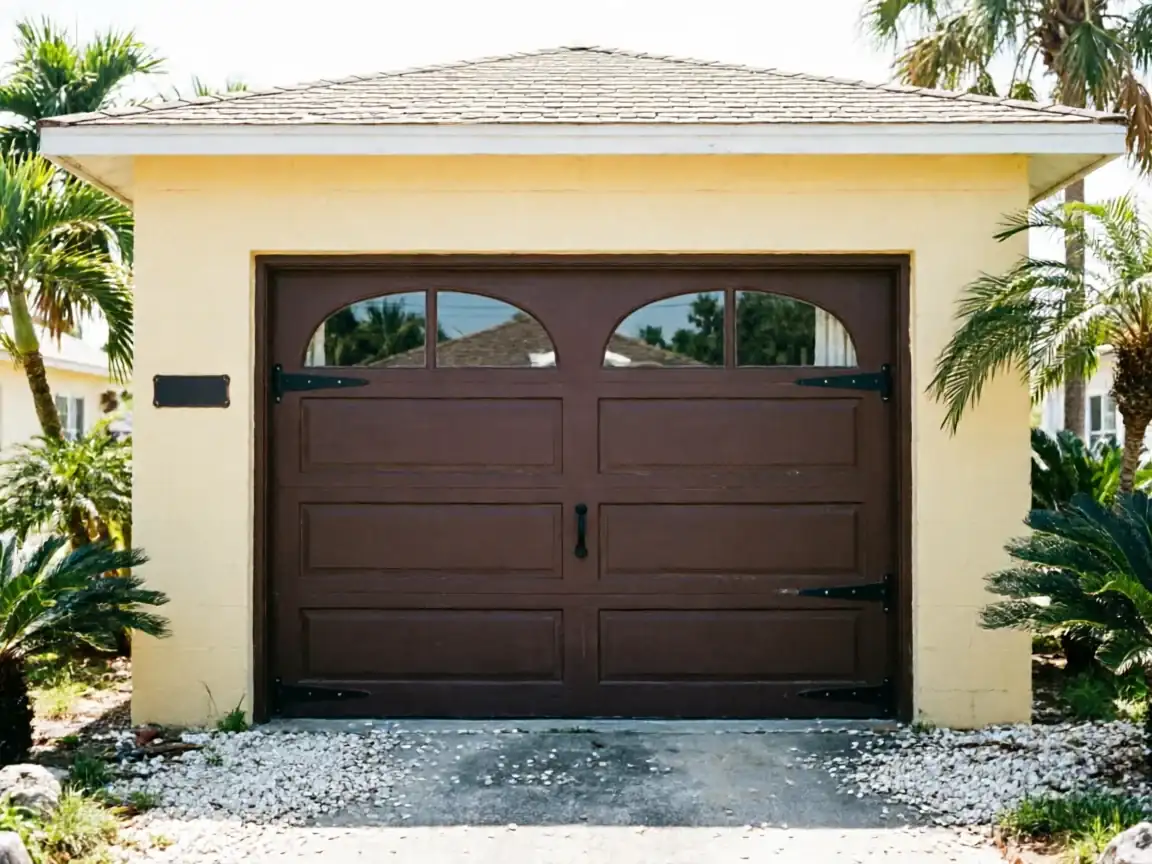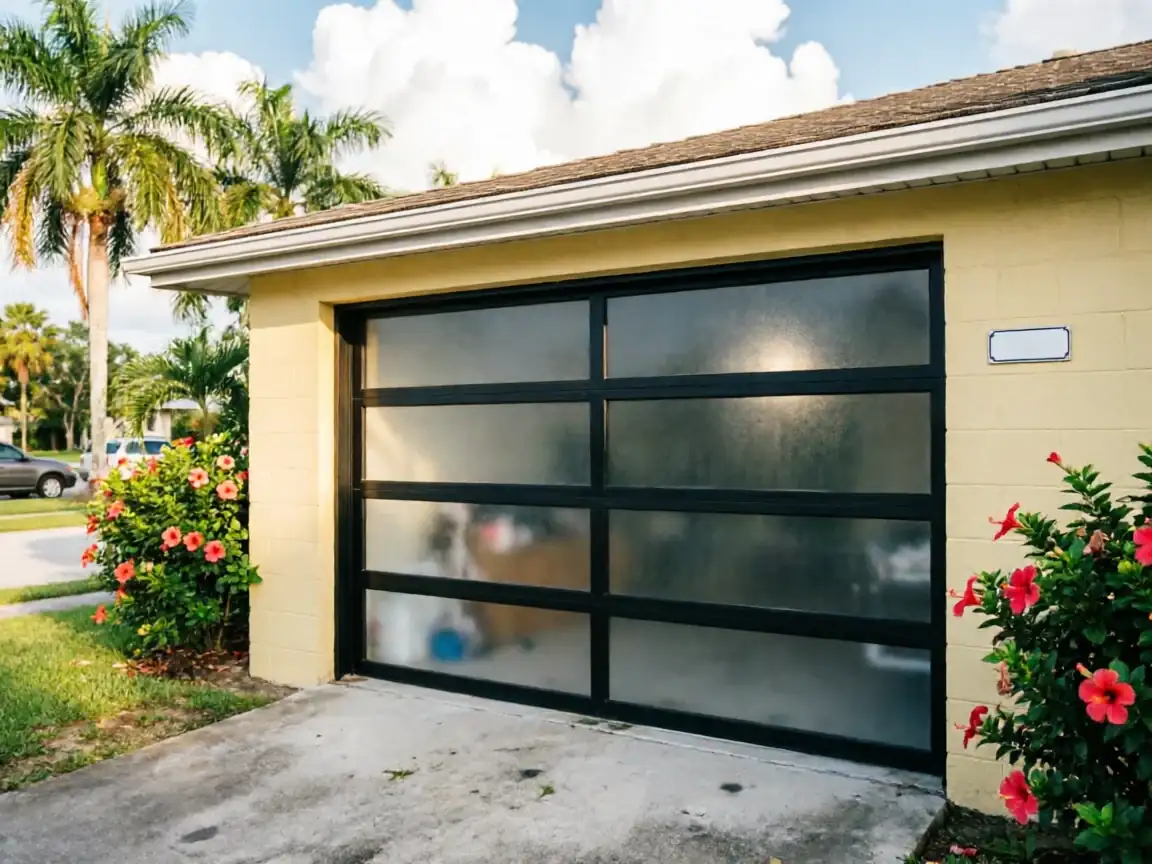
What Can Go Wrong
Across the wider service area we cover from Wesley Chapel, the housing stock runs 1970 to 2005 with a median build year of 1988. San Antonio sits a couple of years past that median, with most houses going up around 1990. That gap matters more than it sounds. A door and opener installed in 1988 is statistically more likely to still be running original hardware than one from 1990 to 1995, when a lot of builders switched opener brands and spring configurations mid-run. In San Antonio specifically, we see more households still on their second opener rather than the first - the originals from the early '90s build wave are mostly gone, replaced once already, and that second-generation gear is now the one failing.
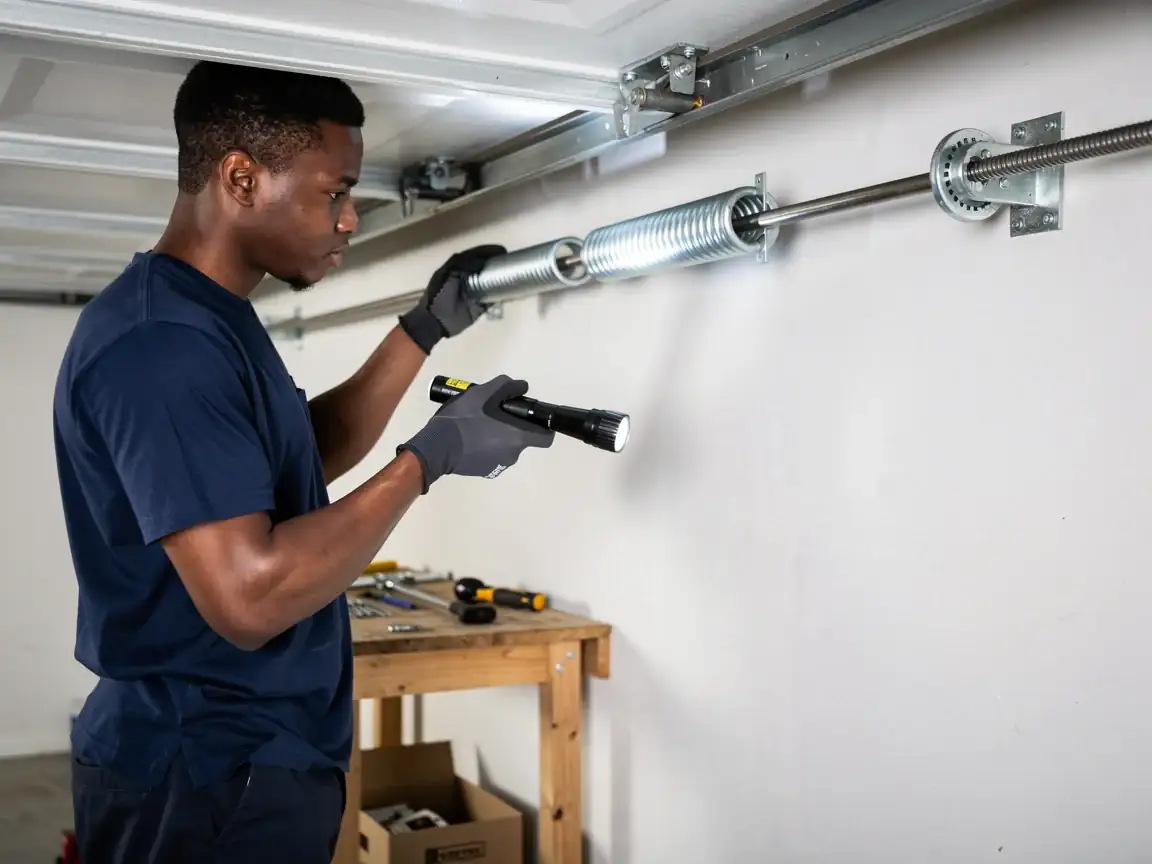
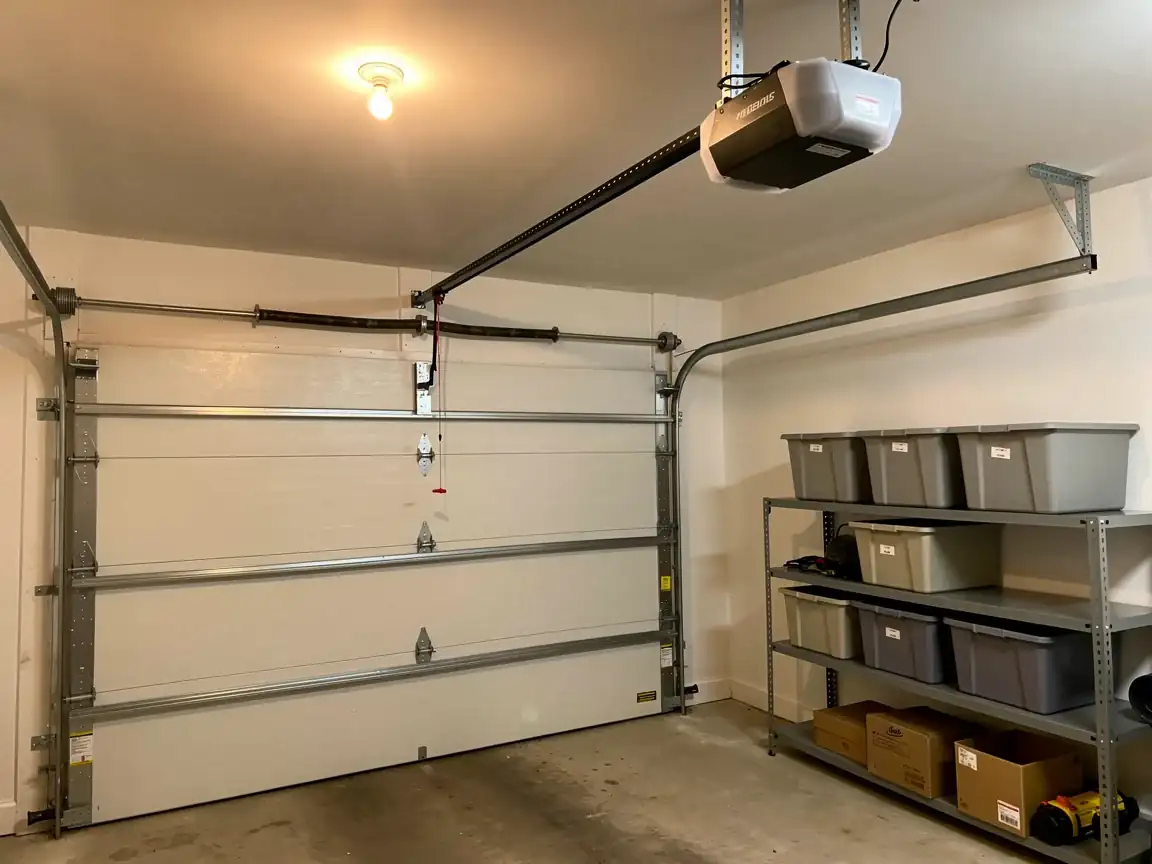
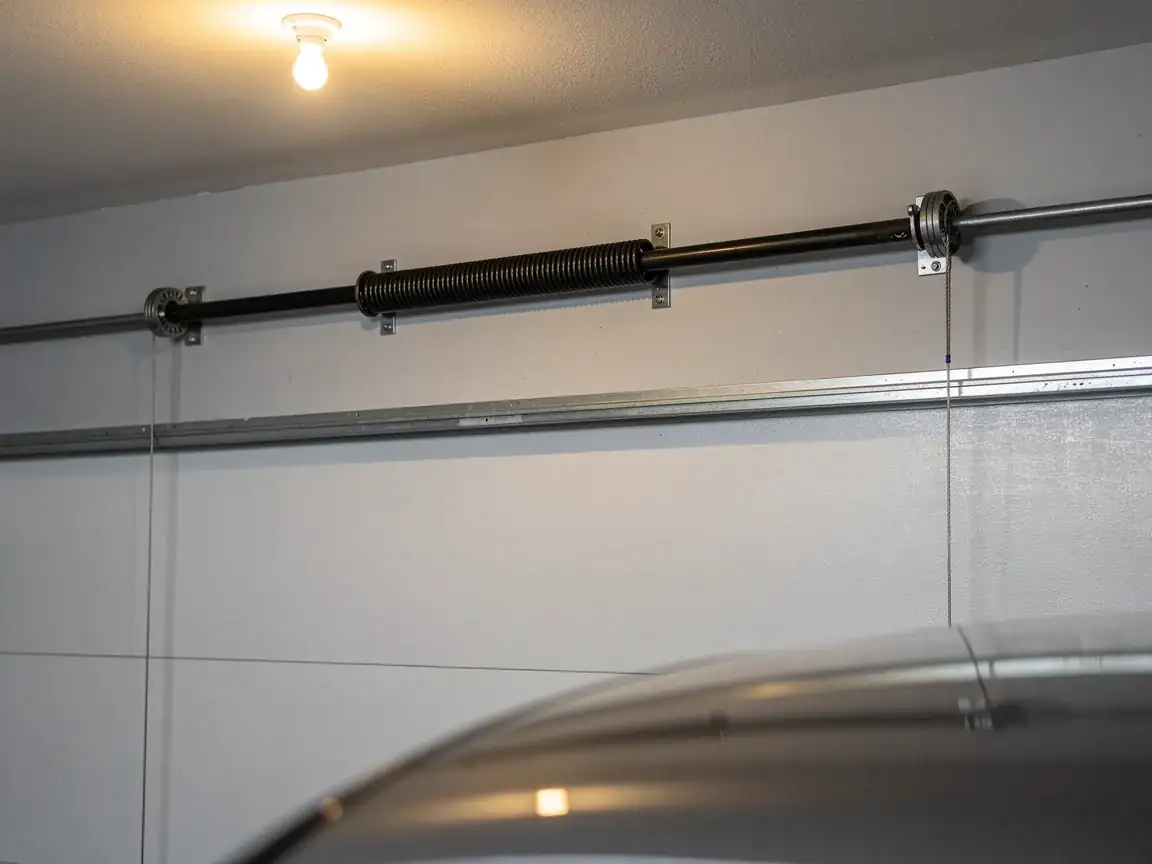
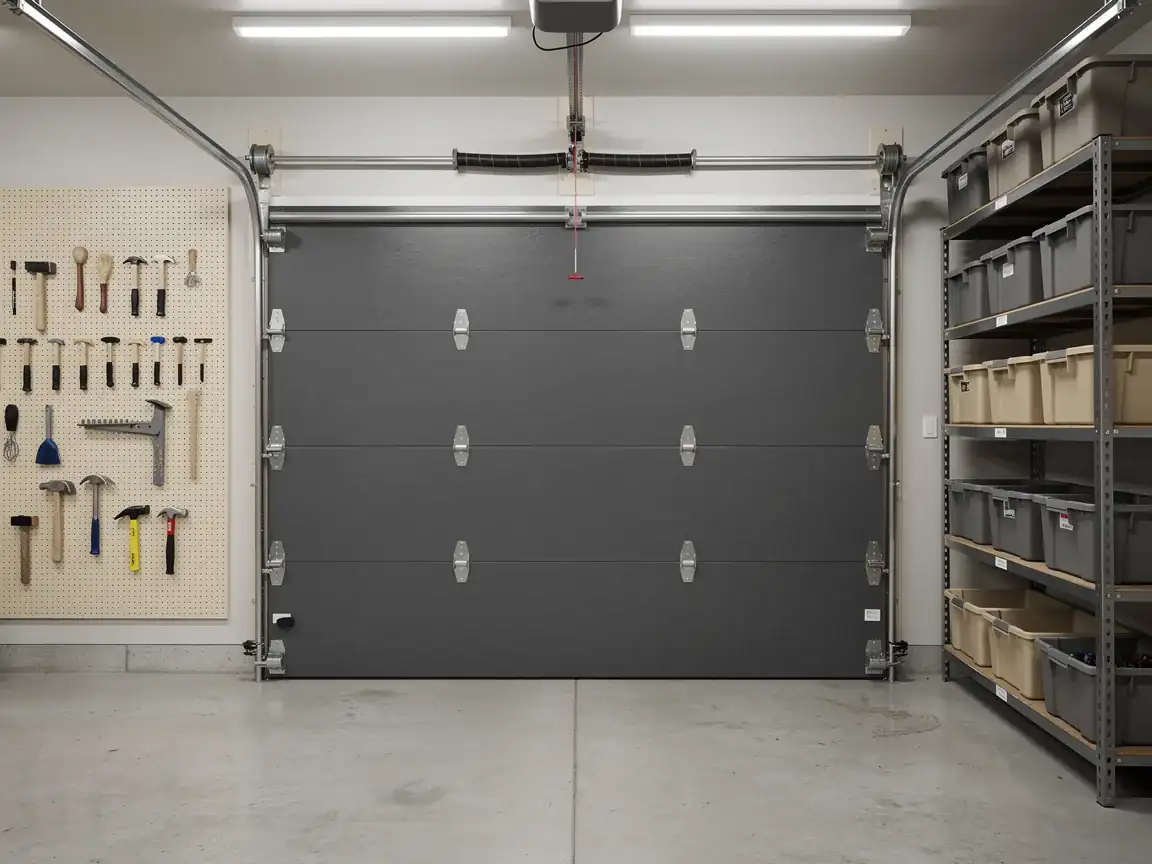
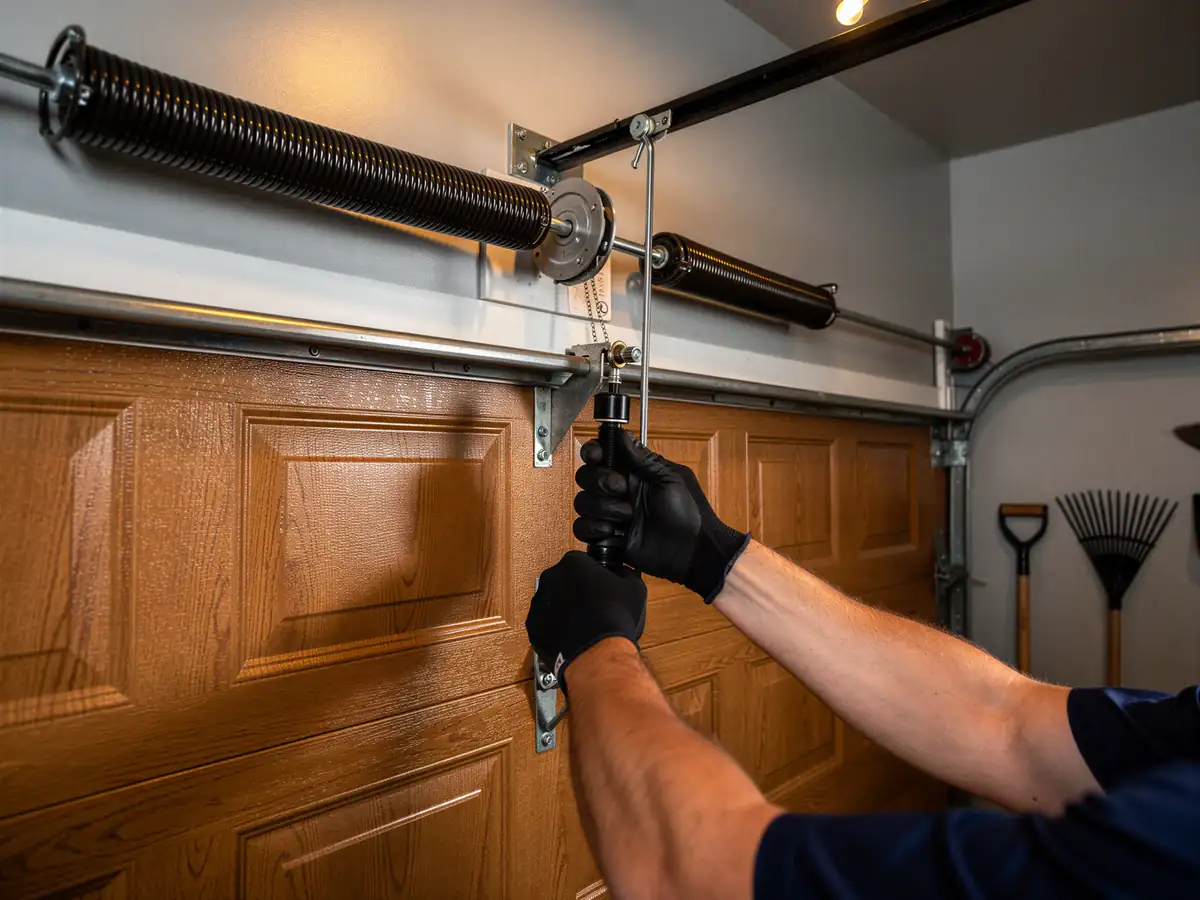
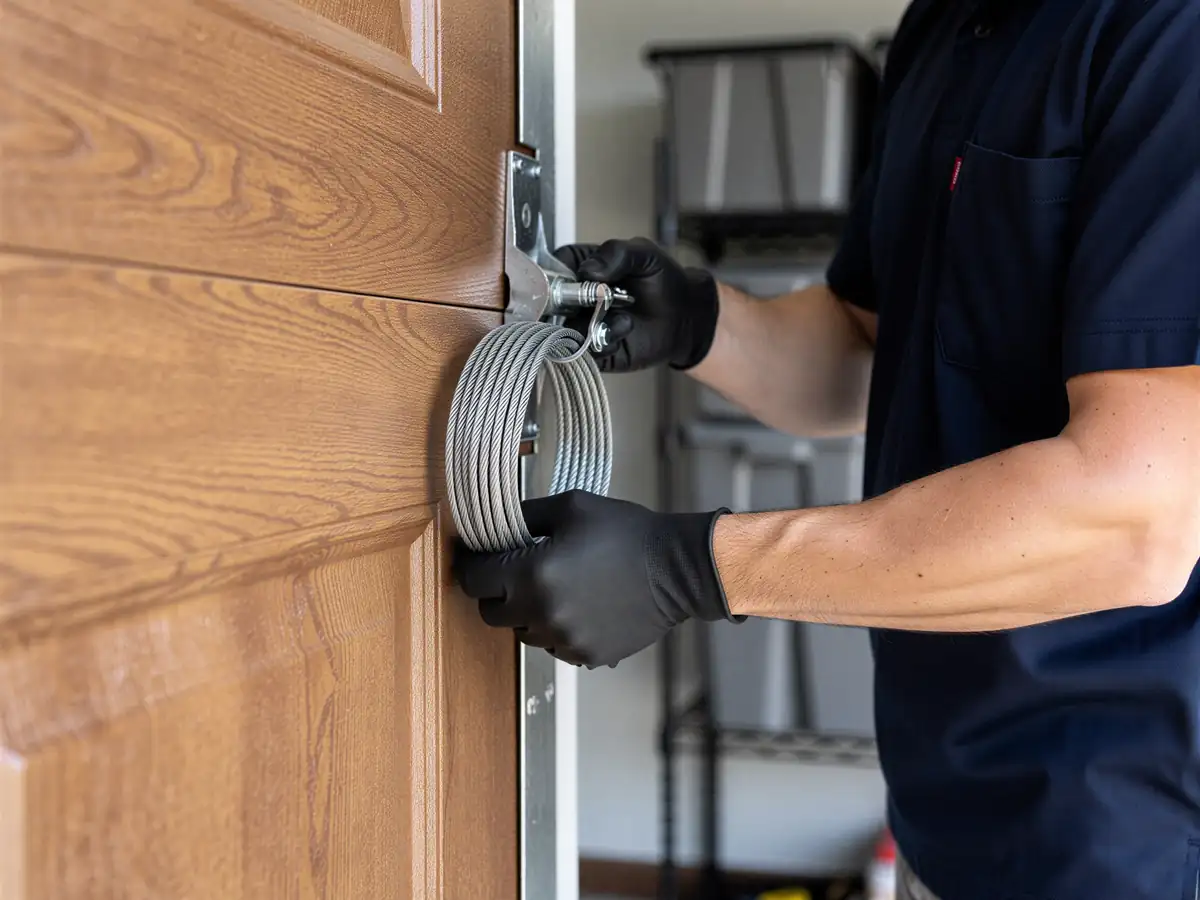
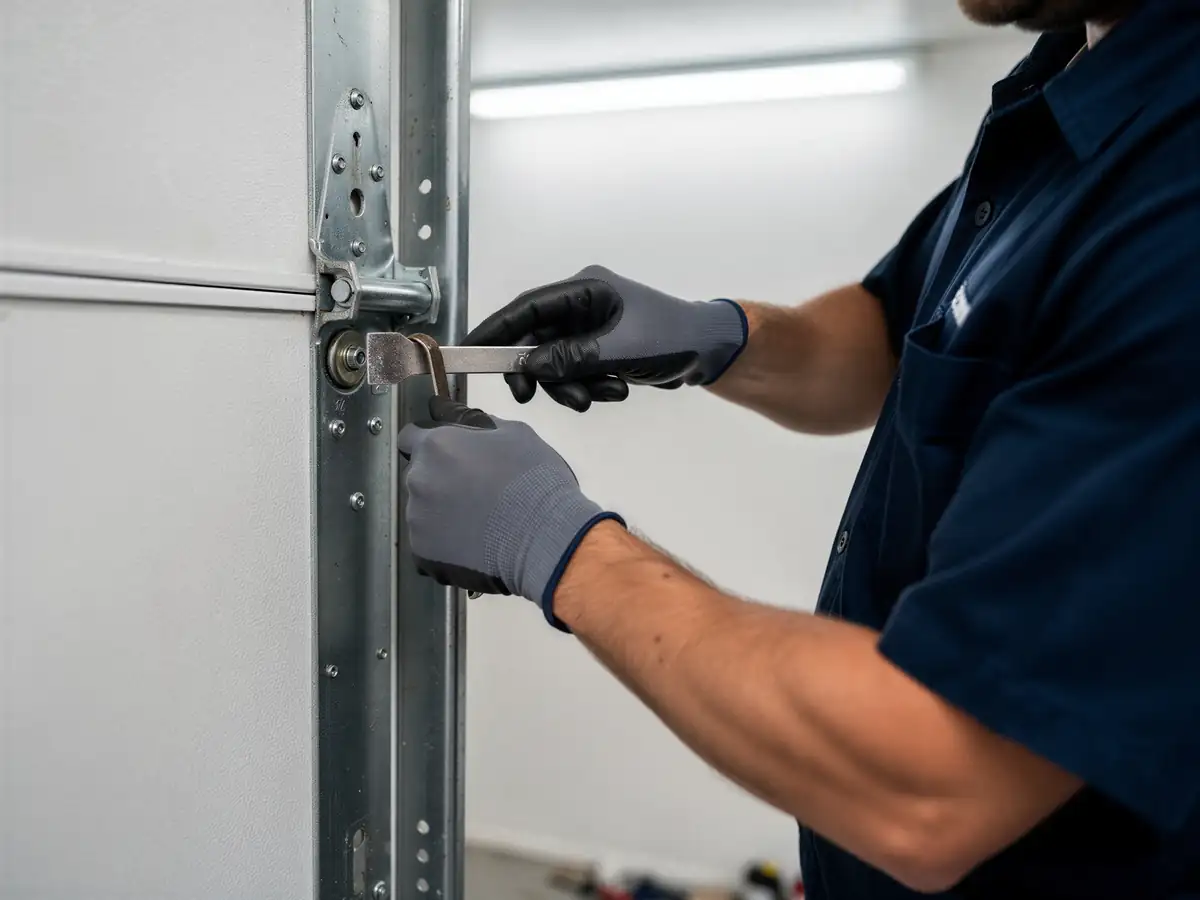
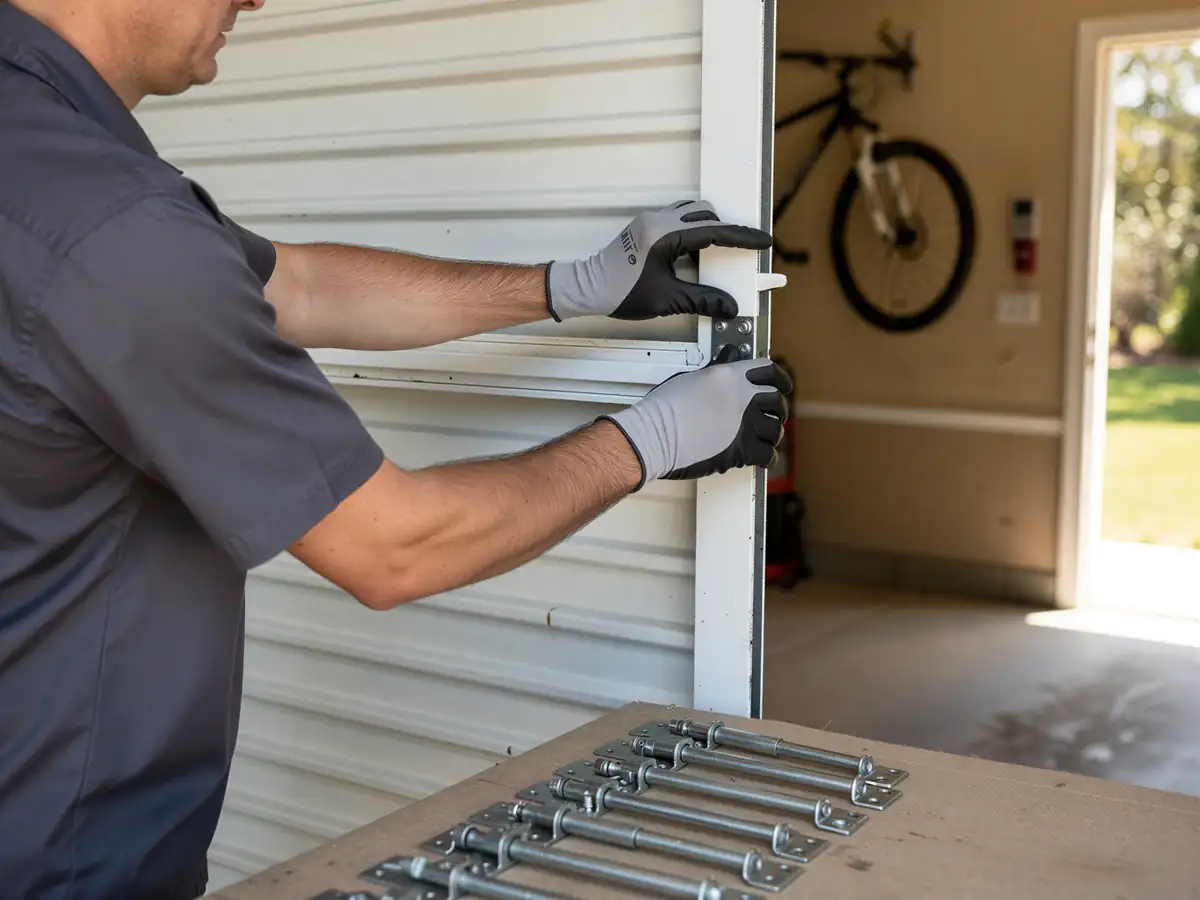
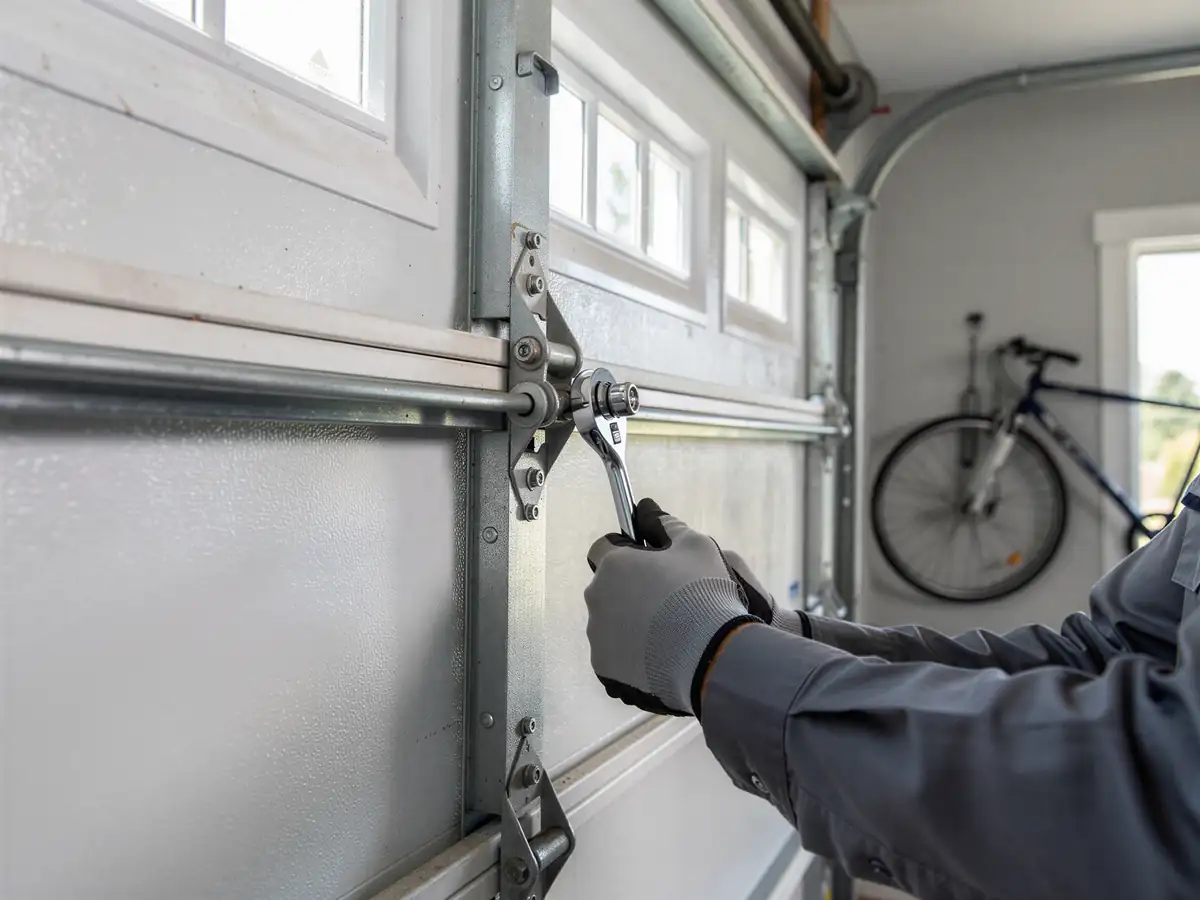
The common failures: torsion springs that have done 10,000-plus cycles and snap without warning, nylon rollers that have worn oval and started binding in the track, and photo-eye sensors knocked out of alignment by a bumped car or a stored bike. Panels on steel doors from this era dent more than they crack, which is usually a cosmetic problem, not a safety one - unless the dent is at a hinge point, where it starts pulling the track out of square.
Time on the Job
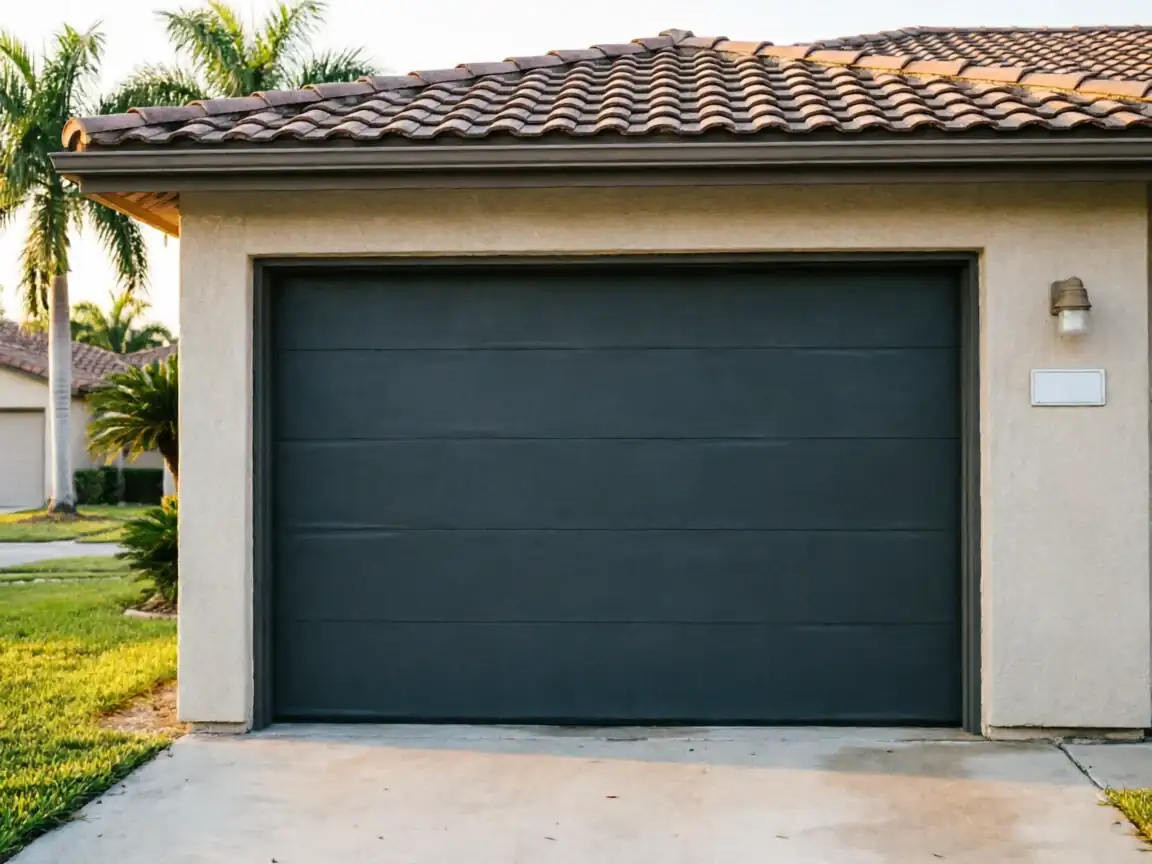
A straightforward spring replacement or opener swap on a San Antonio house usually runs shorter than the quote you'd get on an older home elsewhere in the service area, simply because the door and track are square and the mounting hardware hasn't been re-drilled by a prior repair. Houses built around 1990 generally still have their original jamb and header in good shape, which saves time compared to older homes where the opening itself has shifted.
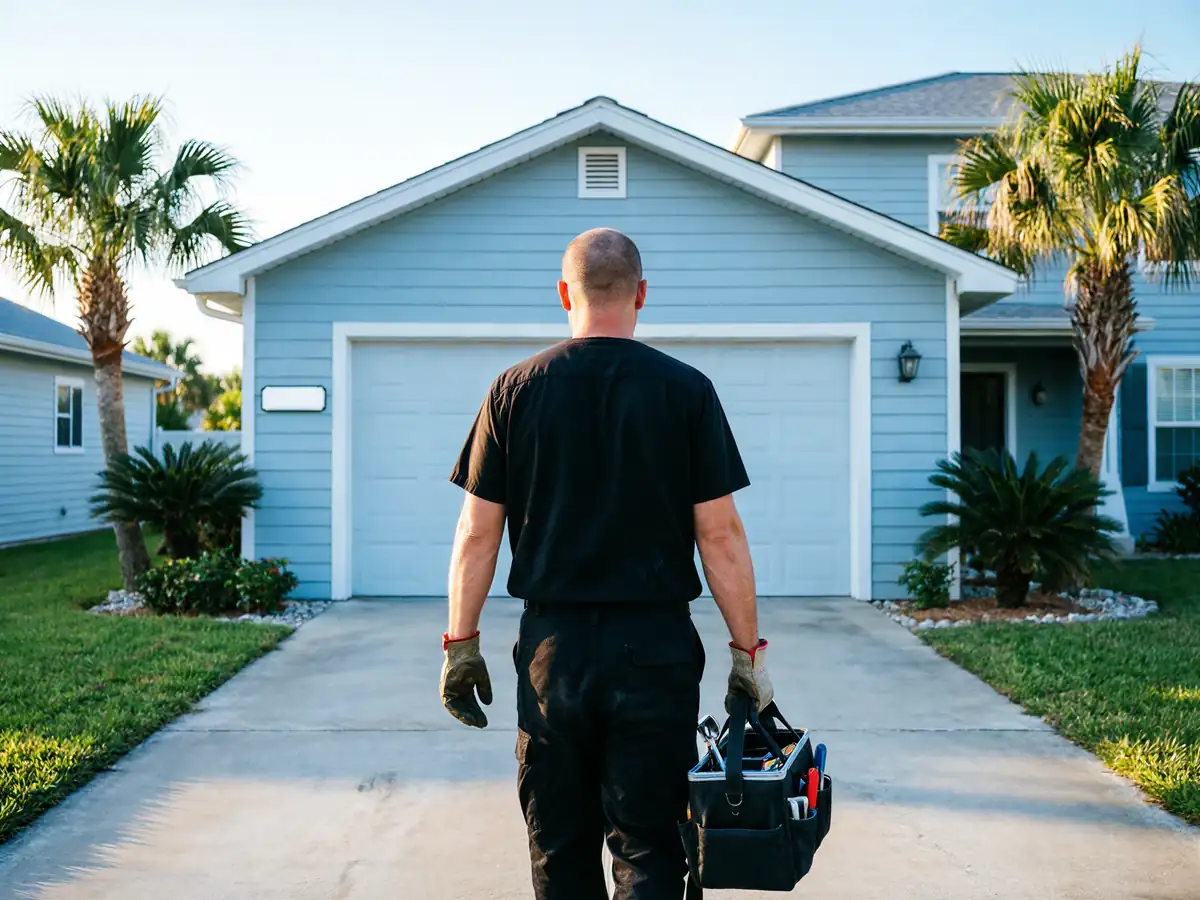
We travel the 10 miles out from Wesley Chapel for every San Antonio call - there's no branch or depot in town, so plan on us arriving by truck rather than walking over from around the corner. That distance doesn't change the repair itself, but it's worth knowing when you're scheduling: we batch San Antonio jobs with other calls in that direction when we can, which sometimes means a slightly wider arrival window than a same-block job would get.
What You Are Seeing
If your door is slamming the last foot of travel instead of settling
That's almost always spring tension that's drifted low - common on doors now 30-plus years into their original or once-replaced spring. A grinding or popping sound as the door moves usually means a roller has worn through its nylon sleeve and you're running on the metal core, which will chew up the track if it goes much longer.
San Antonio's median household income runs noticeably higher than the $63,145 median across the broader service area
At $89,079 locally, we see more owners opt for full opener replacement with a quieter belt-drive unit rather than patching a dying chain-drive opener. Neither choice is wrong; it's a budget call, not a mechanical one. The area's mild temperate climate means we're not chasing the freeze-thaw cracking or extreme humidity swelling that causes panel and seal failures elsewhere in the country - here it's mostly wear, cycles, and the occasional dead capacitor in the opener's motor.
The Cost of This Job
We don't have a posted price list for San Antonio specifically, and we're not going to invent one here - every job gets quoted after we see the spring size, the opener model, and the track condition in person. What we can tell you honestly: a torsion spring job on a standard double door is usually the most common call we get in the 1988-1995 build range this town falls into, and it's rarely worth deferring, since a broken spring left alone will eventually strain the opener motor too, turning a spring job into a spring-plus-opener job.
One limitation worth stating plainly: if your opener is an older proprietary unit from a builder-installed brand that's since stopped making parts, we may recommend full replacement rather than repair, because sourcing a matching board or receiver can take longer than it's worth. That's not an upsell - it's just where the parts supply chain stands right now.