What Can Go Wrong
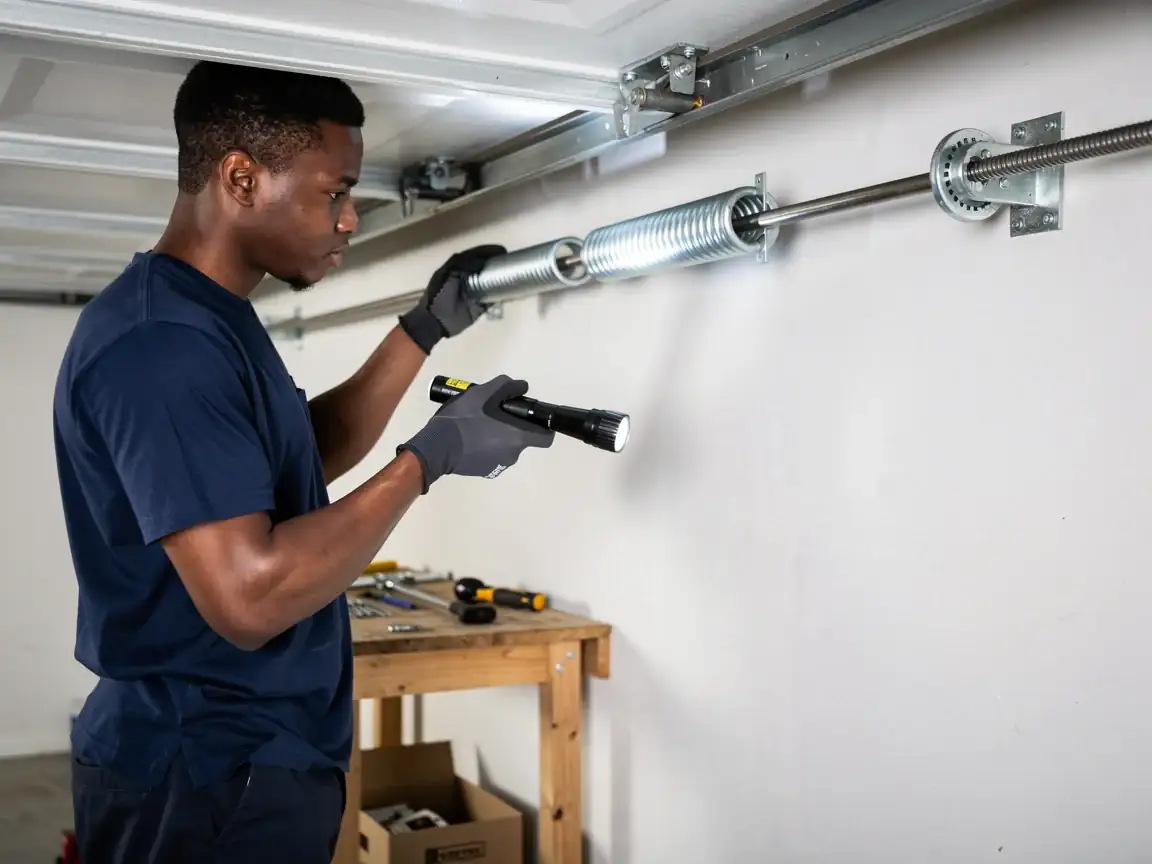
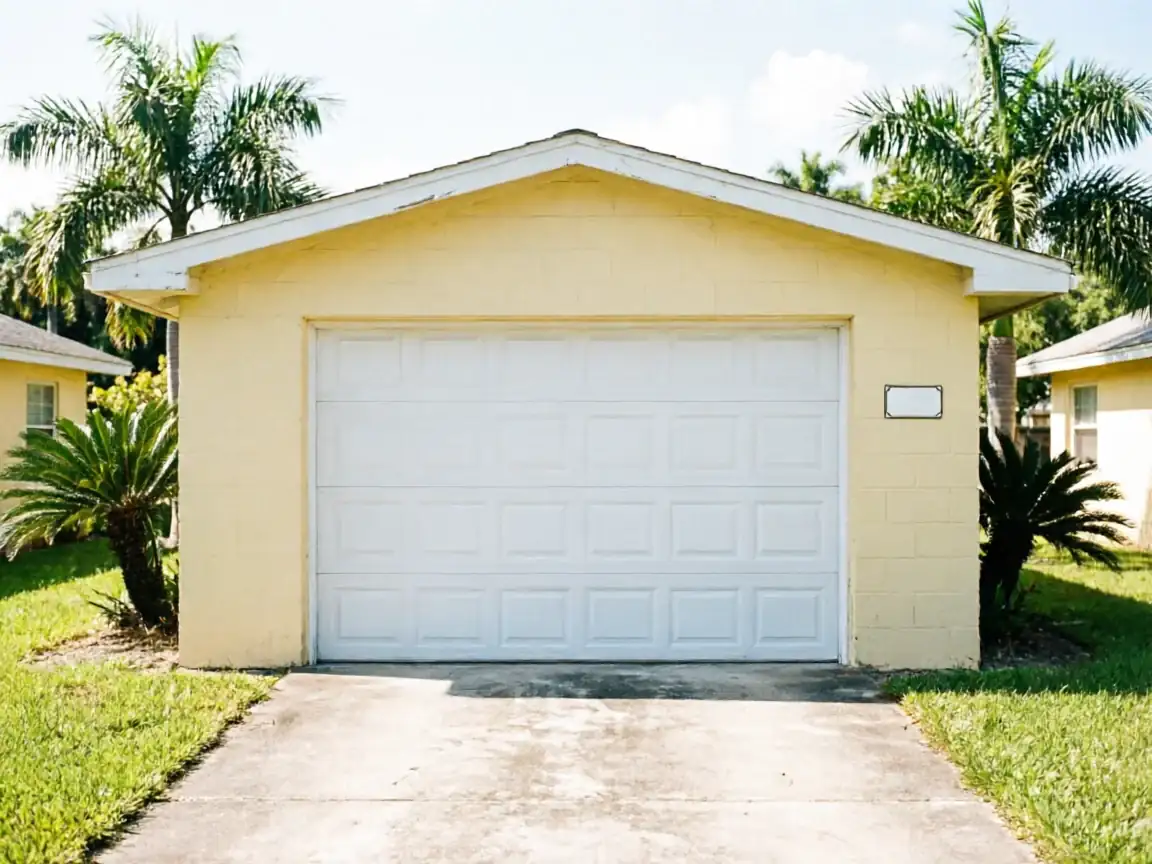
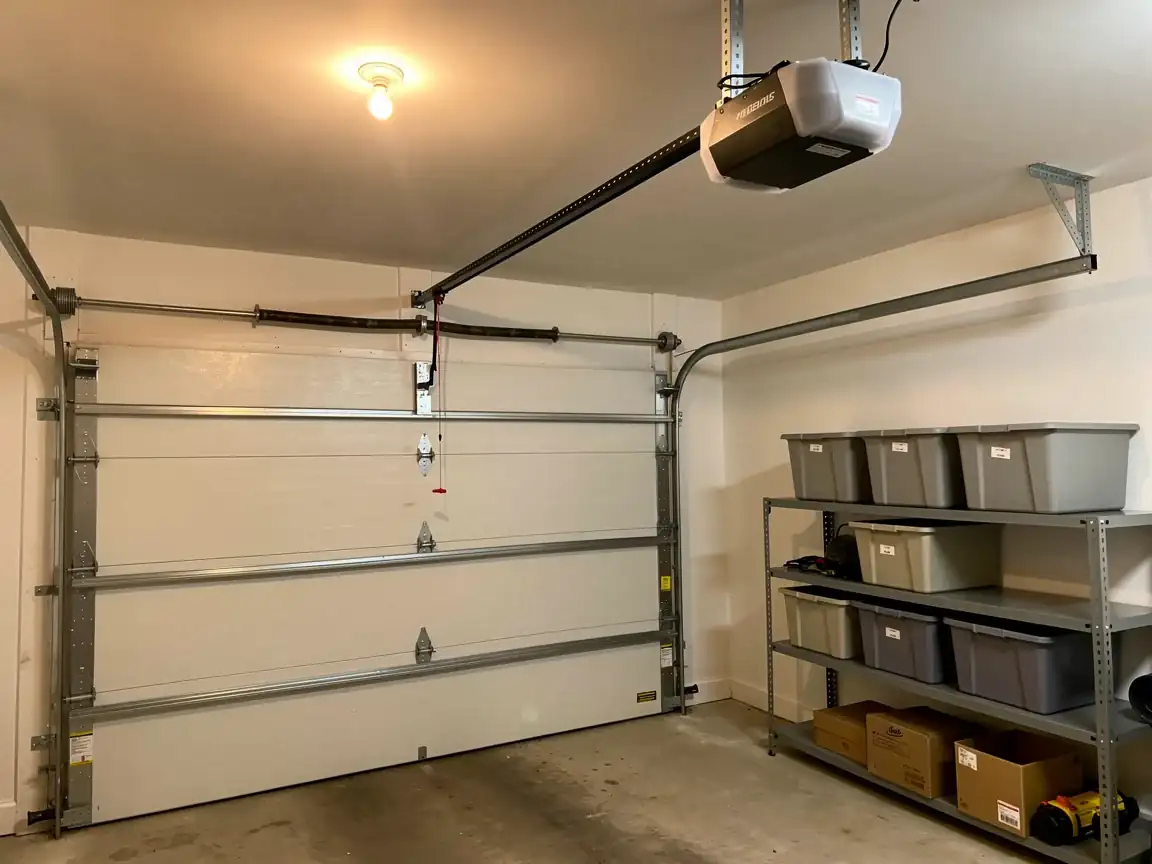
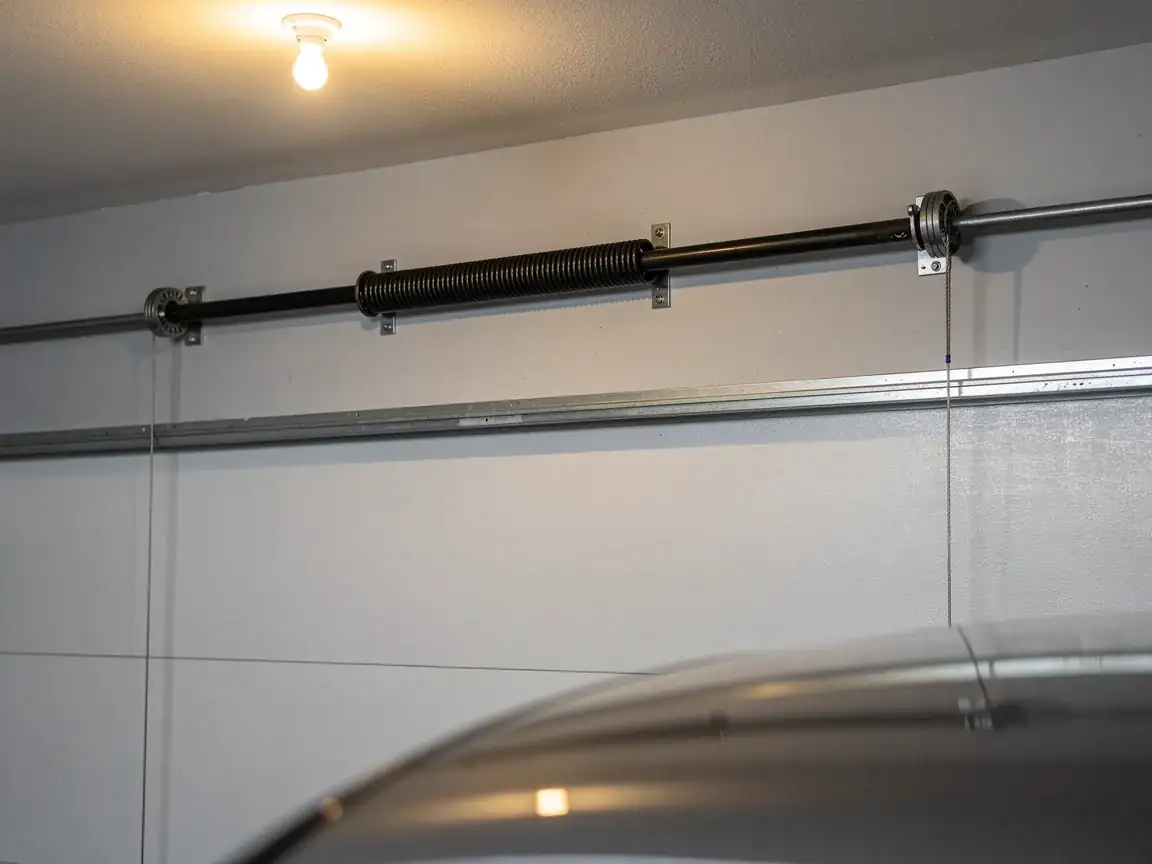
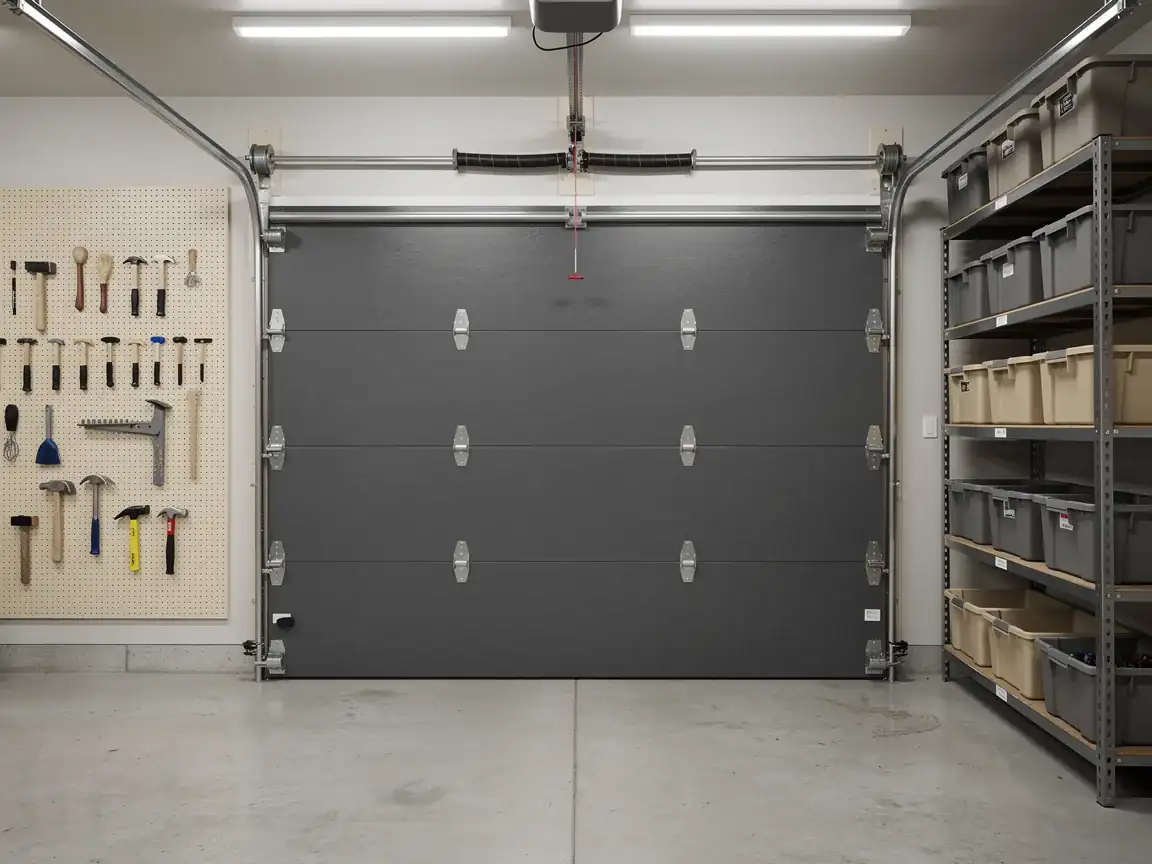
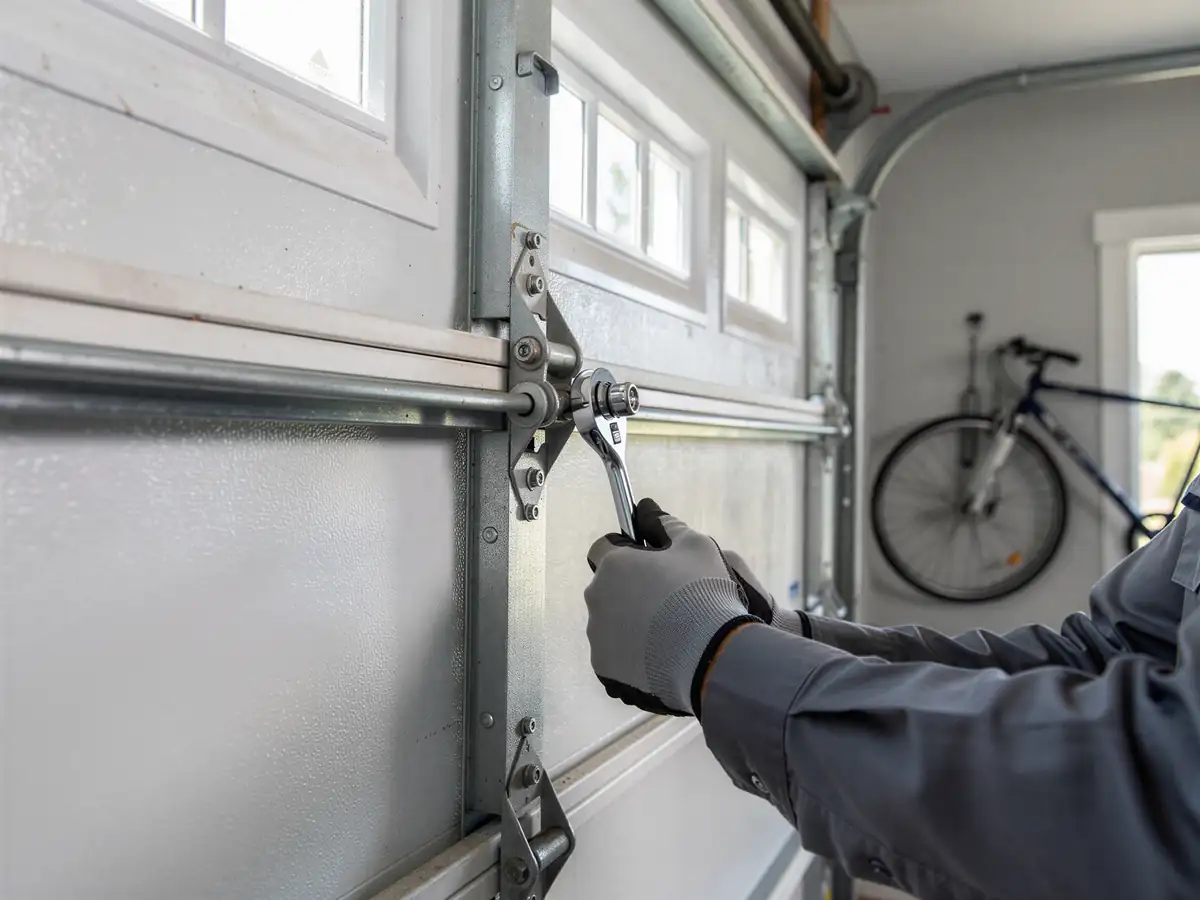
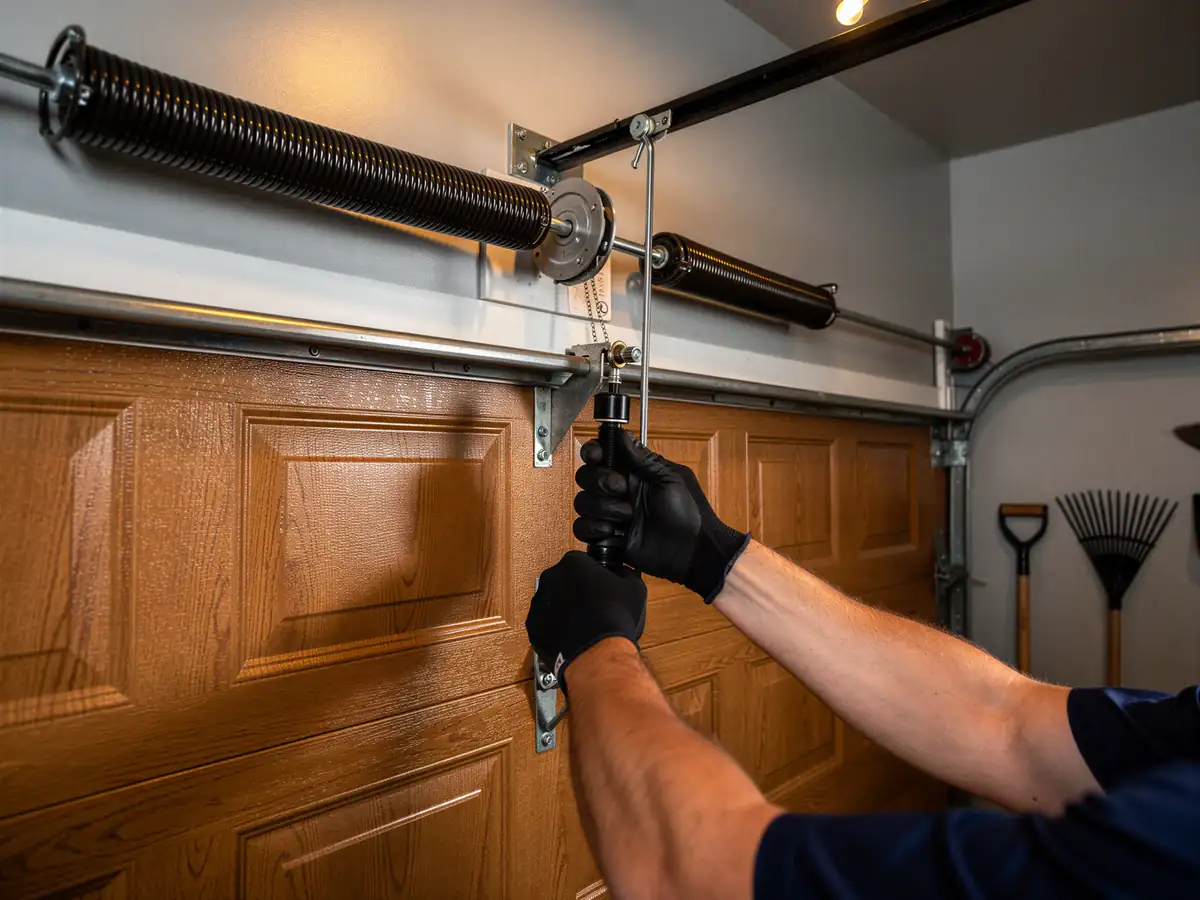
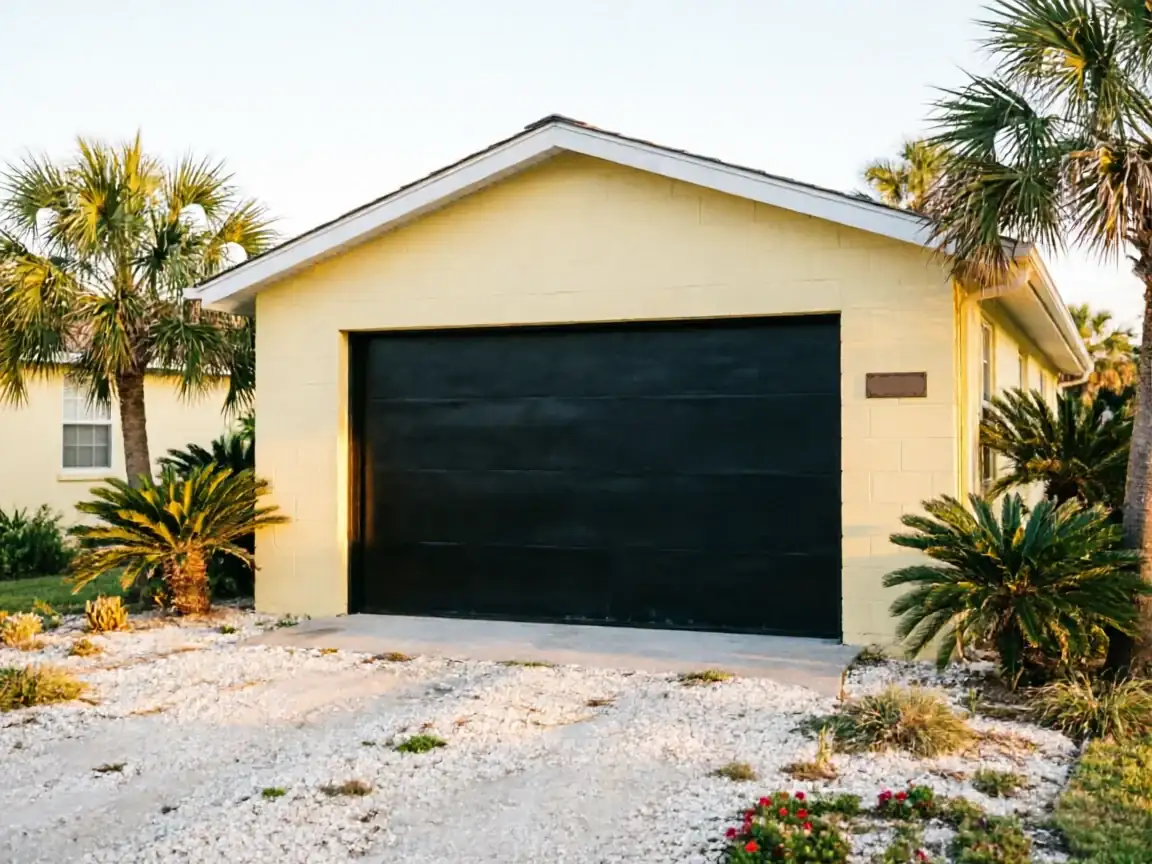
The fault we see most in San Antonio isn't what we see closer to Wesley Chapel's newer construction. Houses here cluster around a median build year of 1990, which puts a lot of these garage doors right on the edge of a hardware transition. Some went up with torsion springs mounted on a center bracket above the door; a fair number still run extension springs along the horizontal tracks, which were common before torsion setups became standard practice. Extension spring doors lean on frayed cables and worn pulley bearings more than they lean on the spring itself failing outright.
The openers are the other half of it. A door installed in 1990 often carries an opener from that same window, before rolling-code remotes became the norm industrywide in 1993. If the opener is original, you're looking at a fixed-code unit - easier to clone, and parts for it are getting harder to source new. Across the wider 1970-2005 housing stock this company covers, San Antonio sits a couple years past the area median of 1988, which means its hardware mix skews slightly newer but still well into the pre-rolling-code era for anything that hasn't been swapped out already.
Time on the Job
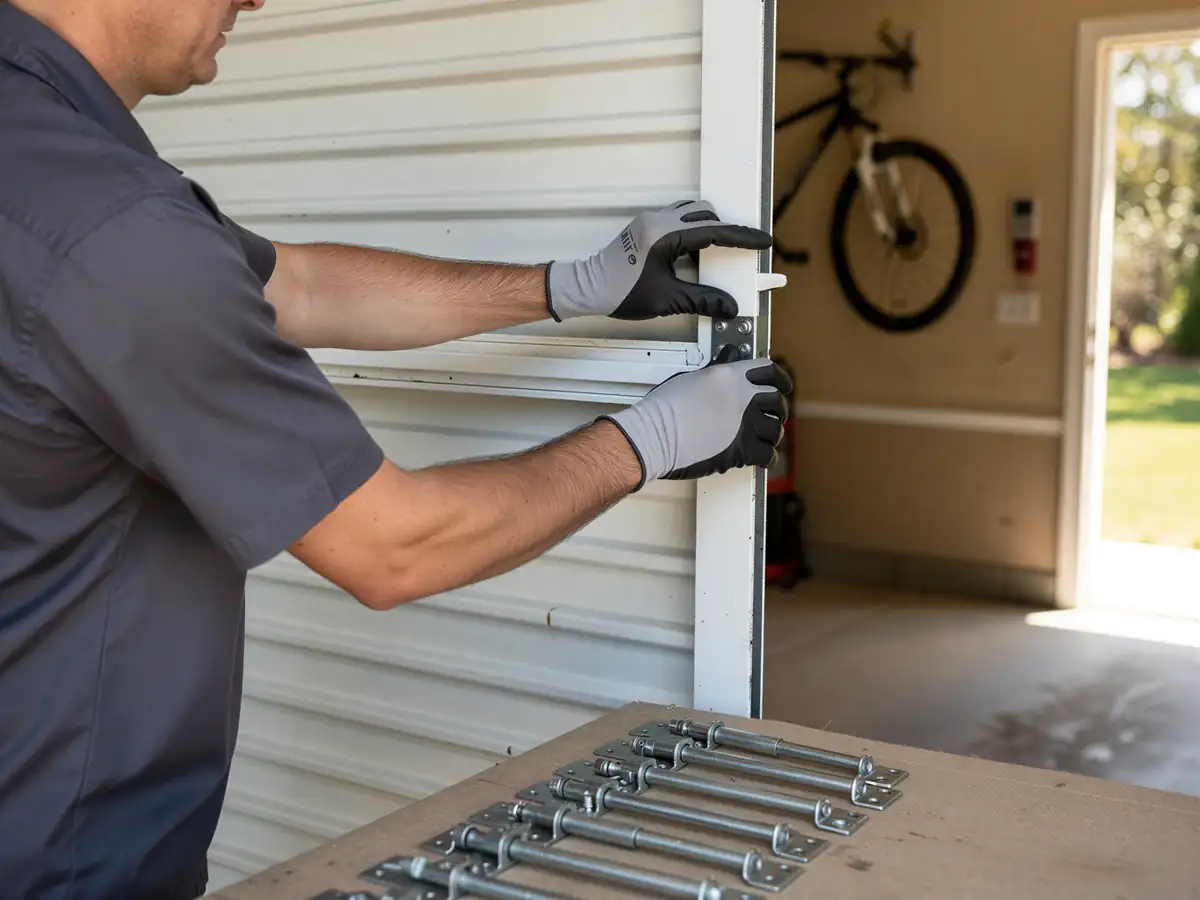
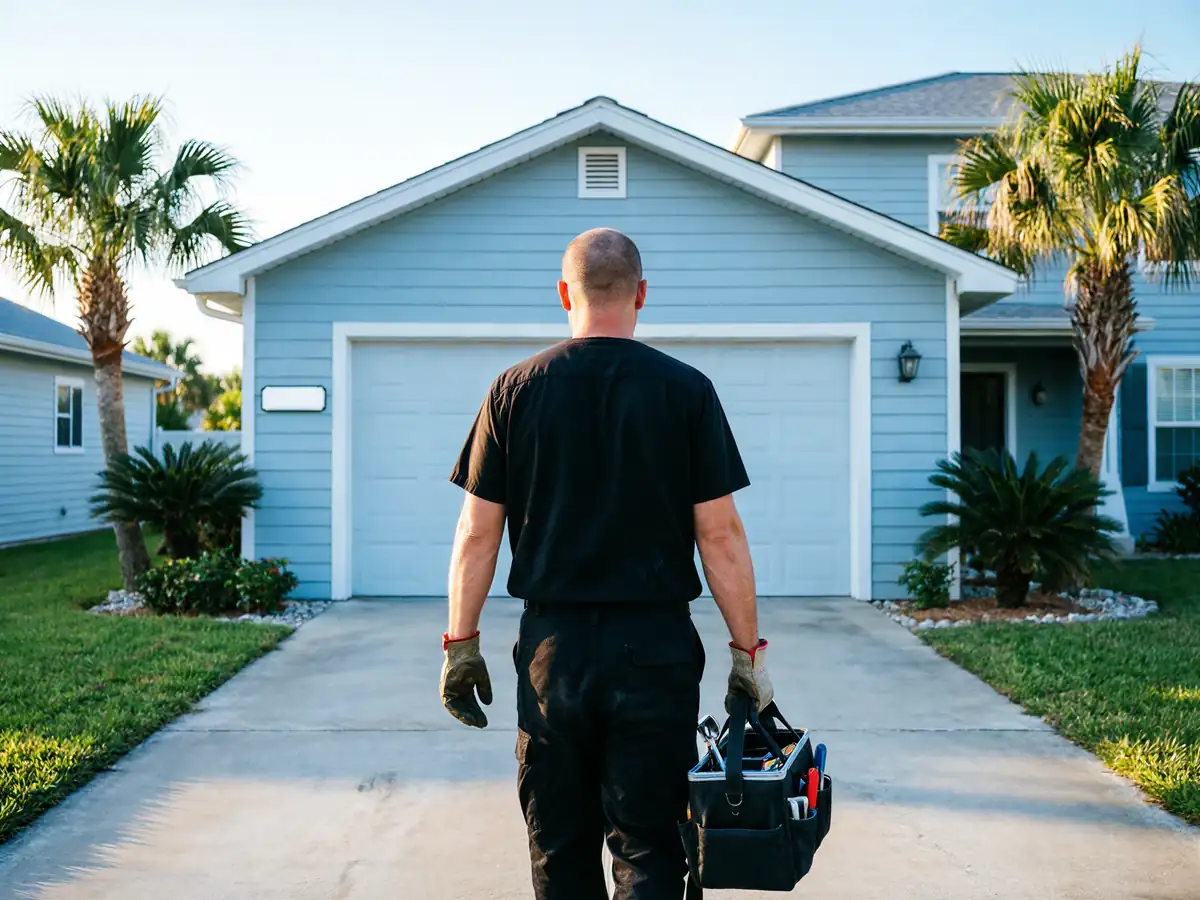
San Antonio sits about 10 miles from Wesley Chapel, so every job here starts with that drive - there's no branch or depot in San Antonio itself, the truck comes from Wesley Chapel. Once on site, a standard spring replacement or cable job on an extension-spring door runs on the shorter end; swapping an old fixed-code opener for a current unit takes longer because the wiring and wall control often need to be redone, not just the head unit.
We don't carry every obsolete fixed-code receiver board on the truck. If a 1990-era opener needs that specific part rather than a full replacement, there can be a wait on it - that's the honest limitation here, and it's usually faster and not much more expensive to replace the opener outright than to chase a part for a 30-plus-year-old unit.
What You Are Seeing
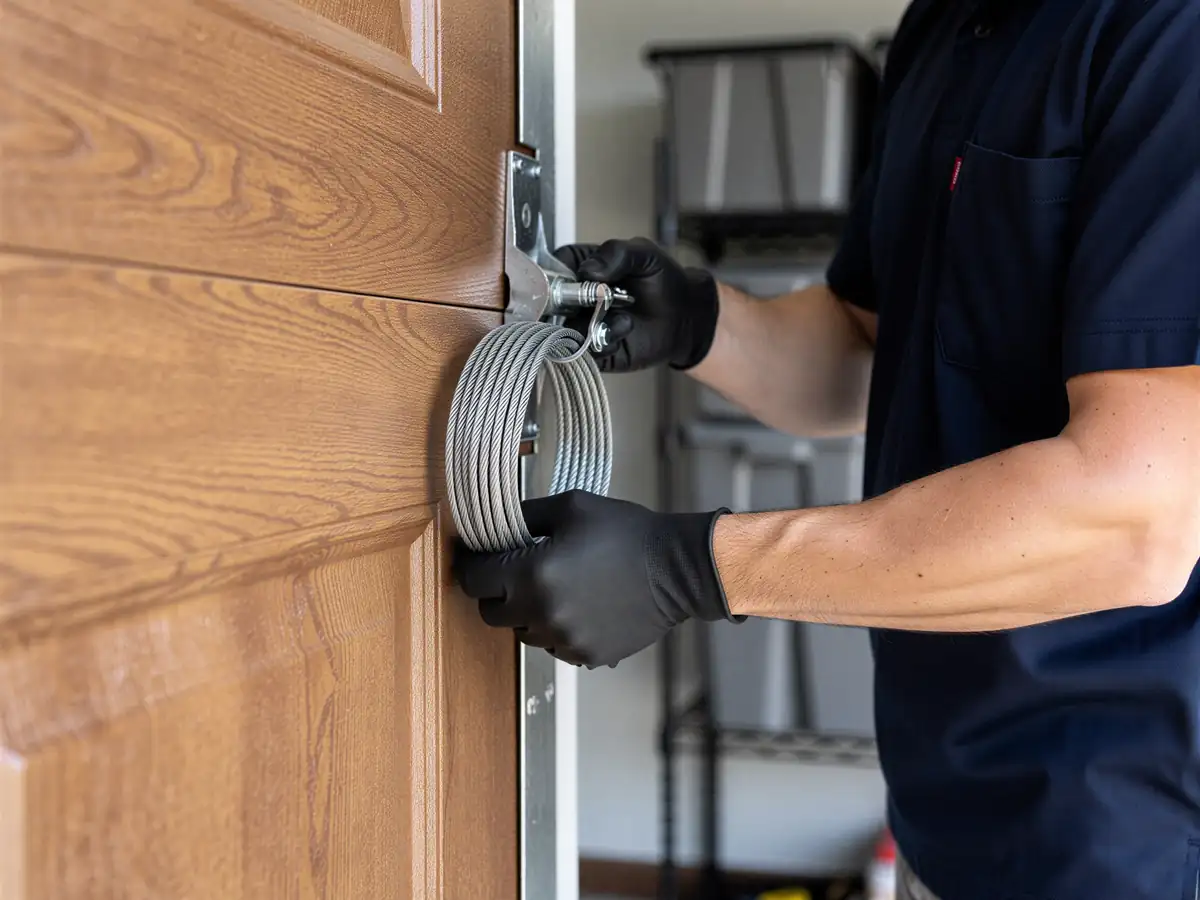
If your door is sagging unevenly at one corner, that's usually a cable off its drum, not the spring
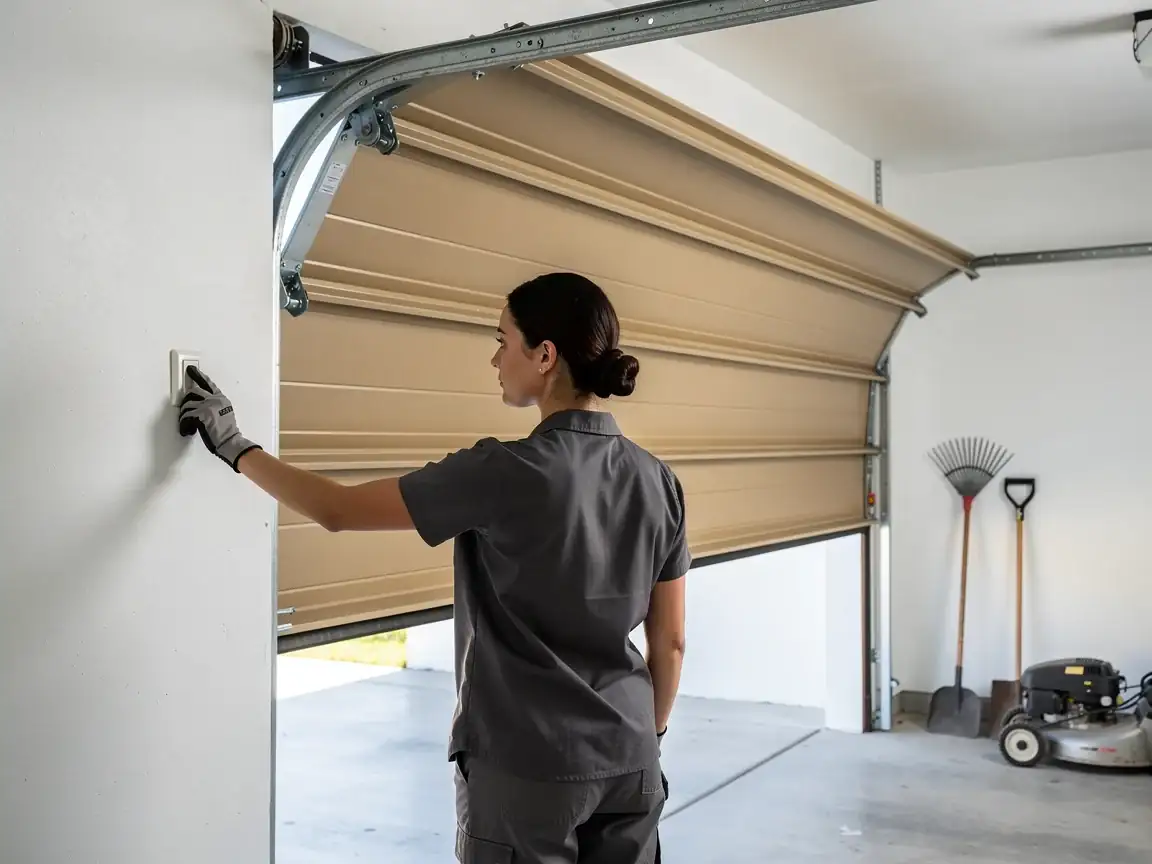
Common on the extension-spring setups from this build era. A door that reverses on its own partway down, or won't respond to the wall button but does respond to the remote, points to an aging opener board rather than the track or rollers.
San Antonio falls in the same mild temperate band as the rest of the service area
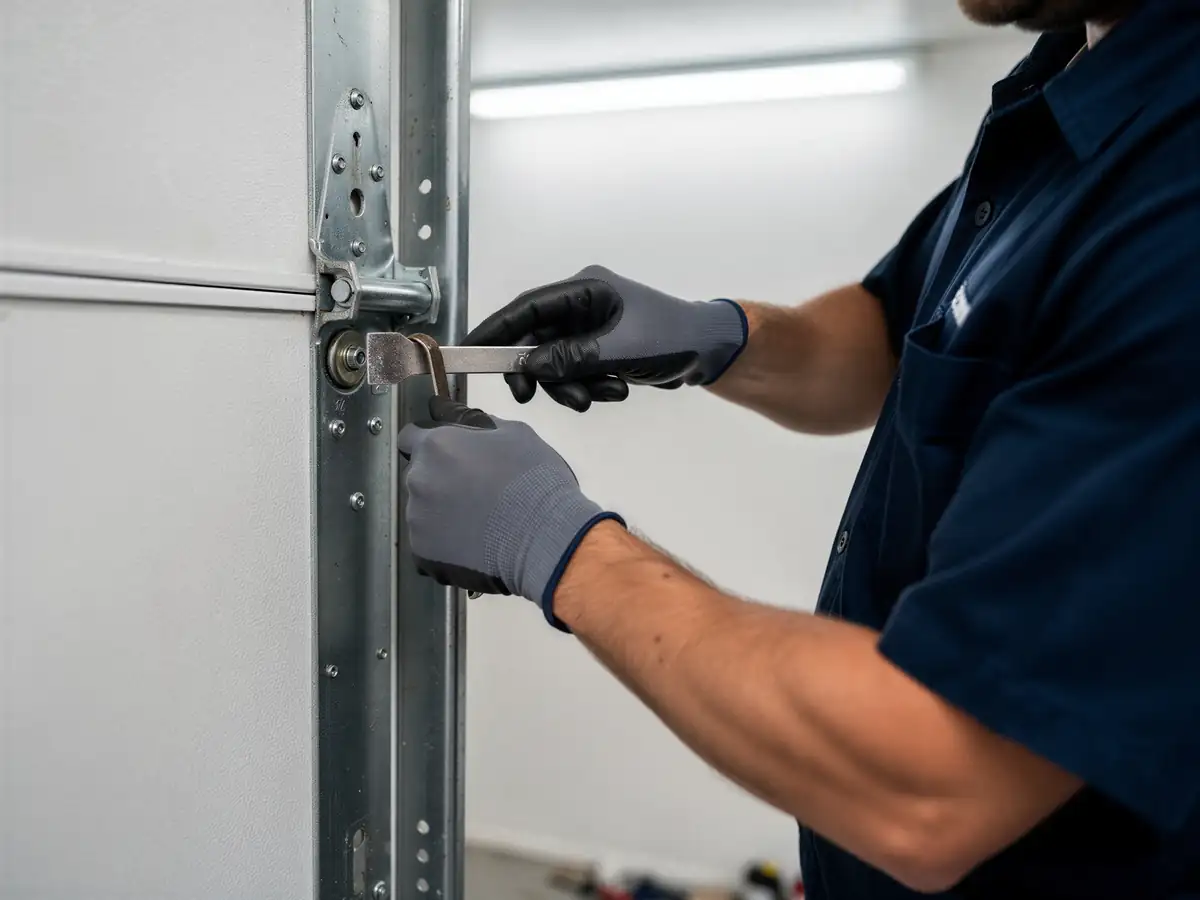
So you're not dealing with the freeze-thaw cracking or wood rot that colder climates put doors through. What mild weather doesn't spare is foam insulation inside steel panels - after three decades it can delaminate from the steel skin, which shows up as a hollow sound when you knock on the panel and a door that feels lighter or more flexed than it should.
The Cost of This Job
San Antonio is a small pocket - about 530 households - with a median income of $89,079, noticeably higher than the $63,145 median across the 130,044-household service area this company covers. That gap shows up less in what a repair costs and more in what homeowners choose to do with an aging door: replacement over patch-repair comes up more often here than in lower-income pockets of the territory, especially once an opener board and a spring are both due at the same time.
We price the job in front of you, not off a town name, but it's worth knowing going in that a cable-and-pulley fix on an extension-spring door is a different bill than swapping a fixed-code opener for a current rolling-code unit with a new wall control.