What Can Go Wrong
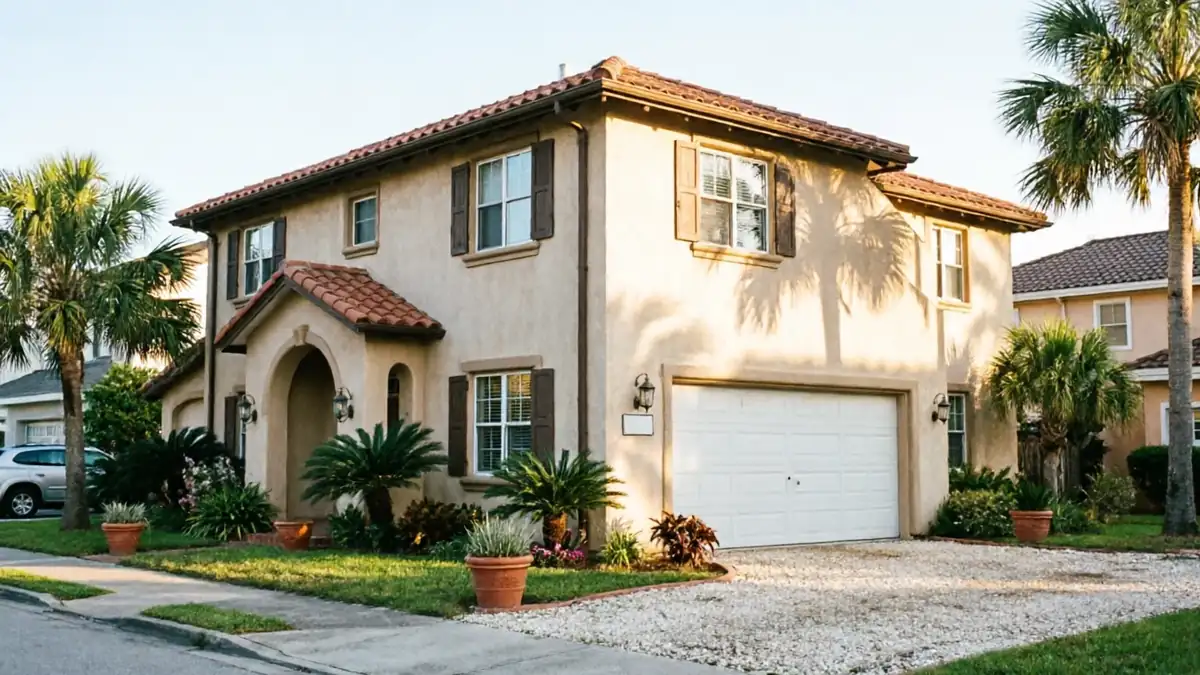
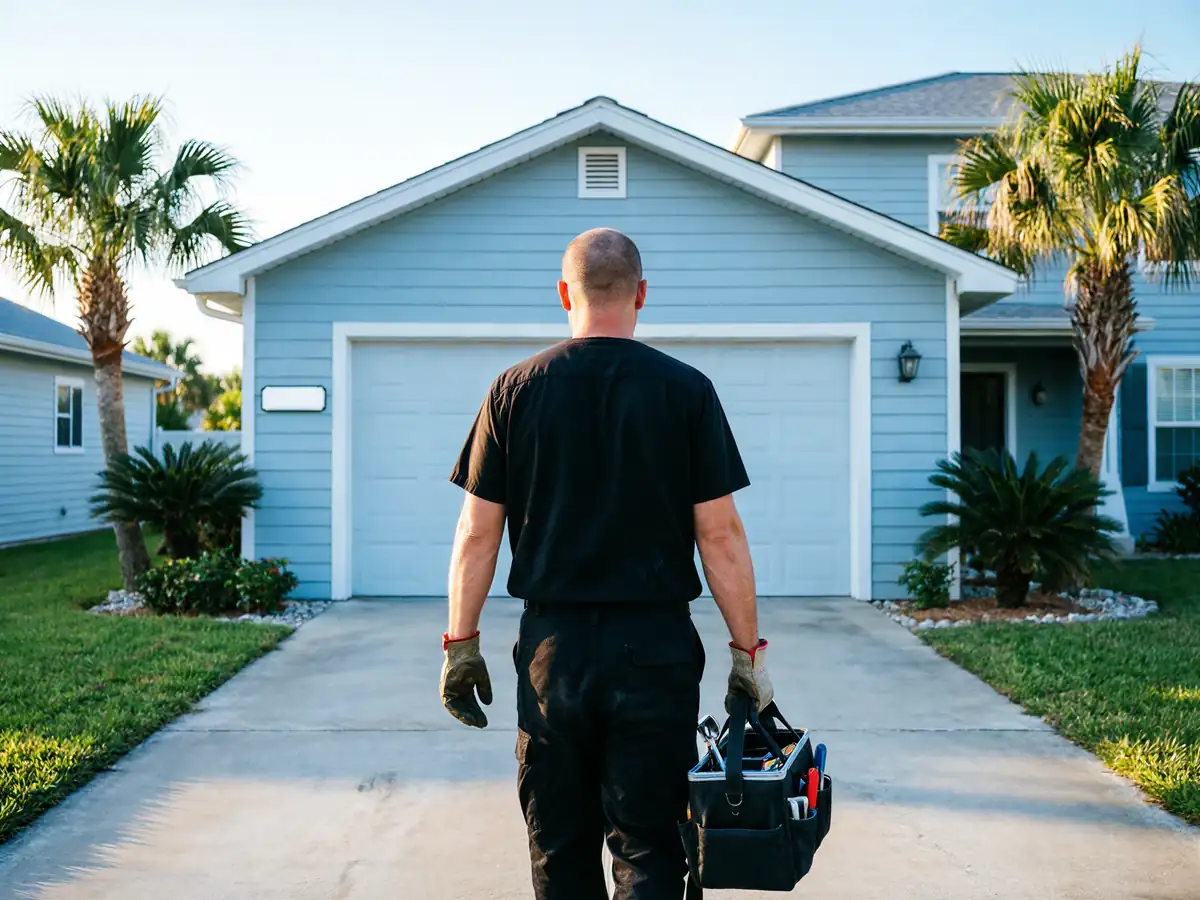
San Antonio is a small pocket - about 530 households, ten miles out from our Wesley Chapel shop - and that size matters for how we plan a panel job. We're not driving past a dozen other calls on the way; we're coming out specifically for yours, so we bring the right stock the first trip instead of guessing.
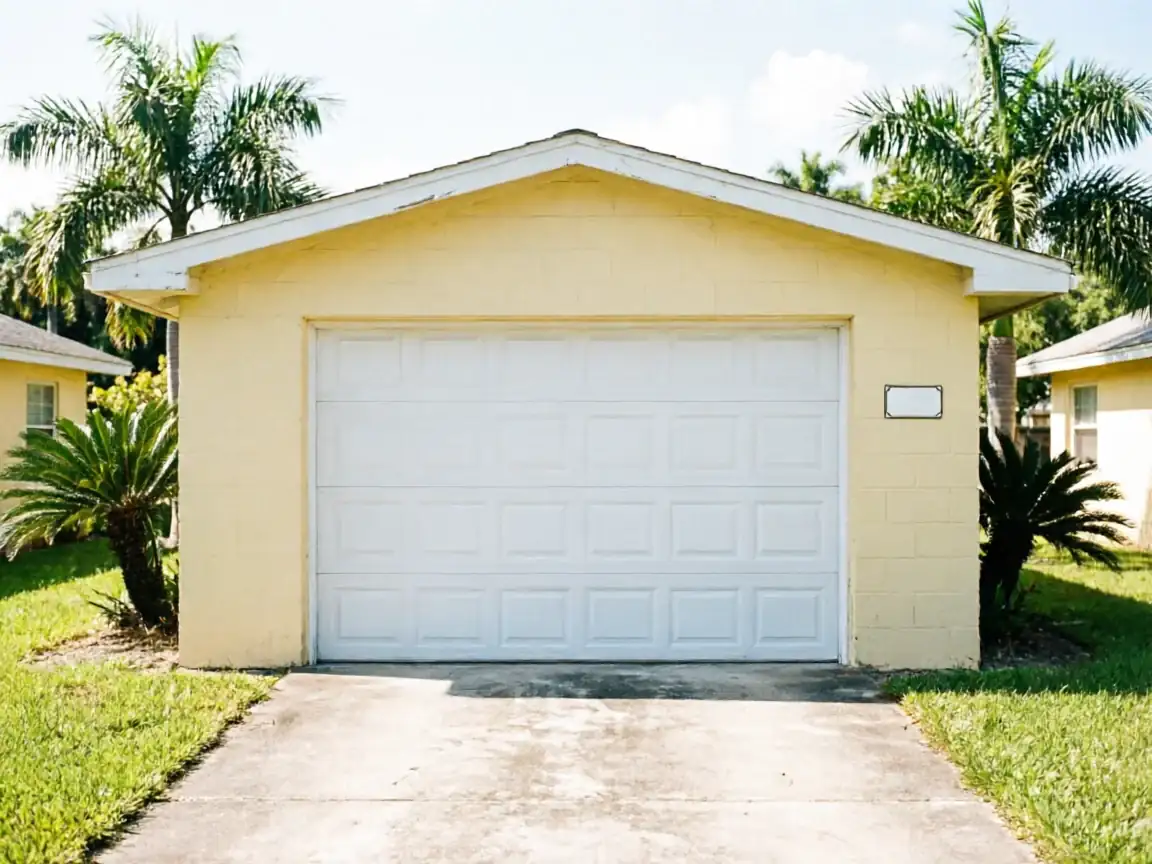
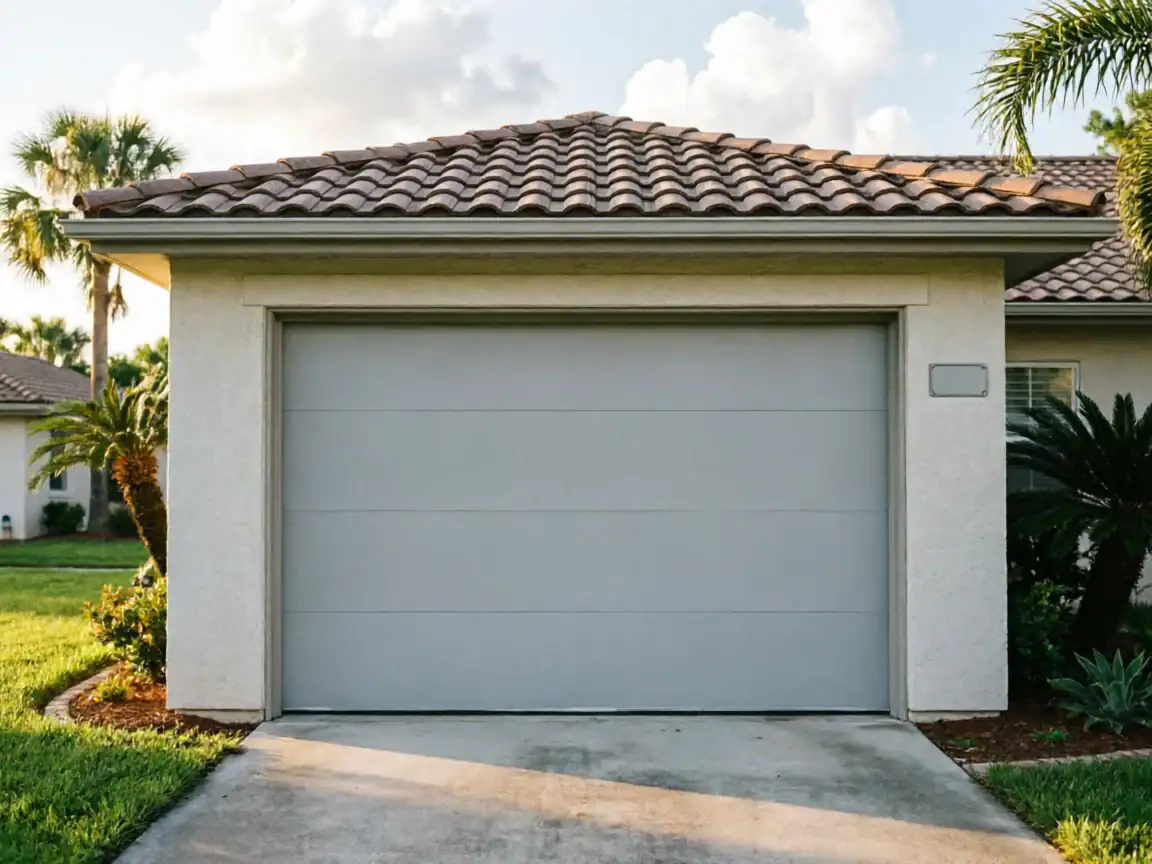
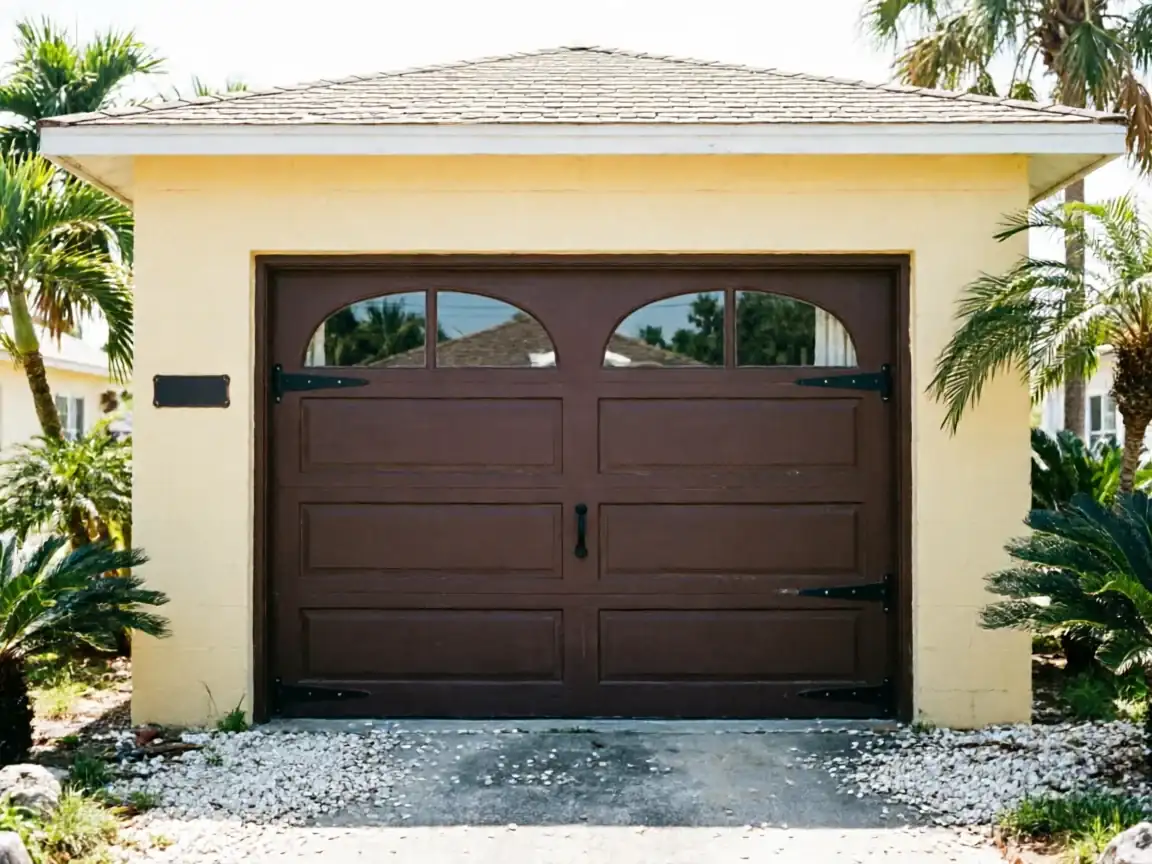
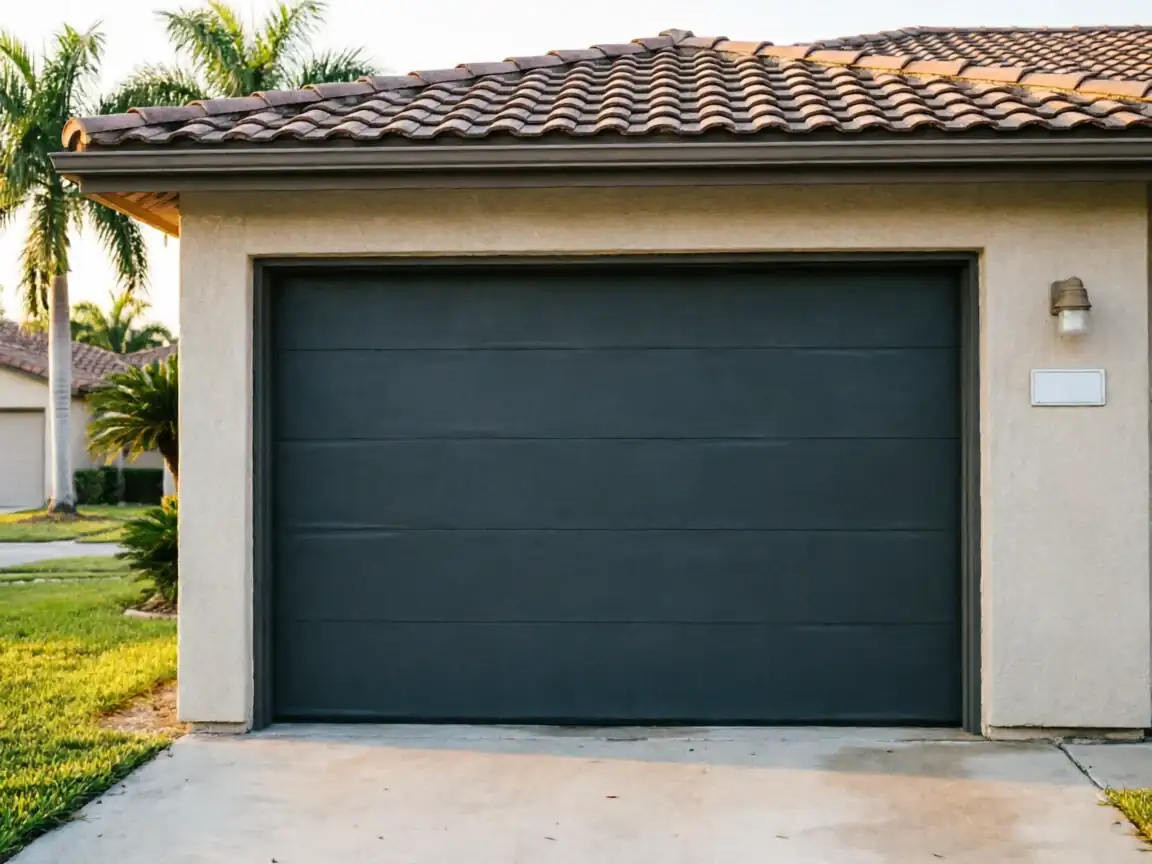
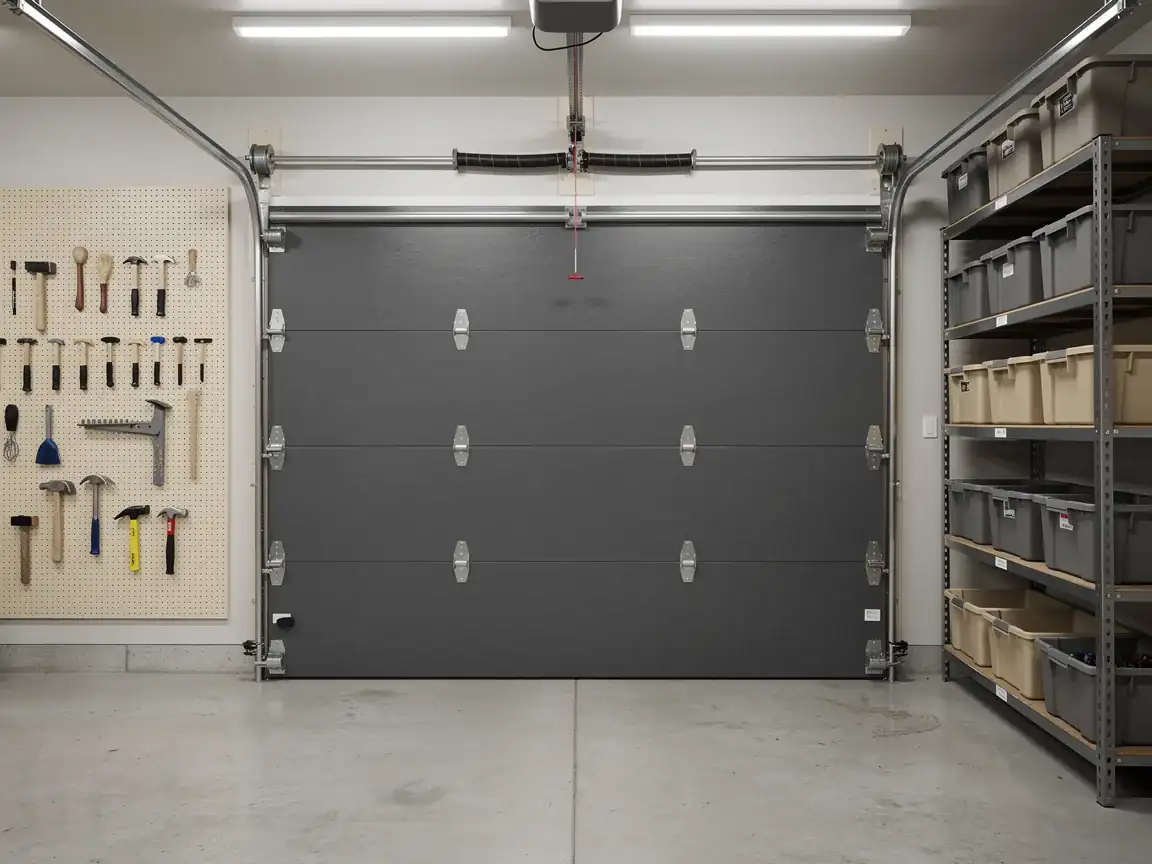
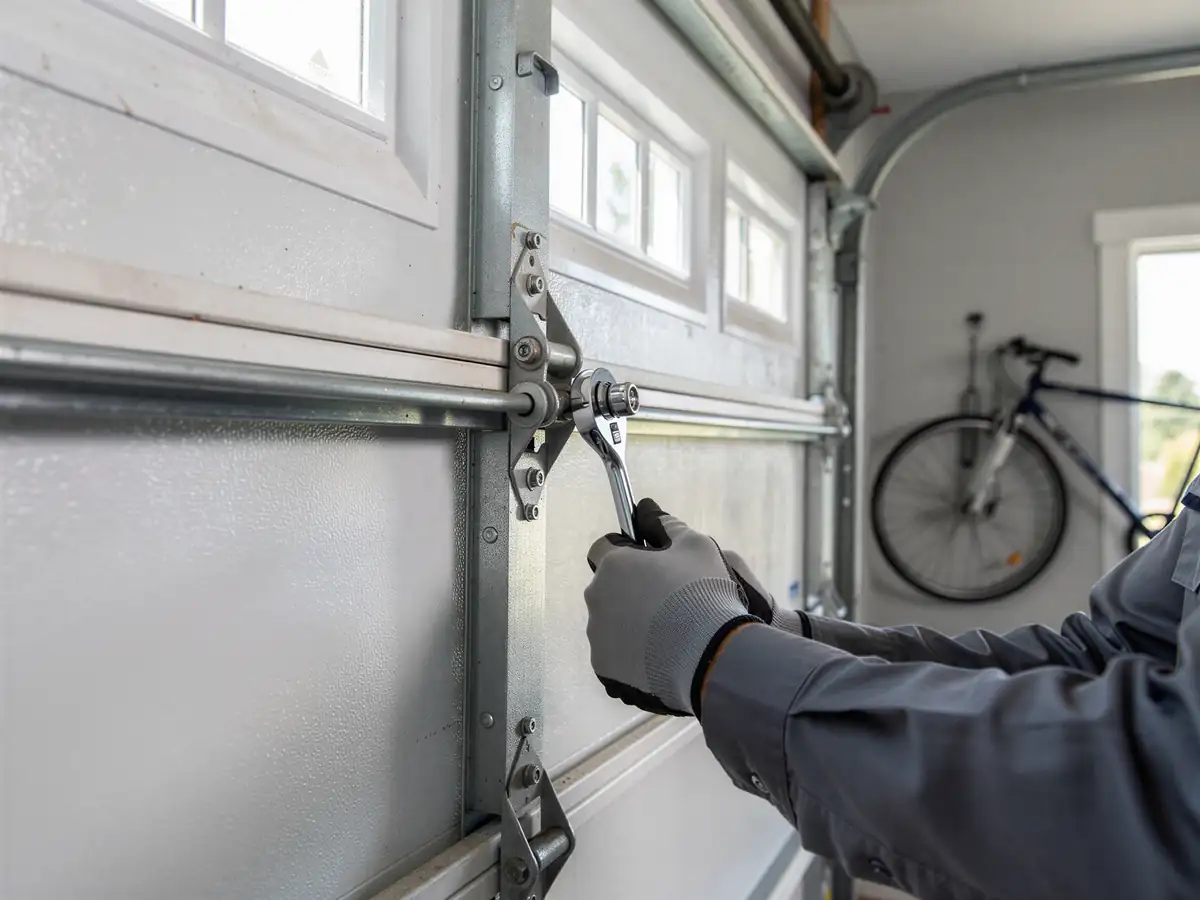
Most of the doors here date to right around 1990, which puts them squarely in the steel sandwich-panel era that F2 covers across this part of the county - raised-panel steel with polystyrene or polyurethane foam between the skins. The failure pattern on these is consistent: a bottom panel takes a hit from a car bumper or a basketball, the foam core crumbles at the dent, and the panel bows enough that the rollers start binding in the track. On a double-wide door, one bad panel on the end stile can throw off the whole section's alignment, not just the dented spot.
Because the climate here runs mild temperate rather than freeze-thaw, we don't see panels cracking from ice expansion the way colder markets do. The damage we find is almost always physical impact or UV fatigue on the outer skin, not weather splitting the material.
Time on the Job
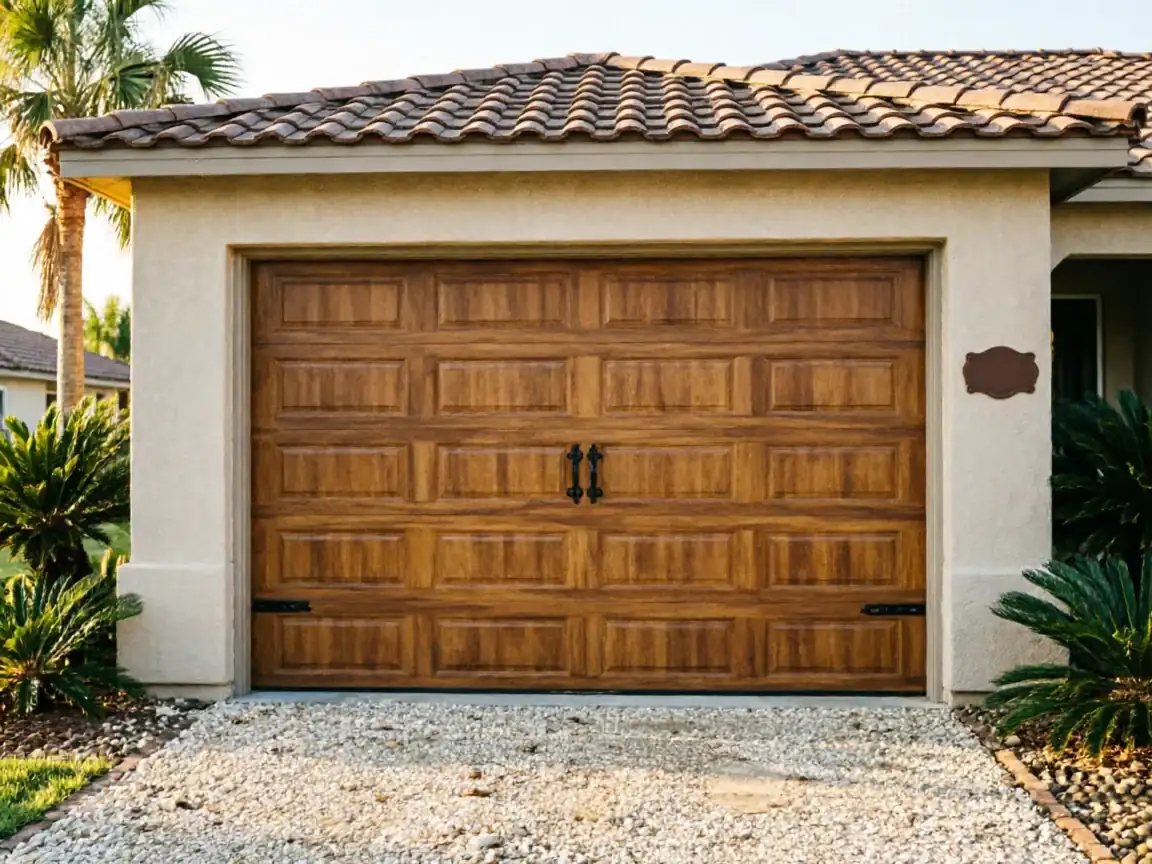
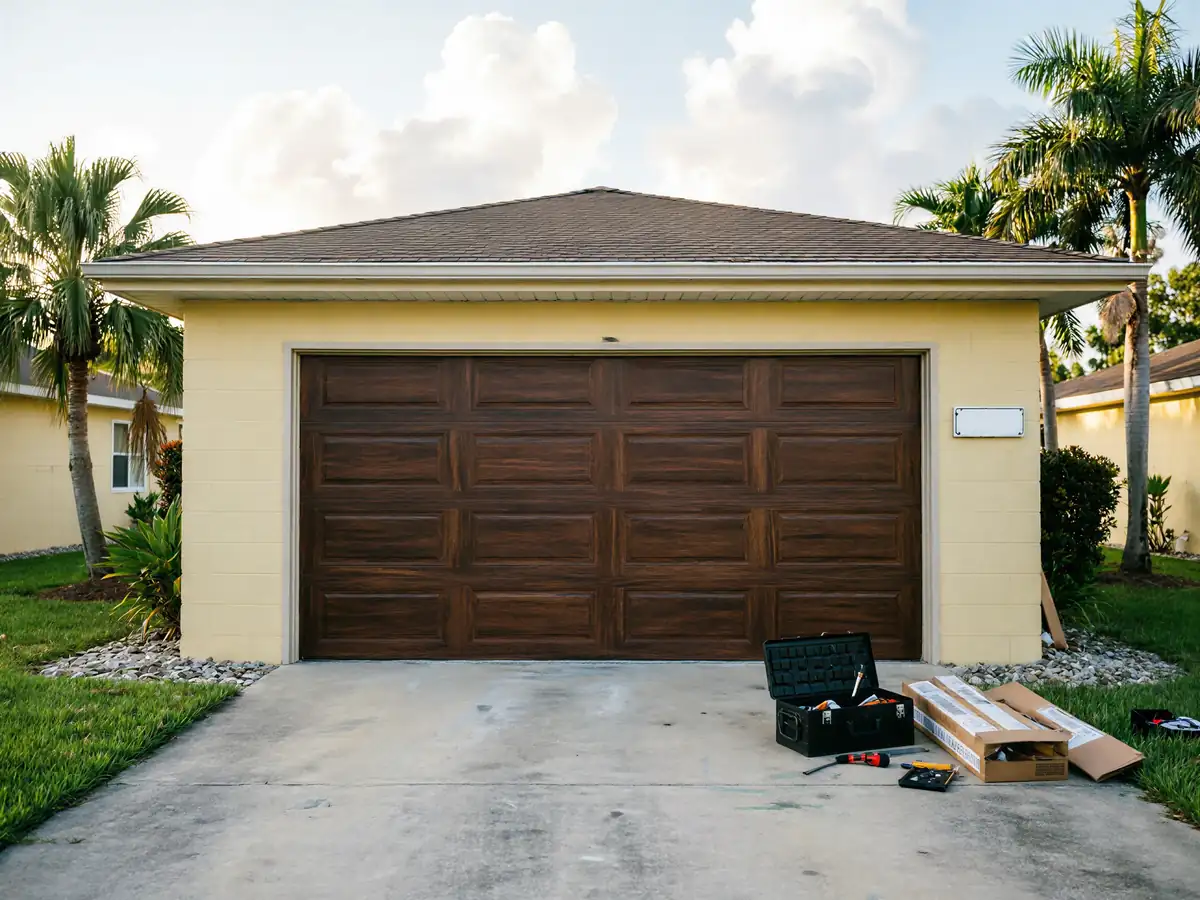
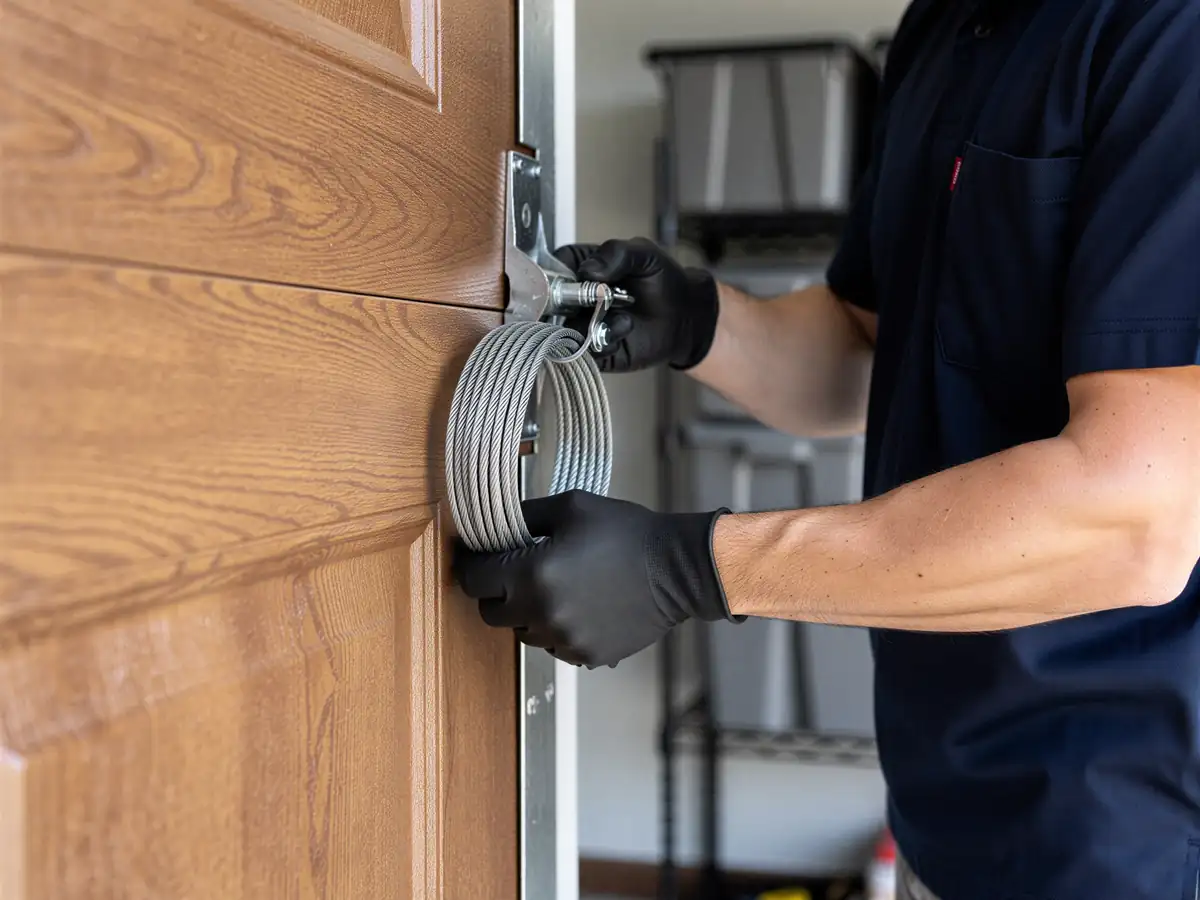
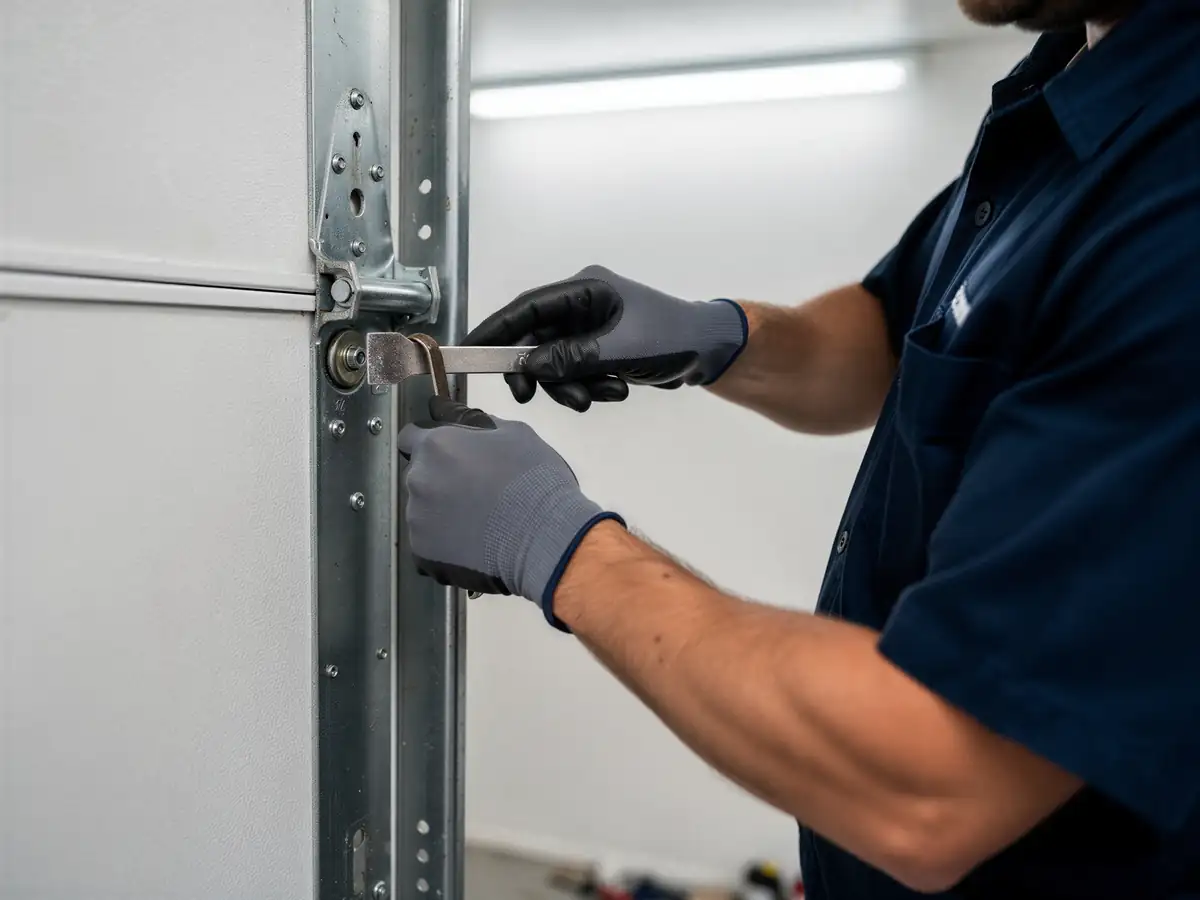
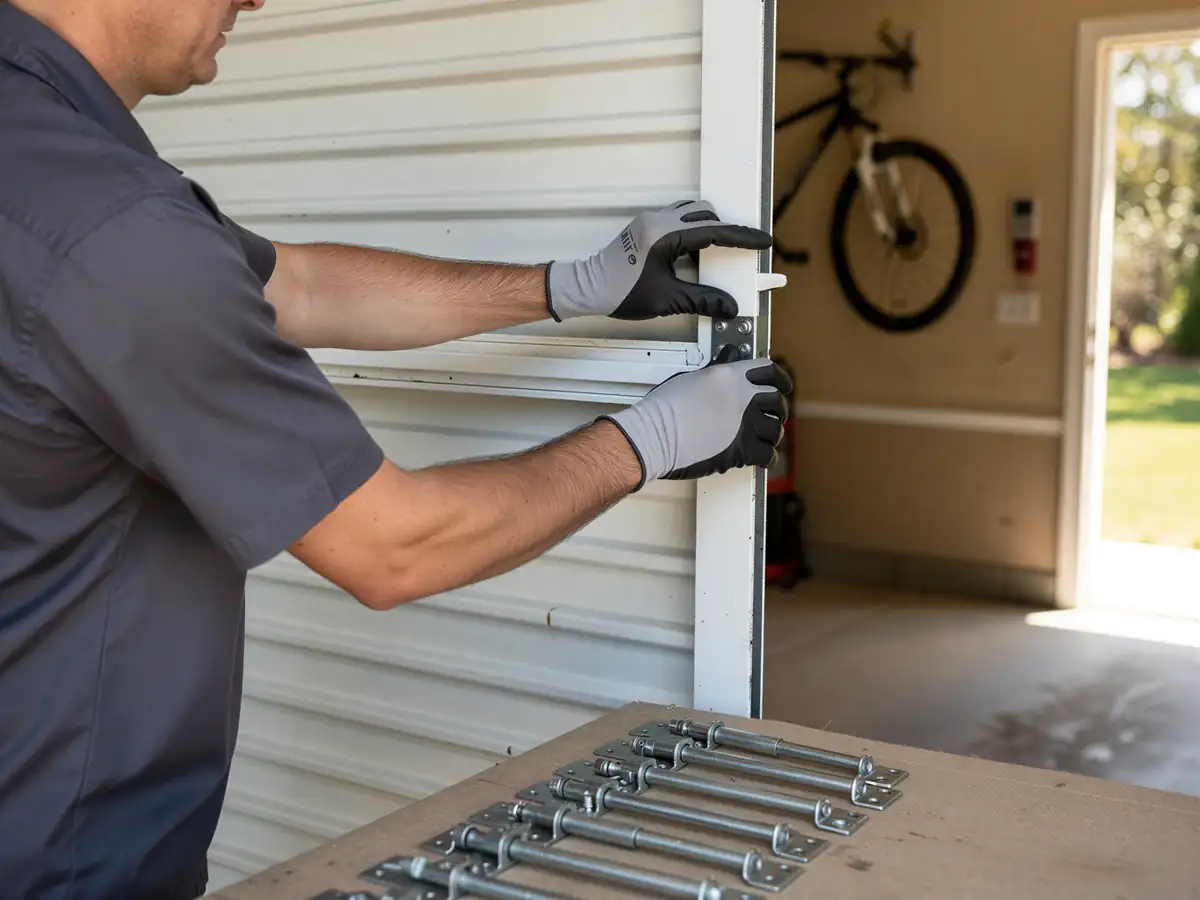
A single-panel swap on a sectional door, once we've matched the color and panel style, usually runs under two hours on site. Matching is the part that takes planning ahead of the visit, not the part that takes long once we're there - steel panel profiles from the late 1980s and 1990s aren't all interchangeable between manufacturers, even when they look alike from the street.
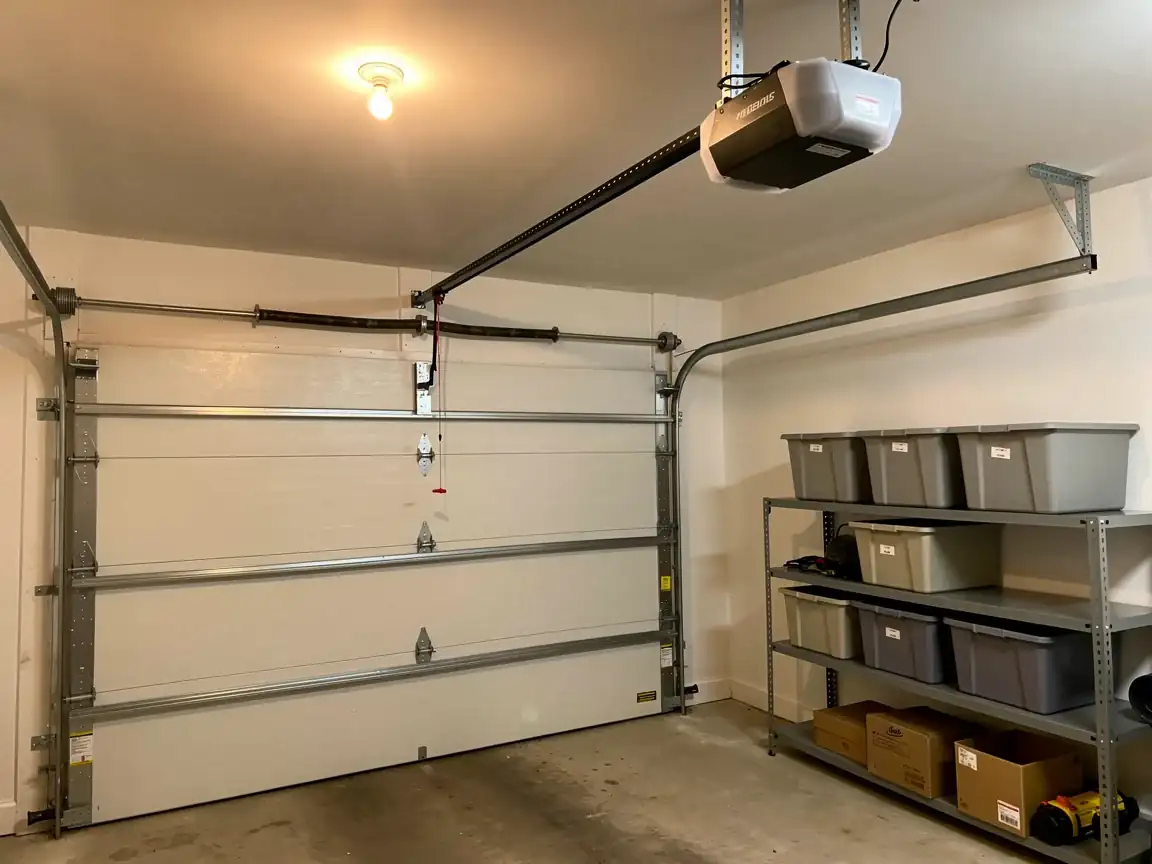
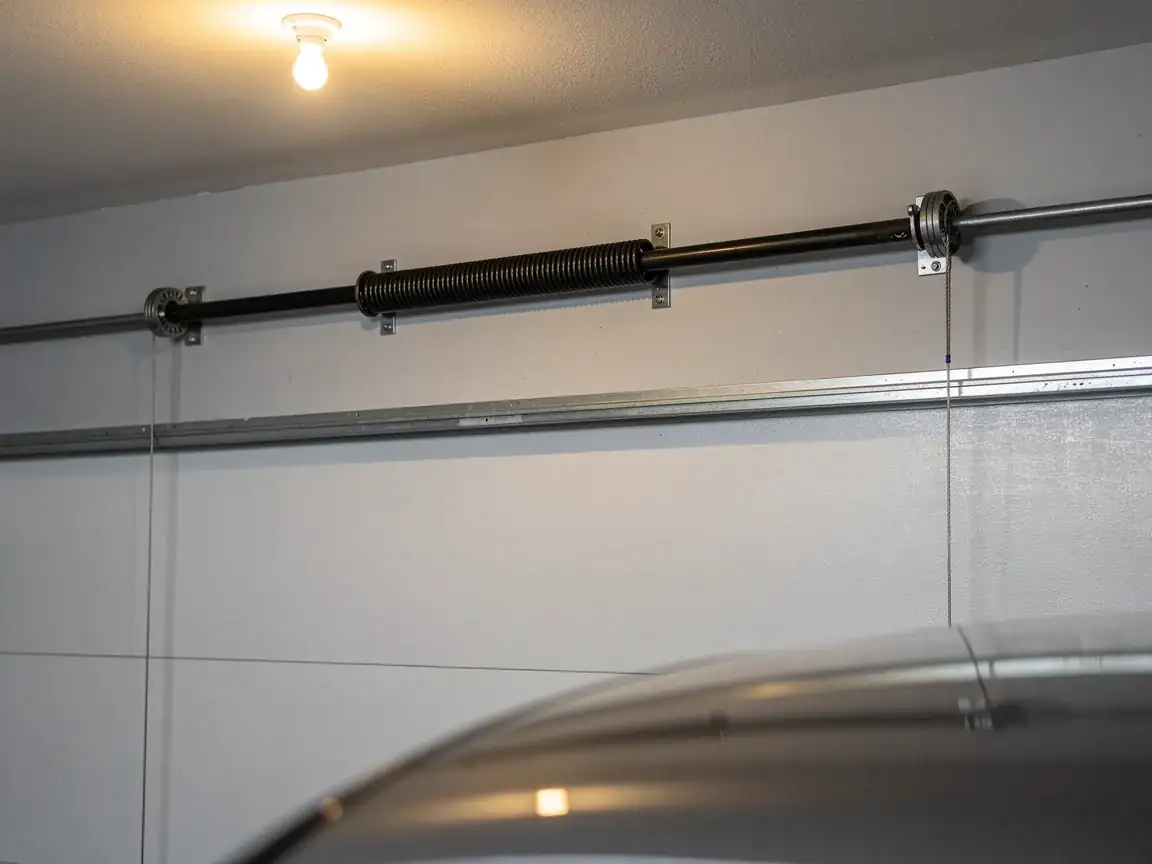
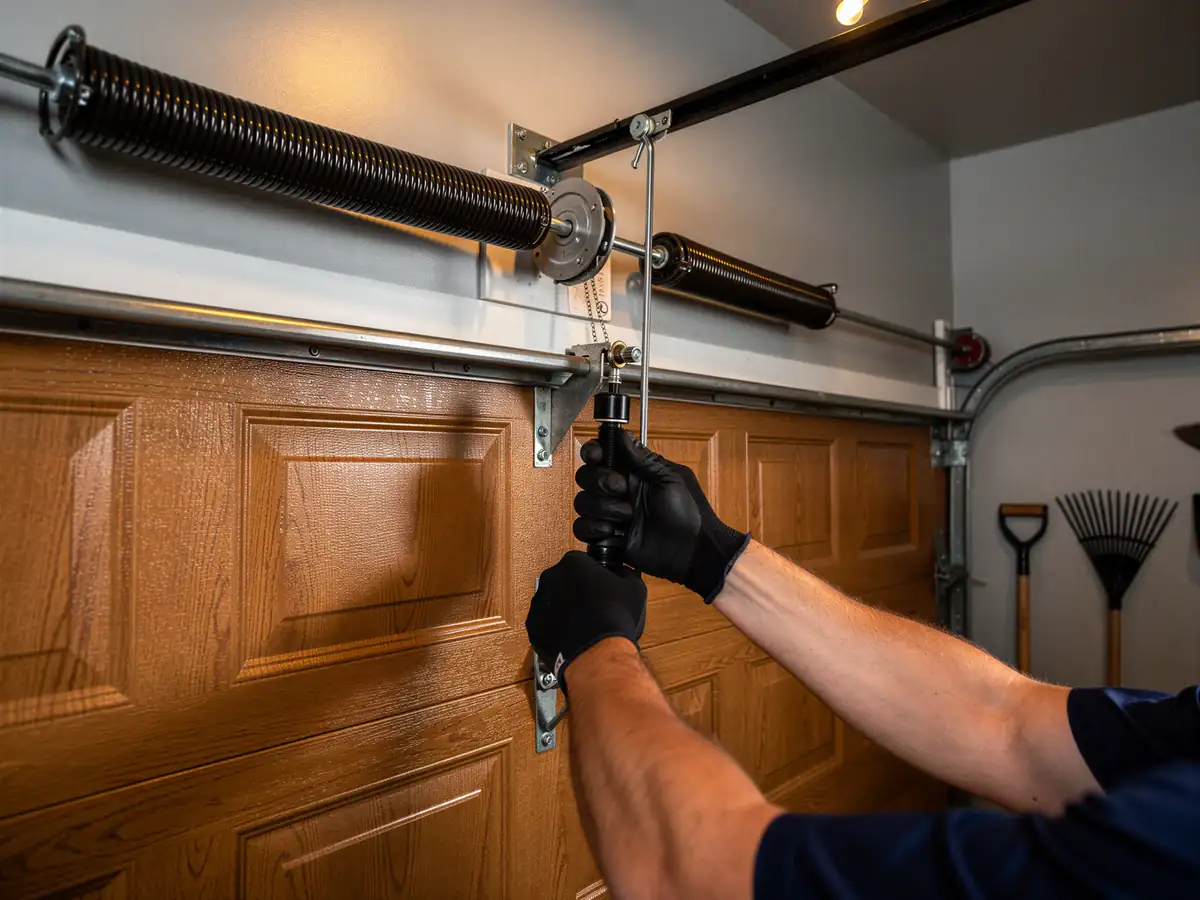
If more than one panel on the same door has gone (common after years of foul-tip impacts near the bottom section), we're pulling and resetting multiple sections, which adds time for track realignment and re-balancing the door on its springs. We'll tell you straight if a third of the door is damaged enough that full replacement makes more sense than chasing matched panels - that's the honest call more often than people expect on doors this age.
What You Are Seeing
If you're looking at a dent that's pushed the steel skin in but the door still opens and closes evenly
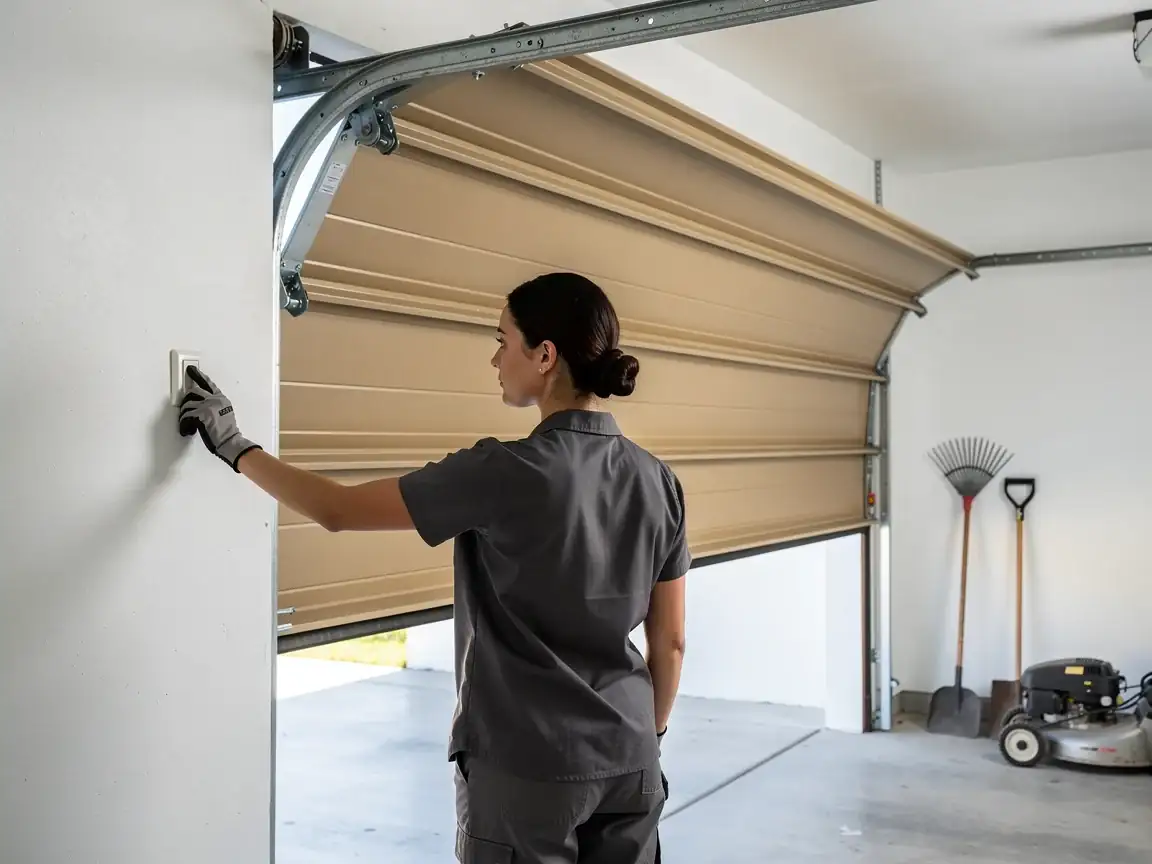
That's usually a cosmetic panel issue - fixable with a panel swap alone. If the door drags, binds, or won't seat flush at the bottom when it's one specific section that's damaged, the impact likely knocked the stile out of square, and that affects the track and rollers too, not just the panel.
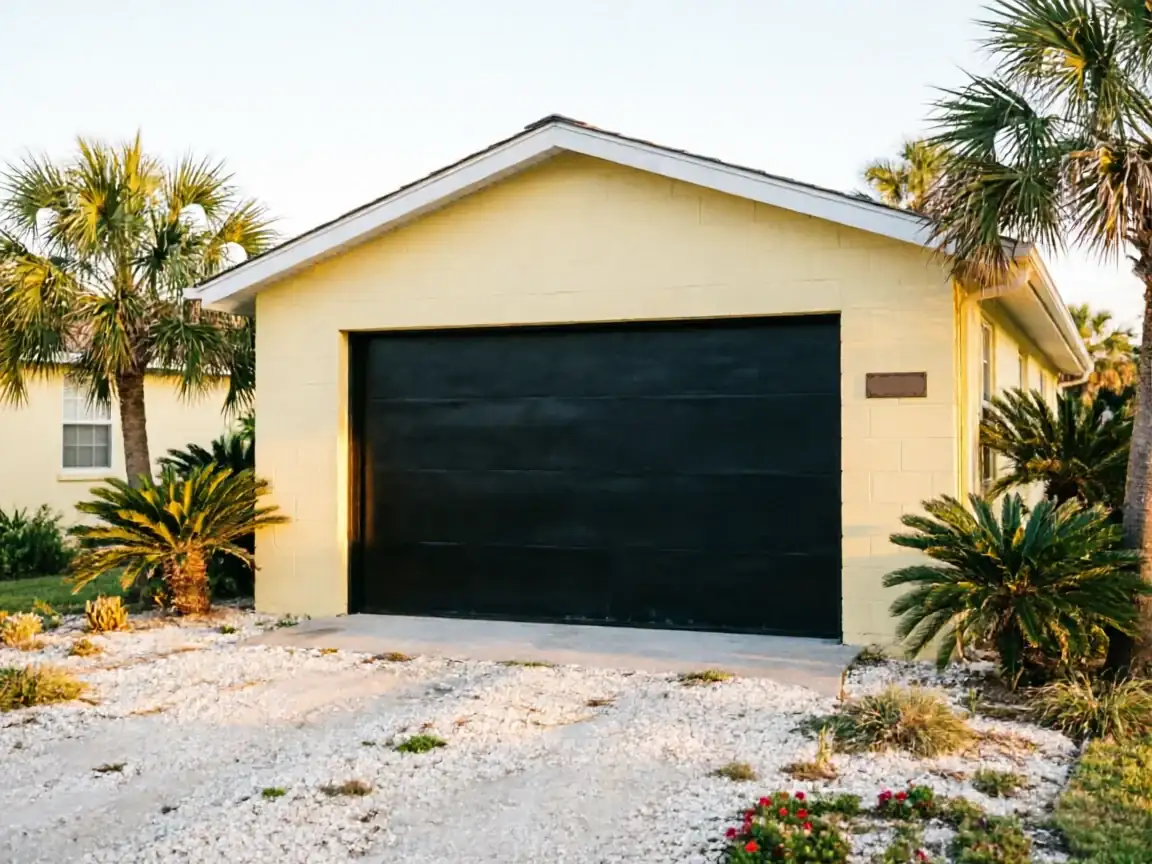
On the 1990-era steel doors common in San Antonio, watch for rust starting at the bottom panel seam
It's the section that catches the most moisture runoff, and once rust starts eating the galvanized coating, a patch panel won't hold paint the same way the rest of the door does.
The Cost of This Job
We don't have a posted price list for panel work here, and we're not going to invent one - cost depends on matching an existing panel profile from a door that's roughly 35 years old versus pulling a current-production replacement, plus whether one panel or several need swapping. With San Antonio's median household income at $89,079, well above the service area's $63,145 average, it's common for homeowners here to ask about full door replacement instead of a patch repair when the color match isn't close - we'll give you both numbers on site so you can decide.