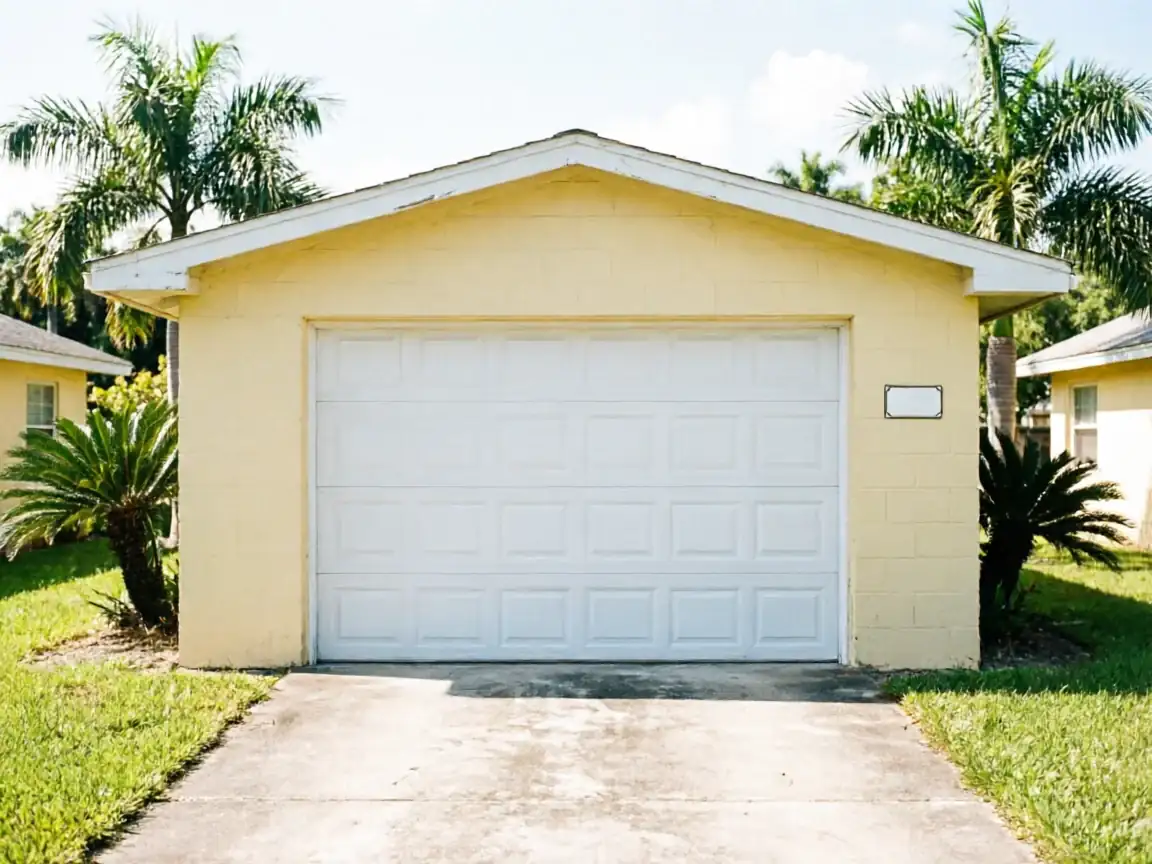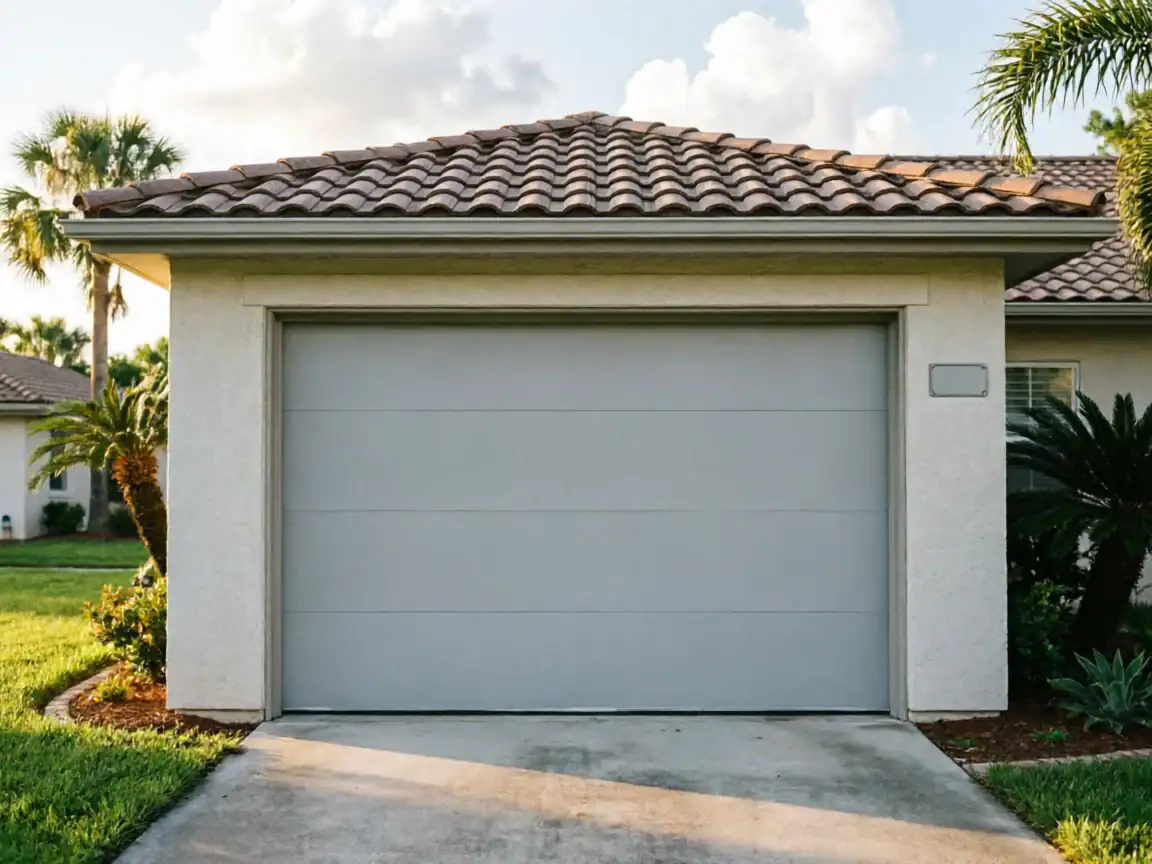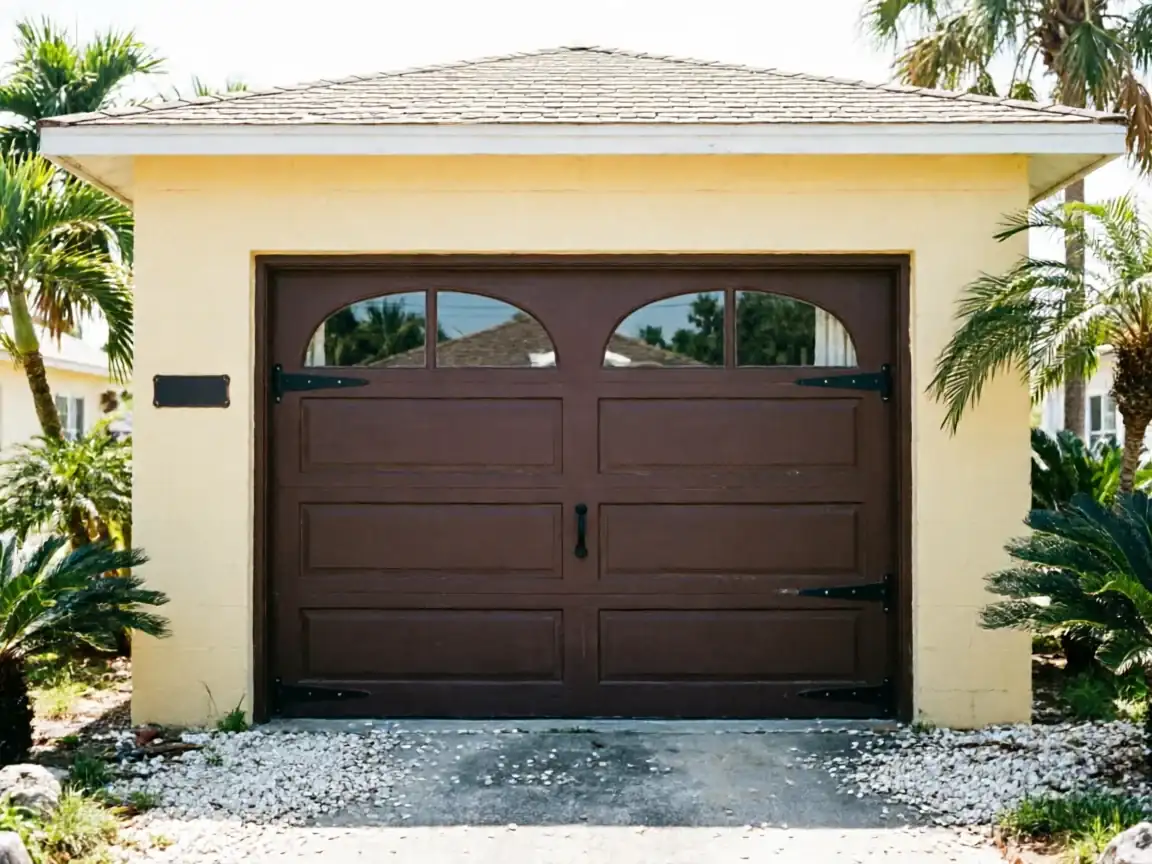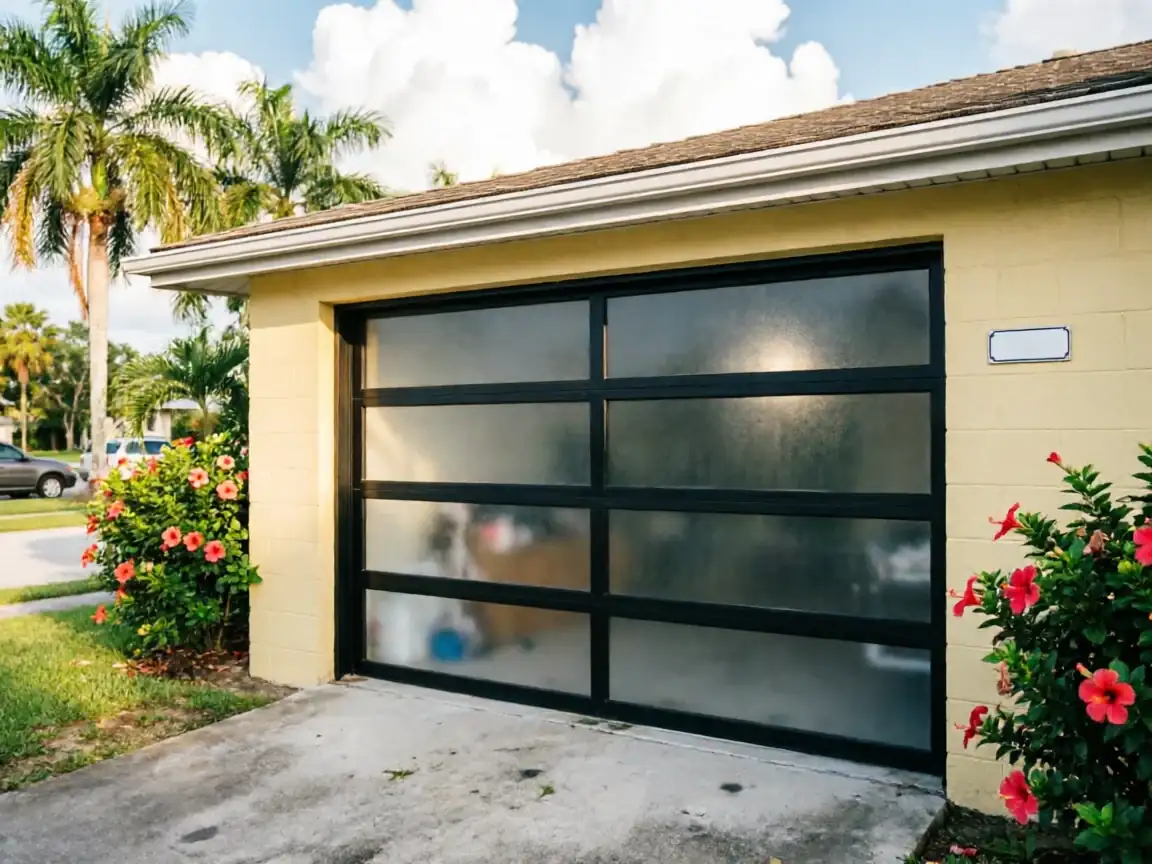
What You Are Seeing
Start with the number that matters most here: median household income in Zephyrhills South runs $39,884, well under the broader service area's $63,145. That gap changes the conversation before a tech even picks up a spring. When a door stops working at 6pm on a weeknight, the question isn't just "what's wrong" - it's whether the fix is a $200 spring swap or a four-figure door replacement, and at this income level that line matters a lot more than it does a few miles up the road.
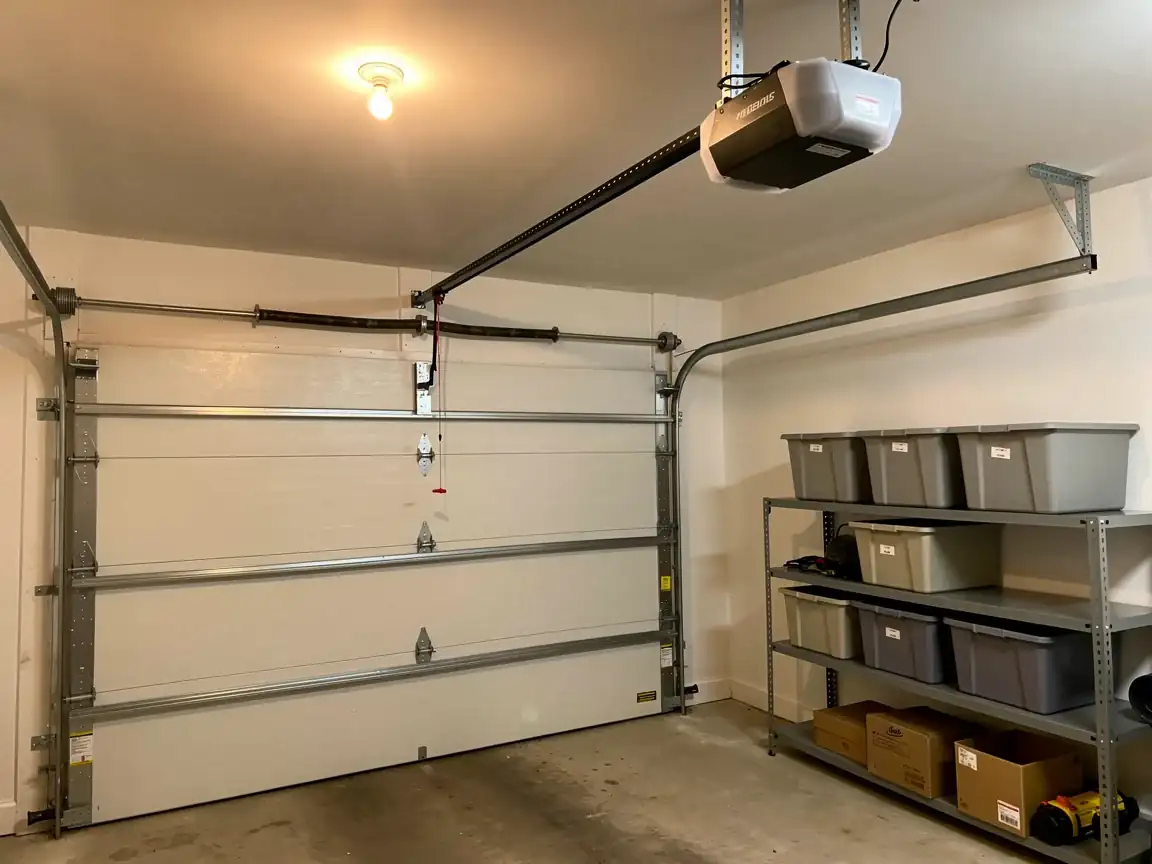
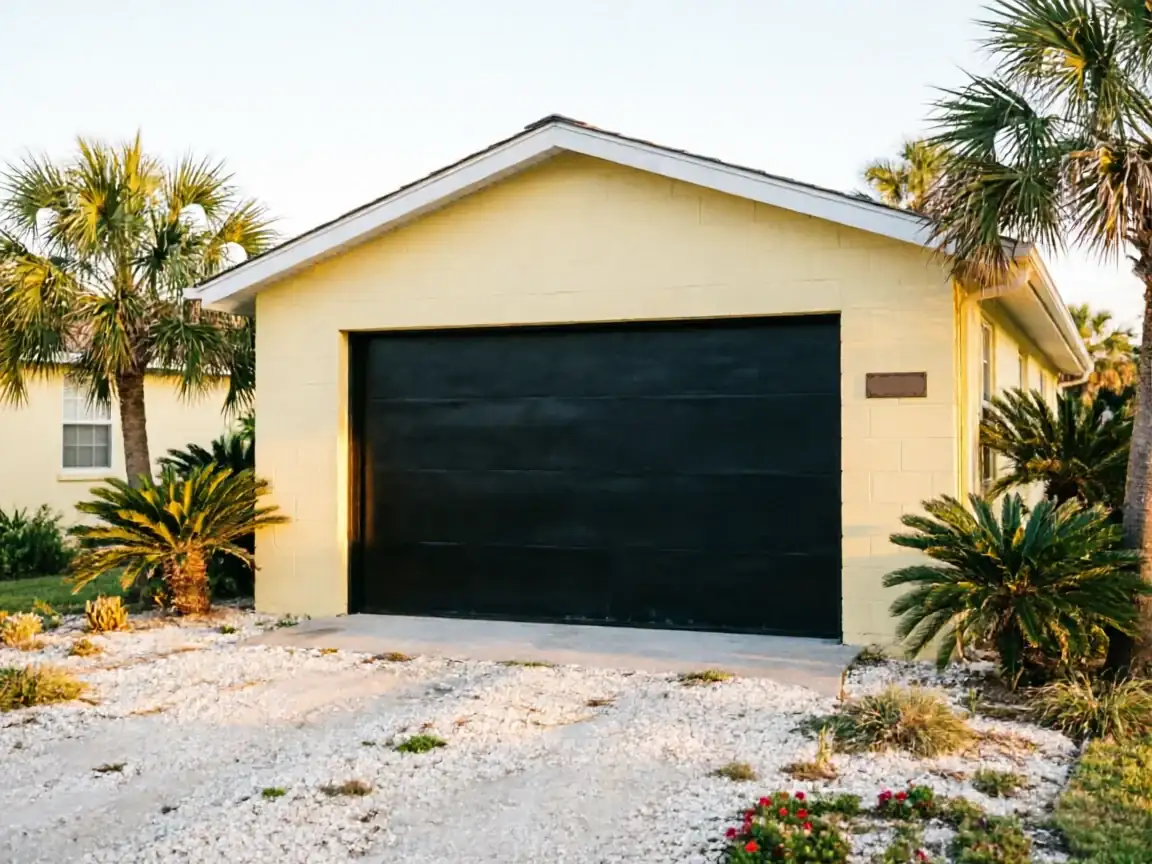
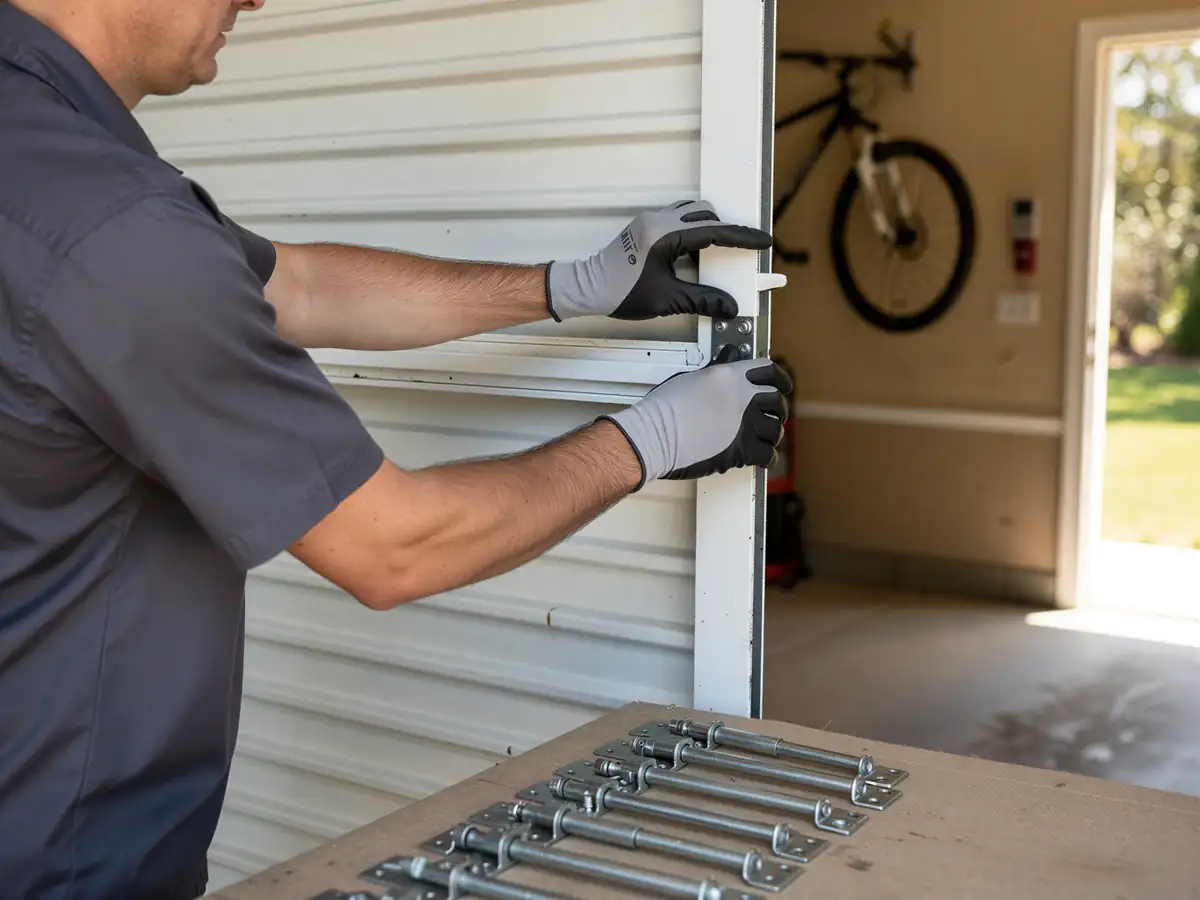
Most houses in this pocket went up around 1985, a touch earlier than the area-wide median of 1988. That puts a lot of garages here on original or first-generation replacement hardware - extension springs mounted on the side rather than torsion bars overhead, steel doors with no foam backing, chain-drive openers that have outlived two or three remote controls. None of that is unusual. It just means the failure you're looking at tonight is probably mechanical and probably something that's been wearing down slowly, not something that snapped out of nowhere.
What Can Go Wrong
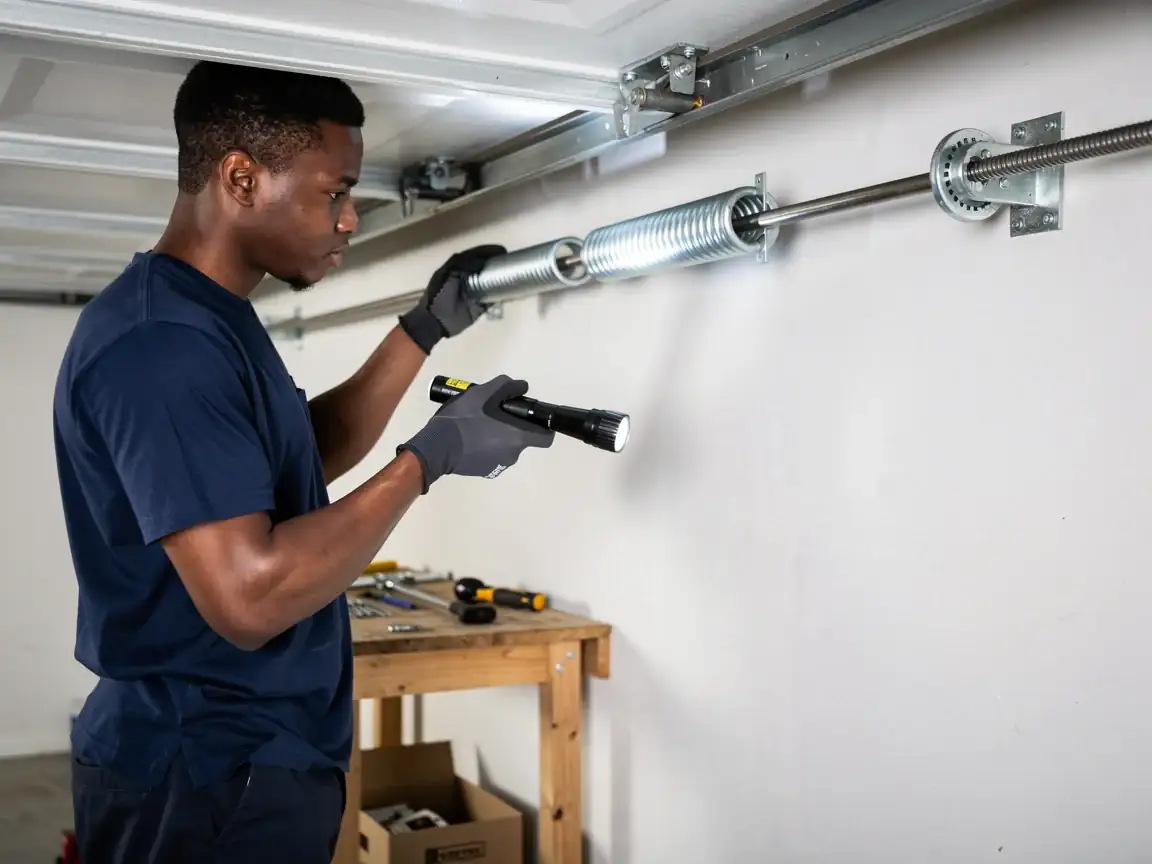
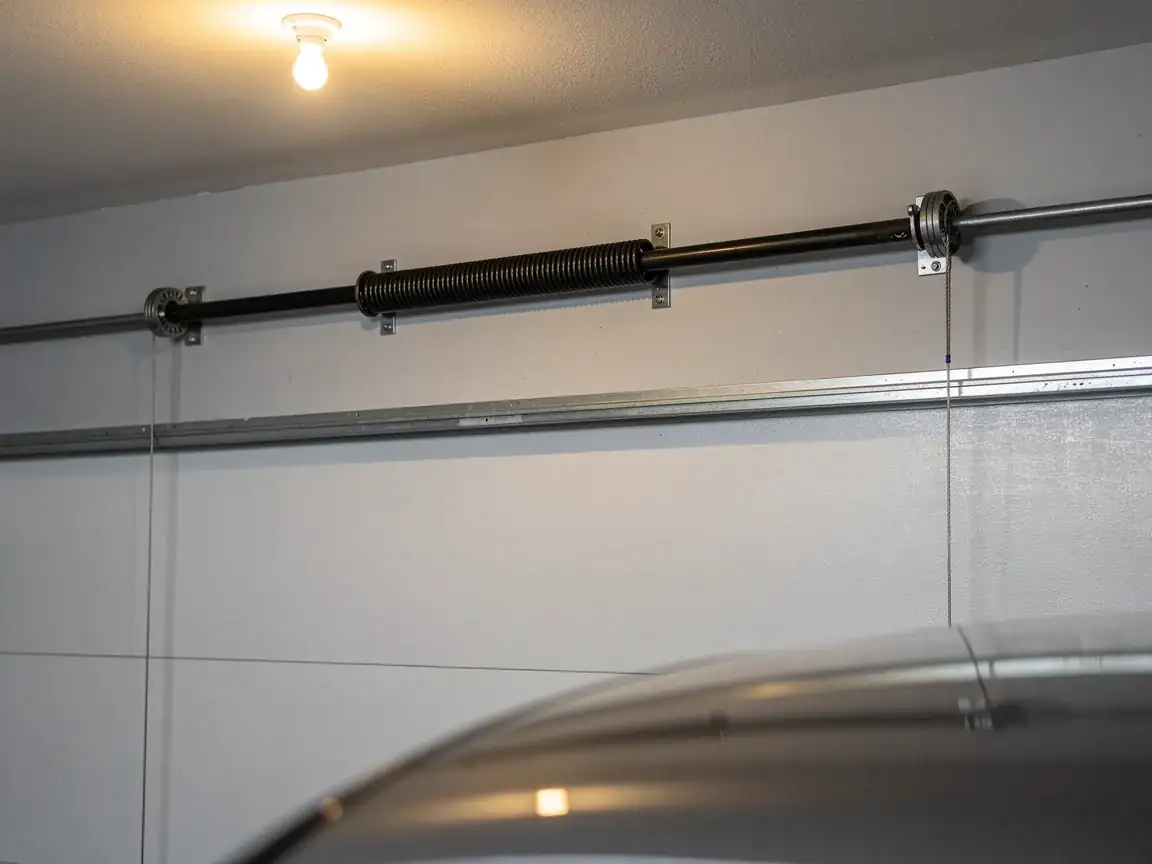
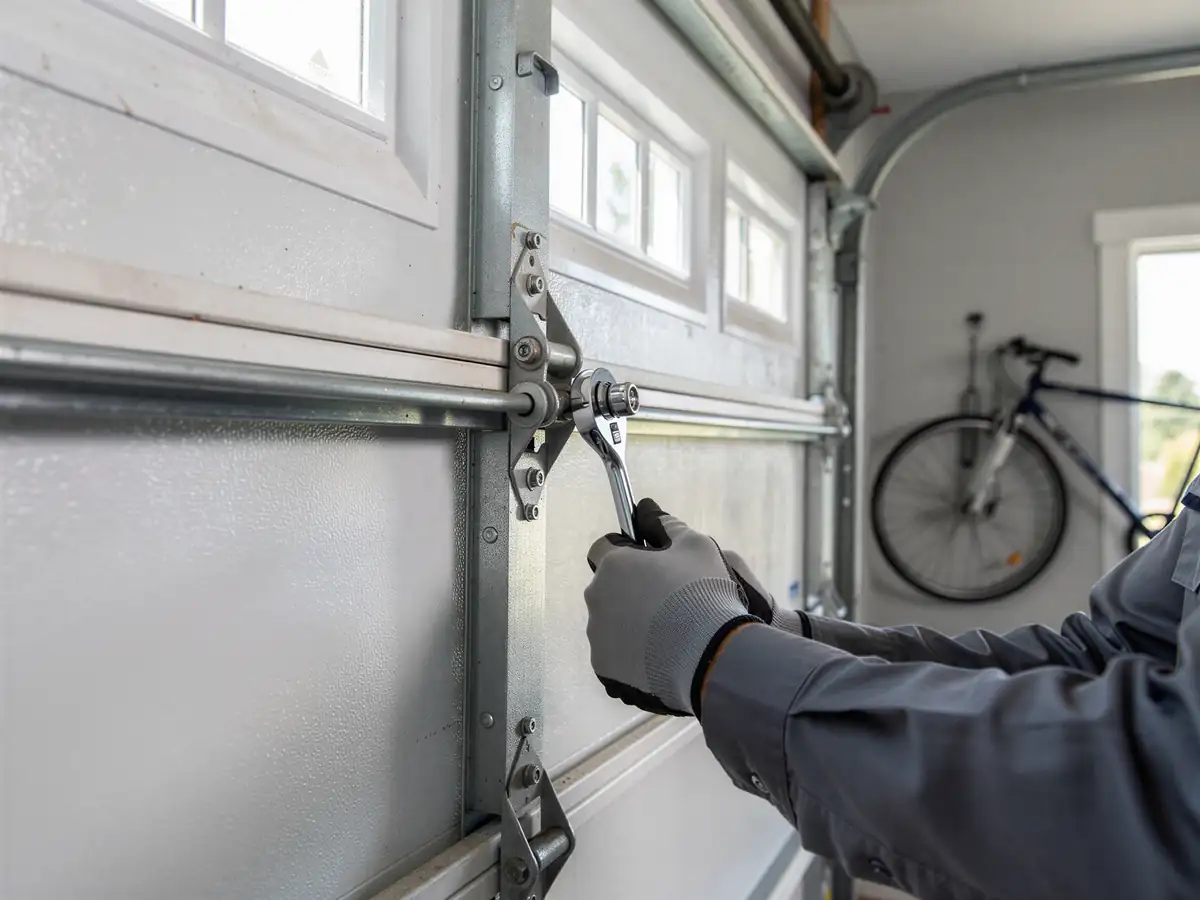
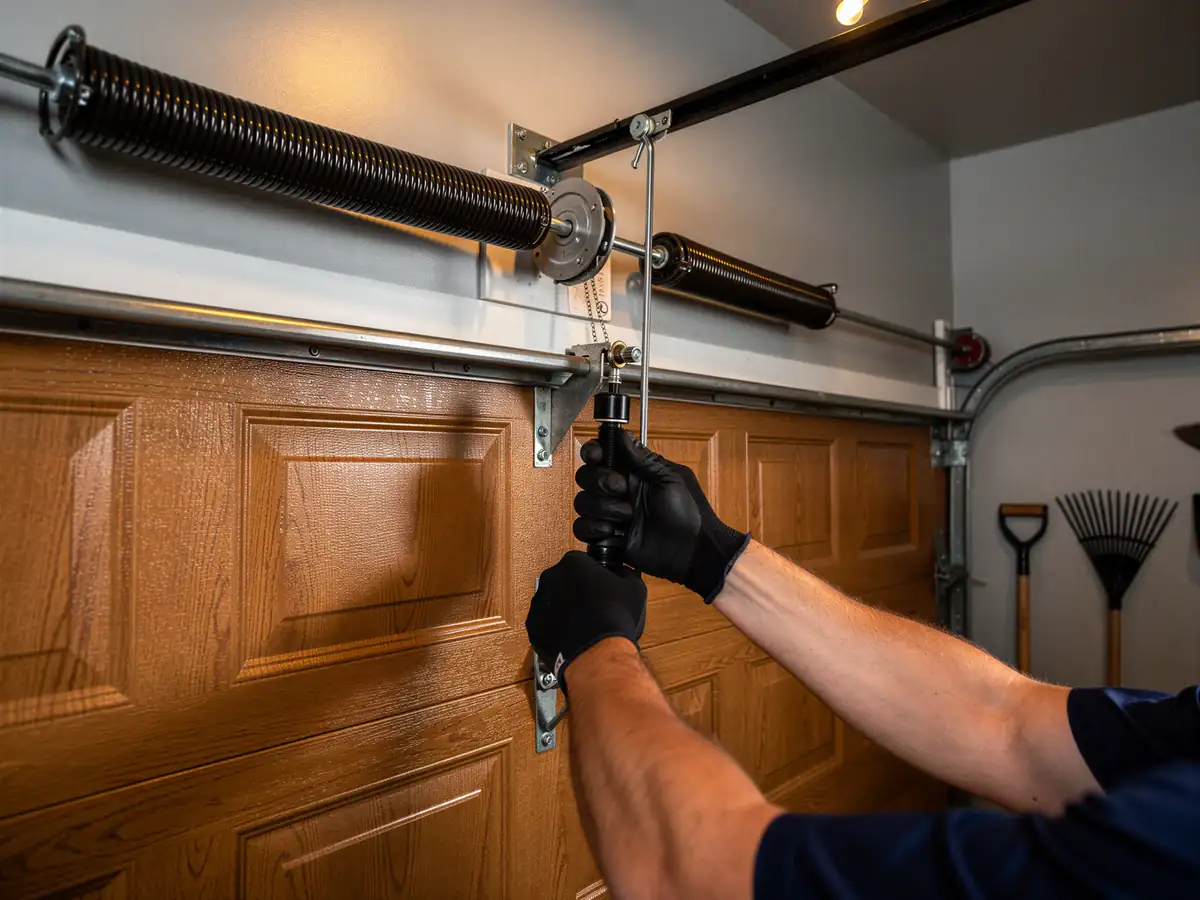
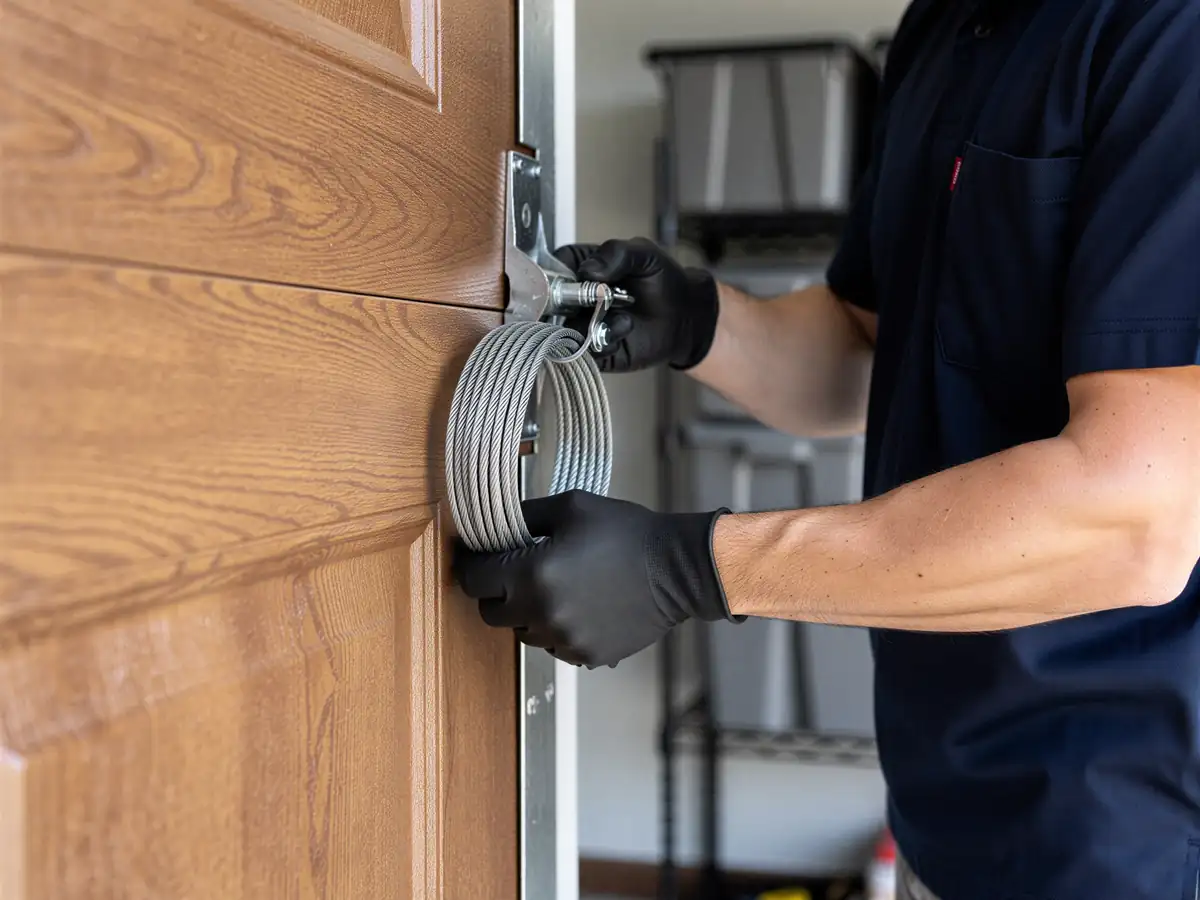
On 1980s extension-spring setups, the common emergency is a snapped spring cable or a spring itself giving out - usually with a bang loud enough to bring you into the garage to check. Because these are side-mounted systems, a broken spring on one side can let the door hang crooked, which puts extra strain on the opener trying to lift an unbalanced door. Keep running the opener and you risk burning out the motor on top of the spring problem.
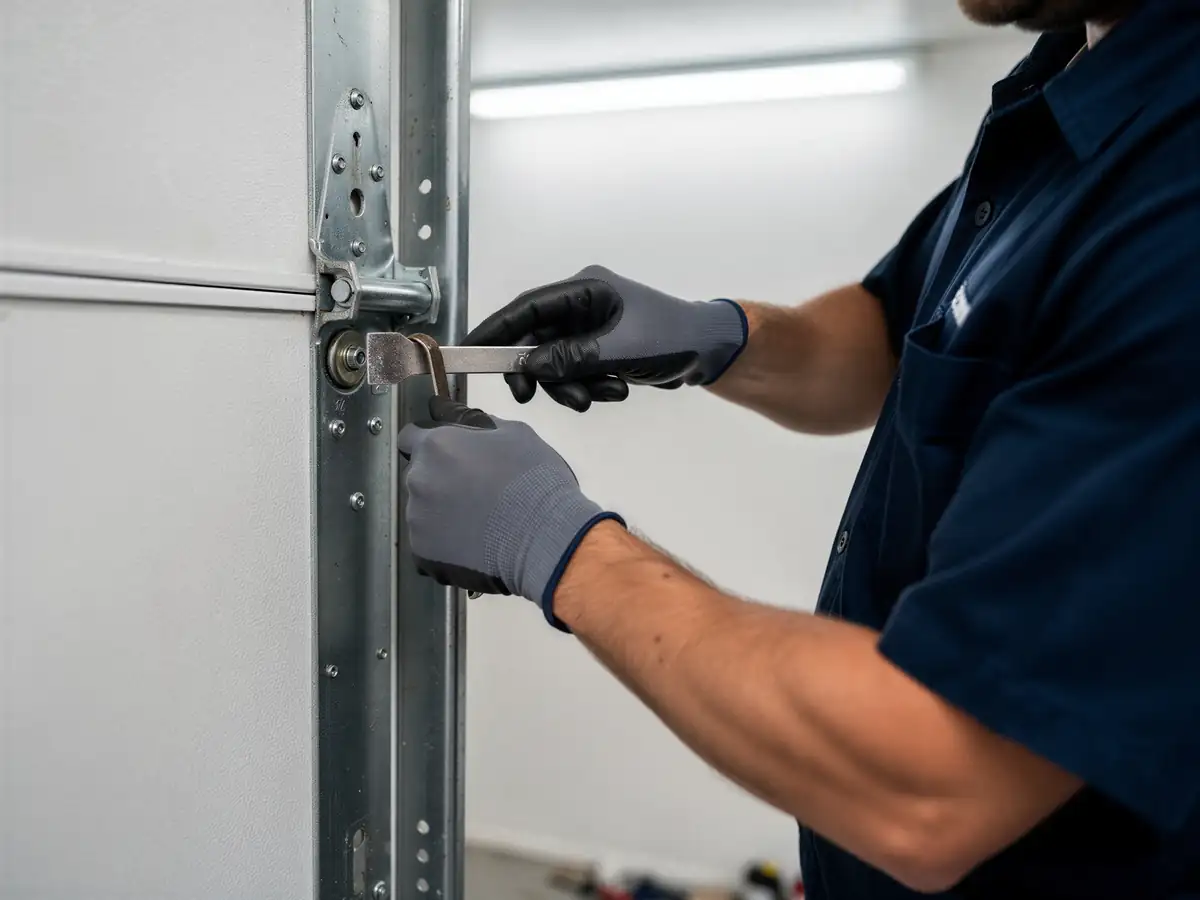
Steel doors from this era without insulation also flex more than a modern panel, so a cracked or bent panel after a minor impact is a bigger structural problem than it looks - the door can bind in the track and refuse to move at all. The mild temperate climate here isn't hard on doors the way freeze-thaw cycles are elsewhere, but steady humidity does its own quiet damage: rust creeping into spring coils and cable ends over thirty-plus years, which is usually what's actually failing when a door that worked fine yesterday won't budge today.
Can You Do This Yourself
Some of this is safe to check yourself
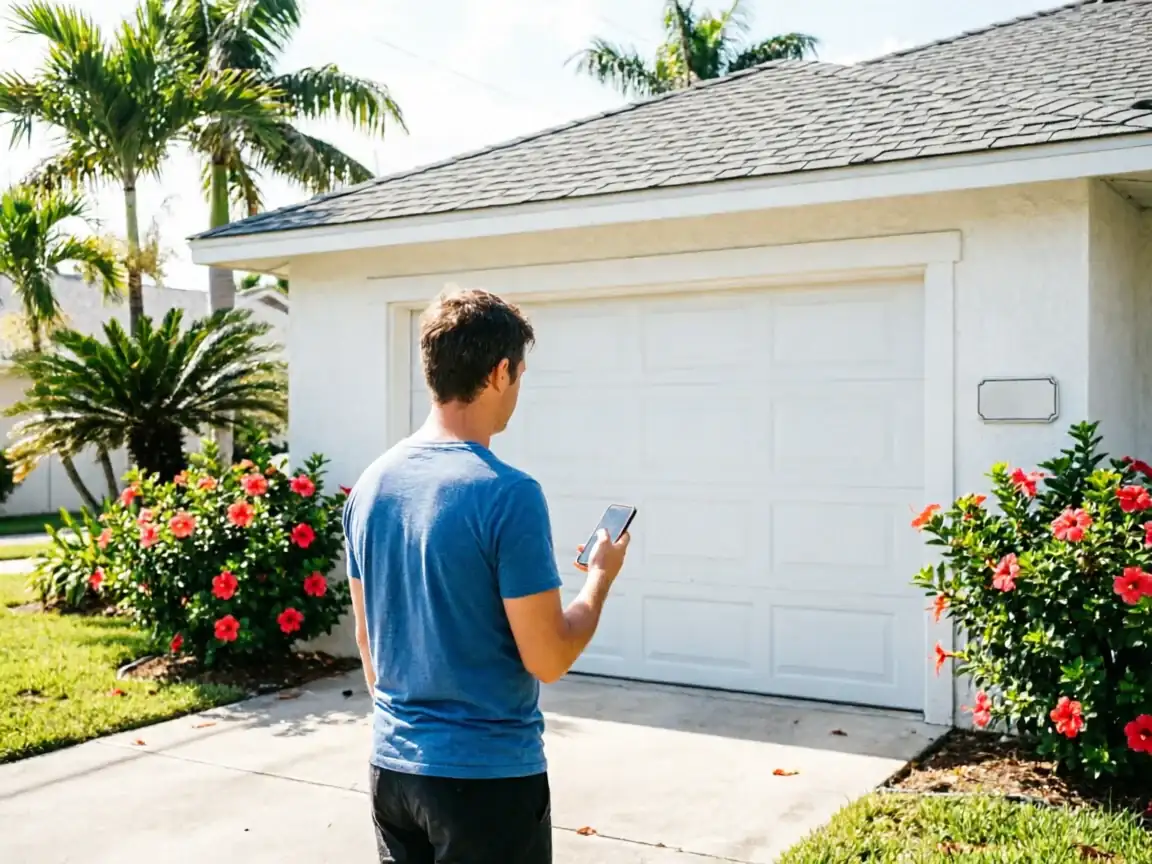
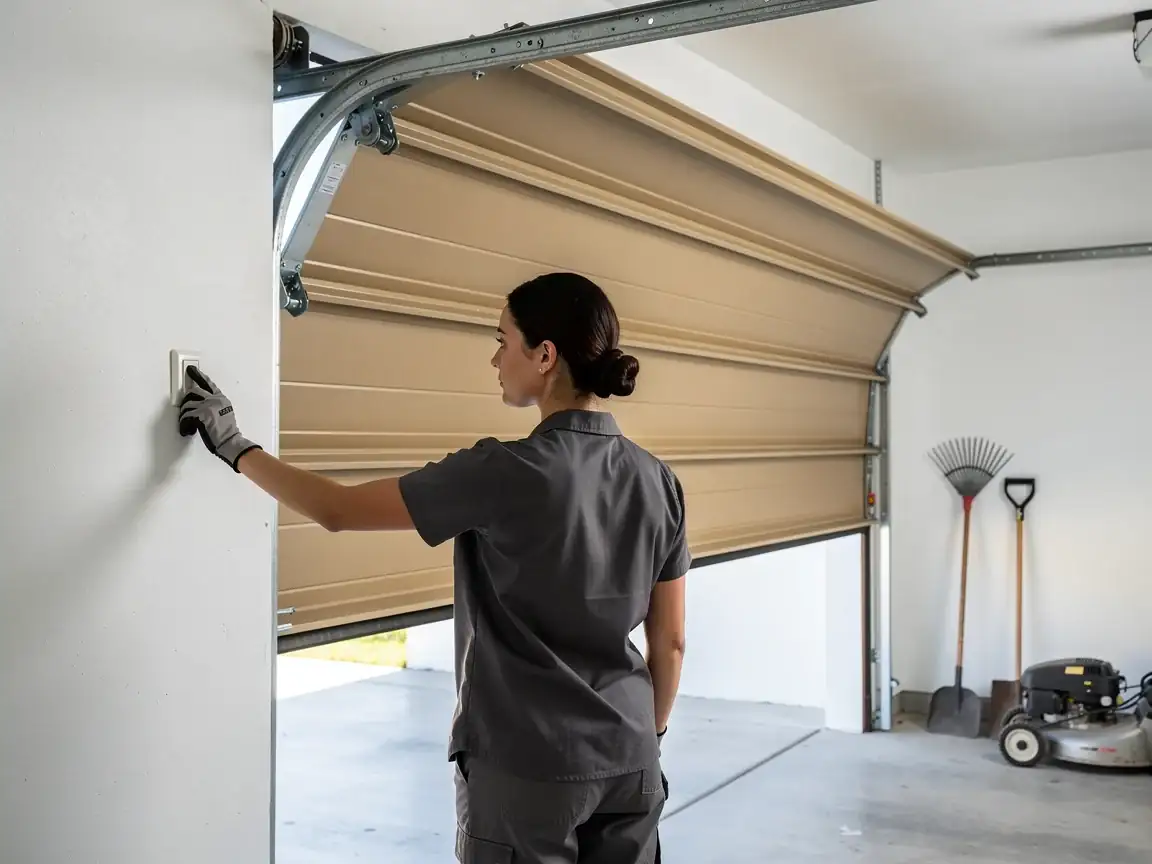
If the door won't open, look first at whether the opener has power, whether the manual release cord has been pulled by accident, and whether anything is blocking the track. Those are five-minute checks and cost nothing.
What you should not do is touch a wound spring, even a broken one
Extension springs under tension can whip hard enough to cause real injury, and on the side-mount systems common in houses built around 1985, there's often no safety cable holding things in place if something lets go. If the door is hanging unevenly or a cable has snapped, leave the opener alone and call it in rather than forcing the door by hand.
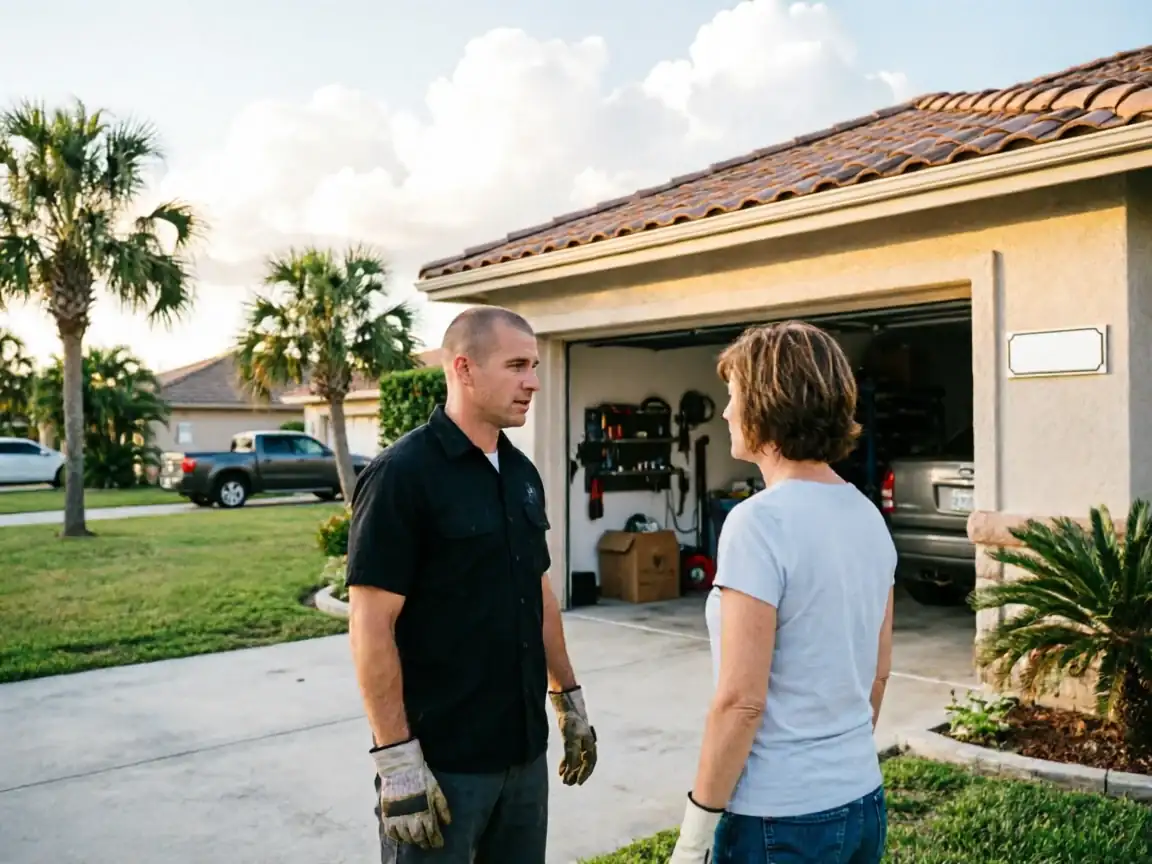
One honest limit: we dispatch out of Wesley Chapel, 8 miles from Zephyrhills South
So there's real drive time on any call here. We're not a branch around the corner - plan for the travel when you're deciding how urgent the fix is versus whether it can wait for morning.
- 8 miles
Why This Fails Locally
Put the pieces together and the pattern is specific to this neighborhood. With 2,631 households here, this is a smaller, mostly single-family stretch where garages built in the mid-1980s are now reaching the age where original hardware - springs, cables, rollers - is past its working life all at once rather than one part at a time. That's a different failure curve than a newer subdivision where everything is still under its first set of parts.
And because median income here sits well below the area average, the repair-or-replace decision carries more weight. A full door replacement that's a minor expense in a higher-income pocket is a much bigger decision at $39,884 median household income, which is exactly why getting the diagnosis right - spring versus opener versus track versus panel - matters more here than a generic answer about garage door trouble ever could.