What You Are Seeing
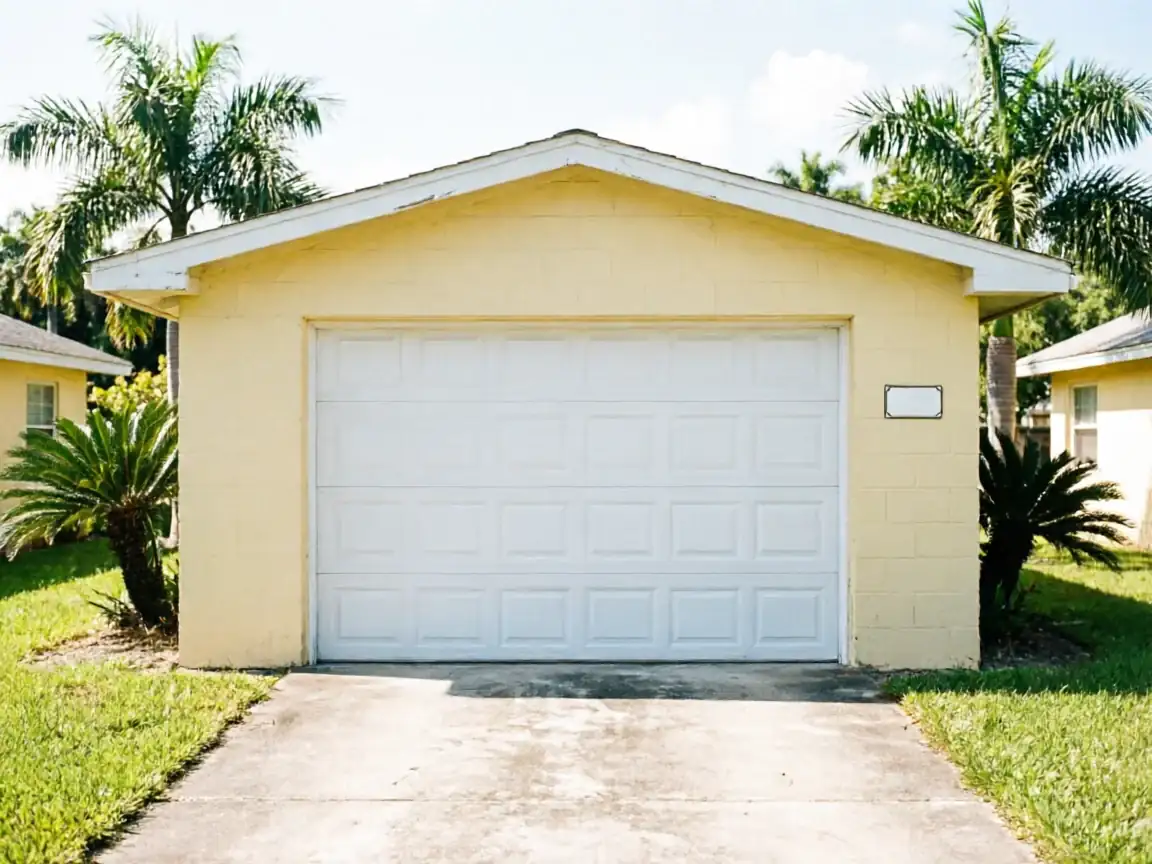
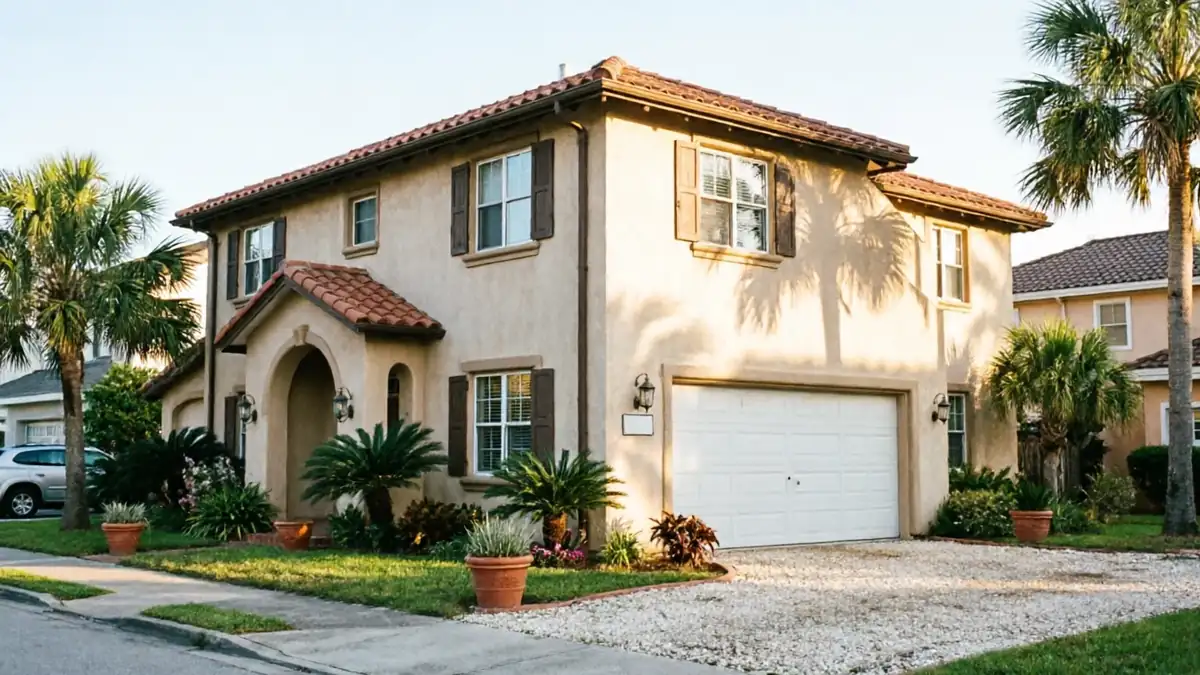
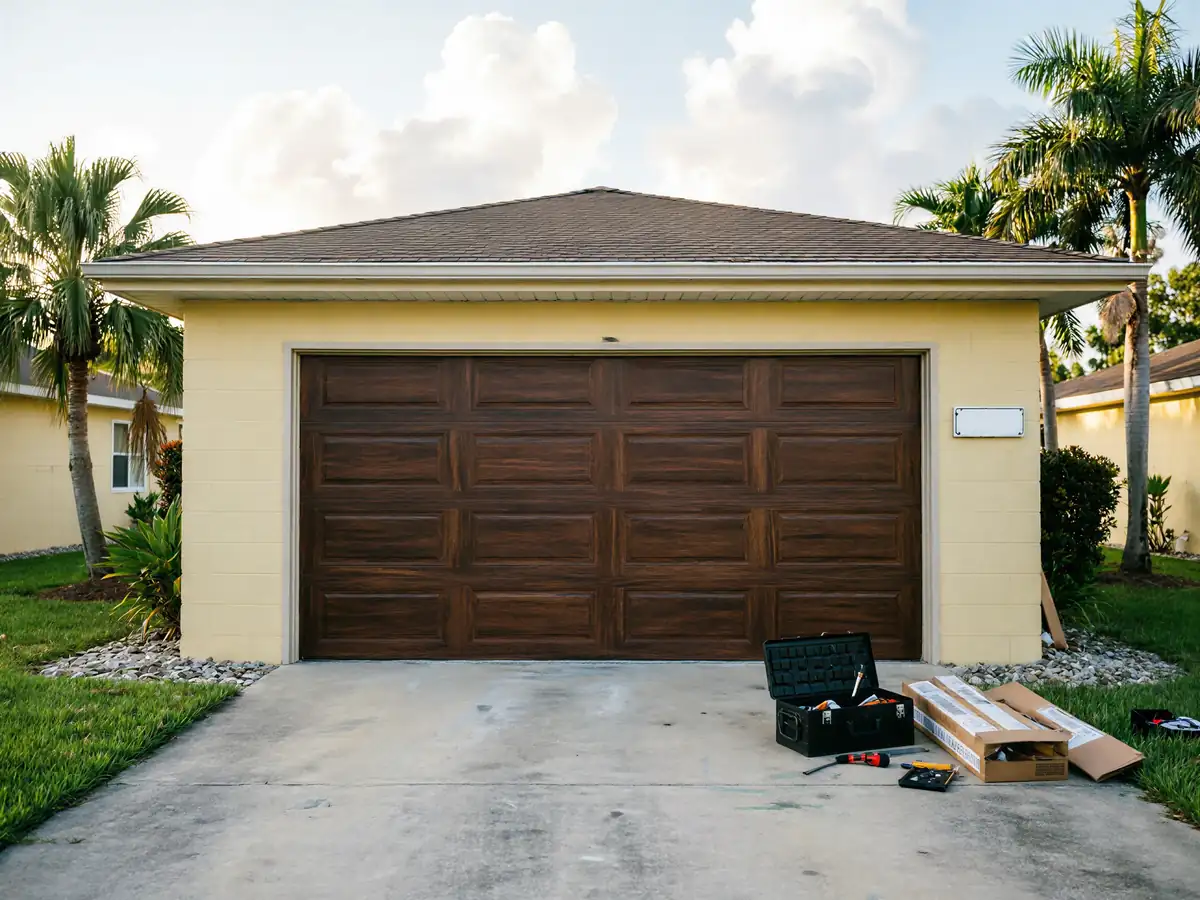
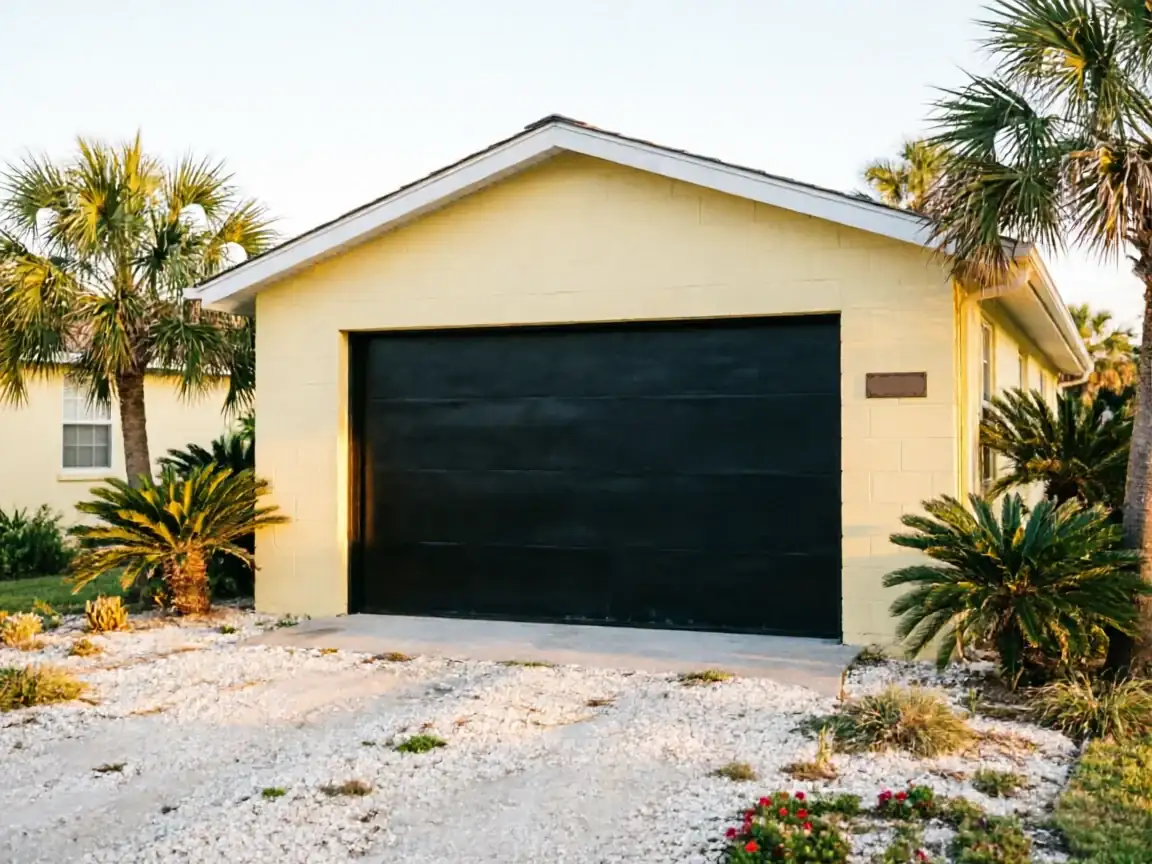
Across the wider Wesley Chapel service area the median home was built around 1988, but Zephyrhills South's stock skews a touch older, with a median build year closer to 1985. That three-year gap sounds small until you're standing in front of the door. Mid-80s installs were more likely to ship with lighter-gauge track and shorter stub shafts than the doors going up a few years later, and after three decades those brackets have usually loosened at least once, even if nobody noticed.
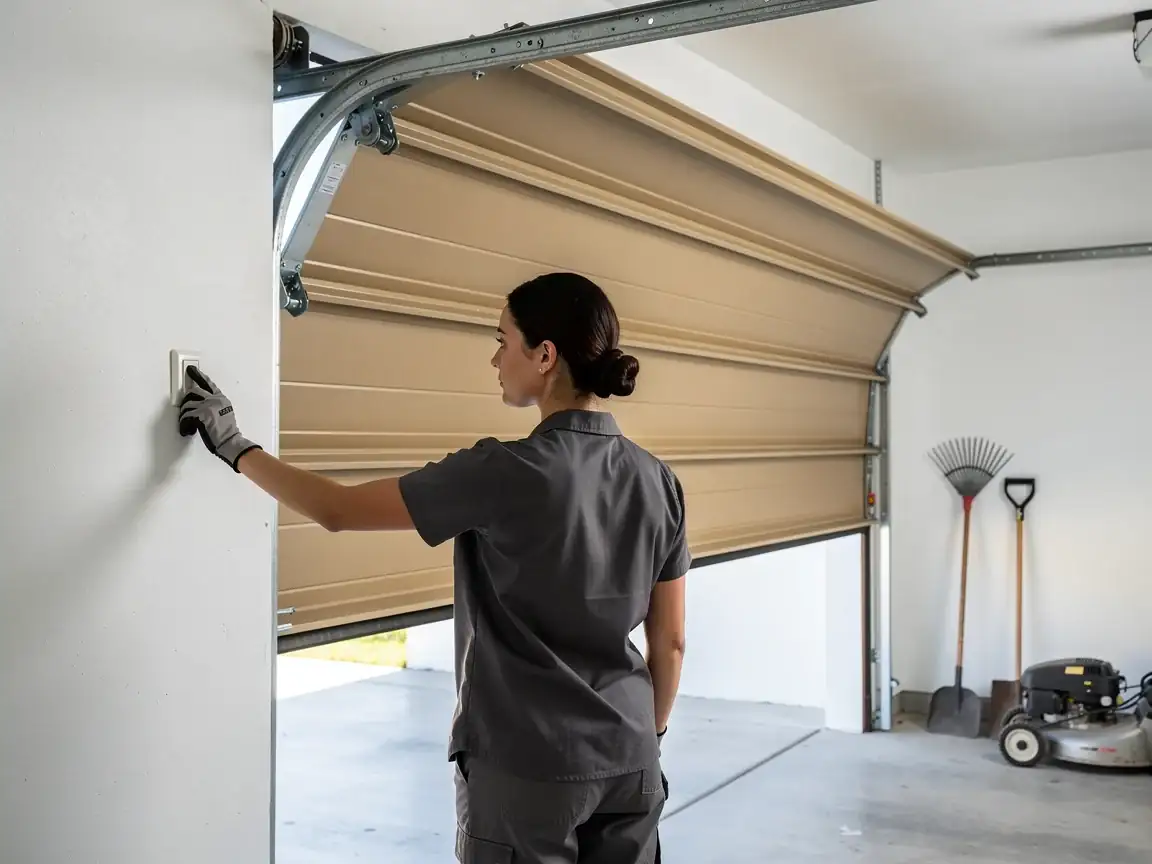
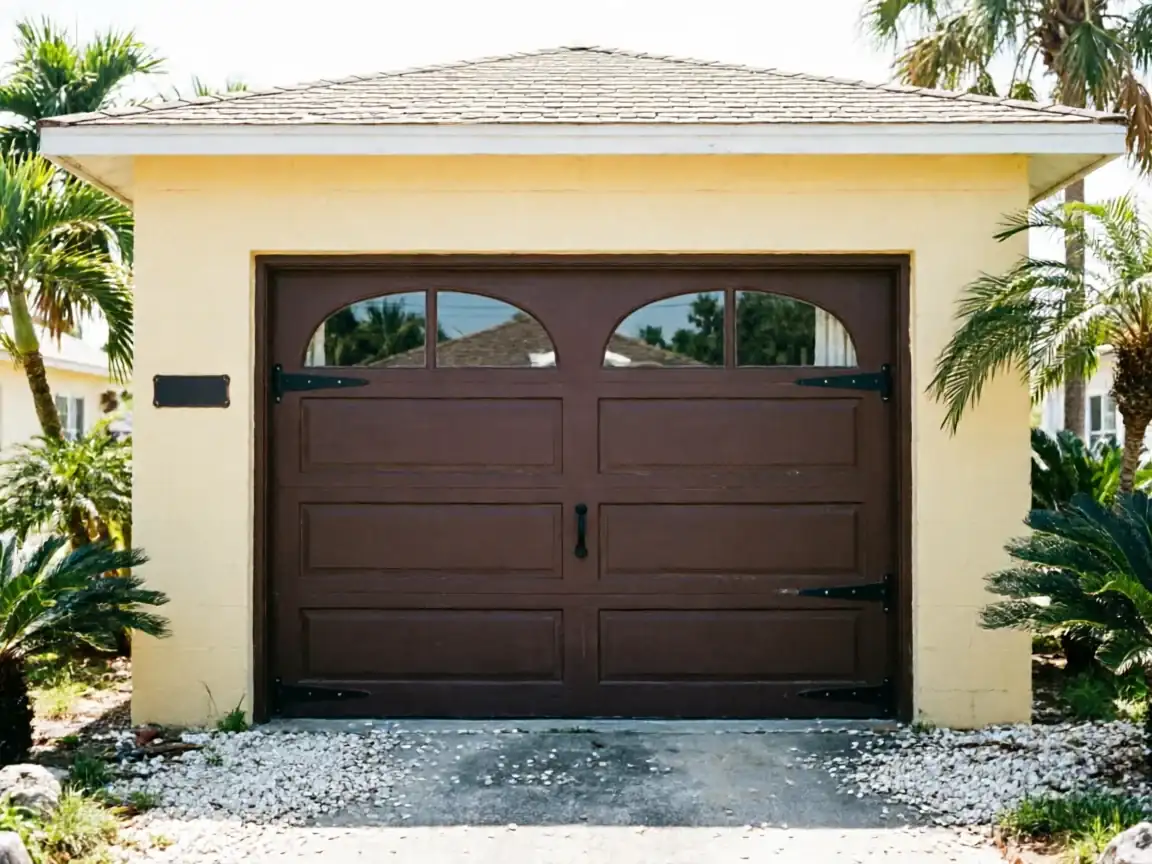
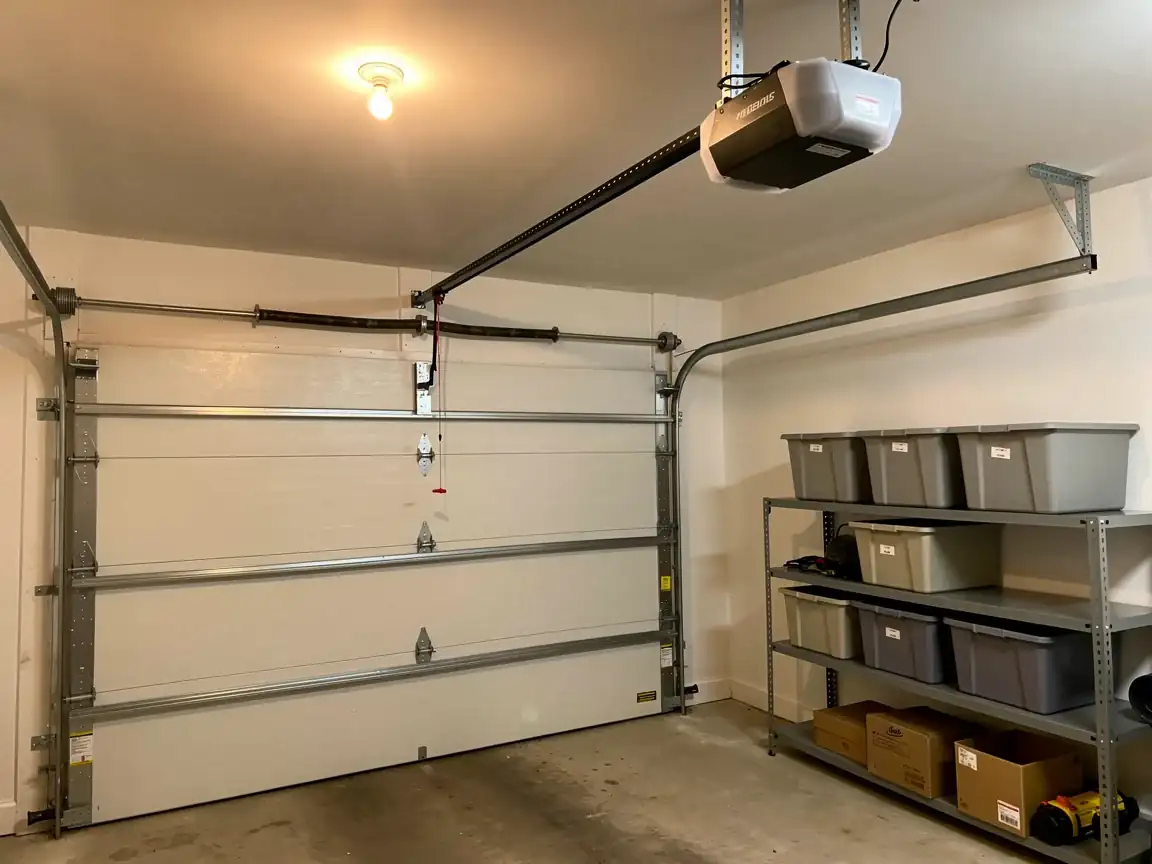
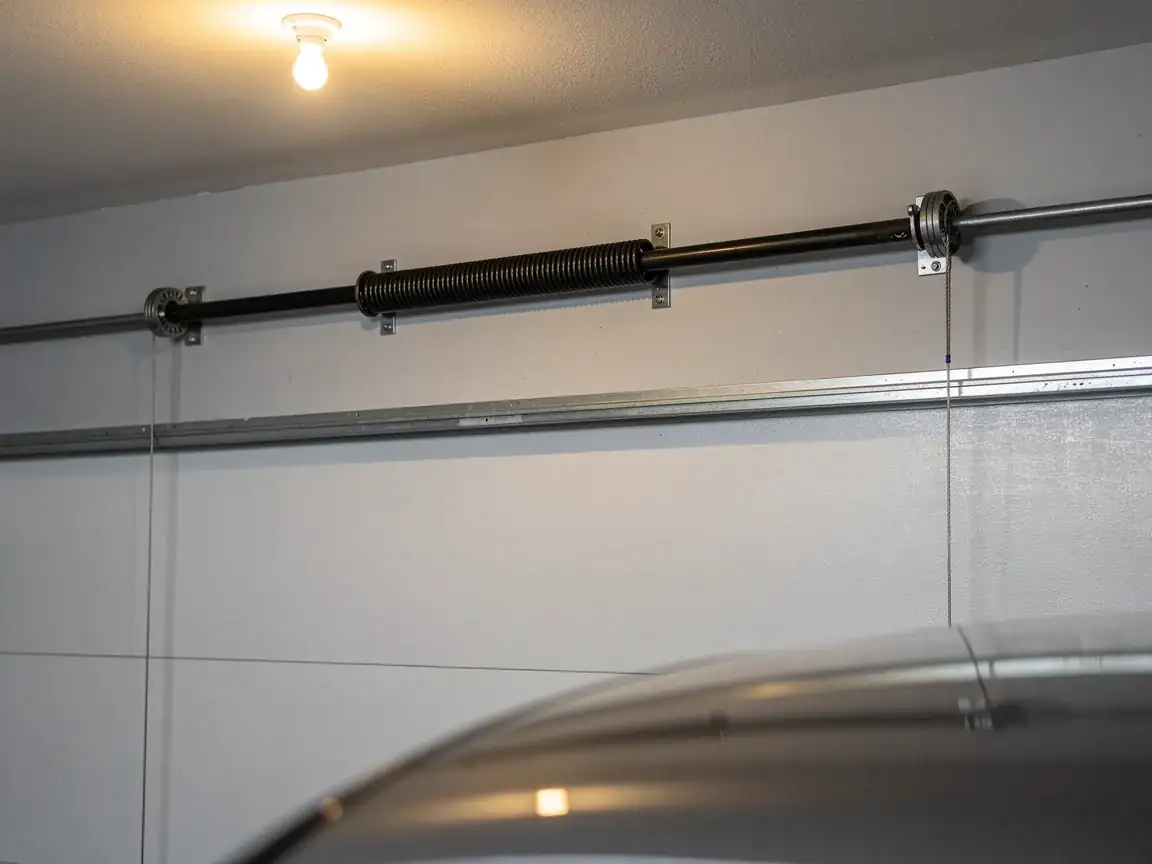
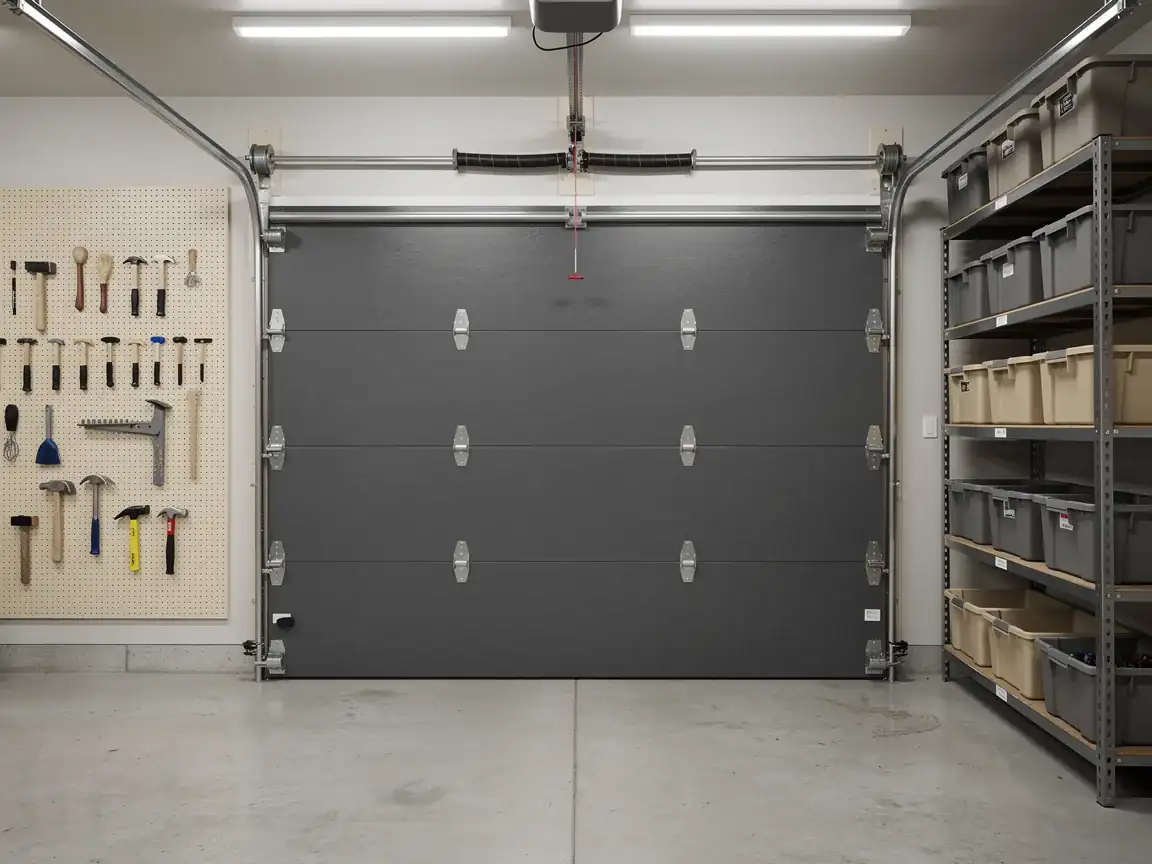
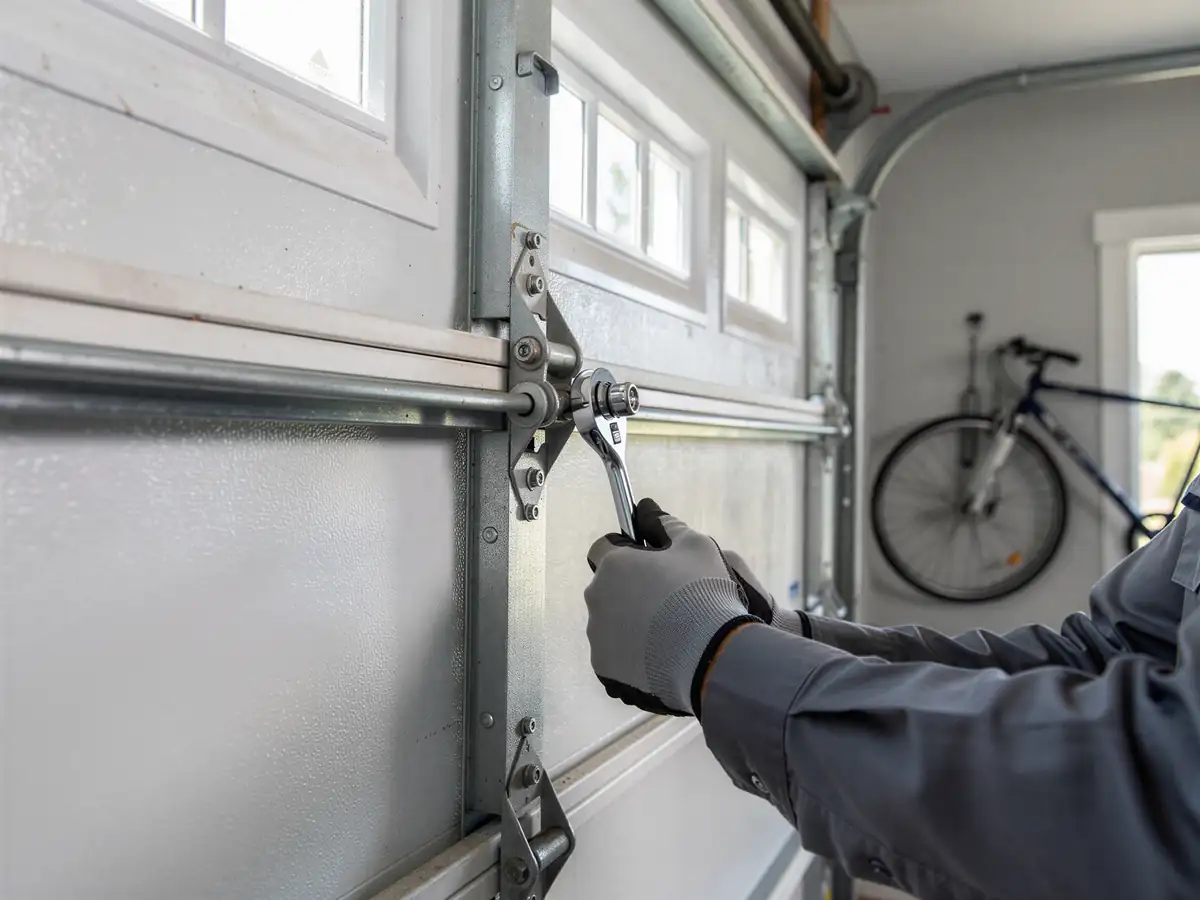
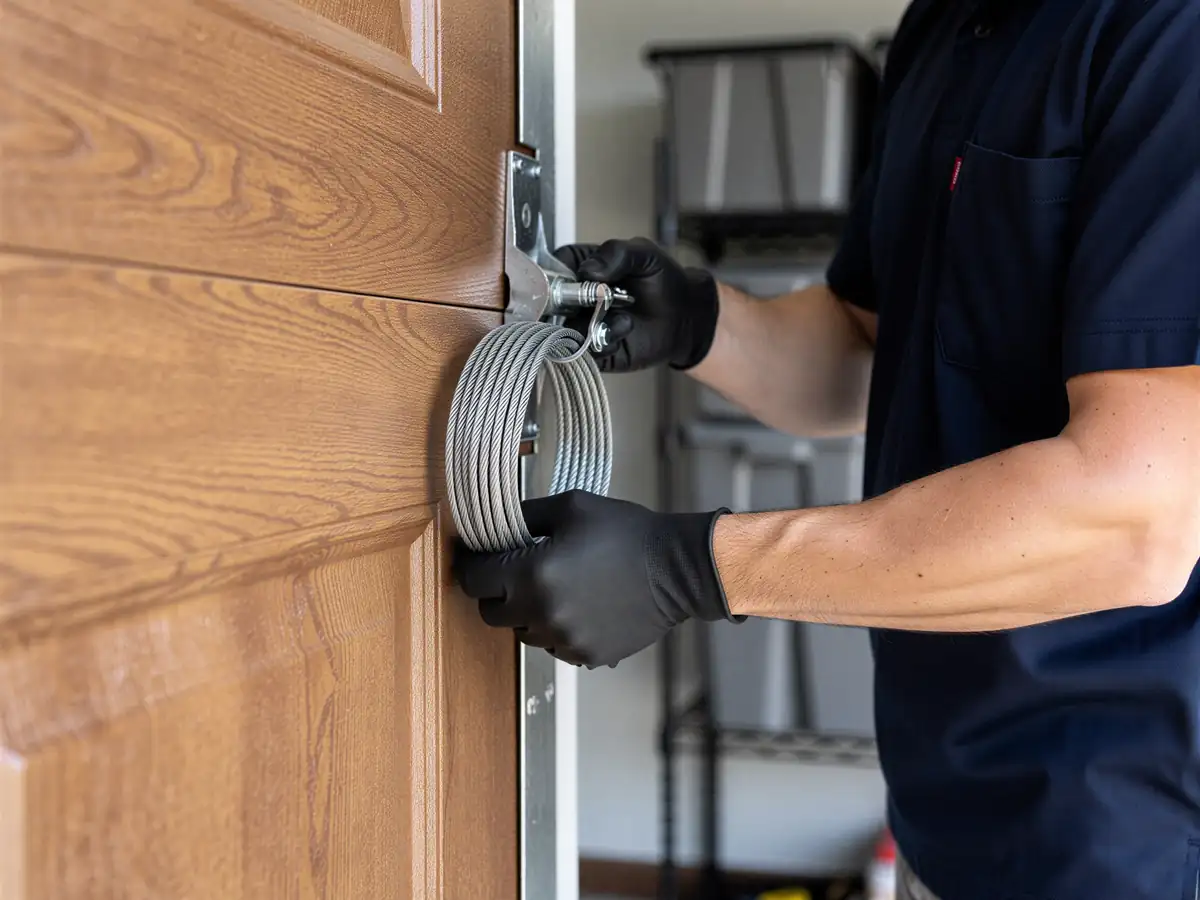
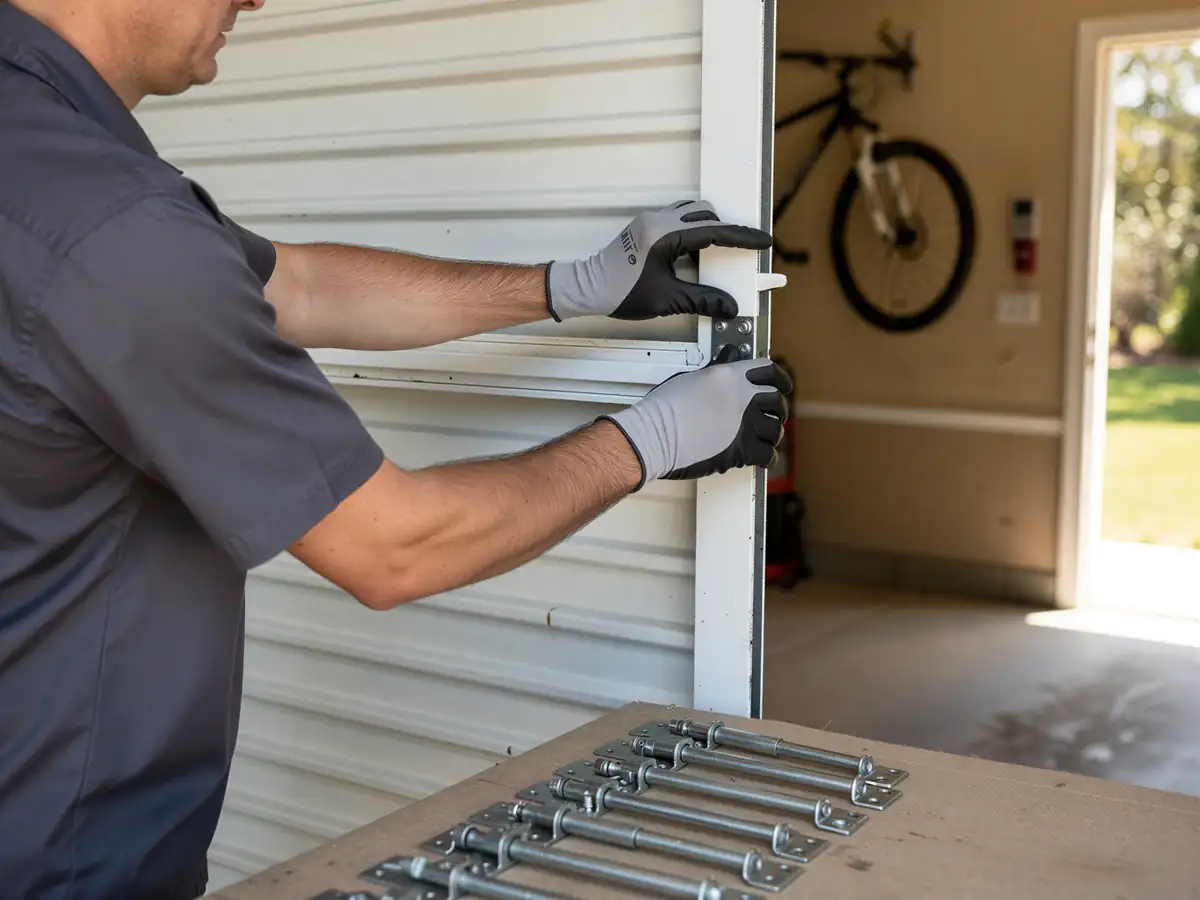
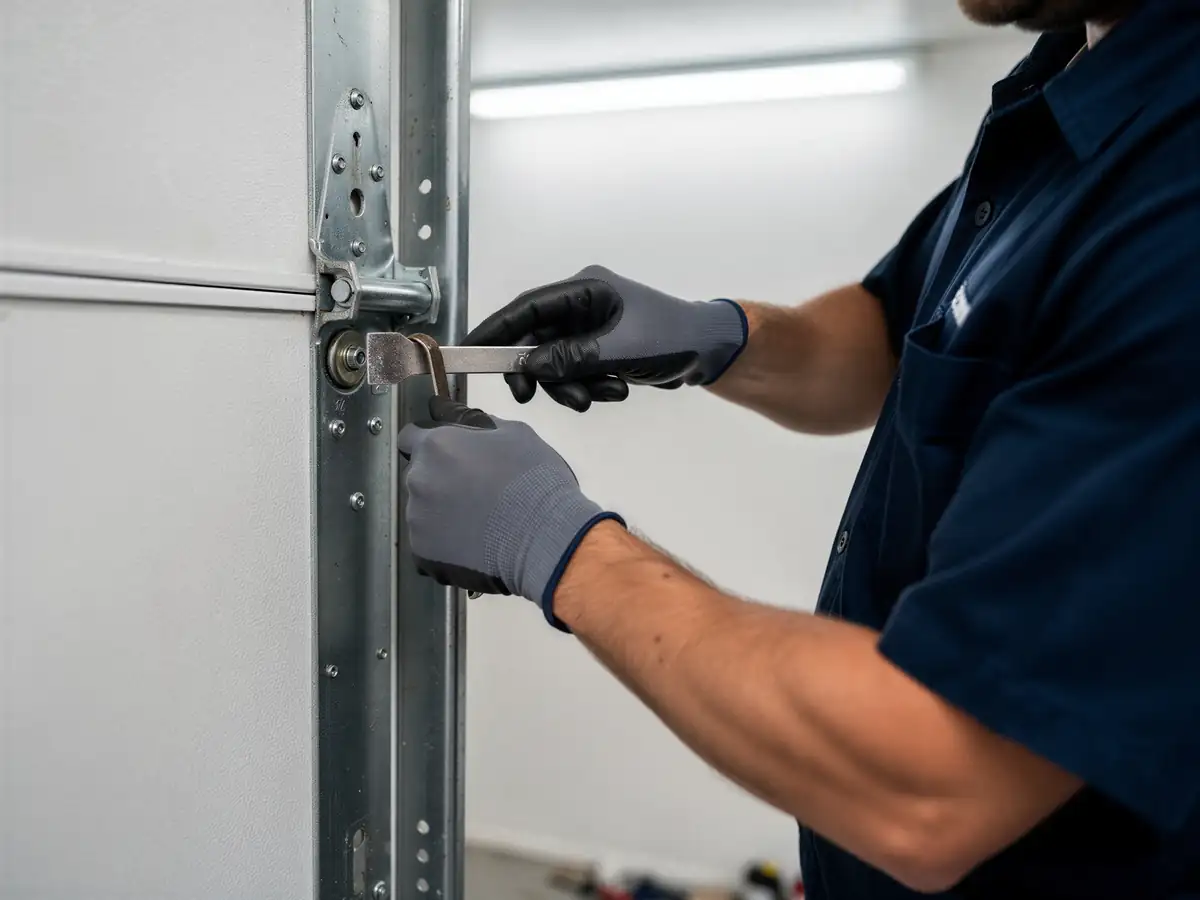
What you're looking at when a door comes off-track is almost always one of two things: a roller that's jumped the horizontal track because a bracket bent or backed out, or a cable that's slipped off the bottom bracket drum and let one side of the door drop crooked. On a mid-80s door, the bottom brackets are original hardware more often than not - they were never a part homeowners replaced on a schedule, so they're still the same stamped steel from installation. That's the detail that matters here more than it would on a newer build a few miles north.
What Can Go Wrong
With 2,631 households in Zephyrhills South and a median income of $39,884 - noticeably below the $63,145 median across the broader service area - a lot of owners here are working with doors that have had deferred maintenance rather than a replacement. An off-track door on 35-year-old hardware is rarely a clean, isolated fix. The bracket that let go is often the same bracket that's been slowly working loose for years, and the track it pulled away from may have bent enough that just rehanging the door isn't enough.
The mild temperate climate here doesn't put much stress on steel through freeze-thaw cycles, so corrosion and cracking aren't usually the driver the way they'd be further north. What does drive it in this area is age combined with use: more cycles on original rollers and brackets than the hardware was built to take before nobody thought to check it. Forcing the door back onto a bent track, or running the opener on a door that's already hanging crooked, is how a bracket repair turns into a torn panel or a stripped opener gear.
Can You Do This Yourself
If a door has only partly jumped the track and is still sitting mostly square
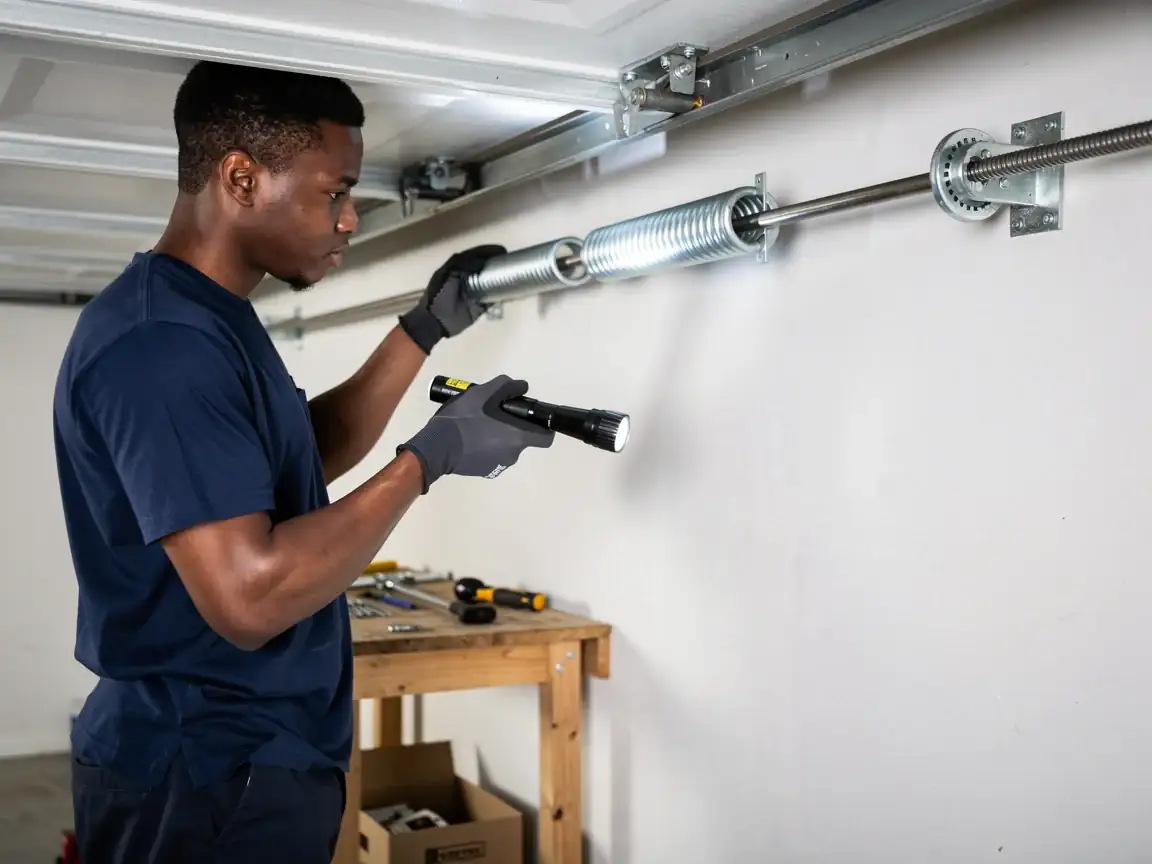
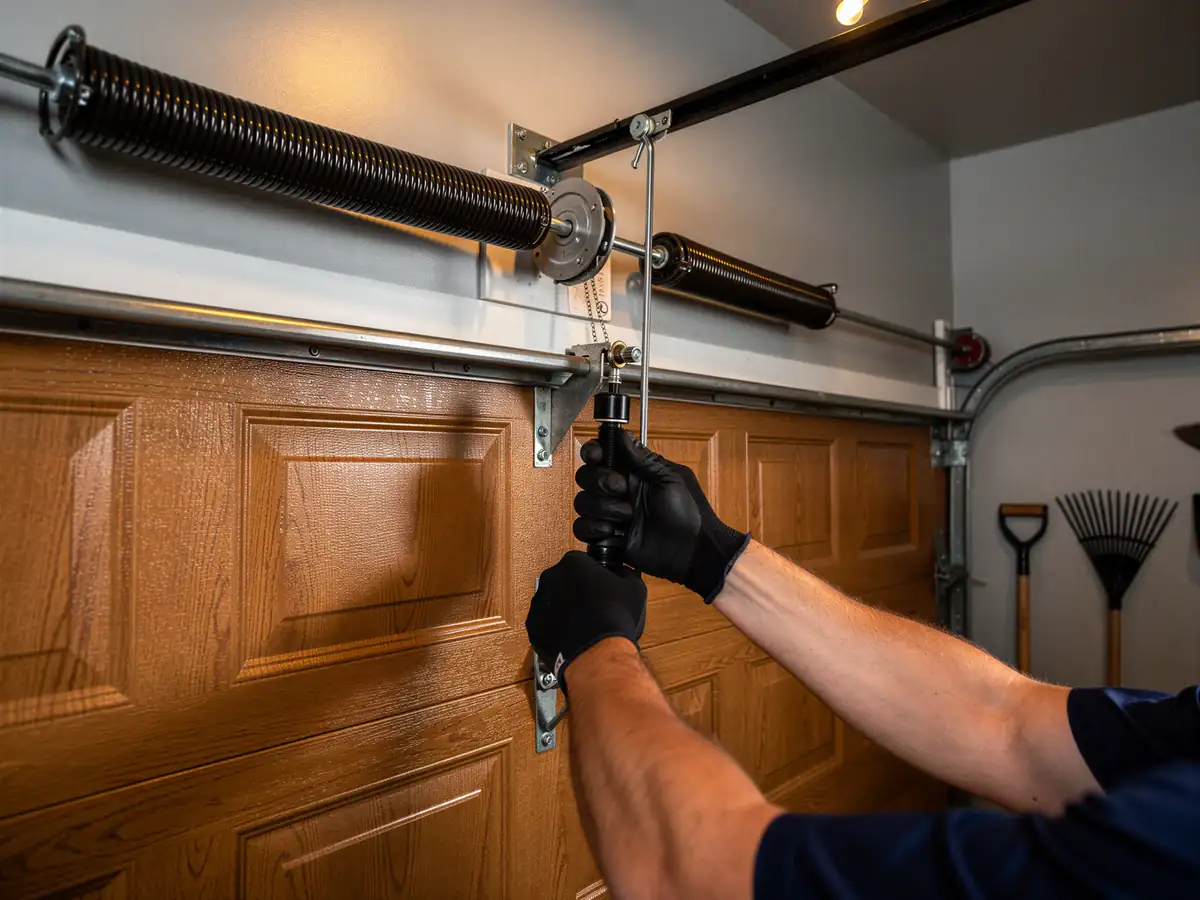
Some owners manage to walk it back on by hand with the opener disconnected. That's about the limit of what's reasonable to attempt alone. Torsion springs store enough force to break fingers or worse, and on original 1980s hardware you often can't tell from the floor whether a spring is also compromised until the door's already apart.
We're straightforward about this one
If the bracket that failed is original to a mid-80s install, we'd rather replace it with the door under control than have an owner rehang it and find out in six months that the track's bent enough to jump again. That's not a sales pitch, it's just what 35-year-old stamped steel tends to do once it's been pulled loose once. Leave the spring and cable work to a call.
Why This Fails Locally
This isn't a Wesley Chapel problem with a different address. Wesley Chapel's own housing sits closer to the 1988 service-area median; Zephyrhills South, at roughly eight miles out, runs a few years older on average, and with 2,631 households and household income well under the area median, replacement often gets put off longer than it would somewhere with more headroom in the budget. That combination - older original hardware, lower rate of preventive swap-outs - is exactly the setup that produces off-track failures instead of a clean spring replacement on schedule.
We travel out from Wesley Chapel for this call; there's no branch location in Zephyrhills South, so what we bring is parts on the truck and the judgment to tell you whether the bracket needs replacing or the whole track does. On original mid-80s hardware, it's more often the track.